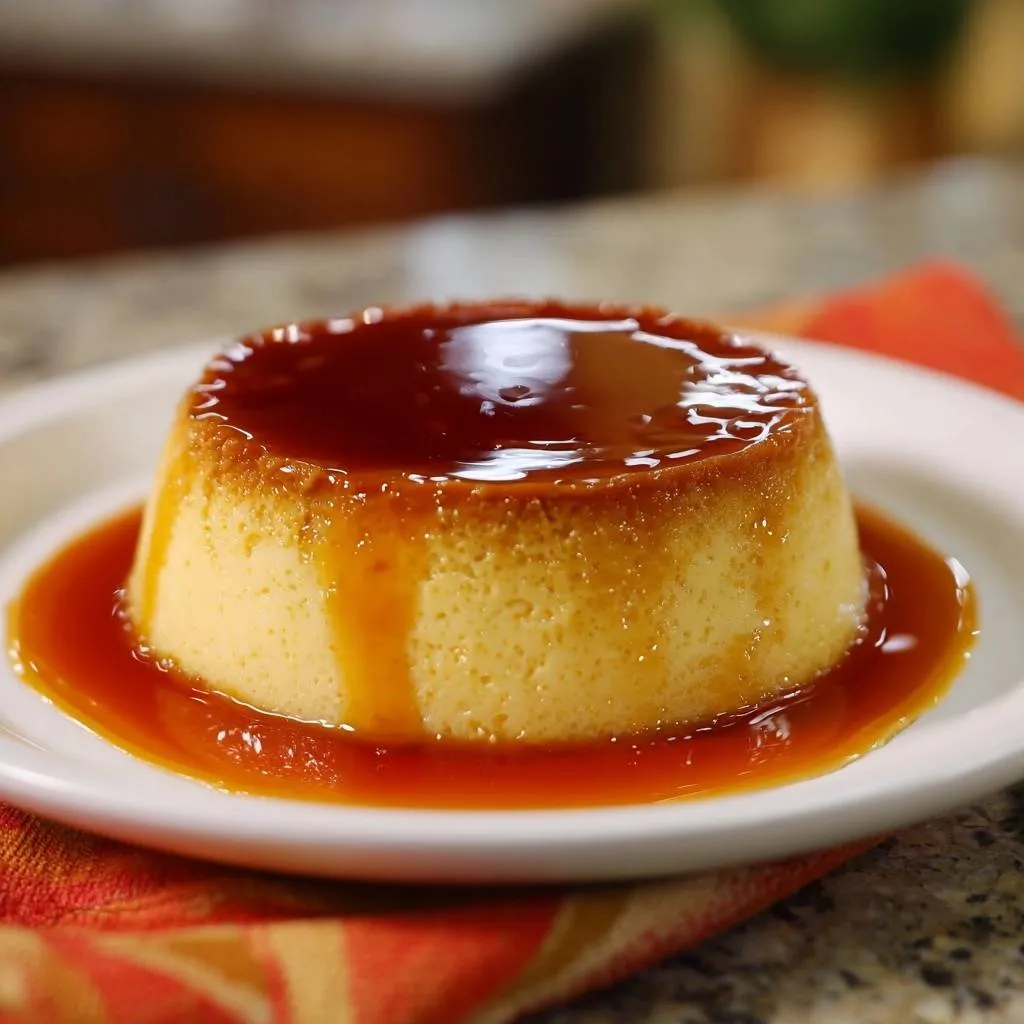
Ever pulled a crème caramel from the oven only to find it weepy and ruined from a failed water bath? You know the heartbreak, that watery custard that just won’t set right. This silky crème caramel recipe fixes it all with a steam-proof foil seal and precise low-heat baking, so you get perfect texture every time, no cracks or leaks.
Here’s why it works so well. Traditional methods let condensation drip into your custard, turning it runny. But this technique locks out moisture completely. In addition, the gentle steam ensures even cooking without the hassle.
The real secret lies in pulling out the oven rack to add hot water, then crimping heavy-duty foil tight around the pan. That creates an airtight barrier. You’ll end up with the silkiest crème caramel that jiggles just right in the center.
Mastering Caramel Base for Silky Crème Caramel
You start with 3/4 cup granulated sugar and 1/3 cup water. This ratio gives you deep amber caramel without burning. Granulated sugar melts evenly, and the water helps it dissolve smoothly at first.
Swirl the pan occasionally instead of stirring. Stirring creates grainy crystals, but swirling keeps it smooth. Therefore, you’ll avoid that gritty texture everyone hates.
Hot caramel coats the ramekins perfectly because it flows thin and even. Let it cool and harden before adding custard. If it burns, it turns bitter fast, so watch closely.
Selecting Ramekins for Even Caramel Coating
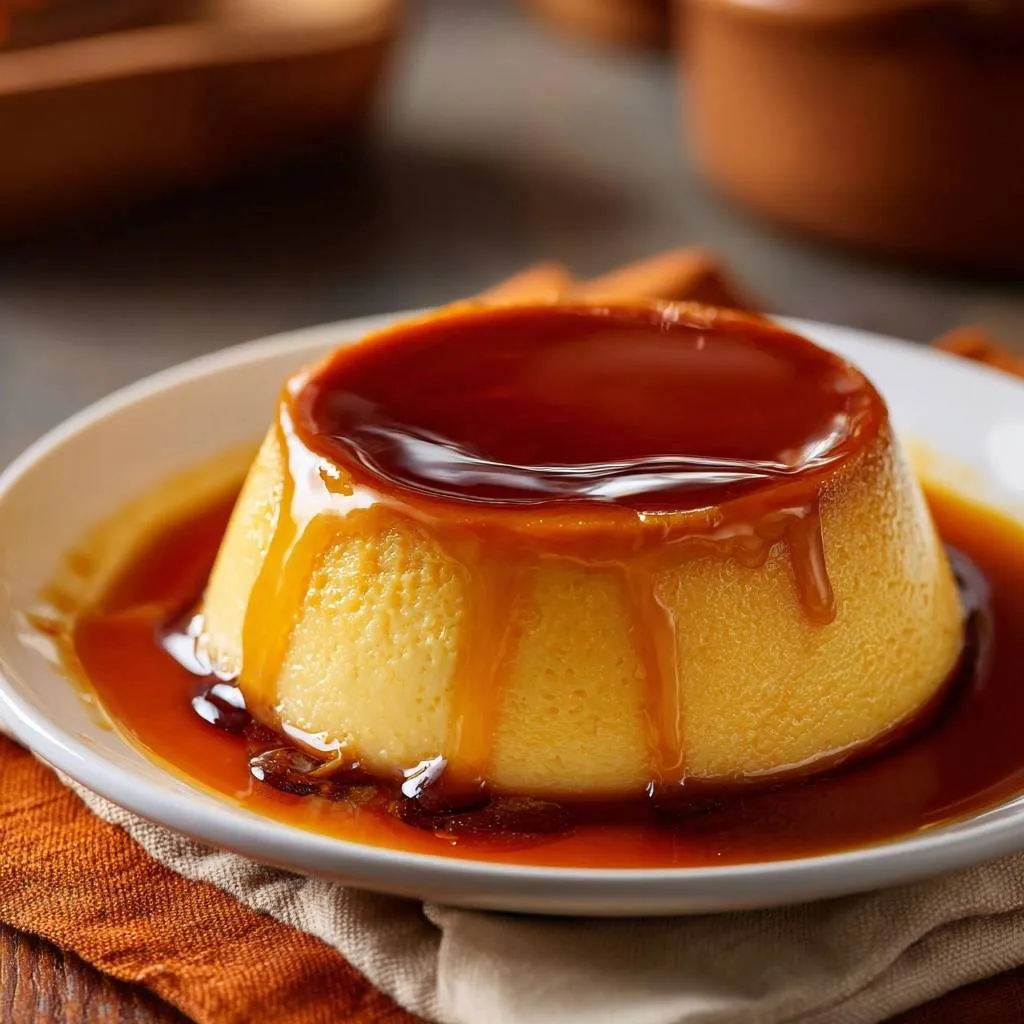
Grab 6 shallow 4-ounce ramekins for this silky crème caramel. Shallow ones prevent thick caramel layers that crack when you unmold. Deep dishes trap too much and unevenly coat.
No ramekins? Muffin tins work fine as alternatives. Just grease them lightly first. That ensures easy release later.
Prep the surface by tilting each one right after pouring. You’ll get a flawless base every time.
Precise Timing for Amber Caramel Perfection
Cook over medium heat for 8 to 10 minutes. It starts pale, then bubbles to a deep amber. Don’t rush; patience here pays off.
The Maillard reaction kicks in around 320°F, browning sugars without bitterness. Visual cues guide you: clear syrup first, then golden, finally amber. Pull it off heat right then.
Swirl gently if spots darken unevenly. This keeps your caramel smooth and ready for silky crème caramel.
Building Flawless Custard for Silky Crème Caramel
Whisk 4 large eggs with 1/4 cup sugar, 1 teaspoon vanilla extract, and 1/8 teaspoon salt. Eggs provide structure through their proteins. Heavy cream, at 2 cups, delivers that unbeatable silkiness milk can’t match.
Heavy cream’s high fat stabilizes everything. Vanilla adds warmth, and salt sharpens flavors without tasting salty. Use pure extract for the best aroma.
Fresh vanilla beans work too, but extract saves time and still shines. In addition, room-temp eggs whisk smoother, avoiding lumps from the start.
Tempering Eggs to Avoid Curds in Custard
Whisk eggs until pale and smooth, about 2 minutes. Heat cream to steaming, not boiling, around 5 minutes. Slowly drizzle hot cream into eggs while whisking constantly.
This tempers the eggs gently, preventing curds. Rush it, and you’ll get scrambled bits. Take your time for flawless results.
You’ll see the mixture thicken slightly. That’s the proteins starting to bond right.
Straining Technique for Ultra-Smooth Texture
Pour through a fine mesh sieve into a pitcher. It catches any stray lumps or bits. This step guarantees ultra-smooth silky crème caramel.
The pitcher makes even division easy, no spills. Tap gently to pop air bubbles too. Fewer bubbles mean a denser set.
Your custard flows like silk now, ready for ramekins.
Science of Custard Setting in Silky Crème Caramel
At 325°F, egg proteins coagulate slowly into a gel. Steam from the water bath cooks gently, mimicking a sous-vide effect. That’s the crème caramel custard science behind no cracks.
Heavy cream’s fat coats proteins, stabilizing them. Salt tweaks gelation for firmness. Over 350°F, and it turns rubbery fast.
Low heat creates even thermal gradients. Therefore, the center sets last, giving that perfect jiggle. No more uneven disasters.
Why Low-Heat Baking Prevents Cracks
High heat shocks the top, causing cracks from fast contraction. Low 325°F lets it set gradually. Compare to dry oven baking, which dries out edges.
Water bath evens the temp. Jiggle test shows when centers are just set. Pull them then for silkiness.
Pro tip: Ovens vary, so check at 30 minutes.
Equipment Essentials for Silky Crème Caramel Success
Use a large roasting pan that fits 6 ramekins snugly. Heavy-duty foil seals in steam perfectly. A fine sieve and pitcher streamline prep.
Shallow ramekins beat deep ones for even heat. Pull the oven rack out to add water safely, no burns. Thermometer helps nail cream temp.
Everything’s basic pantry gear. In addition, silicone mats protect counters from hot ramekins.
Foil Seal: Locking Out Condensation Drips
Crimp foil tightly around pan edges after adding hot water. This airtight seal stops drips that waterlog custard. Test by pressing; it shouldn’t lift.
No heavy-duty? Double regular foil. Silicone lids work too but crimp better for steam-proofing.
Loose foil means weepy fails. Tighten it right, and you’re golden.
Step-by-Step: Steam-Proof Baking for Silky Crème Caramel
Preheat to 325°F. Divide cooled caramel into ramekins. Pour strained custard evenly over each, filling to top.
Place in roasting pan. Pull out oven rack, pour hot tap water halfway up sides. Crimp foil seal tight.
Bake 30 to 35 minutes. Edges set firm, centers jiggle like Jell-O. Cool ramekins out of water to room temp, then chill 4 hours minimum. No watery custard here.
Perfect Water Level and Oven Positioning
Water exactly halfway up ramekin sides. Hot tap water jump-starts coagulation evenly. Rack-pull avoids spills and burns.
Too little water, and bottoms overcook. Too much risks overflow. Measure once, nail it every time.
Chilling and Unmolding Silky Crème Caramel
Cool to room temp first, about 1 hour. Fridge cover and chill 4 hours or overnight for firm set. Run thin knife around edges gently.
Invert onto plates. Watch silky caramel flow over and pool. Serve fresh for best wobble.
Pro tip: Dip ramekin bottom in warm water 10 seconds if it sticks.
Avoiding Pitfalls in Silky Crème Caramel
Over-whisk eggs, and bubbles toughen it. Boil cream, curds form. Loose foil lets steam drip in, weeping results.
High heat cracks tops. Under-chill, and it’s runny. Jiggle should be contained, not sloshy.
Fixes work: Strain bubbles out, temper slowly, seal tight. You’ll master silky crème caramel fast.
Spotting the Ideal Jiggle for Set Custard
At 30 to 35 minutes, press gently: center moves like Jell-O, 1-2 inches only. Edges feel firm. Overbake, and it shrinks or weeps.
Toothpick tests lie; they poke holes. Trust the jiggle for perfection. Ovens differ, so check early.
Silky Crème Caramel Flavor Variations
Add orange zest to custard for citrus brightness. Stir in coffee powder or matcha for earthy twists. Caramel loves a sea salt sprinkle post-cook.
Swap cream for coconut milk, dairy-free and lush. Portion math stays simple: same volumes. Experiment freely.
Pro tip: Infuse cream with flavors while heating for max taste.
Scaling Recipe for Larger Batches
Double everything for 12 servings. Bake time adds 5 minutes. Use bigger pan.
Freeze caramel-lined ramekins up to a month. Thaw, add custard, bake fresh. Easy scaling.
Pairing Sides with Silky Crème Caramel
Fresh berries cut the richness with tart pop. Dollop whipped cream for extra fluff. Crumble shortbread on top for crunch.
Sparkling cranberry juice pairs bright. Seasonal mango slices add tropical vibe. Acidity balances the silk perfectly.
Coffee or tea cleanses the palate after. Simple sides elevate it.
Make-Ahead Guide for Silky Crème Caramel
Make caramel 2 days ahead; store covered. Pour custard same day for freshness. Bake full ramekins, freeze foil-wrapped up to 1 month.
Thaw overnight in fridge. Texture peaks day 2 after chilling. Perfect for parties.
Pro tip: Label with dates for easy planning.
Troubleshooting Silky Crème Caramel Issues
Watery? Check loose foil letting drips in. Cracked? Oven too hot. Grainy caramel means stirred early; remelt next time.
Curdled from rushed tempering; strain harder. Leaking ramekins? Overfilled them. Most fixes are simple tweaks.
Recovery: Blend runny custard, rebake sealed. Trim cracks, sauce over.
Fixing Under-Set or Overbaked Custard
Runny? Seal and rebake 10 minutes more. Cracked tops? Trim edges or drown in extra caramel sauce.
Texture tells all: grainy from undissolved sugar, fix by straining. You’ll salvage most batches.
Frequently Asked Questions About Silky Crème Caramel
Can I Use Milk Instead of Cream?
Yes, but expect less silkiness. Mix 1 cup milk with 1 cup half-and-half for better texture. Full milk works, though it’s lighter and sets softer.
How Long Does Silky Crème Caramel Last?
Store airtight in fridge up to 4 days. Freezes well for 1 month; wrap ramekins individually. Thaw overnight; texture holds great, but eat within 2 days post-thaw.
Why Is My Caramel Sticky?
High humidity or undercooked sugar. Cook to deep amber fully next time. Store airtight; it hardens in hours. Microwave briefly to remelt if needed.
Gluten-Free Silky Crème Caramel?
Naturally gluten-free, no flour or grains here. All ingredients are safe. Serve with gluten-free shortbread if pairing.
Vegetarian Silky Crème Caramel Confirm?
Yes, fully vegetarian with eggs and dairy. No gelatin or animal rennet. Ethical eggs from good sources keep it clean.
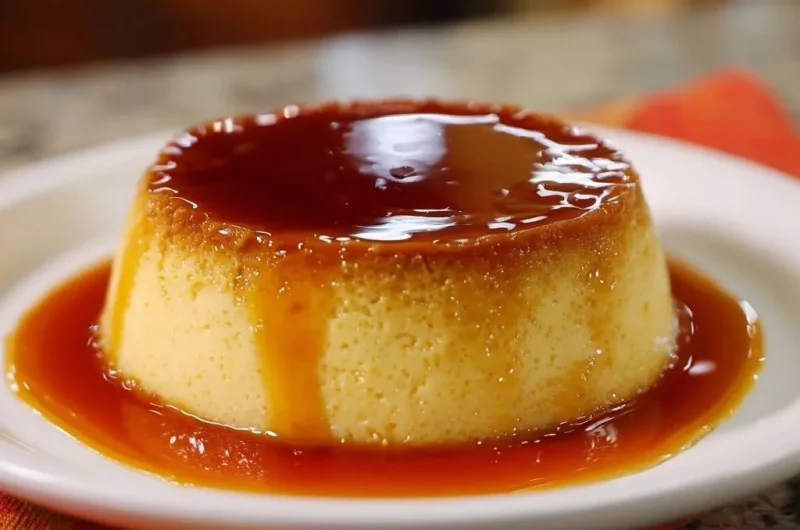
Silky Crème Caramel
Course: DessertCuisine: FrenchDifficulty: easy6
servings20
minutes35
minutes240
MinutesFrench
Ingredients
For the caramel:
3/4 cup granulated sugar
1/3 cup water
For the custard:
4 large eggs
1/4 cup granulated sugar
2 cups heavy cream
1 teaspoon vanilla extract
1/8 teaspoon salt
Directions
- Preheat oven to 325 degrees F. For the caramel, combine sugar and water in a saucepan over medium heat. Cook, swirling occasionally, until sugar dissolves and turns deep amber (about 8-10 minutes). Do not stir. Divide hot caramel evenly into 6 shallow ramekins (about 4 ounces each), tilting to coat bottoms. Let cool and harden.
- Whisk eggs, 1/4 cup sugar, vanilla, and salt in a bowl until smooth and pale, about 2 minutes.
- Heat cream in a saucepan over medium until steaming (not boiling), about 5 minutes. Slowly whisk hot cream into egg mixture to temper, preventing curds. Strain through a fine mesh sieve into a pitcher for smooth texture.
- Divide custard evenly over set caramel in ramekins. Place ramekins in a large roasting pan.
- Here’s the no-watery-custard game-changer: Pull out oven rack with pan. Pour very hot tap water into pan until it reaches halfway up ramekin sides. Tightly cover entire pan with heavy-duty foil, crimping edges to create a steam-proof seal, preventing condensation drips that make custard watery.
- Bake 30 to 35 minutes until edges are set but centers jiggle slightly. Remove pan from oven, then ramekins from water. Cool to room temp, cover, and chill at least 4 hours until firm.
- To serve, run a thin knife around edge of each ramekin. Invert onto plates, allowing silky caramel to flow over top and pool around custard. Serve immediately.
Notes
- Use shallow 4-ounce ramekins for even cooking. Ensure foil seal is tight to prevent condensation drips. Chill at least 4 hours for firm set.