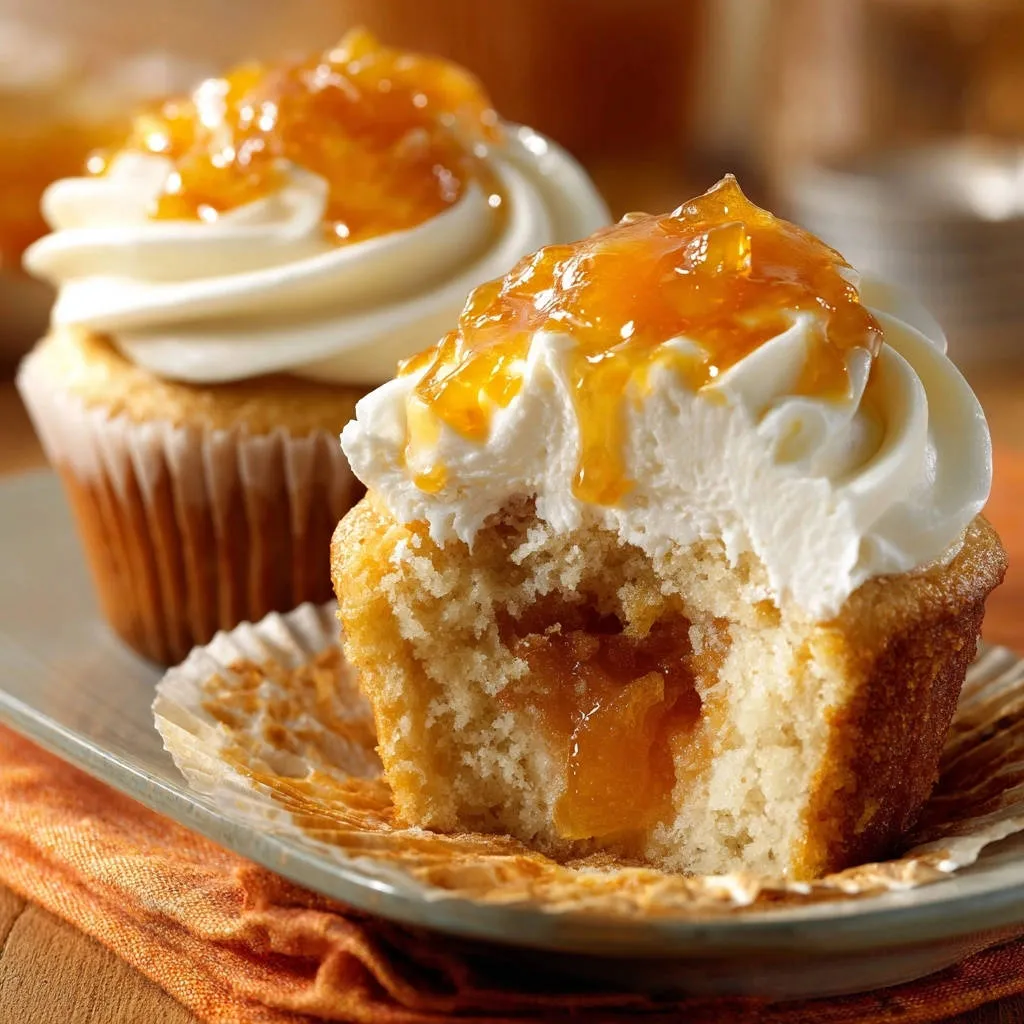
There’s nothing quite as disappointing as biting into what promises to be a decadent filled cupcake, only to find the cake surrounding the delicious center dense and unpleasantly moist. I’ve personally experienced this many times, which led me on a mission to perfect the ultimate Apricot Filled Cupcakes.
This recipe is my breakthrough, ensuring every single bite delivers a light, airy cupcake seamlessly complemented by a perfectly contained, luscious apricot filling. Say goodbye to soggy bottoms and hello to pure, unadulterated cupcake bliss that will elevate your baking game.
Why This Apricot Filled Cupcakes Recipe is Your New Favorite
The hallmark of these Apricot Filled Cupcakes is their incredible texture. We’ve cracked the code on how to keep the cupcake base wonderfully light and fluffy, even with a sweet, juicy filling.
Each cupcake cradles a generous core of bright apricot, perfectly sealed within the cake’s structure. This prevents any unwanted sogginess, delivering a consistently delightful experience from the first bite to the last.
The balance of tender cake, vibrant fruit, and creamy vanilla buttercream makes this a truly standout dessert. It’s a reliable recipe that guarantees success, even for those new to baking filled cupcakes.
Gather Your Culinary Essentials: Ingredients for Success
Using quality ingredients is the first step toward exceptional Apricot Filled Cupcakes. Here’s a closer look at what you’ll need and why it matters.
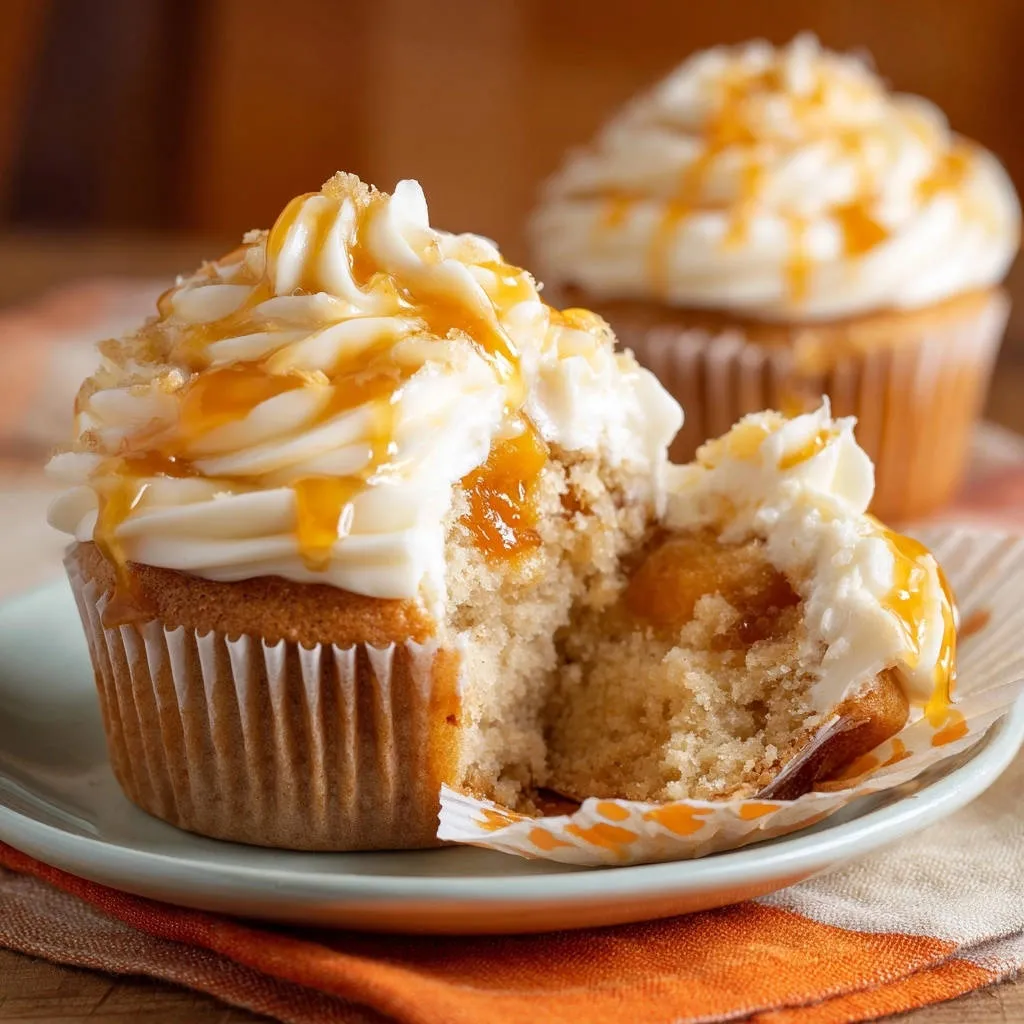
For the Airy Cupcake Base
All-purpose flour: Standard flour provides the foundational structure for our cupcakes. Measure it accurately by spooning it into the measuring cup and leveling it off, avoiding packing.
Baking powder: This leavening agent is crucial for giving the cupcakes their signature rise and airy texture. Ensure yours is fresh for optimal results.
Salt: A small amount of salt enhances the flavors of the other ingredients, balancing the sweetness and adding depth.
Unsalted butter, softened: Room temperature butter creams beautifully with sugar, creating air pockets that contribute to the cake’s tenderness. Using unsalted butter allows you to control the overall salt content.
Granulated sugar: Provides sweetness and helps create a tender crumb by interacting with the butter and other wet ingredients.
Large eggs: Eggs bind the ingredients, add richness, and contribute to the structure and moisture of the cupcakes. Ensure they are at room temperature for better emulsion.
Vanilla extract: Essential for a classic, aromatic flavor that complements both the apricot and the buttercream.
Milk: Adds moisture to the batter, creating a softer, more tender cupcake. Use whole milk for the best richness.
The Luscious Apricot Core
Apricot preserves or jam: The star of our filling, providing a burst of sweet-tart fruit flavor. Choose a good quality preserve for the best taste.
Ensure your preserves aren’t too thin; if they are, a quick gentle warm-up and stir can help thicken them slightly before cooling and using.
Silky Vanilla Buttercream
Unsalted butter, softened: As with the cupcakes, room temperature butter is key for a smooth, fluffy buttercream. It creams effortlessly with the powdered sugar.
Powdered sugar: Also known as confectioners’ sugar, this fine sugar dissolves easily to create a smooth, non-gritty frosting texture.
Vanilla extract: Infuses the buttercream with a beloved, comforting aroma and taste, perfectly complementing the apricot.
Milk or heavy cream: Used to achieve the ideal consistency for the buttercream. Heavy cream will yield a richer, thicker frosting, while milk provides a lighter texture.
Crafting Your Apricot Filled Cupcakes: Step-by-Step Guide
Follow these detailed steps to create flawless Apricot Filled Cupcakes that are as beautiful as they are delicious.
Preparing Your Workspace & Dry Mix
Start by preheating your oven to 350 degrees F (175 degrees C) to ensure it’s at the correct temperature when your batter is ready. Line a 12-cup muffin tin with paper liners; this prevents sticking and makes for easy cleanup.
In a medium bowl, whisk together the all-purpose flour, baking powder, and salt until thoroughly combined. This step ensures that the leavening agents are evenly distributed, promoting a uniform rise in your cupcakes.
Mixing the Wet Ingredients & Combining Batters
In a large bowl, using an electric mixer, cream the softened unsalted butter and granulated sugar together until the mixture is light, fluffy, and pale in color. This process incorporates air, which is vital for a tender cupcake crumb.
Next, beat in the large eggs one at a time, mixing well after each addition to fully incorporate them. Stir in the vanilla extract, ensuring it’s evenly distributed throughout the mixture.
To combine wet and dry ingredients, gradually add the whisked dry mixture to the wet mixture, alternating with the milk. Begin and end with the dry ingredients. Mix just until combined and smooth, being careful not to overmix, which can lead to dense cupcakes.
Baking to Golden Perfection
Carefully divide the prepared cupcake batter evenly among the lined muffin cups. Fill each cup approximately two-thirds full to allow for proper rising without overflowing.
Bake for 18 to 22 minutes, or until a wooden skewer or toothpick inserted into the center of a cupcake comes out clean. This indicates they are fully cooked through.
The Crucial Cooling Phase
Once baked, remove the cupcakes from the oven and allow them to cool in the muffin tin for just a few minutes. This initial cooling helps them set before transferring.
Transfer the cupcakes to a wire rack to cool completely. This step is absolutely critical for preventing sogginess later, as any residual warmth can create condensation that affects the cake’s texture. The cupcakes must be entirely cool before filling and frosting.
Creating the Apricot Pocket
Once the cupcakes are completely cool, use a small paring knife or a cupcake corer to carefully remove a small, cone-shaped piece from the center of each cupcake. Ensure you do not cut all the way through to the bottom.
You can discard these removed cake pieces, or save them for a quick snack! Spoon about 1 to 2 teaspoons of the apricot preserves into the cavity of each cored cupcake.
If your preserves are too runny, gently warm them in a small saucepan over low heat and stir briefly to thicken slightly, then cool completely before using to prevent leakage.
Whipping Up the Frosting
To prepare the vanilla buttercream, begin by creaming the softened butter in a large bowl until it’s smooth and light. This forms the creamy base for your frosting.
Gradually beat in the powdered sugar, about 1 cup at a time, alternating with small additions of milk or cream. Continue mixing until the buttercream is light, fluffy, and has a spreadable consistency.
Beat in the vanilla extract for flavor. If the frosting seems too thick, add a tiny bit more milk, a half teaspoon at a time. If it’s too thin, incorporate a bit more powdered sugar until it reaches the desired piping or spreading consistency. For more frosting tips, check out our guide on dreamy vanilla cupcakes with frosting that pipes perfectly.
Decorating & Sealing the Deal
Generously frost the filled cupcakes with the vanilla buttercream. You can use a piping bag with a star tip for an elegant look or an offset spatula for a rustic swirl.
Ensure the frosting completely covers the filled cavity, effectively sealing in the preserves. This crucial step not only looks beautiful but also helps prevent any moisture from the apricot filling from seeping into the cake.
If desired, spoon a small dollop of extra apricot preserves on top of the frosting for a beautiful garnish and a clear indication of the delicious filling. Serve your Apricot Filled Cupcakes immediately or store them in an airtight container at room temperature.
Chef’s Secrets: Elevate Your Apricot Filled Cupcakes
Achieving bakery-quality Apricot Filled Cupcakes involves a few simple tricks. These expert tips will help you perfect every aspect of this delightful treat.
Achieving the Perfect Fluffy Crumb
Always use room temperature ingredients, especially butter and eggs. This allows them to emulsify properly, creating a smoother batter that holds more air for a tender crumb.
Do not overmix your batter once the dry ingredients are added. Mix only until just combined; overmixing develops gluten, leading to a tough, dense cupcake.
Measure your flour accurately. Spooning flour into a measuring cup and then leveling it off with a straight edge prevents packing, which can result in too much flour and a dry cupcake.
Mastering the Apricot Filling
For the best texture, choose apricot preserves with good body, not too watery. If your jam is very thin, a quick simmer on low heat, stirring constantly, can thicken it. Allow it to cool completely before filling.
A dedicated cupcake corer makes creating the cavity effortless and uniform. If using a knife, a small paring knife and a steady hand work well; aim for a cone shape that leaves a solid base.
Don’t overfill the cavities. About 1-2 teaspoons is usually plenty to provide a burst of flavor without risking spills or compromising the cupcake’s structure.
Frosting for Success & Presentation
Ensure your butter for the buttercream is perfectly softened, not melted. It should yield to gentle pressure. This ensures a lump-free, fluffy frosting.
Piping with a star tip creates a professional look and forms a beautiful seal over the apricot filling. If you don’t have a piping bag, an offset spatula can achieve lovely swirls.
Beyond the optional dollop of preserves, consider a sprinkle of toasted slivered almonds for crunch, a delicate dusting of powdered sugar, or a small sprig of fresh mint for a pop of color.
Troubleshooting Your Apricot Filled Cupcakes
Even experienced bakers encounter challenges. Here are solutions to common issues you might face when making Apricot Filled Cupcakes.
Why Are My Cupcakes Dense or Gummy?
Overmixing is the most common culprit for dense cupcakes. Once you add the dry ingredients, mix only until the flour streaks disappear, then stop.
Using ingredients that are too cold can also affect texture. Ensure your butter, eggs, and milk are at room temperature before you begin.
Incorrect flour measurement, especially using too much, can lead to a dry, dense crumb. Always measure flour by spooning it into the cup and leveling, rather than scooping.
My Apricot Filling is Leaking! What Happened?
The filling may be too runny. As mentioned, gently simmer your preserves to thicken them, then cool completely before adding to the cupcakes.
Ensure you don’t core all the way through the cupcake bottom. A solid base is essential to contain the filling.
Your frosting should completely cover and seal the top of the cored cavity. This acts as a barrier, preventing leaks and keeping the cake moist.
Why Isn’t My Buttercream Fluffy or Smooth?
If your butter was too cold, your buttercream will be lumpy and stiff. Let your butter soften fully before starting.
Not beating long enough can result in a dense frosting. Cream the butter and sugar for several minutes until light and airy before adding liquid.
The ratio of powdered sugar to milk or cream might be off. Adjust by adding small amounts of milk for a thinner frosting, or more powdered sugar for a thicker one, beating well after each addition.
Common Questions About Apricot Filled Cupcakes
Here are answers to frequently asked questions about these delightful Apricot Filled Cupcakes.
Can I Use a Different Fruit Filling?
Absolutely! This recipe is incredibly versatile. You can substitute apricot preserves with other fruit jams like raspberry, strawberry, or even a citrus curd like lemon for a different flavor profile.
Just ensure your chosen filling has a similar consistency to apricot preserves, or adjust it as needed by thickening if too runny or warming if too stiff.
How Do I Store Apricot Filled Cupcakes?
Store frosted Apricot Filled Cupcakes in an airtight container at room temperature for up to 2-3 days. If your kitchen is very warm, or if you prefer them chilled, they can be refrigerated for up to 5 days.
If refrigerating, bring them back to room temperature for 15-20 minutes before serving for the best texture and flavor.
Can I Make These Apricot Filled Cupcakes Ahead of Time?
Yes, you can certainly make components in advance. The unfrosted cupcakes can be baked and stored in an airtight container at room temperature for up to 2 days, or frozen for up to 1 month.
The buttercream can be made up to 3 days in advance and stored in the refrigerator. Bring it to room temperature and re-whip it briefly before frosting. Assemble the cupcakes just before serving for the freshest taste.
Are There Gluten-Free Alternatives for This Recipe?
Yes, you can make these Apricot Filled Cupcakes gluten-free. Substitute the all-purpose flour with a high-quality gluten-free all-purpose baking blend that contains xanthan gum.
Follow the recipe as written, but be aware that gluten-free batters can sometimes be a bit thicker. Do not overmix, as this can still lead to a dense result even without gluten.
What About Dairy-Free Options for This Recipe?
To make this recipe dairy-free, substitute the unsalted butter with a good quality dairy-free butter alternative (sticks, not tub margarine) for both the cupcakes and the buttercream.
For the milk, use a plain, unsweetened dairy-free milk like almond, soy, or oat milk. The results will be delicious and accommodating for dietary needs.
Beyond the Bake: Serving & Pairing Suggestions
These Apricot Filled Cupcakes are a treat on their own, but pairing them thoughtfully can elevate the experience.
Perfect Pairings
For a warm complement, serve these cupcakes with a freshly brewed cup of coffee or a delicate black or herbal tea. The rich notes of the beverage beautifully balance the sweet apricot.
For a touch of elegance, consider a crisp, dry sparkling wine or a dessert wine with apricot or stone fruit notes. This creates a sophisticated and memorable dessert course.
Creative Garnish Ideas
Beyond the simple dollop of preserves, try a light dusting of powdered sugar over the frosted tops for a classic, elegant finish.
Candied apricot pieces, finely chopped pistachios, or a few fresh mint leaves can add visual appeal and complementary textures and flavors.
For an extra indulgent touch, a drizzle of white chocolate ganache or a sprinkle of crispy golden crumbs can take your presentation to the next level.
Ready to Impress? Share Your Apricot Filled Cupcakes!
Now that you have all the insider knowledge, you’re perfectly equipped to bake these show-stopping Apricot Filled Cupcakes. This recipe guarantees a fluffy cake and a perfectly balanced fruit filling, making every bite a delight.
Don’t be shy – bake a batch, share them with loved ones, and watch their faces light up with joy. I’d love to hear how yours turn out; feel free to share your experiences and any creative twists you add in the comments below!
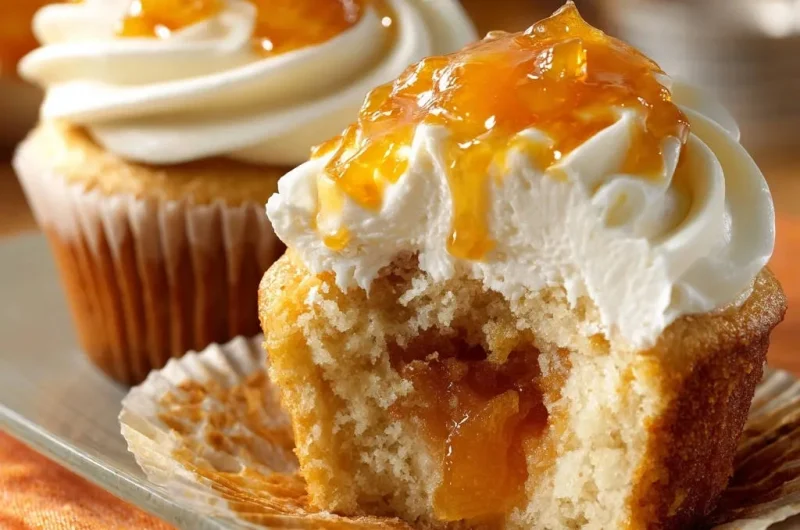
Apricot Filled Cupcakes
Course: DessertCuisine: American CuisineDifficulty: easy4
12 cupcakes50
minutes20
minutes120
minutesAmerican Cuisine
Ingredients
For the Cupcakes:
1 1/2 cups all-purpose flour
1 1/2 teaspoons baking powder
1/4 teaspoon salt
1/2 cup (1 stick) unsalted butter, softened
1 cup granulated sugar
2 large eggs
1 teaspoon vanilla extract
1/2 cup milk
For the Filling:
1/2 cup apricot preserves or jam
For the Vanilla Buttercream:
1/2 cup (1 stick) unsalted butter, softened
3 1/2 cups powdered sugar
1 teaspoon vanilla extract
2 tablespoons milk or heavy cream
Directions
- Preheat your oven to 350 degrees F (175 degrees C). Line a 12-cup muffin tin with paper liners.
- In a medium bowl, whisk together the flour, baking powder, and salt. Set aside.
- In a large bowl, using an electric mixer, cream together the softened butter and granulated sugar until light and fluffy.
- Beat in the eggs one at a time, mixing well after each addition. Stir in the vanilla extract.
- Gradually add the dry ingredients to the wet ingredients, alternating with the milk, beginning and ending with the dry ingredients. Mix until just combined and smooth. Be careful not to overmix.
- Divide the batter evenly among the prepared muffin cups, filling each about two-thirds full.
- Bake for 18 to 22 minutes, or until a wooden skewer inserted into the center of a cupcake comes out clean.
- Remove the cupcakes from the oven and let them cool in the muffin tin for a few minutes before transferring them to a wire rack to cool completely. This step is critical for preventing sogginess later. The cupcakes must be entirely cool before filling.
- Once the cupcakes are completely cool, use a small paring knife or a cupcake corer to carefully remove a small cone-shaped piece from the center of each cupcake. Do not cut all the way through to the bottom. Discard or save the removed cake pieces for snacking.
- Spoon about 1 to 2 teaspoons of the apricot preserves into the cavity of each cored cupcake. Ensure the preserves are not too runny; if they are, you can gently warm them and stir to thicken slightly, then cool before using.
- To make the buttercream, in a large bowl, cream the softened butter until smooth. Gradually beat in the powdered sugar, about 1 cup at a time, alternating with the milk or cream, until light and fluffy. Beat in the vanilla extract. If frosting is too thick, add a tiny bit more milk; if too thin, add more powdered sugar.
- Frost the filled cupcakes generously with the vanilla buttercream using a piping bag with a star tip or an offset spatula. Ensure the frosting completely covers the filled cavity, sealing in the preserves. This also helps to prevent moisture from seeping into the cake.
- If desired, spoon a small dollop of extra apricot preserves on top of the frosting for garnish. Serve immediately or store in an airtight container at room temperature.
Notes
- Ensure cupcakes are completely cool before filling and frosting to prevent sogginess.