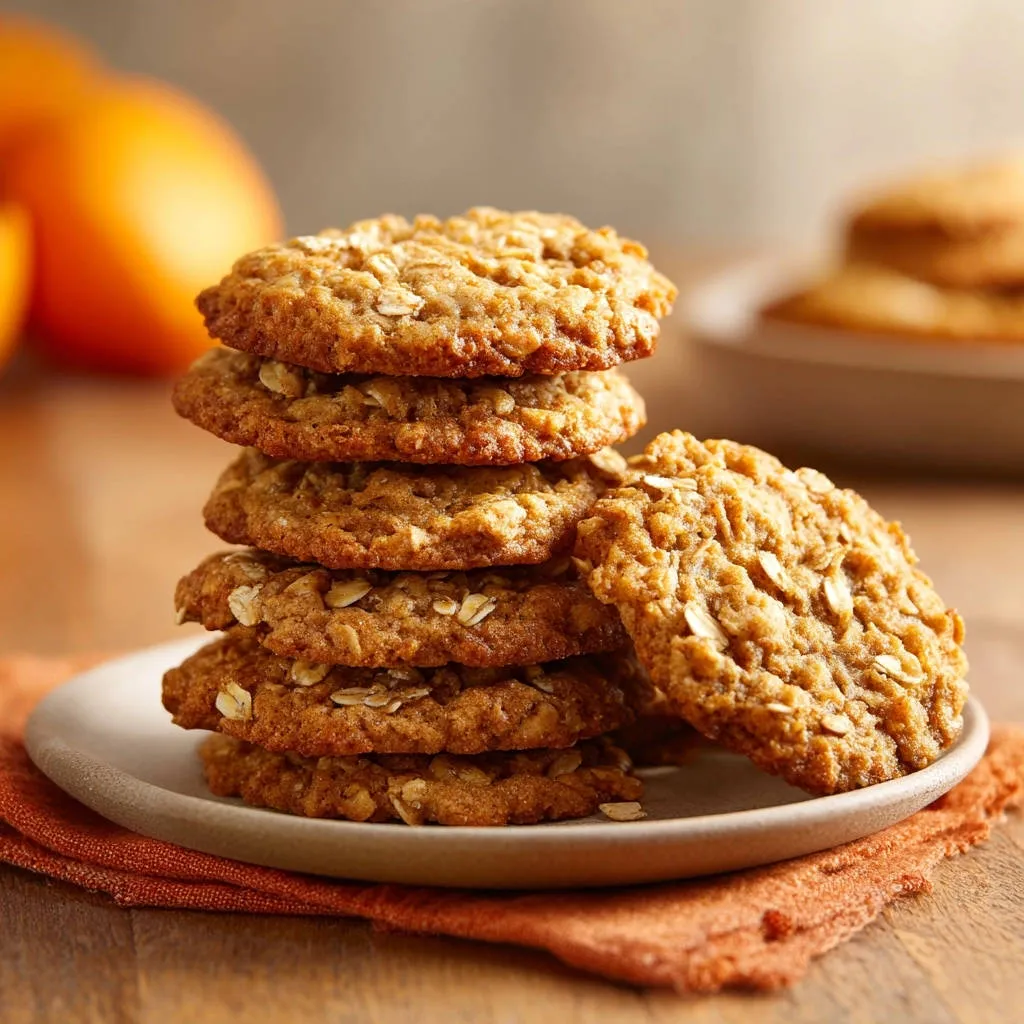
For years, I wrestled with oatmeal cookies that came out hard, dry, or frustratingly crumbly. It felt like an impossible quest to achieve that ideal, satisfying chew. But after much experimentation, I unlocked the simple secret to consistently perfect, irresistibly soft and chewy oatmeal cookies, and I’m thrilled to share it with you today.
This recipe isn’t just another cookie recipe; it’s a foolproof method guaranteed to deliver the classic comfort you crave, elevated with that elusive chewy texture every single time. Get ready to bake a batch of homemade treats that will redefine your oatmeal cookie expectations.
Beyond Basic: Why This Chewy Oatmeal Cookies Recipe is a Game-Changer
This recipe transcends typical cookie baking, offering unique advantages that ensure a superior result. It’s designed to eliminate common frustrations and deliver pure baking joy.
The Golden Rule: Achieving That Irresistibly Chewy Texture (No More Crumbly Cookies!)
The core of this recipe’s magic lies in a crucial baking technique: strategic underbaking. By removing the cookies from the oven when they still appear slightly soft in the center, you allow residual heat to finish the cooking process as they cool.
This prevents them from drying out and guarantees that coveted, tender chewiness, making hard or crumbly oatmeal cookies a thing of the past.
Effortless Perfection: Simple Steps for Stunning Results
Despite its elevated outcome, this recipe is remarkably straightforward and accessible for bakers of all skill levels. Each step is clearly defined, ensuring a smooth process from mixing bowl to cooling rack.
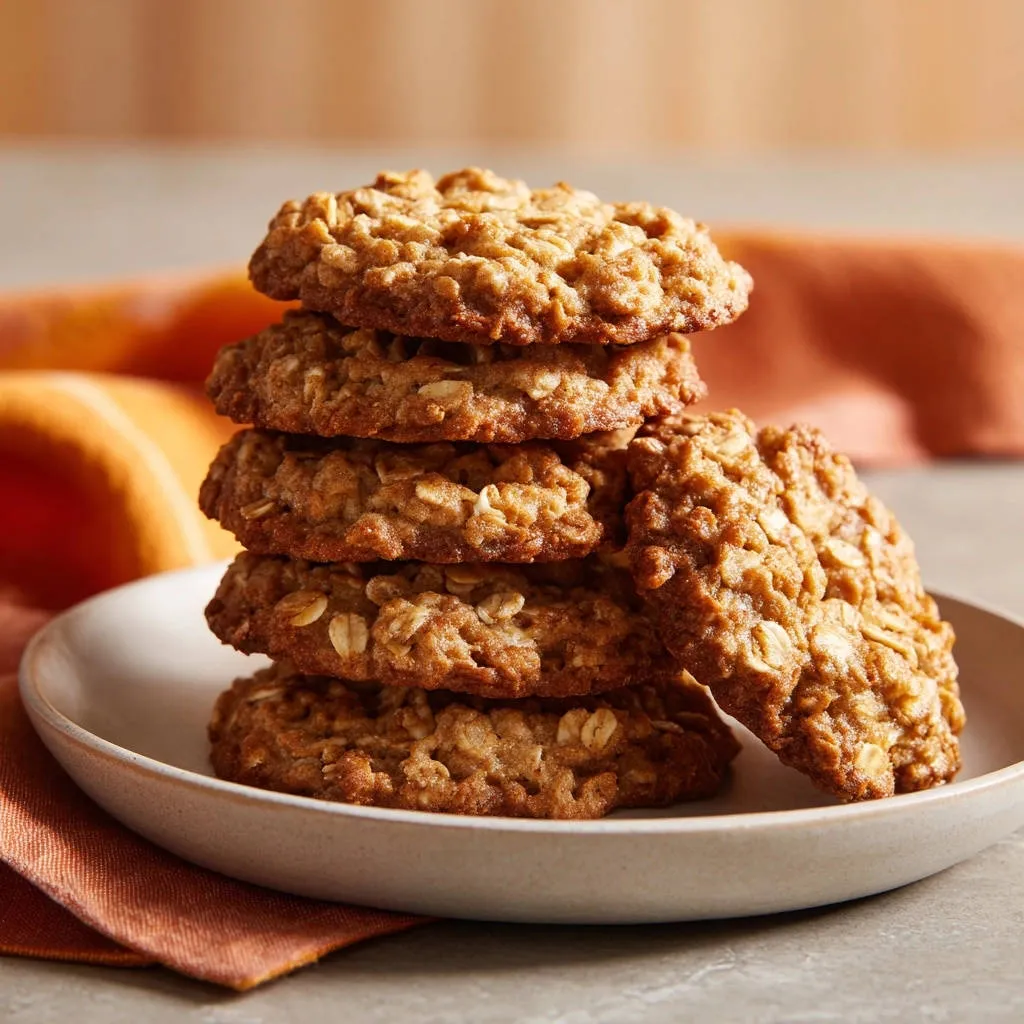
You’ll appreciate the consistent, delicious results that make baking these homemade oatmeal cookies a truly rewarding experience.
A Timeless Comfort: Reimagining a Classic Favorite
Oatmeal cookies evoke a comforting sense of nostalgia, a taste of home. This recipe respects that classic essence while refining the texture to absolute perfection.
It’s a reimagining that honors tradition while delivering a delightfully soft and chewy experience that will become your new standard for this beloved treat.
The Building Blocks of Flavor: Inside Your Chewy Oatmeal Cookies
Understanding the role of each ingredient is key to appreciating the masterful design of these chewy oatmeal cookies. Every component plays a vital part in achieving their signature texture and rich flavor.
The Essential Fats & Sweeteners: Butter & Sugars
Unsalted butter, softened to room temperature, is paramount for creaming effectively with the sugars. This process incorporates air, which contributes to a lighter, more tender cookie structure.
The blend of light brown sugar and granulated sugar is critical. Brown sugar adds molasses, imparting deep caramel notes and crucial moisture, directly contributing to the chewiness. Granulated sugar provides a touch of crispness at the edges and helps with spread.
Binding it All Together: Eggs & Vanilla Extract
Large eggs act as a primary binder, holding the dough together while adding richness and moisture. They contribute to the cookie’s tender crumb.
Vanilla extract is a non-negotiable flavor enhancer, deepening the overall warmth and complexity of these perfect oatmeal cookies.
The Structural Trio: Flour, Baking Soda, & Salt
All-purpose flour provides the essential structure for the cookies. Its gluten content forms the framework that holds everything together.
Baking soda is the leavening agent, reacting with the brown sugar to create lift and spread, resulting in flatter, chewier cookies. Salt is indispensable for balancing the sweetness and intensifying all the other flavors.
The Star of the Show: Old-Fashioned Rolled Oats
For true chewy oatmeal cookies, old-fashioned rolled oats are non-negotiable. Their thicker, heartier texture stands up to baking, creating distinct pockets of chewiness within the cookie.
Quick oats, while convenient, break down too much and won’t give you the same delightful bite you’re aiming for here.
Mastering the Method: Your Step-by-Step Guide to Perfect Chewy Oatmeal Cookies
Each step in this recipe is designed to contribute to the ultimate chewy texture and flavor. Follow these detailed instructions carefully for the best results.
Preparation is Key: Setting Up for Success
Preheat your oven precisely to 350°F (175°C). Line your baking sheets with parchment paper or silicone mats.
This prevents sticking, ensures easy cleanup, and promotes even heat distribution for consistently baked chewy oatmeal cookies.
The Creaming Method: Achieving Lightness and Air
In a large bowl, combine the softened unsalted butter, packed light brown sugar, and granulated sugar. Using an electric mixer, cream these together until the mixture is light, fluffy, and noticeably pale.
This process takes approximately 2 to 3 minutes and is crucial for incorporating air, which yields a tender, melt-in-your-mouth cookie texture.
Bringing in the Wet: Eggs and Vanilla Integration
Beat in the large eggs one at a time, ensuring each egg is fully incorporated before adding the next. Then, stir in the vanilla extract until just combined.
Adding eggs individually helps create a smoother, more emulsified dough, which contributes to the overall consistency and chewiness of your cookies.
The Dry Elements: Whisking for Even Distribution
In a separate medium bowl, whisk together the all-purpose flour, baking soda, and salt.
This simple step prevents lumps and ensures that the leavening agents and salt are perfectly dispersed throughout the dough, leading to uniform baking and flavor.
Combining Wet and Dry: The Gentle Touch
Gradually add the whisked dry ingredients to the wet mixture, mixing on low speed or by hand until just combined. Stop mixing as soon as no streaks of flour remain.
Overmixing develops gluten, which can lead to tough, dry cookies instead of the desired chewy oatmeal cookies.
Folding in the Hearty Oats: Creating a Thick Dough
Gently fold in the old-fashioned rolled oats using a spatula or spoon until they are evenly distributed throughout the dough. The mixture will be quite thick and robust.
This substantial dough is exactly what you want for a hearty, satisfyingly chewy oatmeal cookie.
Portioning and Spacing: Uniformity for Consistent Baking
Drop rounded tablespoons of dough (or use a 1.5-ounce cookie scoop for uniformity) onto the prepared baking sheets. Leave about 2 inches of space between each cookie.
Proper spacing is essential to allow for adequate airflow and spread during baking, ensuring each cookie bakes evenly without merging.
The Bake: The Secret to Signature Chewiness
Bake for 9 to 11 minutes. The cookies are done when their edges are lightly golden brown, but the centers still look slightly soft, almost underbaked.
For the ultimate chewy oatmeal cookies, this slight underbaking is the critical secret; they will continue to set and firm up as they cool on the hot baking sheet.
Cooling for Perfection: Patience for Optimal Texture
Allow the baked cookies to cool on the hot baking sheets for 5 minutes before carefully transferring them to a wire rack. Let them cool completely on the wire rack.
This initial cooling period on the sheet allows the cookies to fully set without becoming fragile or breaking apart when moved, preserving their perfect texture.
Chef’s Secrets: Elevate Your Chewy Oatmeal Cookies Game
Beyond the basic steps, these professional tips will help you consistently achieve the best chewy oatmeal cookies possible, adding a touch of gourmet flair to your homemade treats.
The Power of Proper Butter Softening
Room temperature butter is crucial, not just “softened.” If your butter is too cold, it won’t cream properly, leading to a denser cookie. If it’s too warm or melted, your cookies will spread excessively.
Aim for butter that indents slightly when pressed but still holds its shape, indicating the perfect consistency for creaming.
Chill Factor: Why Chilling Dough Can Make a Difference
While not strictly required for this recipe, chilling your cookie dough for at least 30 minutes (or up to 24 hours) can enhance flavor and texture. Cold dough spreads less in the oven, resulting in thicker cookies.
Chilling also allows the flour to fully hydrate and the flavors to meld, leading to a richer, more complex taste profile.
Don’t Overbake! (Reiterating the Core Trick)
This cannot be stressed enough: do not overbake! The key to chewy oatmeal cookies is pulling them from the oven when they seem just a tad underdone in the center.
Look for edges that are set and lightly golden, while the very middle still appears slightly moist or soft. They will firm up beautifully as they cool, retaining their signature chew.
Customizing Your Creations: Delightful Add-Ins and Variations
While delicious as is, these chewy oatmeal cookies are incredibly versatile. Consider folding in up to 1 cup of your favorite mix-ins in Step 6.
Popular choices include chocolate chips (milk, dark, or white), chopped walnuts or pecans, dried cranberries or raisins, or a teaspoon of ground cinnamon for extra warmth. For another delightful chewy treat, try our perfectly chewy oatmeal cranberry cookies.
Perfecting Your Portion Size for Uniform Cookies
Using a cookie scoop ensures that each cookie is the same size. This leads to uniform baking times across the entire batch, preventing some cookies from being overcooked while others are still raw.
A 1.5-ounce (or 3-tablespoon) scoop is ideal for generously sized, perfectly portioned chewy oatmeal cookies.
Troubleshooting Common Chewy Oatmeal Cookies Challenges
Even with a great recipe, sometimes things go awry. Here’s how to address common issues and ensure your oatmeal cookies are always a success.
Why Are My Cookies Spreading Too Much?
Excessive spreading can be caused by butter that’s too soft or melted, an oven that isn’t hot enough, or too much leavening. Ensure your butter is properly softened, not greasy.
Check your oven temperature with an external thermometer, as oven thermostats can be inaccurate. Chilling the dough can also help mitigate spreading.
My Chewy Oatmeal Cookies Are Hard or Dry! What Went Wrong?
The most common culprit for hard or dry cookies is overbaking. Even an extra minute can make a significant difference in texture.
Remember to remove your chewy oatmeal cookies from the oven when the centers still look slightly soft; they will continue to bake and set as they cool on the baking sheet.
Uneven Baking: How to Get Consistent Results
Uneven baking often stems from an improperly calibrated oven or overcrowding the baking sheets. Regularly check your oven’s temperature consistency.
Rotate your baking sheets halfway through the baking time to ensure even exposure to heat. Always give your cookies ample space on the tray to allow for proper air circulation.
Beyond the Bake: Serving, Storing, and Enjoying Your Chewy Oatmeal Cookies
Once your irresistible chewy oatmeal cookies are baked, the enjoyment continues! Here’s how to best savor and preserve them.
Delightful Serving Suggestions for Your Oatmeal Masterpiece
These chewy oatmeal cookies are divine on their own, but they also pair wonderfully with a tall glass of cold milk or a warm cup of coffee or tea. For an indulgent treat, serve them warm with a scoop of vanilla bean ice cream.
Crumbled over yogurt or as a topping for fruit crisp, they add a delightful texture and flavor. They also make a fantastic, comforting dessert after a hearty meal like a classic spiced molasses cookie.
Keeping Them Fresh: Optimal Storage for Chewy Oatmeal Cookies
To maintain their signature chewiness, store your baked chewy oatmeal cookies in an airtight container at room temperature. Placing a slice of bread in the container can help keep them soft for longer.
They will stay fresh and delicious for up to 3-4 days. Avoid refrigeration, as it can cause them to dry out and become stiff.
Make-Ahead Magic: Can I Prepare Chewy Oatmeal Cookies Dough in Advance?
Absolutely! This dough is excellent for making ahead. You can prepare the dough, then cover it tightly and refrigerate for up to 3 days. This actually helps develop richer flavors.
Alternatively, scoop the dough into balls, place them on a parchment-lined baking sheet, and freeze until solid. Once frozen, transfer the dough balls to a freezer-safe bag or container and freeze for up to 3 months. Bake from frozen, adding a couple of minutes to the baking time.
Frequently Asked Questions About Chewy Oatmeal Cookies
Let’s address some common questions about baking these delightful treats.
Can I Use Quick Oats Instead of Old-Fashioned Rolled Oats?
While you technically can use quick oats, it’s not recommended for this chewy oatmeal cookies recipe. Quick oats are cut thinner and cook faster, resulting in a less substantial, more uniform texture.
They won’t provide the distinct, hearty chew that old-fashioned rolled oats deliver, which is key to this recipe’s appeal.
What If I Don’t Have Brown Sugar?
Brown sugar is critical for the moisture and chewiness of these cookies. If you’re completely out, you can make a substitute by combining granulated sugar with a small amount of molasses (about 1 tablespoon of molasses per 1 cup of granulated sugar).
However, for the best chewy oatmeal cookies texture, it’s worth sourcing actual brown sugar.
Can I Freeze Chewy Oatmeal Cookies Dough or Baked Cookies?
Yes, both raw dough and baked cookies freeze beautifully. For dough, scoop balls onto a baking sheet, freeze until solid, then transfer to a freezer bag for up to 3 months. Bake from frozen, adding a few minutes to the bake time.
For baked cookies, allow them to cool completely, then place them in a single layer on a baking sheet and freeze until solid. Transfer to a freezer-safe container or bag, separating layers with parchment paper, for up to 2 months. Thaw at room temperature before serving.
Are These Chewy Oatmeal Cookies Adaptable for Gluten-Free Diets?
Yes, you can adapt this recipe for gluten-free diets! Simply substitute the all-purpose flour with a 1:1 gluten-free baking flour blend that contains xanthan gum.
Ensure your old-fashioned rolled oats are certified gluten-free, as oats are often cross-contaminated with wheat during processing.
How Can I Make These Chewy Oatmeal Cookies More Healthful?
While these are treats, you can make minor modifications. You can slightly reduce the amount of granulated sugar by 1/4 cup without drastically altering the texture.
Consider adding a tablespoon or two of ground flaxseed or chia seeds for an extra boost of fiber and omega-3s, or swapping some of the butter for unsweetened applesauce (though this will affect the texture slightly).
The Last Bite: Your Chewy Oatmeal Cookies Masterpiece Awaits!
There’s a profound satisfaction in baking a perfect batch of chewy oatmeal cookies, especially when they turn out exactly as you envisioned. This recipe, with its simple yet powerful secrets, ensures that delightful outcome every single time.
Now, it’s your turn to experience the joy of biting into a soft, perfectly chewy, and utterly delicious homemade oatmeal cookie. Don’t hesitate to give this recipe a try, and perhaps even share your own favorite cookie variations in the comments below!
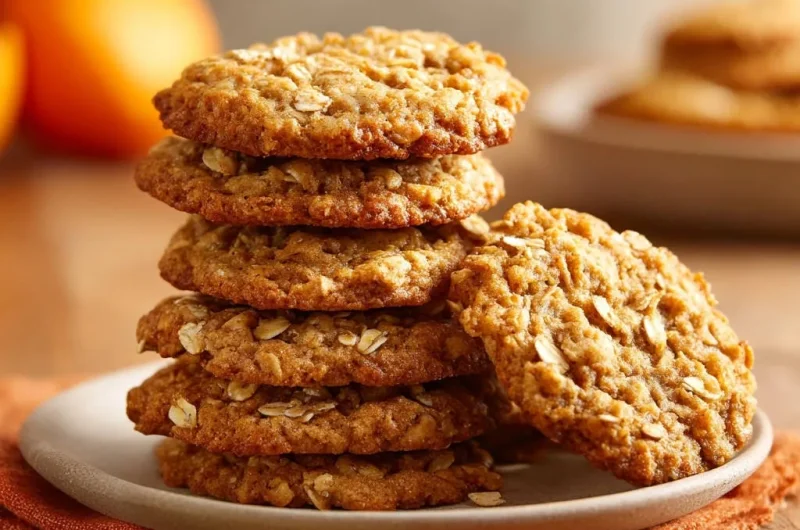
Chewy Oatmeal Cookies
Course: DessertCuisine: American CuisineDifficulty: easy4
about 3 dozen cookies20
minutes9
minutes30
minutesAmerican Cuisine
Ingredients
1 cup (2 sticks) unsalted butter, softened
1 cup packed light brown sugar
1/2 cup granulated sugar
2 large eggs
1 teaspoon vanilla extract
1 1/2 cups all-purpose flour
1 teaspoon baking soda
1/2 teaspoon salt
3 cups old-fashioned rolled oats
Directions
- Preheat oven to 350°F (175°C). Line baking sheets with parchment paper.
- In a large bowl, cream together the softened butter, brown sugar, and granulated sugar until light and fluffy. This should take about 2 to 3 minutes.
- Beat in the eggs one at a time, mixing well after each addition. Stir in the vanilla extract.
- In a separate medium bowl, whisk together the flour, baking soda, and salt.
- Gradually add the dry ingredients to the wet ingredients, mixing just until combined. Be careful not to overmix the dough, as overmixing can lead to tough cookies.
- Fold in the old-fashioned rolled oats. The dough will be thick.
- Drop rounded tablespoons of dough onto the prepared baking sheets, spacing them about 2 inches apart.
- Bake for 9 to 11 minutes, or until the edges are lightly golden brown but the centers still look slightly soft. For the chewiest cookies, remove them from the oven when they appear slightly underbaked. They will continue to set as they cool.
- Let cookies cool on the baking sheets for 5 minutes before transferring them to a wire rack to cool completely.
Notes
- For the chewiest cookies, remove them from the oven when they appear slightly underbaked. They will continue to set as they cool. Avoid overmixing the dough.