YETI Rambler 42 oz Tumbler with Handle and Straw Lid, Travel Mug Water Tumbler, Vacuum Insulated Cup with Handle, Stainless Steel, Big Wave Blue
$31.50 (as of December 20, 2025 09:13 GMT +00:00 - More infoProduct prices and availability are accurate as of the date/time indicated and are subject to change. Any price and availability information displayed on [relevant Amazon Site(s), as applicable] at the time of purchase will apply to the purchase of this product.)
Ninja | French Door Premier | Air Fryer, Convection Oven, Toaster | 5-qt Air Fry Basket, Sheet Pan, Wire Rack, Broil Rack | PFAS-free Cooking Surface, Dishwasher-safe Accessories | FO101 (NEW)
$199.95 (as of December 20, 2025 09:13 GMT +00:00 - More infoProduct prices and availability are accurate as of the date/time indicated and are subject to change. Any price and availability information displayed on [relevant Amazon Site(s), as applicable] at the time of purchase will apply to the purchase of this product.)
YETI Rambler 20 oz Stainless Steel Vacuum Insulated Tumbler w/MagSlider Lid
$35.00 (as of December 20, 2025 09:13 GMT +00:00 - More infoProduct prices and availability are accurate as of the date/time indicated and are subject to change. Any price and availability information displayed on [relevant Amazon Site(s), as applicable] at the time of purchase will apply to the purchase of this product.)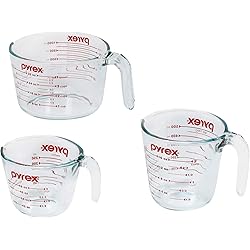
Pyrex Essentials (3-Pack) Glass Measuring Cups Set, (1, 2 & 4 Cup) Measuring Cups For Prepping, Baking and Cooking, Preheated Oven, Dishwasher, Freezer, and Microwave Safe
$22.11 (as of December 20, 2025 09:13 GMT +00:00 - More infoProduct prices and availability are accurate as of the date/time indicated and are subject to change. Any price and availability information displayed on [relevant Amazon Site(s), as applicable] at the time of purchase will apply to the purchase of this product.)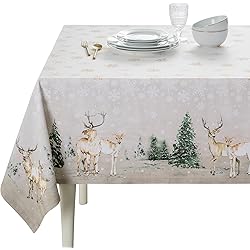
Maison d' Hermine Table Cloth Rectangle Table 100% Cotton 60 x 108 Inches Fall Tablecloth Reusable Everyday Use for Thanksgiving Christmas Decorations Dining Farmhouse Party (Deer in The Woods)
$35.96 (as of December 20, 2025 09:13 GMT +00:00 - More infoProduct prices and availability are accurate as of the date/time indicated and are subject to change. Any price and availability information displayed on [relevant Amazon Site(s), as applicable] at the time of purchase will apply to the purchase of this product.)Why Creamy Thyme Pappardelle Transforms Pasta Nights
Tired of grainy cheese sauces that turn your pasta into a gritty mess? This Creamy Thyme Pappardelle fixes that frustration with a simple off-heat pasta water trick. You’ll get silky emulsion every time, no clumps in sight.
That’s why it shines on busy weeknights. In just 30 minutes, you create restaurant-quality creaminess at home. Plus, the fresh thyme adds an earthy punch that elevates basic pasta to something special.
The real secret? Grate your own Parmesan right before adding it off-heat. Pre-grated stuff has anti-caking agents that cause grit, but fresh shreds melt smoothly into that starchy pasta water for perfection.
Key Ingredients for Flawless Creamy Thyme Pappardelle
Freshly grated Parmesan drives the silkiness in this Creamy Thyme Pappardelle. It melts flawlessly without those pesky grains from pre-shredded versions. Grab a block and grate it yourself for the best results.
Heavy cream brings rich body, way better than half-and-half which splits easily. Its higher fat content stabilizes the sauce. Meanwhile, unsalted butter prevents over-salting since Parmesan packs sodium.
Pappardelle’s wide ribbons cling to the sauce perfectly. And don’t skip reserving that pasta water, its starch emulsifies everything. Fresh thyme leaves infuse bright, aromatic notes, far superior to dried.

Fresh Thyme vs. Dried in Sauce Infusion
Fresh thyme releases volatile oils that bloom in hot cream, giving balanced herbaceous flavor. Dried thyme lacks those oils and can turn bitter if over-infused. Therefore, strip leaves from 2 tablespoons of sprigs and simmer just 2 minutes for peak aroma without overpowering the dish.
Parmesan and Pasta Water Emulsion Duo
Pasta water’s starch binds cheese proteins off-heat, creating a stable emulsion. High heat tightens those proteins into curds, so remove the pan first. Grate Parmesan into fluffy piles, not packed shreds, and stir vigorously as you add water gradually for that glossy coat.
Science of Grain-Free Creamy Thyme Pappardelle Sauce
Pasta starch acts as a natural thickener in this thyme pappardelle cream sauce. It suspends fats and cheese proteins into a smooth emulsion. Off-heat addition keeps temperatures below curdling thresholds, around 160°F.
Agitation during stirring breaks up any lumps as starch molecules link everything. On-heat methods fail because heat shocks the proteins. Thyme’s terpenes enhance perceived creaminess too, adding depth.
Think of it like making a vinaigrette: gradual addition and whisking prevent separation. This technique guarantees your Creamy Thyme Pappardelle stays velvety, no gritty disasters.
Starch Emulsification: Pasta Water’s Hidden Power
Amylose and amylopectin in pasta water create viscosity that traps cheese and cream. Reserve 1 cup right after draining while hot for max starch. If it’s too thin, add a splash more; it should coat a spoon lightly without dripping.
Equipment Essentials for Perfect Creamy Thyme Pappardelle
A large skillet ensures even sauce heating without crowding. High-sided pots retain pasta water better during boiling. Pappardelle needs space to toss, so opt for 12-inch skillets minimum.
Use a microplane for fluffy Parmesan grates that melt fast. A pepper mill cracks fresh black pepper for bold pops. Basics work, but stainless steel skillets build fond for extra flavor.
Avoid small pans; they overheat and break the emulsion. Therefore, upgrade to wide, heavy-bottomed ones for foolproof results.
Skillet Size and Heat Distribution Impact
Stainless skillets hold heat steadily for infusion, while nonstick prevents sticking during tosses. Larger 12-inch sizes distribute heat evenly, avoiding hot spots that curdle sauce. Stick to medium heat always.
Step-by-Step: Building Silky Creamy Thyme Pappardelle
Ready for Creamy Thyme Pappardelle? This 30-minute recipe splits into clear phases. Follow along, and you’ll nail the grain-free sauce every time.
Phase 1: Boiling Pappardelle to Al Dente
Bring a large pot of salted water to a rolling boil, about 1 tablespoon salt per 4 quarts. Add 8 ounces pappardelle and cook 8-10 minutes until al dente, firm to the bite. Reserve 1 cup pasta water hot, then drain quickly. Test by biting; it should have a slight snap.
Phase 2: Infusing Butter, Cream, and Thyme
Melt 4 tablespoons unsalted butter in a large skillet over medium heat. Stir in 1/2 cup heavy cream and 2 tablespoons fresh thyme leaves. Simmer gently 2 minutes; you’ll smell sweet herbs blooming. Stir to avoid boiling over.
Phase 3: Off-Heat Cheese Emulsion Secret
Remove skillet from heat. Add half of 1 cup grated Parmesan, stirring vigorously while pouring in 1/2 cup reserved pasta water gradually. The sauce turns silky as starch emulsifies cheese. Add remaining cheese; it should ribbon off a spoon. If clumpy, whisk in more water.
Phase 4: Coating Pasta in Silky Sauce
Add drained pappardelle to skillet over low heat. Toss 1 minute until coated; add pasta water splashes to loosen. Plate immediately with thyme sprigs and extra black pepper for that fresh crackle.
Avoiding Pitfalls in Creamy Thyme Pappardelle
High heat on cheese creates curds instantly. Always go off-heat. Insufficient pasta water leaves sauce dry, so reserve extra and adjust.
Overcooked pasta turns mushy and releases too much starch, thinning everything. Therefore, time it al dente. Too much thyme bitters the dish; stick to 2 tablespoons.
Pro tip: Chill Parmesan briefly if your kitchen’s hot. It melts slower, preventing separation. These fixes keep your Creamy Thyme Pappardelle flawless.
Fixing Grainy Texture Instantly
If grains appear, whisk in hot pasta water off-heat rapidly. For bad cases, pulse briefly in a blender. Prevention wins: grate fresh and emulsify gradually for smooth sails.
Flavor Twists on Creamy Thyme Pappardelle
Add lemon zest for bright zing that cuts richness. Sauté mushrooms first for earthy depth instead of meat. Chili flakes amp heat if you crave spice.
Scale up by doubling everything for 4-6; use a bigger pot. Experiment confidently; the emulsion holds through tweaks. In addition, roasted garlic mashed in boosts savoriness.
Vegetarian Boosts and Herb Swaps
Swap thyme for basil in summer for sweet notes, or rosemary for piney edge. Add nutritional yeast for umami if veganizing. Roasted garlic cloves stirred in at infusion phase deepen flavor without overpowering.
Ideal Pairings for Creamy Thyme Pappardelle
Crisp Sauvignon Blanc cuts the creaminess perfectly. Pair with arugula salad tossed in lemon vinaigrette for peppery contrast. Garlic bread soaks up sauce beautifully.
Start with bruschetta topped with tomatoes. Finish with berry sorbet; its tart chill balances richness. These sides make the meal complete.
Storage and Reheating Creamy Thyme Pappardelle
Store leftovers in an airtight container in the fridge up to 3 days. Freeze sauce separately in portions for 2 months; pasta freezes poorly and gets mushy.
Reheat gently on stovetop with a splash of water or cream to revive emulsion. Microwave in short bursts, stirring often. Batch cook sauce ahead for quick weeknight wins.
Frequently Asked Questions on Creamy Thyme Pappardelle
Can I Use Different Pasta Shapes?
Yes, but pappardelle’s wide ribbons trap sauce best. Tagliatelle works similarly; avoid thin spaghetti as sauce slides off. Short shapes like rigatoni hold pockets well too.
How to Veganize This Thyme Pappardelle?
Swap heavy cream for cashew cream blended smooth. Use nutritional yeast or vegan Parmesan for cheesy tang. The pasta water emulsion still creates silkiness perfectly.
Why Off-Heat for Cheese Addition?
High heat above 160°F tightens cheese proteins into curds. Off-heat lets starch bind gently without shocking them. It ensures smooth melt every time.
Scaling for Larger Crowds?
Double ingredients for 4-6 servings, but use a larger pot and skillet to avoid overcrowding. Reserve more pasta water proportionally. Sauce thickens faster in bigger batches, so add water gradually.
Substitute Dried Thyme Successfully?
Use 2 teaspoons dried for 2 tablespoons fresh, about one-third amount. Soak in warm cream first for better infusion. Flavor’s less vibrant, but it works in a pinch.

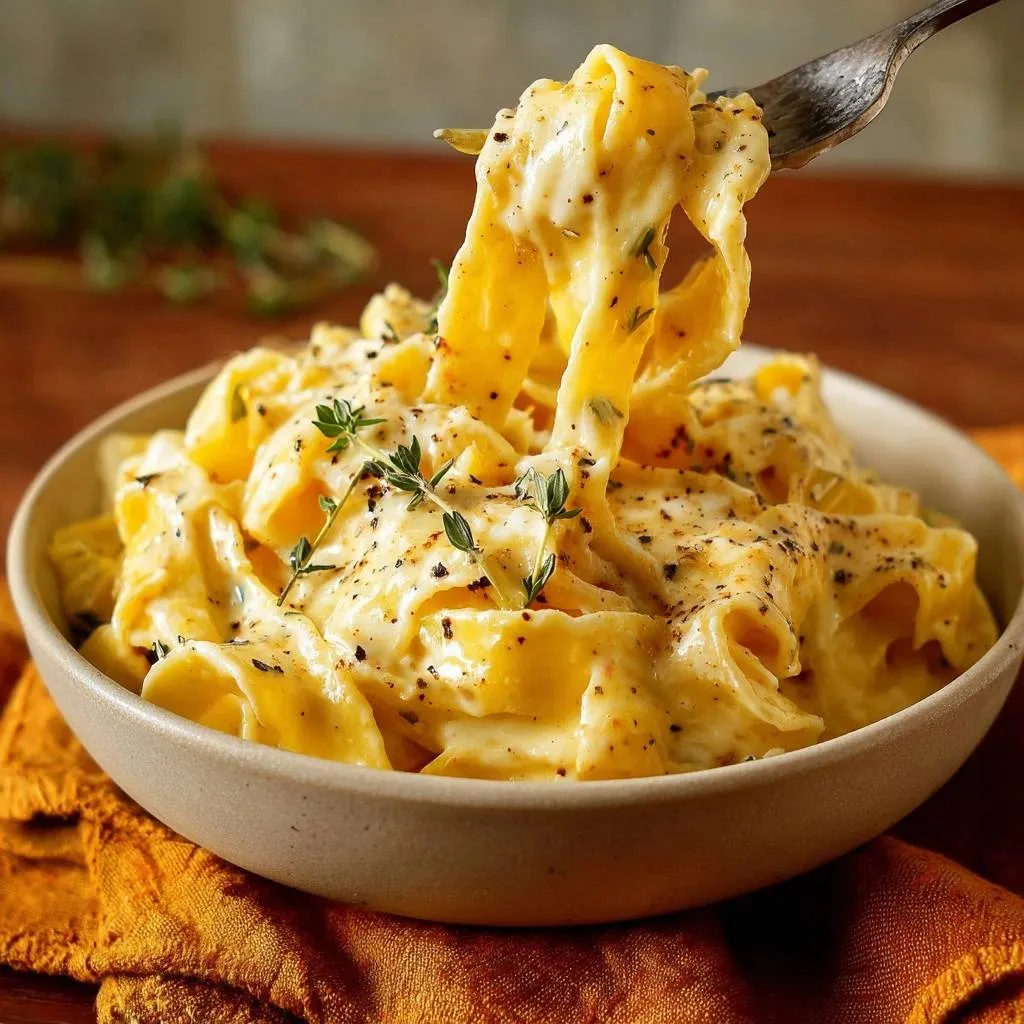
Creamy Thyme Pappardelle
Course: Main CourseCuisine: ItalianDifficulty: easy4
410
minutes15
minutes25
Minutes550
kcalItalian
Ingredients
8 ounces pappardelle pasta
4 tablespoons unsalted butter
1 cup freshly grated Parmesan cheese
1/2 cup reserved pasta cooking water
1/2 cup heavy cream
2 tablespoons fresh thyme leaves, plus extra sprigs for garnish
1 teaspoon freshly cracked black pepper, plus more to taste
Salt to taste
Directions
- Bring a large pot of salted water to a boil. Add pappardelle and cook according to package instructions until al dente, about 8-10 minutes. Reserve 1 cup pasta water, then drain.
- In a large skillet over medium heat, melt butter. Add heavy cream and fresh thyme leaves. Simmer gently for 2 minutes to infuse flavor, stirring occasionally. Remove from heat.
- Here’s the grain-proof secret: Off heat, add half the grated Parmesan to the skillet. Stir vigorously while gradually pouring in 1/2 cup reserved pasta water. The starch in the water creates a perfect emulsion, melting cheese smoothly without graininess. Add remaining cheese and more pasta water if needed for silky consistency. Season with cracked black pepper and salt.
- Add drained pappardelle to the sauce. Toss over low heat for 1 minute to coat evenly, letting pasta water thicken it further if desired.
- Serve immediately topped with extra thyme sprigs and more black pepper. Enjoy clump-free creaminess!
Notes
- Use freshly grated Parmesan for best melting. Reserve extra pasta water to adjust sauce consistency.
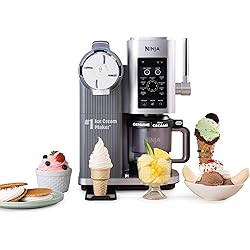
Ninja CREAMi Scoop & Swirl Ice Cream and Soft Serve Maker, Sorbet, Milkshake, Frozen Yogurt, Low Calories Program & More, 13-in-1, Soft Serve Handle & (2) CREAMi 2-in-1 16oz Pints, NC701
$279.95 (as of December 20, 2025 09:13 GMT +00:00 - More infoProduct prices and availability are accurate as of the date/time indicated and are subject to change. Any price and availability information displayed on [relevant Amazon Site(s), as applicable] at the time of purchase will apply to the purchase of this product.)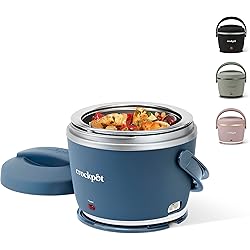
Crock-Pot 20-Ounce Electric Lunch Box, Portable Food Warmer, Faded Blue, Perfect for Travel, Car, On-the-Go, Keeps Food Warm, Spill-Free, Dishwasher-Safe, Ideal Gift for Men and Women
$29.99 (as of December 20, 2025 09:13 GMT +00:00 - More infoProduct prices and availability are accurate as of the date/time indicated and are subject to change. Any price and availability information displayed on [relevant Amazon Site(s), as applicable] at the time of purchase will apply to the purchase of this product.)
BrüMate Era 40 oz Tumbler with Handle and Straw | 100% Leakproof Insulated Water Bottle Tumbler with Lid and Flexible SoftSip Straw | Made of Stainless Steel | Cup Holder Friendly | 40oz (Mocha)
$44.99 (as of December 20, 2025 09:13 GMT +00:00 - More infoProduct prices and availability are accurate as of the date/time indicated and are subject to change. Any price and availability information displayed on [relevant Amazon Site(s), as applicable] at the time of purchase will apply to the purchase of this product.)
STANLEY Quencher ProTour Flip Straw Tumbler with Leakproof Lid | Built-In Straw & Handle | Cupholder Compatible for Travel | Insulated Stainless Steel Cup | BPA-Free
$26.25 (as of December 20, 2025 09:13 GMT +00:00 - More infoProduct prices and availability are accurate as of the date/time indicated and are subject to change. Any price and availability information displayed on [relevant Amazon Site(s), as applicable] at the time of purchase will apply to the purchase of this product.)