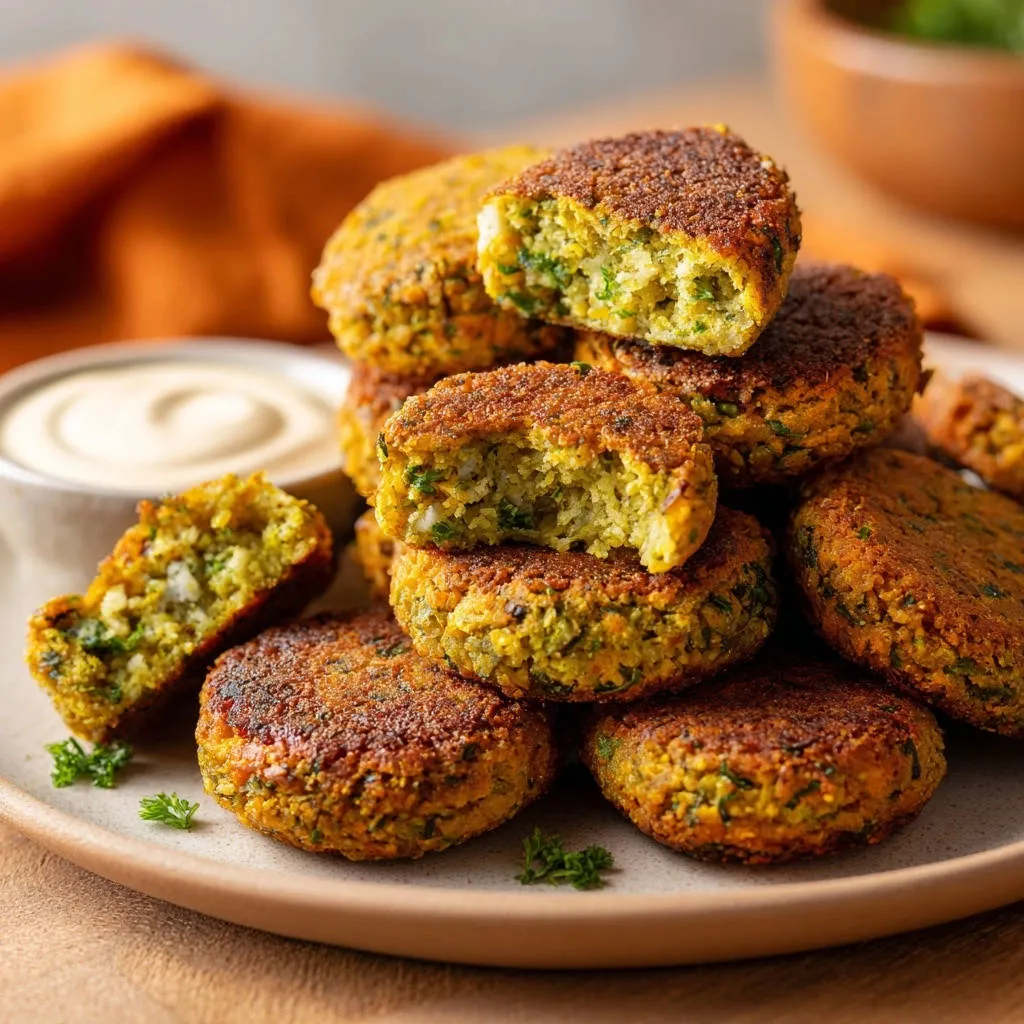
There’s nothing quite as satisfying as biting into a perfectly crisp falafel, but achieving that ideal texture at home can feel like a culinary challenge. I’ve spent years perfecting this recipe, finally cracking the code to make Crispy Homemade Falafel that consistently holds its shape and delivers that irresistible crunch. Forget crumbly, greasy patties; this method guarantees beautifully formed falafel with an amazing crispy crust, every single time.
Why This Crispy Homemade Falafel Recipe Is Your New Go-To
This recipe transforms a notoriously tricky dish into a simple, rewarding kitchen adventure. It’s designed to eliminate common falafel frustrations, ensuring your efforts lead to genuinely exceptional results.
Say Goodbye to Crumbly Falafel: Our No-Fail Method
The secret to resilient falafel lies in careful preparation. We focus on proper chickpea hydration and optimal mixture consistency, ensuring your falafel patties stay intact even in hot oil.
This recipe integrates crucial steps like thorough draining and chilling, building stability from the ground up. You’ll experience the joy of falafel that holds together beautifully, batch after delicious batch.
Achieve Crispy Perfection, Every Single Time
The hallmark of truly great falafel is its golden, crunchy exterior. We guide you through achieving that coveted crispy crust without overcooking the tender interior.
Perfect oil temperature and thoughtful frying techniques are central to this recipe. The result is consistently crispy homemade falafel that rivals your favorite take-out.

Simple Steps for Stunning Results at Home
Don’t let the thought of making falafel from scratch intimidate you. This recipe breaks down the process into clear, manageable steps designed for the home cook.
We simplify each stage, from preparing the chickpeas to shaping and frying. You’ll find it’s much simpler than you think to achieve falafel perfection with stunning results.
The Heart of the Matter: Essential Crispy Falafel Ingredients
Every ingredient plays a vital role in the flavor, texture, and stability of your falafel. Understanding their purpose elevates your cooking from following instructions to mastering the craft.
The Foundation: Dried Chickpeas and Fresh Herbs
Dried Chickpeas: Using dried chickpeas, soaked overnight, is non-negotiable for authentic falafel. Unlike canned, they provide the ideal firm texture and absorb less moisture, preventing a mushy mix.
Fresh Parsley and Cilantro: These vibrant herbs are the backbone of falafel’s signature flavor and color. Use generous amounts of fresh, roughly chopped herbs for maximum impact.
Flavor Boosters: Onion, Garlic & Warming Spices
Onion and Garlic: Roughly chopped onion and garlic infuse the mixture with essential aromatic depth. They are crucial for that savory, slightly pungent falafel taste.
Cumin and Coriander: Ground cumin and coriander are the quintessential Middle Eastern spices for falafel. Their warm, earthy notes are absolutely necessary for an authentic flavor profile.
The Secret Stabilizer: Baking Powder
A touch of baking powder is our secret weapon for light and airy falafel. It helps the patties expand slightly and contributes to that desirable crispy texture, ensuring they aren’t dense.
For the Creamy Tahini Dipping Sauce: A Perfect Pairing
Tahini, Lemon, Water, Garlic, Salt: This simple yet essential sauce perfectly complements the rich falafel. The creamy, tangy tahini sauce cuts through the fried richness and offers a bright counterpoint.
Fresh lemon juice provides acidity, while cold water helps achieve the perfect creamy consistency. A hint of minced garlic adds another layer of flavor to this indispensable accompaniment.
Essential Tools for Your Falafel-Making Journey
Having the right equipment makes the falafel-making process smooth and enjoyable. These essential tools ensure efficiency and help achieve the best results.
Food Processor: Indispensable for quickly and evenly grinding the chickpea mixture to the perfect texture. It saves time and muscle compared to hand-chopping.
Large, Heavy-Bottomed Skillet or Dutch Oven: Essential for maintaining a consistent oil temperature during frying, which is crucial for crispy falafel. Cast iron works exceptionally well.
Slotted Spoon or Spider Skimmer: For safely lowering and removing falafel from hot oil. It allows excess oil to drain away quickly.
Candy Thermometer or Digital Thermometer: Critical for accurately monitoring and maintaining the oil temperature. This is key to preventing soggy or burnt falafel.
Paper Towels: For lining a plate to absorb excess oil after frying, ensuring your falafel stay perfectly crispy and non-greasy.
Your Step-by-Step Guide to Crispy Homemade Falafel Perfection
- Prepare Chickpeas: Thoroughly Drain and Dry
After soaking overnight, drain your chickpeas absolutely thoroughly. It’s crucial they are as dry as possible; excess moisture is the enemy of a firm falafel mixture. Pat them dry with paper towels to remove any lingering surface water.
- Combine Ingredients in the Food Processor
Add the well-drained chickpeas, fresh parsley, cilantro, roughly chopped onion, and garlic to your food processor. Follow with the ground cumin, coriander, baking powder, salt, and black pepper.
- Process to the Perfect Texture: Crumbly, Not Pastry-Like
Pulse the mixture until it is finely ground but still retains some discernible texture. It should resemble a coarse, crumbly meal, not a smooth paste. Over-processing can release too much starch and lead to a mushy consistency that crumbles easily during frying.
Stop periodically to scrape down the sides of the food processor bowl. This ensures all ingredients are evenly incorporated and processed to the correct consistency.
- The Crucial Chill: Firming Up for Frying
Transfer the falafel mixture to a bowl, cover it tightly, and refrigerate for a minimum of 30 minutes, or up to 2 hours. This chilling step is absolutely critical, as it firms up the mixture significantly, making it much more stable and less prone to falling apart in the hot oil.
- Shape Your Perfect Falafel Patties
Using a small spoon or a falafel scoop, form the chilled mixture into small, flattened patties. Aim for about 1.5 to 2 inches in diameter and roughly 1/2 inch thick.
Press them gently but firmly to ensure they are compact and hold their shape well. A compact patty is less likely to break apart during cooking.
- Mastering the Fry: Optimal Oil Temperature and Technique
In a large, heavy-bottomed skillet or Dutch oven, heat about 2 inches of vegetable oil over medium-high heat. Use a thermometer to ensure the oil reaches approximately 350°F (175°C).
The correct oil temperature is vital for immediate crust formation; oil that is too cool will cause the falafel to absorb too much oil and become soggy, potentially crumbling. Carefully lower a few falafel patties into the hot oil, making sure not to overcrowd the pan, as this lowers the oil temperature.
Fry for 3-4 minutes per side, or until each falafel is deeply golden brown and beautifully crispy on the outside. Consistent heat is key for even cooking and a perfect texture.
- Drain and Serve: Finishing Touches
Once fried to perfection, remove the Crispy Homemade Falafel from the oil using a slotted spoon. Immediately transfer them to a plate lined with paper towels to drain any excess oil, ensuring they remain wonderfully crisp.
- Whipping Up the Zesty Tahini Dipping Sauce
While the falafel are frying, prepare your tahini dipping sauce. In a small bowl, whisk together the tahini, fresh lemon juice, cold water, minced garlic (if using), and a pinch of salt until smooth and creamy. Add more cold water a teaspoon at a time if you prefer a thinner consistency. Serve the hot falafel immediately with this refreshing sauce.
Chef’s Secrets: Elevate Your Crispy Homemade Falafel Game
Unlock the full potential of your falafel with these expert tips, ensuring every batch is a resounding success. These small adjustments make a significant difference.
Don’t Skip the Soak (And Dry!): Using dried chickpeas that have been soaked (not canned) is fundamental for the right texture and prevents a watery falafel mixture. Thoroughly draining and patting them dry is equally crucial to prevent excess moisture from compromising stability.
The Power of Proper Processing: Aim for a coarse, crumbly meal, not a smooth paste. Over-processing releases too much moisture and starch, making your falafel dense and prone to falling apart during frying.
Why Chilling Makes All the Difference: Refrigerating the mixture for at least 30 minutes allows the flavors to meld beautifully. More importantly, it firms up the mixture, providing essential stability that prevents disintegration when frying.
The Golden Rule of Oil Temperature: Maintain a consistent 350°F (175°C) oil temperature. Oil that’s too cool will lead to greasy, soggy falafel, while oil that’s too hot can burn the outside before the inside is cooked through.
Patience with Pan Crowding: Always fry in small batches. Overcrowding the pan significantly drops the oil temperature, leading to uneven cooking and a less crispy, often greasy, result.
Seasoning and Flavor Variations: Feel free to adjust the spices to your preference. A pinch of cayenne pepper can add a subtle kick, or a touch of sumac can introduce a delightful tangy note to your falafel patties.
Troubleshooting Common Falafel Fails
Even seasoned cooks encounter challenges. Here’s how to diagnose and fix common falafel problems, ensuring your journey to perfect Crispy Homemade Falafel is smooth.
Why Are My Falafel Falling Apart in the Oil?
This is a common issue often stemming from too much moisture in the mixture. Ensure your chickpeas are thoroughly drained and patted dry before processing.
Another culprit can be insufficient chilling; the refrigeration step is critical for firming up the mixture. Lastly, oil that’s too cool won’t immediately form a crust, causing the falafel to absorb oil and disintegrate.
My Falafel Are Soggy, Not Crispy! What Went Wrong?
Soggy falafel typically points to incorrect oil temperature or overcrowding. If the oil isn’t hot enough (below 350°F/175°C), the falafel will absorb too much oil instead of crisping.
Overcrowding the pan also drops the oil temperature, leading to a greasy, soft exterior. Always fry in batches and ensure adequate draining on paper towels immediately after cooking.
The Mixture is Too Dry/Wet: How to Fix It
If your falafel mixture feels too dry and won’t hold its shape, try adding a teaspoon of cold water at a time and re-pulsing until it just comes together. Be very careful not to add too much.
If the mixture is too wet, which is more common, add a tablespoon of chickpea flour or all-purpose flour. This will help bind the mixture without significantly altering the flavor. Process briefly to incorporate.
Beyond the Plate: Creative Ways to Enjoy Your Crispy Falafel
While delicious on their own, Crispy Homemade Falafel are incredibly versatile. Explore these ideas to incorporate them into various meals and customize the experience.
Classic Pairings and Fresh Toppings
Traditionally, falafel are served hot in warm pita bread with a generous drizzle of tahini sauce. Add crisp lettuce, chopped tomatoes, cucumbers, and pickled turnips for a refreshing bite.
Other popular toppings include a spicy chili sauce, fresh mint, or a sprinkle of sumac. A simple side of hummus also makes for a delightful and classic combination.
Making it a Meal: Wraps, Bowls, and Salads
Transform your falafel into a hearty meal. Create a falafel wrap using large tortillas or lavash bread, loaded with all your favorite fresh ingredients and a rich tahini drizzle.
For a lighter option, build a vibrant falafel bowl with quinoa or rice, an array of roasted vegetables, and a lemon-herb dressing. They also make an excellent protein addition to any green salad, providing satisfying texture and flavor.
Flavor Twists and Dietary Adaptations
Experiment with additional herbs like dill or marjoram for a different aromatic profile. A pinch of smoked paprika can add a subtle smokiness, or incorporate a tiny amount of finely chopped preserved lemon for a tangy, salty kick.
For a gluten-free option, traditional falafel are naturally gluten-free as they’re made from chickpeas. Ensure any flour added for consistency is also gluten-free.
Planning Ahead: Storing and Reheating Your Falafel
Making falafel can be a bit of a project, so knowing how to prepare and store them efficiently is incredibly helpful. These tips ensure you can enjoy your efforts for days.
Can You Make Falafel Mixture Ahead of Time?
Yes, the raw falafel mixture is perfect for making ahead. Store it in an airtight container in the refrigerator for up to 2 days. This allows the flavors to meld even further and ensures the mixture is perfectly firm for frying.
If freezing, shape the patties first, then freeze them on a baking sheet until solid. Transfer to a freezer bag and store for up to 3 months. Fry directly from frozen, adding a few extra minutes to the cooking time.
Best Practices for Storing Cooked Falafel
Store leftover cooked falafel in an airtight container in the refrigerator for up to 3-4 days. While they lose some crispness upon cooling, proper reheating can bring back much of their original texture.
Reheating for Maximum Crispness
To restore their crispy exterior, reheat cooked falafel in an air fryer at 350°F (175°C) for 5-7 minutes, or in an oven at 375°F (190°C) for 10-15 minutes. This method ensures they become delightfully crisp again, far superior to microwave reheating.
Your Crispy Homemade Falafel Questions, Answered
Here are clear answers to some of the most frequently asked questions about making delicious falafel at home.
Do I have to use dried chickpeas for falafel?
For the best texture and authentic flavor, yes, dried chickpeas are highly recommended. Canned chickpeas often result in a mushier mixture that is harder to bind and doesn’t achieve the same crispy exterior or fluffy interior. The soaking process for dried chickpeas is crucial.
Can I bake or air fry falafel instead of frying?
You absolutely can, though the texture will be different. Baking or air frying results in a healthier, less greasy falafel that is still delicious but less intensely crispy than deep-fried versions. Bake at 375°F (190°C) for 20-25 minutes, flipping halfway, or air fry at 375°F (190°C) for 15-20 minutes, shaking the basket occasionally, until golden brown.
Is falafel gluten-free?
Traditional falafel, made from chickpeas, herbs, and spices, is naturally gluten-free. However, always double-check if any binding agents like flour are added, or if there’s a risk of cross-contamination in commercial settings if you have severe gluten sensitivities. This recipe is inherently gluten-free.
What other sauces go well with falafel?
Beyond the classic tahini sauce, falafel pairs wonderfully with a variety of other condiments. Try a zesty yogurt-dill sauce, a spicy shatta (Middle Eastern chili sauce), a refreshing cucumber raita, or even a simple garlic aioli. Hummus is also a fantastic accompaniment, offering a complementary flavor and texture.
Ready to Dive In? Share Your Crispy Falafel Creations!
You now have all the tools and knowledge to create truly exceptional Crispy Homemade Falafel right in your own kitchen. This recipe simplifies the process, ensuring your falafel hold together perfectly and deliver that incredible, satisfying crunch.
Experience the joy of biting into a perfectly golden, herbaceous falafel, knowing you mastered it yourself. We encourage you to try this recipe, share your delicious results with loved ones, and tag us in your culinary adventures!

Crispy Homemade Falafel
Course: Main CourseCuisine: Mediterranean cuisineDifficulty: easy4
30-40 falafel1
hour30
minutes60
minutesMediterranean cuisine
Ingredients
2 cups dried chickpeas, soaked overnight
1 cup fresh parsley, roughly chopped
1/2 cup fresh cilantro, roughly chopped
1/2 medium onion, roughly chopped
3 cloves garlic, roughly chopped
1 teaspoon ground cumin
1 teaspoon ground coriander
1/2 teaspoon baking powder
1 teaspoon salt
1/4 teaspoon black pepper
Vegetable oil, for frying
For the Tahini Dipping Sauce:
1/2 cup tahini
1/4 cup fresh lemon juice
1/4 cup cold water
1 small clove garlic, minced (optional)
Pinch of salt
Directions
- Prepare Chickpeas: Drain the soaked chickpeas thoroughly. It’s crucial they are as dry as possible to prevent a loose mixture. Pat them dry with a paper towel.
- Combine Ingredients: In a food processor, combine the drained chickpeas, parsley, cilantro, onion, garlic, cumin, coriander, baking powder, salt, and pepper.
- Process to Texture: Pulse the mixture until it’s finely ground but still has some texture. It should not be a smooth paste, but rather a crumbly meal that holds together when pressed. Scrape down the sides as needed to ensure even processing. Over-processing can lead to a mushy consistency that crumbles easily.
- Chill the Mixture: Transfer the falafel mixture to a bowl, cover, and refrigerate for at least 30 minutes, or up to 2 hours. This step is critical as chilling firms up the mixture, making it much more stable and less likely to fall apart during frying.
- Shape Falafel: Using a spoon or a small scoop, form the mixture into small, flattened patties about 1.5 to 2 inches in diameter and 1/2 inch thick. Press them gently but firmly to ensure they are compact and hold their shape well.
- Heat Oil: In a large, heavy-bottomed skillet or Dutch oven, heat about 2 inches of vegetable oil over medium-high heat until it reaches approximately 350F (175C). The correct oil temperature is vital for immediate crust formation; oil that is too cool will cause the falafel to absorb too much oil and potentially crumble.
- Fry Falafel: Carefully lower a few falafel patties into the hot oil, making sure not to overcrowd the pan. Fry for 3-4 minutes per side, or until they are deeply golden brown and crispy on the outside.
- Drain: Remove the fried falafel with a slotted spoon and place them on a plate lined with paper towels to drain any excess oil.
- Make Dipping Sauce: While the falafel are frying, whisk together tahini, fresh lemon juice, cold water, minced garlic (if using), and salt in a small bowl until smooth. Add more water a teaspoon at a time if you prefer a thinner consistency.
- Serve: Serve the hot falafel immediately with the tahini dipping sauce.
Notes
- Ensure chickpeas are very dry and chilling the mixture is critical for stability. Maintain oil temperature at 350F (175C) for best results.