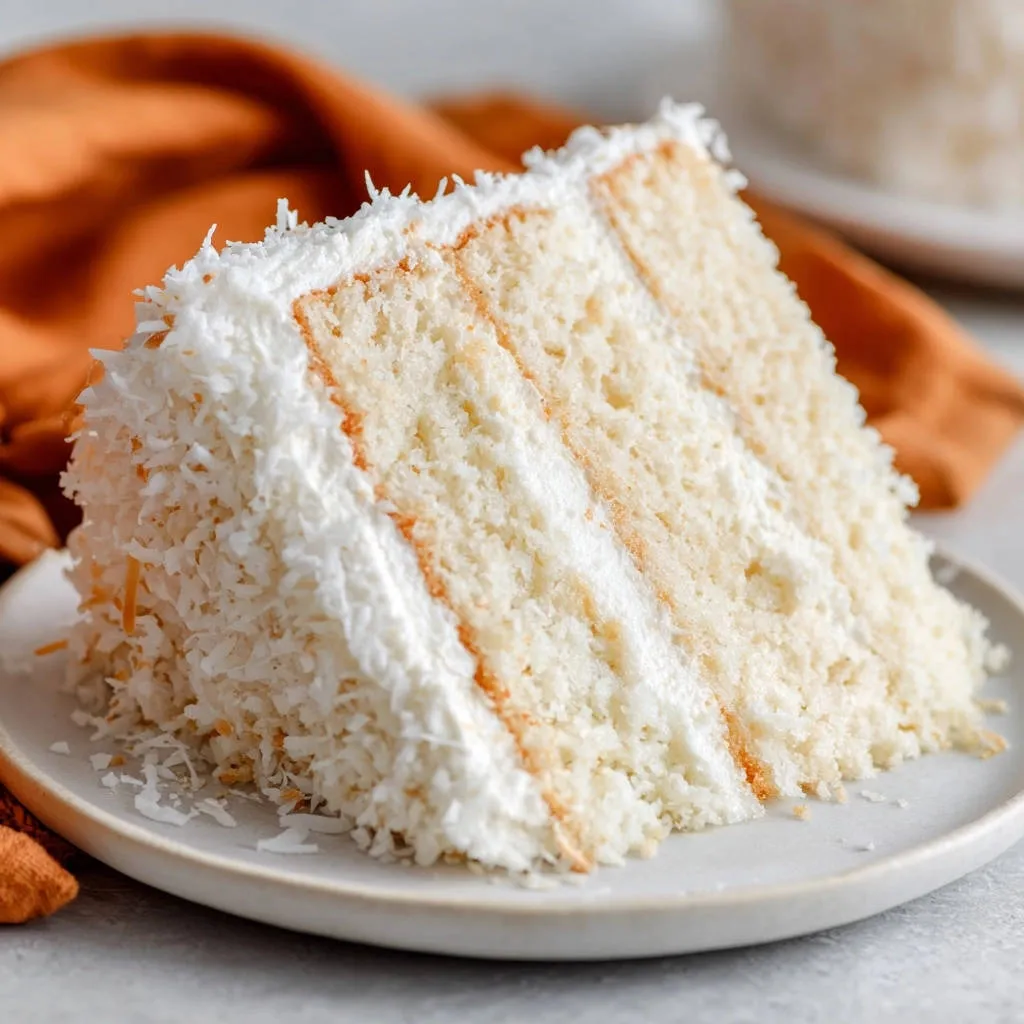
The quest for a truly light and airy cake can often feel like chasing a culinary unicorn, especially with layer cakes. I’ve certainly had my share of dense disappointments, but my journey led me to crack the code on the ultimate Fluffy Coconut Layer Cake. This recipe guarantees that tender, cloud-like crumb every single time, transforming a common baking frustration into pure joy.
Unlocking the Cloud-Like Crumb: What Makes This Fluffy Coconut Layer Cake Special?
This recipe isn’t just another coconut cake; it’s a meticulously crafted guide to ensure supreme lightness and an unforgettable tropical flavor. Every step is designed to build a cake that is moist, tender, and irresistibly fluffy.
The “Never Dense” Promise: Your Guide to Consistent Fluffiness
Many cakes fall flat, but this recipe employs specific techniques to ensure a consistently light, airy texture. We focus on proper creaming and gentle mixing, which are the keys to avoiding a dense, heavy crumb.
You’ll learn how to incorporate just the right amount of air and stop mixing at the perfect moment, guaranteeing fluffy layers every single time.
Effortless Elegance: Simple Steps, Stunning Results
Despite its impressive appearance, this Fluffy Coconut Layer Cake is surprisingly straightforward to prepare. The instructions are clear, concise, and broken down to be easily followed by bakers of all skill levels.
You’ll confidently create a dessert that looks professionally made, perfect for any special occasion or a delightful everyday treat.
Irresistible Tropical Flavor: Beyond Basic Coconut
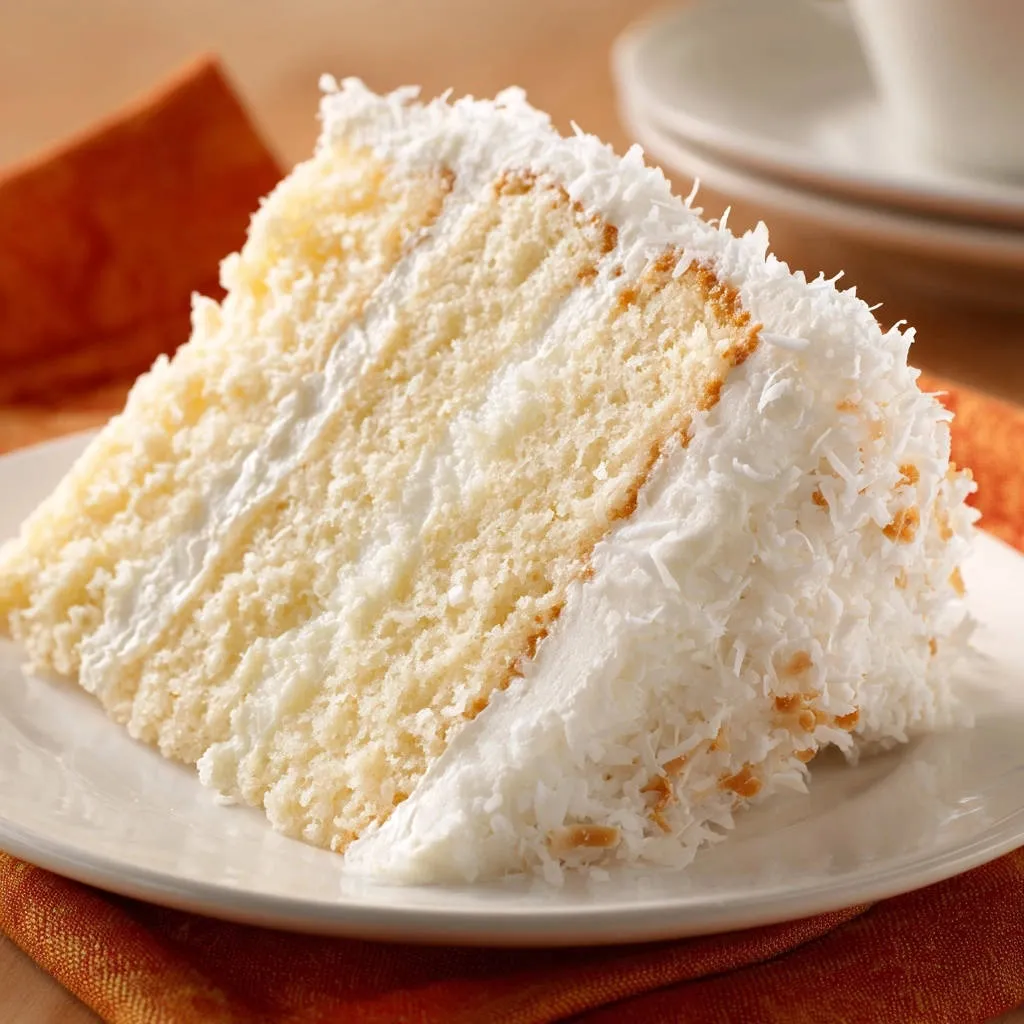
The secret to the intensely authentic coconut flavor lies in using full-fat coconut milk in both the cake batter and the rich, velvety buttercream. This choice infuses every bite with a deep, natural sweetness.
Paired with pure vanilla extract, the flavor profile is vibrant and truly tropical, setting this cake apart from others.
Crafting the Perfect Layers: Essential Ingredients for Your Fluffy Coconut Cake
The quality and preparation of your ingredients are paramount to achieving the signature fluffiness and rich flavor of this cake.
For the Tender Coconut Cake Base
All-Purpose Flour: Provides the necessary structure for the cake. Accurate measurement is crucial for the perfect crumb.
Baking Powder & Salt: Baking powder is the primary leavening agent, ensuring a proper rise. Salt balances the sweetness and enhances all the flavors.
Unsalted Butter (softened): Creaming softened butter with sugar creates air pockets essential for lightness. Using unsalted butter allows you to control the overall salt content.
Granulated Sugar: Sweetens the cake and helps tenderize the crumb. It also aids in creating those vital air pockets during the creaming process.
Large Eggs (room temperature): Room temperature eggs emulsify better with the butter and sugar, leading to a smoother, more uniform batter.
Pure Vanilla Extract: A classic flavor enhancer that complements the coconut beautifully.
Full-Fat Coconut Milk (room temperature): This is the star for moisture and intense coconut flavor. Room temperature helps it blend seamlessly into the batter without seizing the butter.
For the Velvety Coconut Buttercream
Unsalted Butter (softened): Forms the rich, creamy base of the frosting. Softened butter whips up beautifully light and airy.
Powdered Sugar (sifted): Provides sweetness and body to the buttercream. Sifting is non-negotiable for a smooth, lump-free texture.
Full-Fat Coconut Milk: Adds a delicate coconut flavor and helps achieve the perfect creamy consistency for the frosting.
Pure Vanilla Extract & Pinch of Salt: Enhance the overall flavor and balance the sweetness of the buttercream.
The Finishing Touch: Shredded Coconut Decoration
Shredded Sweetened Coconut: This not only provides a beautiful, classic aesthetic but also adds an extra layer of coconut flavor and delightful chewiness to every slice.
Essential Tools for Your Fluffy Coconut Layer Cake Adventure
Electric Mixer: Essential for creaming butter and sugar, and whipping the buttercream to that light, airy texture.
Round Cake Pans (8-inch): The foundation for perfectly shaped, evenly baked layers. Using two pans allows for quicker baking and cooling.
Wire Cooling Rack: Crucial for even cooling and preventing the bottoms of your cakes from becoming soggy from trapped steam.
Large Mixing Bowls & Whisk: For combining ingredients efficiently and separately preparing wet and dry mixtures.
Measuring Cups and Spoons: Accuracy is absolutely key in baking for consistent results.
Sifter: For powdered sugar, ensuring a smooth, lump-free buttercream that pipes and spreads beautifully.
Your Path to Fluffy Coconut Layer Cake Perfection: A Detailed Guide
Preparing for Success: Pans & Dry Mix
Preheat your oven to 350°F (175°C) and prepare two 8-inch round cake pans by greasing and flouring them thoroughly. This ensures everything is ready when your batter is, preventing your leavening agents from losing their potency while you prep.
In a medium bowl, whisk together the all-purpose flour, baking powder, and salt until well combined. This distributes the leavening evenly, crucial for a consistent rise throughout your Fluffy Coconut Layer Cake.
The Magic of Mixing: Achieving Air and Lightness (The Crucial Creaming Step!)
In a large bowl, use an electric mixer to cream together the softened butter and granulated sugar on medium speed until the mixture is light, pale, and incredibly fluffy, about 3-5 minutes. This step is fundamental for incorporating a significant amount of air into your cake, directly contributing to its signature “fluffy” texture.
Add the large eggs one at a time, beating well after each addition until fully incorporated before adding the next. This ensures proper emulsification, preventing a curdled batter and leading to a smoother, more stable cake.
Finally, stir in the pure vanilla extract. It enhances the overall flavor profile of your coconut cake, adding depth and warmth.
Alternating Wet & Dry: The Secret to a Tender Crumb
With the mixer on low speed, gradually add about one-third of the dry ingredients to the butter mixture, mixing just until combined. Then, slowly pour in half of the full-fat coconut milk, mixing until just incorporated.
Repeat this process with another third of the dry ingredients, the remaining coconut milk, and finally the last third of the dry ingredients. The key to a fluffy cake is to mix the batter only until the ingredients are just combined.
CRITICAL TIP: Stop mixing as soon as you no longer see streaks of flour. Overmixing develops gluten, which is the primary cause of a tough, dense cake. Err on the side of slightly undermixing.
Baking to Golden Perfection
Divide the batter evenly between the two prepared cake pans. Even distribution ensures that both layers bake consistently and finish at the same time.
Bake for 30-35 minutes, or until a wooden skewer inserted into the center of the cakes comes out clean. A clean skewer indicates the cake is fully cooked through.
Cooling & Crafting the Silky Buttercream
Let the cakes cool in the pans on a wire rack for 10-15 minutes before carefully inverting them directly onto the wire rack to cool completely. Impatience here can lead to a crumbly, messy cake when you attempt to frost it.
While the cakes cool, prepare the buttercream: In a large bowl, beat the softened butter with an electric mixer until creamy. Gradually add the sifted powdered sugar, one cup at a time, beating until smooth after each addition. Sifting is vital for a smooth, lump-free buttercream.
Add the coconut milk, vanilla extract, and salt to the buttercream. Beat on medium-high speed for 3-5 minutes, until the frosting is light, wonderfully fluffy, and easily spreadable. This incorporates air, making it perfect for frosting your Fluffy Coconut Layer Cake.
Assembling Your Masterpiece
Once the cakes are completely cool, place one cake layer on a serving plate or cake stand. Spread about one-third of the buttercream evenly over the top. Carefully place the second cake layer on top, aligning it as best you can.
Frost the top and sides of the entire cake with the remaining buttercream, aiming for an even, smooth finish. Don’t worry about perfection; rustic charm is always beautiful!
The Final Flourish: Decorating & Chilling
Gently press the shredded sweetened coconut onto the sides and top of the cake, covering it completely. This adds both visual appeal and a delightful textural contrast.
For best results, chill the cake for at least 30 minutes before slicing. Chilling firms up the buttercream, allowing for cleaner cuts and a more stable cake that holds its shape beautifully when served.
Chef’s Secrets: Elevate Your Fluffy Coconut Layer Cake Game
These crucial tips will ensure your coconut cake is always light, tender, and a true showstopper.
Mastering the Mixer: Creaming for Maximum Air
Do not rush the creaming of butter and sugar. This vital step creates millions of tiny air pockets that expand during baking, contributing significantly to your cake’s lightness. Aim for a pale, fluffy consistency, about 3-5 minutes of beating.
The Overmixing Foe: Why Less is More for Fluffiness
Once flour is introduced, mix only until just combined, stopping as soon as no dry streaks remain. Overdeveloping gluten leads to a tough, dense cake. Err on the side of slightly undermixing rather than overmixing to preserve that tender crumb.
Room Temperature Ingredients: A Non-Negotiable Step
Ensure your butter, eggs, and coconut milk are at room temperature before you begin. This allows them to emulsify properly, creating a smoother, more uniform batter that holds air better, directly contributing to the cake’s fluffy texture.
Cooling Patience: A Must for Perfect Frosting
Always ensure your cake layers are completely cool before attempting to frost them. Even slight warmth will melt your buttercream, leading to a messy, unstable cake and a frustrating decorating experience.
Optimal Chilling for Slicing Perfection
Chilling the frosted cake for at least 30 minutes before slicing firms up the buttercream, allowing for clean, beautiful slices without squishing the cake layers. This small step makes a huge difference in presentation.
Troubleshooting Your Fluffy Coconut Layer Cake: Common Questions Answered
Why is My Coconut Cake Dense?
The most common culprit is overmixing the batter after adding flour. Ensure you mix just until no streaks of flour remain; developing too much gluten makes the cake tough. Cold ingredients can also contribute to density, so always use room temperature butter, eggs, and coconut milk.
Why is My Coconut Buttercream Soupy or Too Stiff?
Soupy buttercream usually means your butter was too soft, or you added too much liquid (coconut milk). If it’s too soft, try chilling it briefly, then re-whipping. For a stiff buttercream, you might need to add a touch more coconut milk, one teaspoon at a time, until it reaches the desired spreadable consistency.
My Cake Crumbles When Slicing, What Went Wrong?
This often happens if the cake hasn’t cooled completely before frosting or wasn’t chilled after frosting. Chilling helps the buttercream set and stabilizes the cake layers, making for much cleaner cuts. An overbaked cake can also be dry and crumbly.
Fluffy Coconut Layer Cake FAQs: Your Top Questions Answered
Can I Make This Fluffy Coconut Layer Cake Ahead of Time?
Yes, you absolutely can! The cake layers can be baked a day or two in advance. Once completely cooled, wrap them tightly in plastic wrap and store them at room temperature. The buttercream can also be made a day ahead and refrigerated in an airtight container; just bring it to room temperature and re-whip briefly before use.
How Should I Store Leftover Coconut Cake?
Store any leftover Fluffy Coconut Layer Cake in an airtight container at room temperature for up to 2-3 days. For extended freshness, it can be refrigerated for up to 5 days. For best flavor and texture, allow refrigerated cake to come to room temperature before serving.
Can I Substitute the Coconut Milk in This Recipe?
While full-fat coconut milk is key for the distinct flavor and richness of this recipe, you could substitute with whole milk or buttermilk in the cake for a slightly different result. However, for the authentic flavor and texture of this Fluffy Coconut Layer Cake, sticking to coconut milk is highly recommended, especially for the buttercream. If you’re a fan of coconut in other forms, you might also enjoy our easy coconut bars for another delightful treat.
Is it Possible to Make This Coconut Cake Gluten-Free?
While this specific recipe uses all-purpose flour, many readers have successfully adapted similar recipes using a 1:1 gluten-free baking flour blend. Be aware that the texture may vary slightly, but the fluffiness can still be achieved. Ensure your chosen blend contains xanthan gum for structure. For those who love to experiment with cake textures, perhaps exploring our guide on achieving a guaranteed fluffy lemon cake might offer additional insights into cake chemistry.
Can I Freeze This Fluffy Coconut Layer Cake?
Yes, both unfrosted cake layers and the frosted cake can be frozen successfully. Wrap unfrosted layers tightly in plastic wrap and then foil to prevent freezer burn. For a frosted cake, freeze uncovered until the buttercream is firm, then wrap tightly in plastic wrap and foil. Thaw in the refrigerator overnight before serving. This extends freshness for up to 2-3 months. For other delightful coconut-infused desserts, you might consider making our irresistibly moist chocolate coconut orange cake for your next gathering.
Serving Suggestions & Perfect Pairings for Your Coconut Cake
Creative Presentation Ideas
A simple dusting of extra shredded coconut or a few tropical fruit slices, such as fresh mango or pineapple, can elevate the visual appeal of your Fluffy Coconut Layer Cake. A fresh sprig of mint also adds a beautiful pop of contrasting color.
What to Serve With Your Tropical Masterpiece
This cake pairs wonderfully with a freshly brewed cup of hot coffee or a refreshing iced tea. For a truly decadent experience, serve it alongside a scoop of vanilla bean ice cream or a light, tangy sorbet to cut through the richness.
Ready to Impress? Share Your Fluffy Coconut Layer Cake Masterpiece!
Now that you’re armed with the secrets to a truly tender and light Fluffy Coconut Layer Cake, it’s time to bring this tropical dream to your kitchen. Say goodbye to dense cakes and hello to cloud-like perfection that will impress everyone.
We’d love to see your beautiful creations! Share your Fluffy Coconut Layer Cake on social media and tag us. Happy baking!
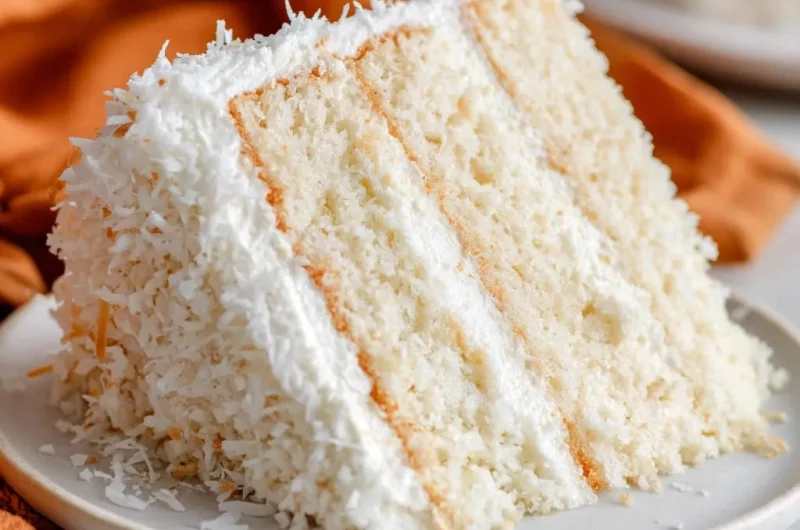
Fluffy Coconut Layer Cake
Course: DessertCuisine: American CuisineDifficulty: easy10
servings30
minutes35
minutes120
minutesAmerican Cuisine
Ingredients
For the Cake:
2 ½ cups all-purpose flour
2 teaspoons baking powder
½ teaspoon salt
1 cup (2 sticks) unsalted butter, softened to room temperature
2 cups granulated sugar
4 large eggs, at room temperature
1 teaspoon pure vanilla extract
1 cup full-fat coconut milk, at room temperature
For the Coconut Buttercream:
1 cup (2 sticks) unsalted butter, softened to room temperature
4 cups powdered sugar, sifted
¼ cup full-fat coconut milk
1 teaspoon pure vanilla extract
Pinch of salt
2 cups shredded sweetened coconut, for decorating
Directions
- Preheat your oven to 350°F (175°C). Grease and flour two 8-inch round cake pans, tapping out any excess flour.
- In a medium bowl, whisk together the flour, baking powder, and salt. Set aside.
- In a large bowl, using an electric mixer, cream together the softened butter and granulated sugar on medium speed until the mixture is light and fluffy, about 3-5 minutes. This step is crucial for incorporating air.
- Add the eggs one at a time, beating well after each addition until fully incorporated. Stir in the vanilla extract.
- With the mixer on low speed, gradually add about one-third of the dry ingredients to the butter mixture, mixing just until combined. Then, slowly pour in half of the coconut milk, mixing until just incorporated. Repeat with another third of the dry ingredients, the remaining coconut milk, and finally the last third of the dry ingredients. The key to a fluffy cake is to mix the batter only until the ingredients are just combined. Overmixing develops gluten, which can make your cake dense. Stop mixing as soon as you no longer see streaks of flour.
- Divide the batter evenly between the two prepared cake pans.
- Bake for 30-35 minutes, or until a wooden skewer inserted into the center of the cakes comes out clean.
- Let the cakes cool in the pans on a wire rack for 10-15 minutes before carefully inverting them onto the wire rack to cool completely. Ensure they are completely cool before frosting.
- While the cakes cool, prepare the buttercream: In a large bowl, beat the softened butter with an electric mixer until creamy. Gradually add the sifted powdered sugar, one cup at a time, beating until smooth after each addition.
- Add the coconut milk, vanilla extract, and salt to the buttercream. Beat on medium-high speed for 3-5 minutes, until the frosting is light, fluffy, and spreadable.
- Once the cakes are completely cool, place one cake layer on a serving plate or cake stand. Spread about one-third of the buttercream evenly over the top. Carefully place the second cake layer on top.
- Frost the top and sides of the entire cake with the remaining buttercream.
- Gently press the shredded coconut onto the sides and top of the cake, covering it completely.
- For best results, chill the cake for at least 30 minutes before slicing and serving. Enjoy your perfectly fluffy, tender coconut cake!
Notes
- The key to a fluffy cake is to mix the batter only until just combined. Ensure cakes are completely cool before frosting.