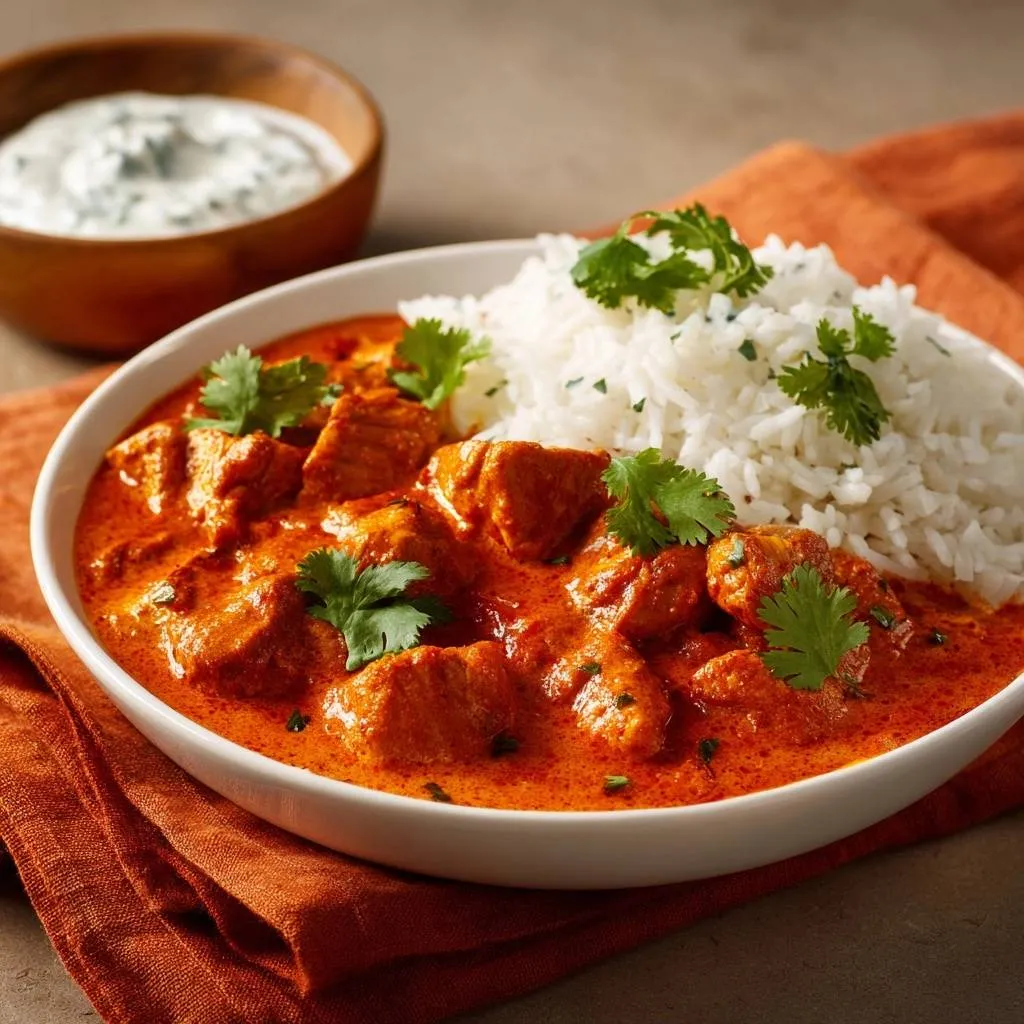
You’ve likely experienced the disappointment of a homemade curry that tastes great but looks like a grainy, separated mess on the plate. While restaurant versions boast a shimmering, orange glow and a texture like liquid silk, home-cooked attempts often turn out thin or curdled. The difference isn’t a secret ingredient; it’s the science of the emulsion.
Authentic Murgh Makhani relies on a specific marriage of fats and acids to create that iconic glossy finish. By mastering the way dairy interacts with tomato acidity, you can achieve a professional-grade sauce that clings perfectly to every piece of chicken. It’s all about controlling the heat and the order of operations to ensure the proteins don’t seize up.
The real trick to avoiding a gritty texture is using a triple-strained tomato base and finishing the dish with cold butter. This technique, borrowed from classic French cooking, stabilizes the sauce at the very last second. You’ll notice the color shift from a dull red to a vibrant, glowing orange as the fats emulsify into the tomato reduction.
The Chemistry of a Smooth Makhani Base
Creating a velvet-smooth sauce requires understanding how acid and fat behave when they meet. Tomato passata provides a concentrated, smooth acidity that serves as the backbone of the dish. However, if you simply boil cream in a highly acidic environment, the proteins in the dairy will clump together, creating that dreaded grainy appearance.
The yogurt in the marinade acts as a primary tenderizer because its lactic acid gently breaks down the lean fibers of the chicken. This ensures the meat stays juicy even after searing. When you eventually add the heavy cream, the high fat content acts as a buffer, preventing the tomato acids from curdling the sauce as it simmers.
Temperature control is your best friend during this process. If the sauce boils too violently after the dairy is added, the emulsion will break, and the oil will separate from the solids. By keeping the heat low and whisking constantly, you encourage the fat molecules to suspend evenly throughout the liquid, resulting in a heavy, luxurious mouthfeel.
Essential Components for Creamy Butter Chicken
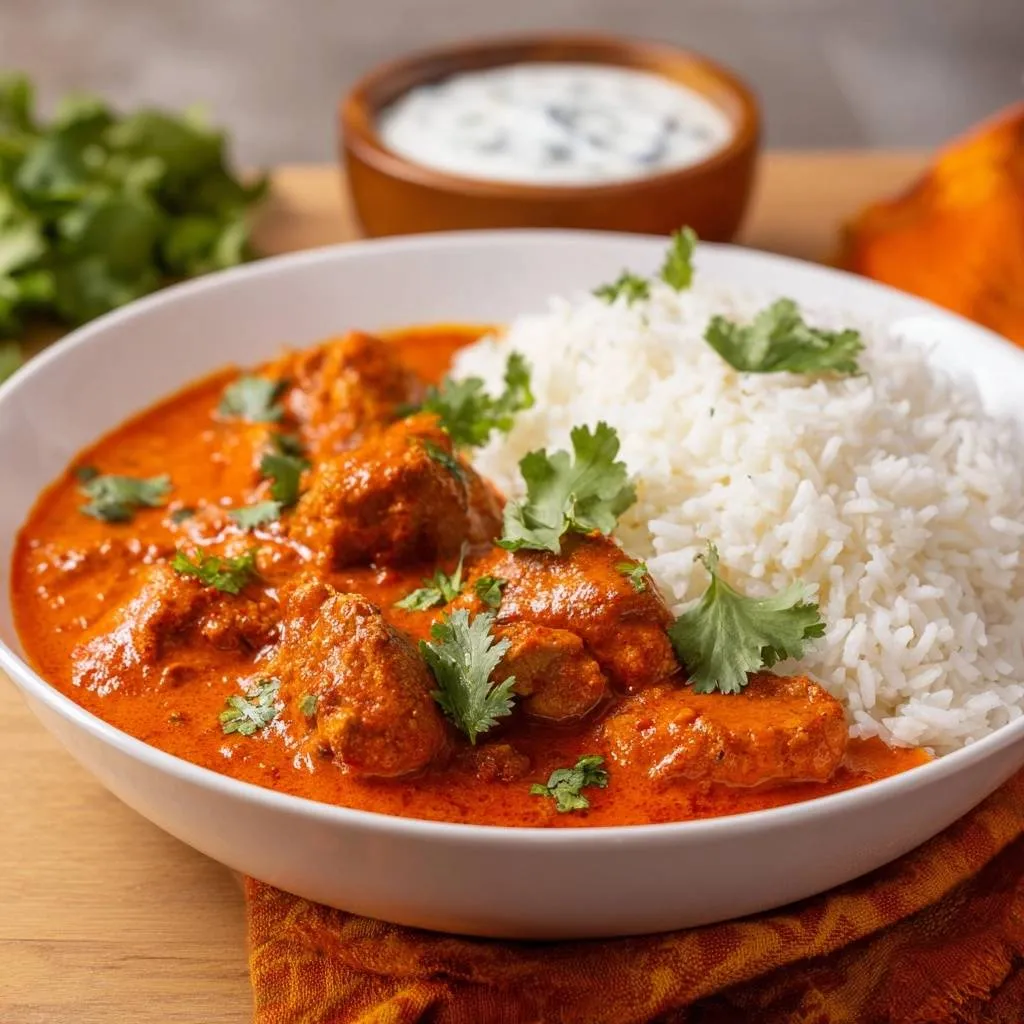
Every ingredient in this recipe serves a functional purpose beyond just adding flavor. I always recommend using boneless, skinless chicken thighs over breasts. Thighs contain more connective tissue and fat, which means they stay succulent and tender during the simmering phase, whereas breasts can easily become dry and stringy.
Kashmiri red chili powder is the “secret” to that famous restaurant color. Unlike standard cayenne or chili flakes, Kashmiri powder is mild in heat but incredibly rich in red pigment. It provides that deep sunset hue without making the dish uncomfortably spicy for the average palate.
Your ginger-garlic paste should ideally be a 50/50 blend of fresh aromatics. This duo provides the aromatic foundation that cuts through the richness of the butter and cream. Finally, don’t skip the Kasuri Methi (dried fenugreek leaves). This herb has a unique, maple-like scent that provides the “savory-sweet” finish characteristic of authentic Indian cuisine.
Selecting the Right Tomato Base
For a “No Grainy Sauce” guarantee, you must use tomato passata. Unlike crushed tomatoes, which contain seeds and skin fragments, or tomato paste, which can be overly metallic, passata is smooth and uniform. If you only have canned whole tomatoes, you’ll need to blend them and pass them through a fine-mesh sieve to achieve the necessary consistency.
The Role of High-Fat Dairy
This is not the time for low-fat substitutions. Full-fat Greek yogurt and heavy cream are non-negotiable because their high fat-to-protein ratio makes them stable under heat. Low-fat versions contain more water and less stabilizing fat, which almost guarantees the sauce will break and look curdled the moment it hits the pan.
Preparing the Spiced Yogurt Marinade
Marination is about more than just flavor; it’s a chemical pre-treatment for the meat. The yogurt’s lactic acid works slowly to soften the chicken’s muscle fibers. While a 10-minute rest will suffice for a quick weeknight meal, letting the chicken sit for a few hours allows the spices to penetrate deeper into the meat.
When you mix the garam masala, turmeric, and chili powder into the yogurt, you’re also blooming the spices. The fats in the yogurt help dissolve the fat-soluble flavor compounds in the spices, ensuring every bite of chicken is seasoned from the inside out. Make sure the chicken is well-coated so it develops a protective layer for the searing process.
Step-by-Step: Searing for Maximum Flavor
To get the best flavor, you need to trigger the Maillard reaction. Heat your ghee until it’s shimmering, then add the chicken pieces in a single layer. You aren’t trying to cook the chicken all the way through yet; you just want a deep, golden-brown crust on the outside.
This searing process leaves behind a “fond”—those little browned bits stuck to the bottom of the pan. These bits are concentrated flavor bombs. When you later add the tomato passata, these bits will deglaze and melt into the sauce, adding a complex, roasted depth that you can’t get from simmering alone.
Building the Emulsified Tomato Gravy
Once the aromatics are fragrant, pour in the passata and sugar. This stage is called “Bhuna,” where you cook the sauce down until the moisture evaporates and the oil begins to separate at the edges. This concentration of flavor is vital for a bold, restaurant-style gravy.
When it’s time to add the reserved marinade, do it slowly. Use a whisk to incorporate the yogurt into the hot tomato base. By whisking vigorously, you’re forcing the yogurt to blend into the sauce before the heat has a chance to curdle the proteins. This is the most critical step for maintaining that smooth, grit-free texture.
The Cold Butter Whisking Technique
To achieve a professional glossy sheen, we use a technique called “Monte au Beurre.” Instead of melting the butter into the sauce at the beginning, you whisk in a tablespoon of cold butter at the very end, after the heat is turned down. The cold butter emulsifies into the sauce rather than just melting into a puddle of oil.
This creates a thick, shimmering finish that coats the back of a spoon. It adds a final layer of richness and helps mellow out the acidity of the tomatoes. You’ll see the sauce transform from a matte finish to a brilliant, reflective gloss right before your eyes.
Troubleshooting Common Sauce Textures
If your sauce feels too thin, don’t panic. Simply remove the chicken so it doesn’t overcook and turn the heat up slightly to reduce the liquid. The sauce will naturally thicken as the water evaporates. Conversely, if the sauce looks “broken” or oily, add a splash of warm water and whisk rapidly to bring the emulsion back together.
If you find the spice level is too aggressive, a small teaspoon of honey or an extra splash of heavy cream can save the day. The sugar and fat will coat your tongue and neutralize the heat of the chilies. Always taste your sauce before the final simmer to ensure the salt and acidity are perfectly balanced.
Traditional Pairings for Murgh Makhani
A rich dish like this needs the right partners. Fluffy basmati rice is the standard choice. To get perfect grains, rinse the rice until the water runs clear to remove excess starch, then steam it with a cardamom pod for extra aroma. The rice acts as a sponge for the luxurious gravy.
A side of raita is also essential. The cooling combination of yogurt and cucumber provides a refreshing contrast to the warm spices and heavy cream of the butter chicken. Finally, always garnish with fresh cilantro. The bright, citrusy notes of the herb cut through the richness and wake up the entire palate.
Make-Ahead Strategies and Storage
Butter chicken is one of those rare dishes that actually tastes better the next day. As it sits in the fridge, the spices continue to bloom and the flavors meld together. It will stay fresh in an airtight container for up to three days.
When reheating, avoid the microwave if possible. Instead, warm it in a saucepan over low heat. If the sauce has thickened too much in the fridge, add a tiny splash of water or milk to loosen it up. Stir gently to prevent the cream from breaking as it returns to temperature.
Expert Tips for Professional Results
- Use a heavy-bottomed skillet or Dutch oven to ensure even heat distribution and prevent the tomato base from scorching.
- Always crush the Kasuri Methi between your palms before adding it to the pan; this friction releases the essential oils and maximizes the aroma.
- If you want an even smoother sauce, you can pass the finished tomato gravy through a sieve before adding the chicken back in.
- Don’t skip the sugar or honey; it is necessary to balance the natural metallic sharpness of the tomatoes.
- Ensure your ginger-garlic paste is fresh; jarred versions often contain vinegar which can alter the final flavor profile.
Frequently Asked Questions
Can I use milk instead of heavy cream?
I don’t recommend using milk for this recipe. Milk has a much lower fat content than heavy cream, which makes it highly unstable when mixed with acidic tomatoes and high heat. It will almost certainly split, leaving you with a watery, curdled sauce. If you need a dairy alternative, full-fat coconut cream is a much better choice as it has the necessary fat to maintain an emulsion.
Why is my butter chicken yellow instead of orange?
A yellow color usually means there is too much turmeric and not enough red chili or tomato reduction. To get that deep orange hue, you need to use Kashmiri red chili powder and ensure you cook the tomato passata down until it darkens significantly before adding the dairy. The transition from red to orange happens when the white cream mixes with the deep red, concentrated tomato base.
How do I make this spicier?
If you want more heat, don’t just add more garam masala, as that can make the dish taste bitter or “dusty.” Instead, slit two or three green chilies lengthwise and sauté them with the ginger-garlic paste. This infuses the oil with a sharp, clean heat that complements the creamy sauce without overpowering the delicate spices.
Is there a substitute for Kasuri Methi?
Kasuri Methi has a very specific flavor profile that is hard to replicate. It tastes earthy, slightly bitter, and sweet like maple syrup. If you absolutely cannot find it, you can add a tiny drop of maple syrup and a pinch of celery salt at the end. However, for the most authentic flavor, it is worth seeking out the dried fenugreek leaves at an Indian grocer.
How do I store leftovers and does it freeze well?
Store your butter chicken in an airtight container in the refrigerator for up to 3 days. While you can freeze it for up to 2 months, be aware that the cream-based sauce may separate slightly upon thawing. To fix this, reheat it slowly on the stove and whisk in a small splash of fresh cream or water to bring the emulsion back together. Do not freeze the rice with the chicken, as the rice will become mushy.
Why was my chicken dry even though it was in sauce?
This usually happens if the chicken was overcooked during the initial searing phase or if it simmered too long in the sauce. Remember that the chicken only needs a quick sear for color; it finishes cooking in the gravy. Using chicken thighs instead of breasts also provides a safety net, as the higher fat content keeps the meat moist even if it simmers a few minutes too long.
Creamy Butter Chicken
Course: Main CourseCuisine: IndianDifficulty: easy4
servings15
minutes25
minutes40
MinutesIndian
Ingredients
1.5 lbs chicken thighs (preferred for juiciness) or breast, cut into 1-inch chunks
1/2 cup plain Greek yogurt (full fat)
2 tablespoons lemon juice
1 tablespoon garam masala
1 teaspoon turmeric
1 teaspoon Kashmiri red chili powder (for the vibrant red-orange color)
3 tablespoons ghee or unsalted butter, divided
1 cup smooth tomato passata (strained tomato puree)
1 tablespoon ginger-garlic paste
1 cup heavy cream
1 teaspoon sugar or honey
1 teaspoon dried fenugreek leaves (Kasuri Methi), crushed
Salt to taste
Fresh cilantro for garnish
Cooked basmati rice and raita for serving
Directions
- In a bowl, whisk together the yogurt, lemon juice, garam masala, turmeric, and chili powder. Toss the chicken in the marinade. Let sit for at least 10 minutes.
- Heat 1 tablespoon of ghee in a large skillet over medium-high heat. Remove chicken from marinade (reserve excess marinade) and sear the chunks until golden brown on all sides. The chicken does not need to be cooked through yet. Remove chicken from the pan and set aside.
- In the same pan, add another tablespoon of ghee. Add the ginger-garlic paste and sauté for 1 minute until fragrant. Pour in the tomato passata and sugar. Simmer for 5-8 minutes on medium heat, stirring frequently, until the sauce darkens and thickens.
- Stir the reserved yogurt marinade into the tomato base. To ensure the “No Grainy Sauce” promise, use a whisk to incorporate it smoothly.
- Return the chicken and any accumulated juices to the pan. Cover and simmer on low heat for 8-10 minutes until the chicken is fully cooked.
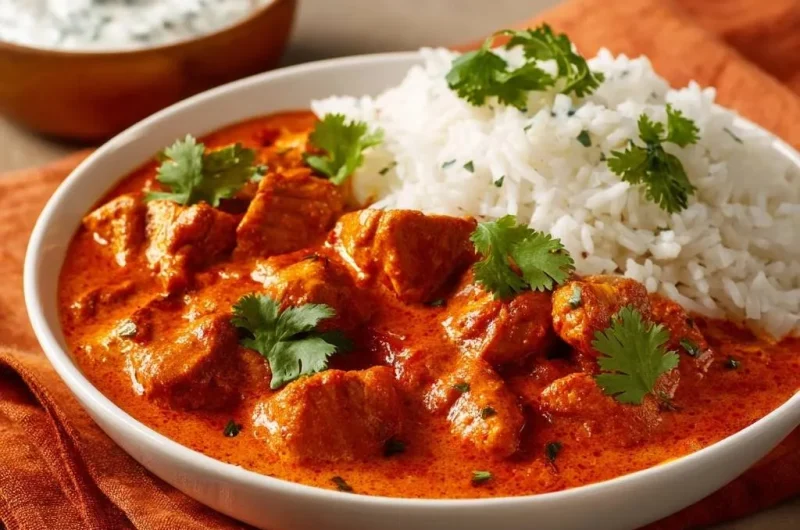
- Reduce heat to the lowest setting. Slowly pour in the heavy cream while whisking constantly. To achieve the glossy finish seen in the image, whisk in the final tablespoon of cold butter at the very end until melted.
- Stir in the crushed fenugreek leaves and salt to taste.
- Serve immediately over fluffy basmati rice. Garnish with fresh cilantro and a side of raita as pictured.
Notes
- To ensure a smooth sauce, use tomato passata instead of crushed tomatoes and whisk in cold butter at the very end for a glossy finish. Serve with basmati rice and raita.