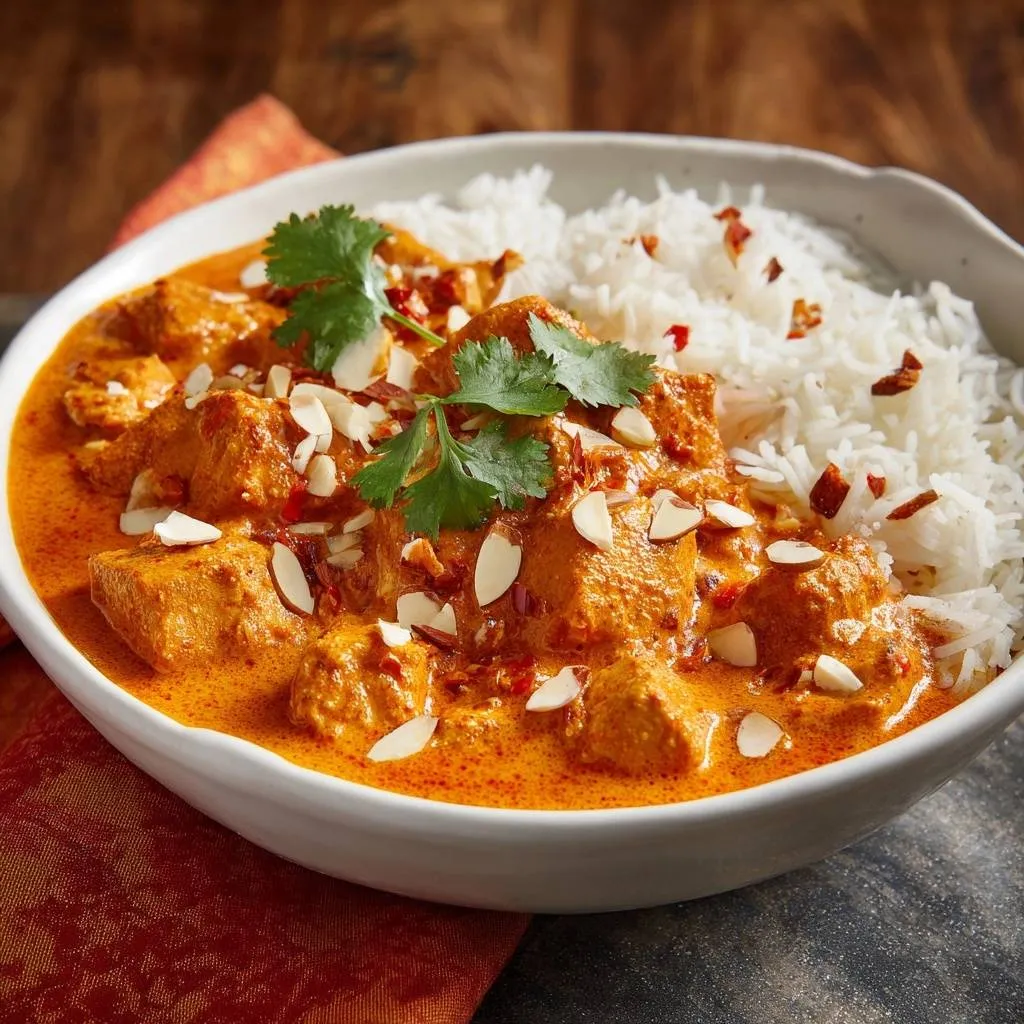
Stop settling for thin, runny curry that slides right off your rice. Most home cooks struggle with a sauce that feels more like a soup than a rich, clingy gravy. The secret to that restaurant-quality, velvet thick texture isn’t a secret ingredient; it’s all in the reduction and the fat emulsification.
This recipe uses a specific simmering technique to ensure your sauce is bold and stable. We’re solving the common frustration of a watery, separated mess by focusing on the science of the base. You’ll notice the difference the moment the sauce coats your spoon without dripping off.
The real trick to this masterpiece is the “Bhuna” process, where we fry the tomato base until the oil separates. This concentration of flavor ensures the heavy cream has a sturdy foundation to cling to. I’ve found that skipping this ten-minute window is the number one reason homemade curries lack that professional punch.
The Origins of Authentic Murgh Makhani
Butter chicken, or Murgh Makhani, isn’t an ancient recipe passed down through centuries. It actually emerged in the 1950s at the famous Moti Mahal restaurant in Delhi. The chefs there faced a practical problem: how to revive leftover Tandoori chicken that had dried out over the fire.
They realized that simmering the charred meat in a rich, tomato-based gravy infused with plenty of butter would rehydrate the poultry. This historical context is exactly why we sear our chicken cubes first in this recipe. That initial high-heat contact creates a crust that mimics the smoky depth of a traditional clay oven.
While it started as a clever way to reduce food waste, it quickly became a global sensation. The dish relies on the balance of acidic tomatoes and luxurious fats. Understanding this history helps you realize that the sauce is just as important as the meat itself.
Essential Components for a Thick Curry Base
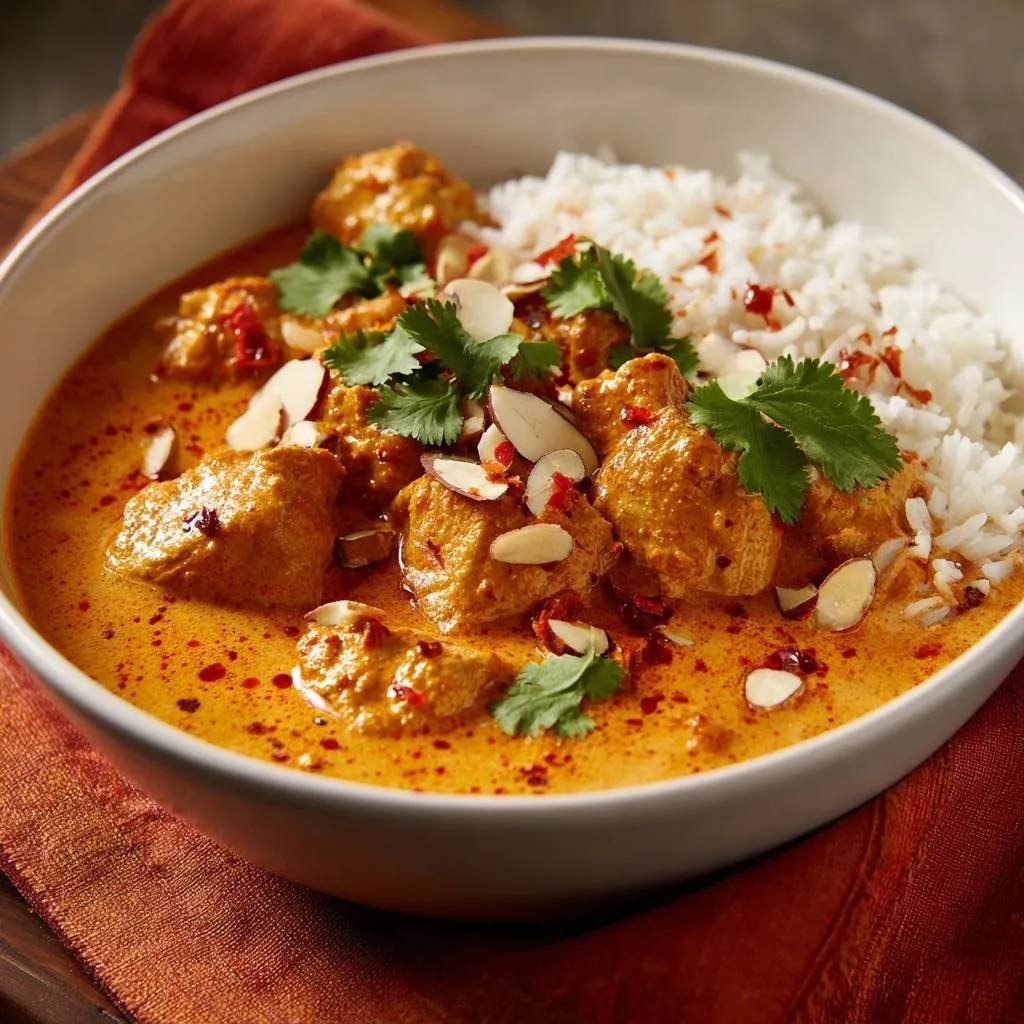
To achieve a sauce that feels like silk, you must choose your ingredients with intention. We use tomato passata, or smooth puree, instead of canned diced tomatoes. Diced tomatoes contain seeds and skin fragments that break the “velvet” illusion we’re trying to create.
Kashmiri chili powder is another non-negotiable for the authentic experience. It provides a vibrant, sunset-red hue that looks stunning on the plate without the aggressive heat of standard cayenne. This allows you to use enough powder to color the sauce deeply while keeping the flavor profile mild and family-friendly.
I always recommend using unsalted butter for this dish. Since we’re reducing the sauce significantly, the salt levels concentrate as the liquid evaporates. Using unsalted butter gives you total control over the final seasoning, ensuring the dish is savory rather than salty.
Selecting and Preparing the Poultry
Boneless skinless chicken breast is the gold standard for this specific version because it cooks quickly and stays lean. However, if you prefer a juicier bite, boneless thighs work beautifully and are much more forgiving if you accidentally simmer them a few minutes too long.
Regardless of the cut, aim for uniform 1-inch cubes. This size is large enough to stay moist in the center but small enough to provide a high surface-area-to-volume ratio. More surface area means more of that golden-brown sear and more space for the sauce to latch onto.
The Aromatic Foundation: Ginger, Garlic, and Onions
The biggest “skyscraper” secret for a smooth sauce is grating your onion rather than chopping it. When you grate an onion, it releases its juices and turns into a pulp that literally melts into the butter. You won’t find any stray chunks of onion in a high-end restaurant’s butter chicken, and this is why.
Fresh ginger-garlic paste is equally vital. While powdered versions are convenient, they lack the pungent, aromatic oils found in the fresh root and bulb. When these aromatics hit the hot butter, they create a fragrant base that permeates the entire dish from the bottom up.
Step-by-Step: Achieving the Perfect Emulsified Sauce
Creating a world-class curry is about managing heat and moisture. If you rush the process, the flavors stay “raw” and the texture stays thin. Follow these phases closely to see the transformation happen in your own skillet.
Phase 1: Searing for Flavor Development
Start by melting half your butter over medium-high heat until it’s foaming. Add your chicken cubes, but don’t crowd them! If the pan is too full, the chicken will release moisture and steam in its own juices, turning grey and rubbery instead of brown.
You’re looking for the Maillard reaction here. This is the chemical process where proteins and sugars brown, creating deep, savory flavors. Once you see those golden-brown edges and a bit of “fond” (the brown bits) sticking to the pan, pull the chicken out. It should still be raw in the middle.
Phase 2: The Critical Tomato Reduction
After sautéing your aromatics and spices, pour in the tomato puree. This is the most important ten minutes of the entire cook. You are performing a technique called “Bhuna,” which involves frying the masala until the water content evaporates and the flavors intensify.
Watch the pan closely. The sauce will transition from a bright, watery orange to a thick, deep maroon paste. You’ll know it’s ready when you see tiny droplets of oil separating from the edges of the tomato mixture. If you skip this, your final sauce will be watery and the spices will taste gritty.
Phase 3: Tempering the Heavy Cream
Turn the heat down to medium-low before adding the cream. If the sauce is boiling too vigorously, the dairy can break or curdle, ruining the smooth texture. Pour the cream in a slow, steady stream while whisking constantly to create a stable emulsion.
Once the chicken is back in, perform the “spoon test.” Dip a metal spoon into the sauce and pull it out. Run your finger through the coating on the back of the spoon. If the line stays clean and the sauce doesn’t run into the gap, you’ve achieved the perfect viscosity.
Troubleshooting Common Texture Issues
If your sauce ends up too thick, don’t panic. Simply whisk in a tablespoon of water or chicken stock at a time until it reaches your desired consistency. This happens often if your stove runs a bit hot during the final simmer.
If the sauce looks oily or separated, it usually means the emulsion has broken. You can often fix this by whisking in a single tablespoon of cold butter or a splash of cold cream. The sudden temperature change and fresh fat help pull the sauce back together into a cohesive liquid.
Dry chicken is usually the result of overcooking during the initial sear. Remember, the chicken finishes cooking in the sauce. If you cook it 100% through in the first step, it will inevitably become tough by the time the sauce is reduced and ready to serve.
Equipment: Why Heavy-Bottomed Cookware Matters
A heavy-bottomed pot, like a cast iron skillet or a thick stainless steel sauté pan, is your best friend for this recipe. These pans distribute heat evenly across the surface. Thin, cheap pans create “hot spots” that can scorch the delicate milk solids in the butter.
When you’re reducing the tomato base, a heavy pan prevents the bottom from burning while the top is still watery. It also retains heat better when you add the cold chicken back in. This consistency is what allows the sauce to emulsify properly without breaking under fluctuating temperatures.
Optimal Pairings for a Rich Gravy
Basmati rice is the traditional partner for butter chicken, but the preparation matters. Always rinse your rice in cold water until the water runs clear to remove excess starch. This ensures the grains stay separate and fluffy, providing the perfect “vessel” for the heavy gravy.
Because this dish is incredibly rich, you’ll want a drink that provides a crisp contrast. Sparkling botanical water or a salted yogurt drink can help cleanse the palate between bites. These options cut through the fat of the butter and cream, making every spoonful taste as vibrant as the first.
Make-Ahead Strategies and Storage
Butter chicken is one of those rare dishes that actually tastes better the next day. As the mixture sits in the fridge, the spices continue to permeate the chicken fibers. The sauce also sets into a thick, fudge-like consistency that reheats beautifully.
When reheating, go low and slow on the stovetop. Adding a tiny splash of water helps loosen the sauce without thinning it out too much. Avoid the microwave if possible, as it can heat the sauce unevenly and cause the fats to separate from the tomato base.
You can freeze this dish for up to three months in an airtight container. Just be sure to leave a little bit of “headspace” in the container, as the liquid will expand slightly when frozen. Thaw it overnight in the refrigerator before reheating for the best texture.
Expert Tips for Restaurant-Style Presentation
The final flourish is what separates a home-cooked meal from a professional plate. Sliced blanched almonds provide a necessary crunch that contrasts with the soft chicken and velvet sauce. It adds a layer of sophistication that guests always notice.
Don’t underestimate the power of fresh cilantro and red chili flakes. The bright green of the herbs and the pop of red flakes against the orange sauce create a visual “wow” factor. It signals to the brain that the food is fresh and well-seasoned before the first bite is even taken.
For a truly high-end look, save a tablespoon of heavy cream. Just before serving, use a spoon to drizzle the cream in a circular motion over the top of the bowl. This “cream swirl” is the hallmark of authentic Indian restaurant presentation and takes only seconds to do.
Frequently Asked Questions
Can I use Greek yogurt instead of heavy cream?
You can, but be very careful. Greek yogurt is much more acidic and has a lower fat content, which makes it prone to curdling when it hits a hot, acidic tomato sauce. If you use it, whisk it thoroughly first and add it only at the very end on the lowest possible heat setting.
How do I make this spicier without changing the texture?
The best way to increase the heat without making the sauce gritty is to add finely minced bird’s eye chilies along with the ginger-garlic paste. You can also increase the Kashmiri chili powder, though this will make the sauce a darker red. Avoid adding too much black pepper, as it can overwhelm the delicate garam masala.
Why is my chicken tough?
Tough chicken is almost always caused by overcooking. If you sear the chicken for too long in the first step, the fibers tighten up and lose their moisture. Aim for a quick, high-heat sear just to get color on the outside, then let the gentle simmer in the sauce finish the job.
Is there a dairy-free alternative that stays thick?
Full-fat coconut cream is the best substitute for maintaining a thick, luscious texture. However, it will introduce a distinct coconut flavor to the dish. To keep it closer to the original, look for a high-fat cashew cream, which has a more neutral, nutty profile that complements the spices well.
Can I use fresh tomatoes instead of puree?
Yes, but it requires more work. You’ll need to blanch, peel, and seed the tomatoes, then blend them until completely smooth. You will also need to increase the reduction time by about 10-15 minutes because fresh tomatoes have a much higher water content than store-bought passata.
Creamy Butter Chicken
Course: Main CourseCuisine: IndianDifficulty: easy4
servings15
minutes25
minutes40
Minutes510
kcalIndian
Ingredients
1.5 lbs boneless skinless chicken breast, cut into 1-inch cubes
1 cup tomato puree (passata)
1 cup heavy cream
4 tablespoons unsalted butter
1 large onion, grated or very finely minced
2 tablespoons ginger-garlic paste
1 tablespoon garam masala
1 teaspoon turmeric powder
1 teaspoon Kashmiri chili powder (for color and mild heat)
1/2 teaspoon salt (plus more to taste)
1/2 cup sliced blanched almonds
Fresh cilantro sprigs for garnish
1 tablespoon red chili flakes for garnish
3 cups cooked basmati rice
Directions
- Melt 2 tablespoons of butter in a large skillet or heavy-bottomed pot over medium-high heat. Add the chicken cubes in a single layer and sear until golden brown on all sides. The chicken does not need to be cooked through yet. Remove chicken from the pan and set aside.
- In the same pan, add the remaining 2 tablespoons of butter and the finely minced onions. Sauté for 5-7 minutes until the onions are soft and golden brown.
- Stir in the ginger-garlic paste, garam masala, turmeric, chili powder, and salt. Toast the spices for 1-2 minutes until fragrant, being careful not to burn them.
- Pour in the tomato puree. This is the critical step for texture: simmer the tomato mixture on medium heat for 8 to 10 minutes, stirring frequently. You must cook it until the liquid has reduced significantly, the color darkens to a deep red, and tiny droplets of oil begin to separate from the paste. This ensures the base is concentrated and never watery.
- Lower the heat to medium-low. Slowly pour in the heavy cream while whisking or stirring constantly. This emulsifies the dairy with the tomato base, creating a thick, stable, orange-hued sauce.
- Add the seared chicken (and any accumulated juices) back into the sauce. Simmer gently for another 5 to 7 minutes until the chicken is fully cooked through and the sauce has thickened enough to heavily coat the back of a spoon.
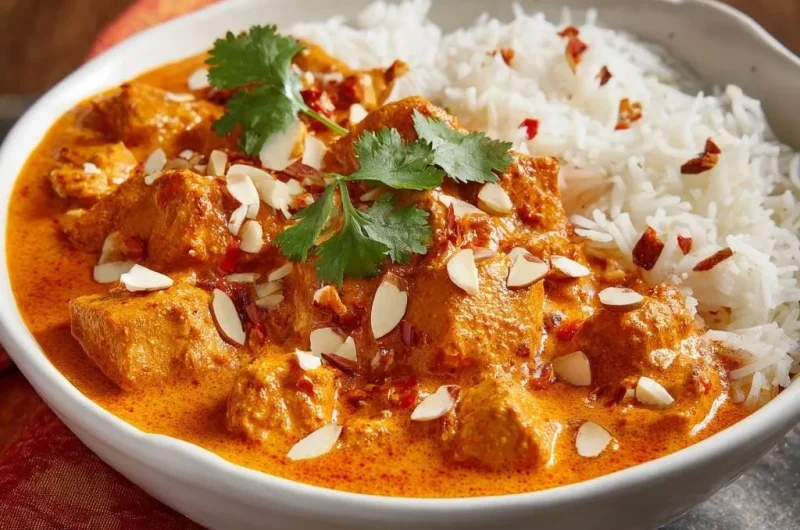
- Portion the fluffy basmati rice into bowls. Ladle the chicken and thick sauce over the rice. Top generously with sliced almonds, fresh cilantro sprigs, and red chili flakes to match the visual texture and heat shown in the image.
Notes
- The critical step for texture is simmering the tomato mixture until the liquid reduces significantly and oil droplets separate. This prevents a watery sauce.