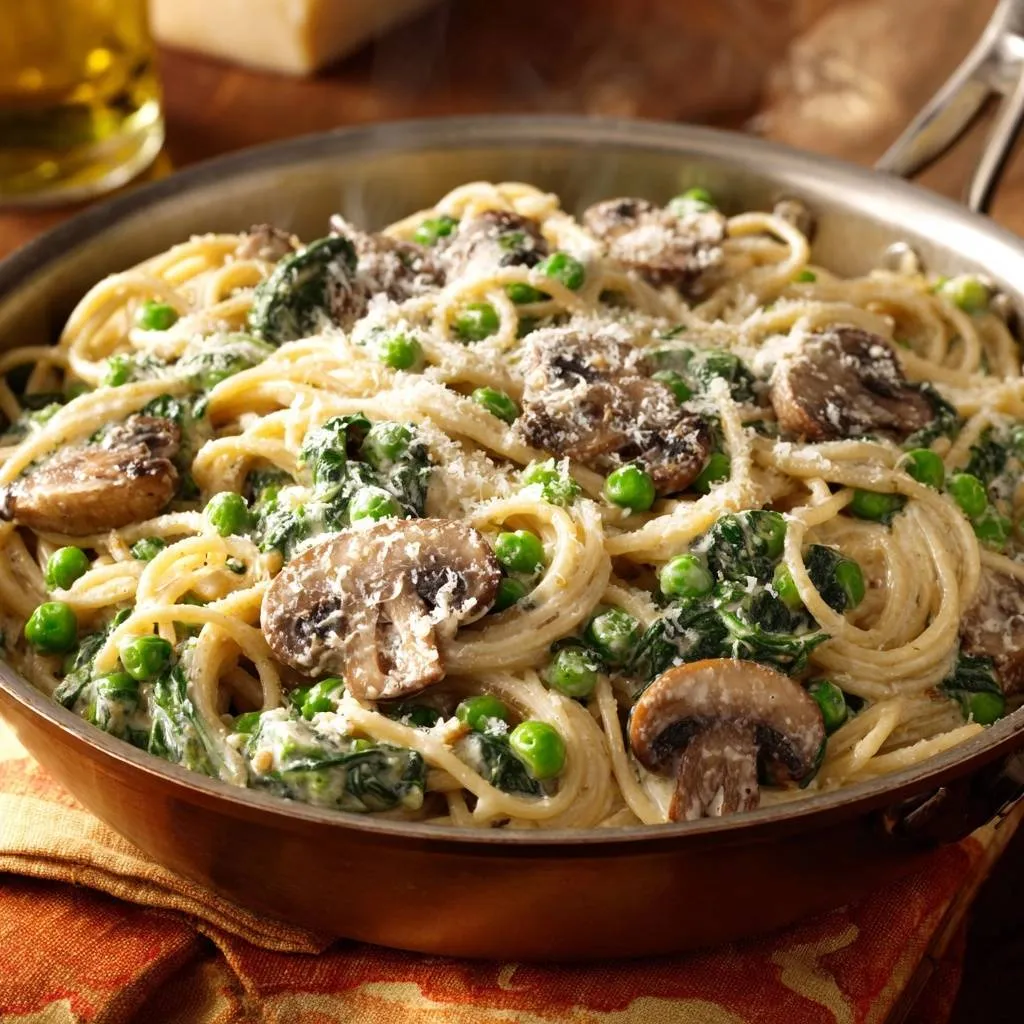
We have all been there. You spend twenty minutes carefully sautéing vegetables and boiling pasta, only to plate a dish that sits in a sad, grey puddle of thin liquid. It is frustrating when a sauce looks beautiful in the pan but breaks the moment it hits the plate. A truly great Creamy Mushroom and Spinach Spaghetti should feel like a warm hug, with a velvety, glossy coating that clings to every single strand of pasta.
The secret to achieving that restaurant-quality finish is not about adding more cheese or boiling the cream until it disappears. Instead, it is about mastering the art of emulsification. By learning how to bind fats and liquids together, you can create a sauce that stays thick and luxurious from the first bite to the last. This guide will show you how to move beyond basic boiling and transform simple pantry staples into a professional-grade meal.
I have found that the biggest mistake home cooks make is draining away their most valuable ingredient: the pasta water. That cloudy, salty liquid is the “glue” that prevents your sauce from separating. When you combine that starch with high-quality fats and properly seared mushrooms, you get a deep, earthy flavor and a texture that never turns watery. Let’s dive into the techniques that make this dish a total game-changer.
The Science of Starch: Why Your Pasta Water is Liquid Gold
When you boil spaghetti, the noodles release amylose and amylopectin into the water. These are starch molecules that turn the water cloudy and slightly viscous. In the world of professional cooking, this liquid is a powerful tool. It acts as an emulsifier, which means it helps oil and water-based liquids stay mixed together instead of separating into a greasy mess.
If you use plain tap water to loosen a thick sauce, you are essentially diluting the flavor and the texture. However, when you use starchy pasta water, those molecules bridge the gap between the heavy cream and the pasta. This creates a stable emulsion that coats the noodles evenly. Without this binder, the heavy cream often slides right off the spaghetti, leaving you with dry noodles and a pool of liquid at the bottom of the bowl.
Furthermore, the starch helps the sauce “grab” onto the surface of the pasta. This is especially important for smooth noodles like spaghetti which do not have ridges to hold onto chunky sauces. By finishing the pasta directly in the simmering cream and starch mixture, you allow the noodles to absorb the flavor while the sauce thickens into a glossy glaze. It is a chemical reaction that results in a much more cohesive and satisfying dish.
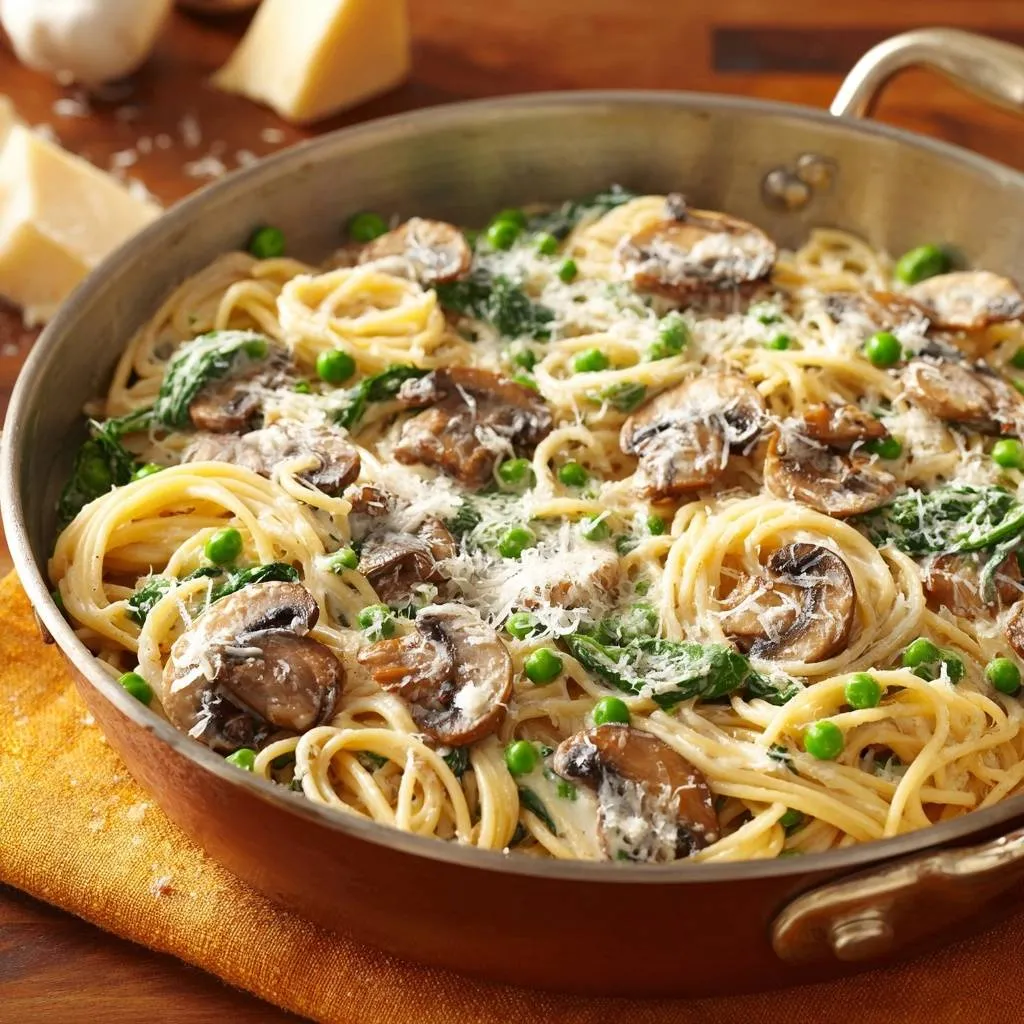
Essential Components for Creamy Mushroom and Spinach Spaghetti
Quality ingredients are the foundation of this recipe. While you might be tempted to grab standard white button mushrooms, I highly recommend using Cremini mushrooms. Also known as Baby Bellas, these are just more mature versions of white mushrooms. They have a lower water content and a much deeper, earthier flavor that stands up well to heavy cream.
The fat content in your dairy also matters immensely. For this specific technique, heavy cream is the best choice because it has a high enough fat percentage to resist curdling when it hits the heat. If you try to use half-and-half or whole milk, the sauce will likely be too thin and may break if it comes to a boil. The heavy cream provides that signature mouthfeel that makes the dish feel indulgent.
Finally, let’s talk about the Parmesan. Please, skip the green shaker bottle! Pre-grated cheese is often coated in cellulose or potato starch to prevent it from clumping in the container. Unfortunately, that coating also prevents the cheese from melting smoothly into your sauce. Freshly grated Parmesan will melt almost instantly, acting as a final thickening agent that locks the emulsion in place.
Selecting the Right Pasta Shape for Cream Sauces
Spaghetti is the classic choice here because its long, thin profile provides a massive amount of surface area for the cream to coat. However, you can easily swap it for Fettuccine or Linguine. These flatter noodles offer even more “cling” for the sauce. The goal is to use a long pasta that can be tossed vigorously in the skillet, as that motion helps the starch and cream bind together more effectively.
The Golden Rule of Searing Mushrooms for Maximum Umami
Most people steam their mushrooms rather than searing them. If you dump a whole pound of sliced mushrooms into a small pan and immediately add salt, they will release all their moisture at once. This results in grey, rubbery mushrooms sitting in a pool of grey liquid. To get that deep, golden-brown crust and concentrated umami flavor, you have to be patient.
Heat your oil and butter until the butter stops foaming, then add the mushrooms in a single layer. Do not crowd the pan! If you have to cook them in two batches, do it. Leave them alone for at least three or four minutes without stirring. This allows the Maillard reaction to occur, creating those crispy, flavorful edges. Only after they are browned should you add your salt and garlic. This ensures the moisture stays inside the mushroom until the very last second.
Step-by-Step: Building the Perfect Emulsified Sauce
The first phase is the par-cook. You want to boil your spaghetti for about two minutes less than the package directions. This is crucial because the pasta will finish cooking inside the sauce. If you boil it to full tenderness in the water, it will become mushy and overcooked by the time the sauce is ready. Think of the pasta water as a flavored broth that the noodles will soak up in the final stages.
While the pasta boils, focus on your mushroom sear as we discussed. Once those are golden and fragrant with garlic, lower the heat. Pouring cold cream into a screaming hot pan can sometimes cause it to separate, so a medium heat is perfect. Add your reserved pasta water and the cream, bringing it to a very gentle simmer. You should see small bubbles around the edges, not a rolling boil.
Now comes the “marriage” of the dish. Use tongs to move the undercooked spaghetti directly from the water into the skillet. Add your frozen peas and fresh spinach at this point too. Toss everything constantly. This movement is what develops the sauce. You will notice the liquid start to transform from a thin watery cream into a thick, ivory-colored glaze that clings to the noodles. It usually takes about two to three minutes of tossing to reach perfection.
The final step happens off the heat. Stir in your freshly grated Parmesan. The residual heat is plenty to melt the cheese. By taking it off the burner, you prevent the cheese proteins from tightening up and becoming stringy or oily. The result is a perfectly smooth, unified sauce that looks like it came out of a high-end Italian kitchen.
Integrating Spinach and Peas Without Overcooking
Spinach is incredibly delicate and can turn into a slimy mess if it cooks for too long. By adding it at the very end with the pasta, you are only exposing it to heat for a couple of minutes. This is just enough time for the leaves to wilt and turn a vibrant, bright green. The frozen peas also benefit from this timing; they only need to be heated through to maintain their sweet “pop” and fresh flavor.
Troubleshooting: How to Fix a Broken or Thin Sauce
If you find your sauce is getting too thick or sticky before the pasta is finished, do not panic. Simply add another splash of that reserved pasta water. The starch will keep the sauce creamy while the extra liquid loosens things up. It is always better to start with a sauce that is slightly too thick and thin it out than to have a watery mess you cannot fix.
On the flip side, if the sauce seems too thin, keep tossing it over medium heat for another minute. The pasta will continue to absorb liquid. If it is still not thickening, add an extra handful of Parmesan cheese. The fats and proteins in the cheese act as a natural thickener. Just remember to keep the heat moderate; boiling a cream sauce too hard is the fastest way to make it “break” into oil and solids.
Flavor Variations and Dietary Adaptations
This recipe is a fantastic canvas for customization. If you want a bit of heat, add a pinch of red pepper flakes when you sauté the garlic. For a brighter, more acidic finish, a squeeze of fresh lemon juice right before serving cuts through the richness of the cream beautifully. You can also add sun-dried tomatoes or roasted red peppers for a pop of sweetness and color.
If you are using gluten-free pasta, be aware that it often releases even more starch than traditional wheat pasta. You might need a little extra cream or a splash of plain water to keep the sauce from becoming too gummy. For a vegetarian umami boost, a tiny teaspoon of white miso paste whisked into the cream adds a savory depth that mimics the complexity of aged cheeses.
Optimal Pairings for a Balanced Italian Meal
Since this pasta is quite rich and earthy, it pairs best with something bright and acidic. A simple arugula salad with a lemon vinaigrette is the perfect side dish. The peppery bite of the greens and the sharp citrus dressing cleanse your palate between bites of the creamy spaghetti. Roasted balsamic Brussels sprouts are another great option, as their charred sweetness complements the mushrooms.
For drinks, think about refreshing options that cut through the fat. A sparkling mineral water with a thick wedge of lime or a sprig of fresh mint is excellent. The carbonation helps lift the heavy cream off the tongue, making every bite of the pasta feel as fresh as the first one.
Expert Tips for Reheating and Storage
Cream sauces are notorious for “disappearing” when stored in the fridge. As the pasta sits, it continues to soak up every drop of moisture, leaving you with a dry clump the next day. To fix this, never reheat this dish in the microwave on high power. It will cause the fats to separate and turn the sauce oily.
Instead, put the leftovers in a small skillet over low heat. Add a tablespoon or two of milk or water and stir gently as it warms up. This re-hydrates the starch and brings the emulsion back to life. I do not recommend freezing this dish. The cellular structure of the cream and the mushrooms changes when frozen, often resulting in a grainy texture once thawed.
Frequently Asked Questions
Can I use milk instead of heavy cream?
I don’t recommend it for this specific recipe. Milk has a much higher water content and lower fat content, which makes it prone to curdling when mixed with the starch and heat. If you must use milk, you would need to create a roux (flour and butter) first to stabilize it, but you will lose that specific silky mouthfeel that heavy cream provides.
Why is my spinach slimy?
Slimy spinach is almost always a result of overcooking. Spinach only needs about 60 to 90 seconds of heat to wilt. If you add it too early in the process, the heat breaks down the cell walls too much, releasing excess water and creating a slippery texture. Always add it at the very last stage of tossing the pasta.
Can I use dried mushrooms for this recipe?
Yes, but they require extra prep. You must soak dried mushrooms in hot water for at least 20 minutes until they are soft. Be sure to strain the soaking liquid through a coffee filter to remove any grit; that liquid is actually packed with flavor and can be used in place of some of the pasta water for an even more intense mushroom taste.
How do I make this vegan?
To make a vegan version, replace the heavy cream with full-fat canned coconut milk or a high-quality cashew cream. Use nutritional yeast or a vegan Parmesan alternative to provide that salty, savory finish. Be sure to use a vegan butter substitute or just extra olive oil for sautéing the mushrooms.
What if I forgot to save the pasta water?
It happens to the best of us! If you accidentally dumped the water down the drain, you can mimic it. Whisk 1/4 teaspoon of cornstarch into 1/2 cup of warm water. It won’t have the exact same flavor as the salted pasta water, but it will provide the necessary starch to help your cream sauce emulsify and stick to the noodles.
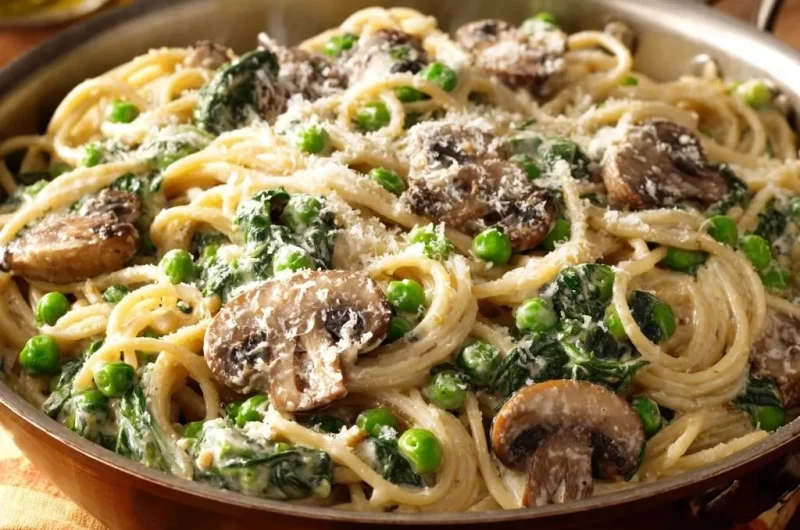
Creamy Mushroom and Spinach Spaghetti
Course: Main CourseCuisine: Italian-AmericanDifficulty: easy4
servings10
minutes20
minutes30
Minutes485
kcalItalian-American
Ingredients
12 ounces spaghetti
1 pound cremini mushrooms, sliced
2 cups fresh baby spinach
1 cup frozen sweet peas
3 cloves garlic, minced
1 cup heavy cream
3/4 cup grated parmesan cheese (plus extra for garnish)
2 tablespoons olive oil
1 tablespoon unsalted butter
1/2 cup reserved starchy pasta water
Salt and black pepper to taste
Directions
- Bring a large pot of heavily salted water to a boil. Cook the spaghetti for 2 minutes less than the package directions for al dente.
- While the pasta cooks, heat olive oil and butter in a large skillet over medium-high heat. Add the mushrooms in a single layer. Do not crowd the pan or salt them yet; this prevents them from steaming and ensures they get a deep, golden sear as seen in the image.
- Once mushrooms are browned and crisp at the edges, add the minced garlic and cook for 1 minute until fragrant. Season the mushrooms with salt and pepper.
- Crucial Step: Before draining the pasta, scoop out 1 cup of the cloudy, starchy pasta water. This starch is the “glue” that prevents a watery sauce.
- Lower the skillet heat to medium. Pour in the heavy cream and 1/2 cup of the reserved pasta water. Bring to a gentle simmer.
- Add the undercooked spaghetti, frozen peas, and fresh spinach directly into the simmering cream.
- Toss constantly for 2 to 3 minutes using tongs. As the pasta finishes cooking in the sauce, it absorbs the liquid while the starch thickens the cream into a glossy, thick glaze that coats the noodles.
- Remove from heat. Stir in 3/4 cup of grated parmesan cheese. The cheese will melt into the starch-cream emulsion, locking the texture in place and preventing separation.
- Serve immediately in the skillet or on warm plates. Garnish with a generous final dusting of grated parmesan cheese to match the visual presentation.
Notes
- The secret to the sauce is the emulsification of starchy pasta water and heavy cream. Do not salt the mushrooms until they are browned to ensure a golden sear.