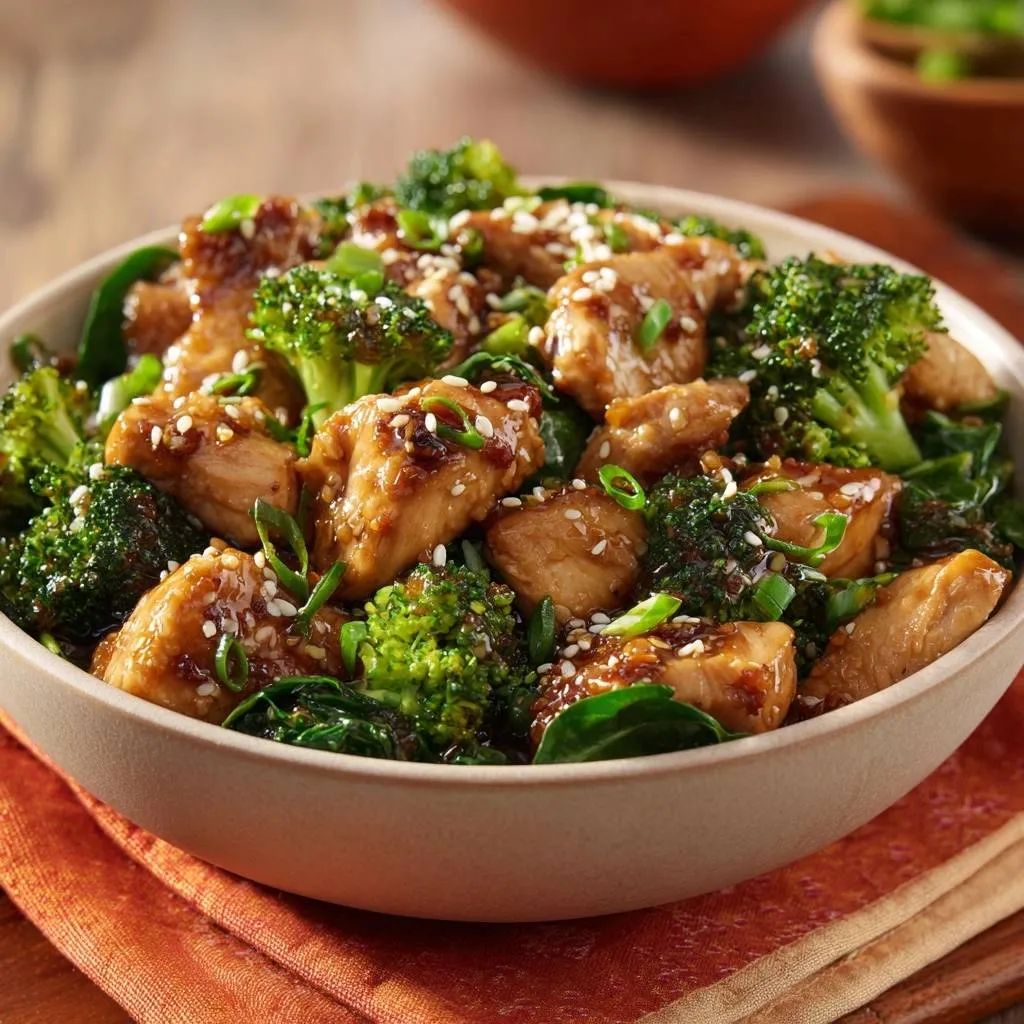
Why does the chicken in a restaurant stir-fry always feel so much softer than the version you make at home? You’ve likely dealt with the frustration of chicken breast turning into dry, rubbery nuggets the moment it hits a hot pan. It’s a common struggle that usually leads to overcompensating with extra sauce just to make the meat swallowable.
The secret to that elusive, tender texture isn’t a special stove or a hidden ingredient. It’s a professional Chinese cooking technique called velveting. By coating the meat in a simple mixture before it ever touches the heat, you create a barrier that keeps the juices locked inside while the outside gets a beautiful sear.
I’ve found that the real trick to this Garlic Ginger Chicken and Broccoli is the timing of your aromatics. If you toss your garlic in too early, it burns and turns bitter. However, if you wait until the chicken is nearly done, the residual heat mellows the garlic and ginger into a fragrant, savory base that perfectly balances the salty soy and sweet brown sugar.
The Science of Velveting: Why Cornstarch Changes Everything
Velveting sounds fancy, but it’s actually a straightforward chemical process. When you toss your chicken cubes in cornstarch and soy sauce, you’re creating a protective “jacket” for the protein. This starch layer acts as an insulator against the intense, direct heat of your skillet or wok.
Without this coating, the muscle fibers in the chicken breast tend to seize up and contract tightly when they get hot. This squeezing action pushes out all the moisture, leaving you with that dreaded “woody” texture. The cornstarch prevents this by gelatinizing on the surface, which keeps the fibers relaxed and the interior juicy.
Furthermore, this technique serves a dual purpose. As the chicken sears, that starch layer browns and develops a slight crust. Later, when you pour in your liquid sauce base, the starch on the meat helps emulsify the sauce. This is why the glaze looks so glossy and clings to every nook and cranny of the broccoli instead of just pooling at the bottom of the bowl.
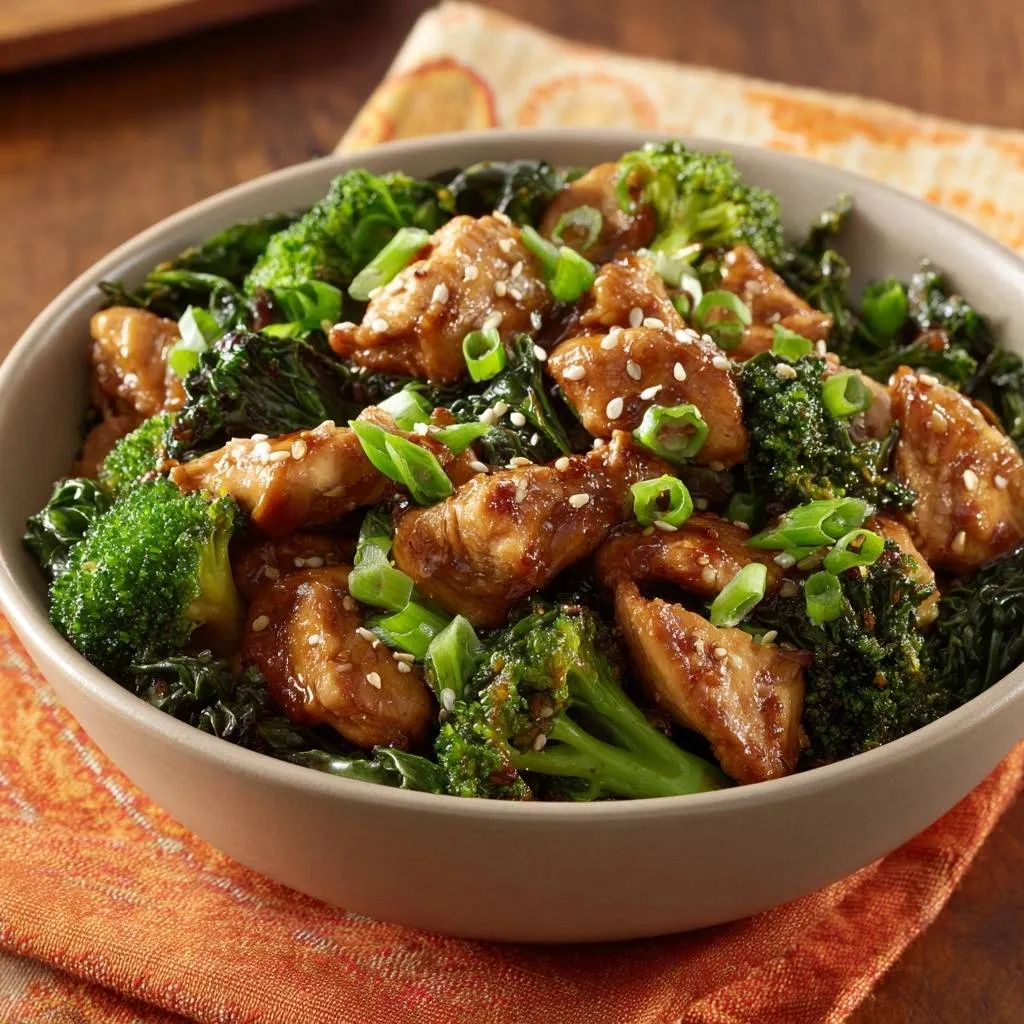
Essential Components for Garlic Ginger Chicken and Broccoli
Quality ingredients are the backbone of a great stir-fry. While it’s tempting to use the jarred, pre-minced garlic or ginger paste, the flavor difference is massive. Fresh ginger has a sharp, peppery bite that cuts through the richness of the sesame oil, whereas the jarred stuff often tastes acidic or dull.
For the chicken, I prefer breasts for this specific recipe because the velveting technique is designed to make lean meat shine. You can certainly use thighs if you prefer a richer flavor, but the clean profile of the breast allows the ginger and garlic to really take center stage. Just make sure you’re using a high-quality soy sauce; a naturally brewed version will provide a much deeper umami than the chemically produced “dark” soy sauces.
Selecting and Prepping the Perfect Broccoli Florets
The way you cut your broccoli determines how well it carries the sauce. Aim for small, bite-sized florets with about half an inch of the stem attached. The stems actually have a wonderful crunch that contrasts well with the soft chicken, so don’t toss them out!
One critical tip: make sure your broccoli is bone-dry after you wash it. If there’s water clinging to the florets when they hit the pan, they’ll steam rather than sear. While we do use a little water to help the softening process, starting with dry vegetables gives you much better control over the final texture.
The Aromatics: Maximizing Fresh Ginger and Garlic
Preparation is everything when it comes to aromatics. I always recommend grating your ginger with a microplane rather than chopping it. Grating breaks down the tough fibers and releases all the juice, ensuring the flavor is distributed evenly throughout the entire sauce.
For the garlic, mince it finely but don’t let it sit out for hours. Garlic begins to develop its pungent flavor as soon as it’s cut, but if it sits too long, that flavor can become harsh. Mince it right before you start cooking so it stays sweet and aromatic when it hits the oil.
Step-by-Step: Executing the Perfect Stir-Fry Technique
Success in stir-frying comes down to heat management and speed. You want your pan hot enough to sear, but you need to be ready to move quickly so nothing burns. Having all your ingredients prepped and within arm’s reach is the only way to cook this dish properly.
Phase 1: The 15-Minute Velveting Marinade
Start by tossing your chicken cubes with the cornstarch and soy sauce. You’re looking for a consistency that resembles a thin, silky paste. It shouldn’t be clumpy or dry. Let this sit for at least 15 minutes at room temperature.
During this time, the salt in the soy sauce begins to season the meat deeply, while the cornstarch settles into the surface. This short rest is non-negotiable if you want that restaurant-style “slip” to the meat. It gives the proteins time to relax before the heat hits them.
Phase 2: Steaming the Greens for Vibrant Color
We cook the vegetables first to ensure they stay bright green and crisp. Heat your oil until it’s shimmering, then add the broccoli. Adding a tiny splash of water and covering the pan creates a quick steam bath that softens the florets without making them mushy.
Once the broccoli is bright green, toss in the spinach. It only needs about 30 seconds to wilt. Remove the greens from the pan immediately. If you leave them in while you cook the chicken, they’ll overcook and turn a dull, unappetizing olive brown.
Phase 3: Achieving the Golden-Brown Chicken Sear
Wipe your pan out and get it hot again with the remaining oil. Spread the chicken out in a single layer. The biggest mistake people make here is stirring too soon. Let the chicken sit undisturbed for at least two minutes.
You want to see a deep golden crust develop. This is the Maillard reaction, and it’s where all the savory flavor lives. Once you have a good sear on one side, flip the pieces. The chicken doesn’t need to be 100% cooked through yet, as it will finish in the sauce.
Phase 4: Emulsifying the Garlic Ginger Glaze
Lower the heat slightly and add your garlic and ginger. Stir them constantly for about 30 seconds. You’ll know it’s ready when the kitchen suddenly smells incredible. Don’t let the garlic turn brown, or it will taste burnt.
Pour in your sauce mixture. As it bubbles, the cornstarch from the chicken will naturally thicken the liquid. It will transform from a thin watery broth into a thick, dark glaze that looks like liquid silk. This is the moment the dish truly comes together.
Troubleshooting Common Stir-Fry Pitfalls
If your sauce becomes too thick and looks more like a paste than a glaze, don’t panic. Simply whisk in a tablespoon of chicken broth or water at a time until it reaches your desired consistency. The starch is very powerful, so it can sometimes over-thicken if the pan is too hot.
On the flip side, if the sauce is too watery, let it simmer for an extra minute without the vegetables. This allows the excess moisture to evaporate. If you accidentally burn the garlic at the start of Phase 4, it’s best to wipe the pan and start that step over. Burnt garlic flavor is impossible to hide and will ruin the entire dish.
Flavor Variations and Dietary Adaptations
This recipe is very flexible. If you need a gluten-free version, you can easily swap the soy sauce for tamari or liquid aminos. Both provide that salty, savory punch without the wheat. The cornstarch is already naturally gluten-free, so no changes are needed there.
For those who like a bit of heat, adding a teaspoon of chili flakes or a dollop of chili crisp during the aromatic phase adds a wonderful glow. You can also swap the spinach for bok choy or snap peas if you want a different vegetable profile. Just remember to adjust the steaming time accordingly.
Optimal Pairings: What to Serve with Ginger Chicken
Fluffy jasmine rice is the classic choice here because its subtle floral aroma complements the ginger beautifully. The long grains are perfect for soaking up that extra garlic glaze. If you want something heartier, brown rice adds a nice nutty flavor and a bit more chew.
For a low-carb option, cauliflower rice works surprisingly well, especially if you sauté it quickly with a little sesame oil first. To round out the meal, a cold cucumber salad with a splash of rice vinegar provides a refreshing, crisp contrast to the warm, savory chicken.
Storage and Reheating for Meal Prep Success
This is one of those rare dishes that actually tastes great the next day. Because the chicken has been velveted, it stays remarkably tender even after a trip to the fridge. Store everything in an airtight container for up to three days.
When reheating, I recommend using a skillet over medium heat with a tiny splash of water to loosen the sauce. If you use a microwave, do it in 30-second bursts and stir in between. This prevents the broccoli from getting that “rubbery” texture that often happens with over-microwaved greens.
Expert Tips for Professional Results
Firstly, you don’t need a fancy wok to make this. A large, heavy-bottomed stainless steel or cast-iron skillet works perfectly as long as you can get it hot. The key is surface area; you want the chicken to sear, not boil in its own juices.
Secondly, embrace the “Mise en Place” philosophy. Stir-frying happens so fast that you cannot be chopping ginger while the chicken is in the pan. Have every bowl ready and lined up before you turn on the stove. It makes the process stress-free and fun.
Thirdly, taste your sauce before you pour it in. Some soy sauces are much saltier than others. If it tastes too salty, add another teaspoon of brown sugar. If it’s too sweet, add a tiny splash of rice vinegar to brighten it up. Balancing these flavors is what makes the dish pop.
Finally, don’t skip the spinach at the end. It might seem like an afterthought, but it adds a beautiful pop of color and a boost of nutrients. Adding it at the very last second ensures it stays vibrant and doesn’t disappear into the sauce.
Frequently Asked Questions
How do I store leftovers and can I freeze this?
Store leftovers in an airtight container in the refrigerator for up to 3 days. While you can freeze this dish, I don’t recommend it. Broccoli tends to become very mushy and watery once thawed and reheated, which ruins the texture of the stir-fry. If you must freeze it, store the chicken and sauce separately from the vegetables.
Why is my chicken still tough even after velveting?
This usually happens for two reasons: either the chicken wasn’t sliced against the grain, or the pan wasn’t hot enough. Slicing against the grain breaks up the tough muscle fibers. Additionally, if your pan is too cool, the chicken will simmer in its juices rather than searing quickly, which can lead to a tougher texture.
Can I use something other than cornstarch for velveting?
Arrowroot powder or potato starch are excellent substitutes for cornstarch and work in the exact same way. They will still provide that silky barrier and help thicken the sauce. Avoid using regular all-purpose flour, as it will create a gummy, doughy coating rather than a smooth, translucent glaze.
What if I don’t have fresh ginger?
In a pinch, you can use ground ginger, but use it sparingly. Use about 1/4 teaspoon of ground ginger for every tablespoon of fresh ginger called for. However, the flavor will be much flatter and lack the “zing” that makes this dish special. If you can’t find fresh ginger, a squeeze of lime juice at the end can help mimic some of that brightness.
Is there a way to make the sauce thicker without more starch?
The best way to thicken the sauce without adding more starch is to let it reduce. Simmer the sauce on medium-high heat for an extra 2-3 minutes before adding the vegetables back in. This evaporates the water and concentrates the sugars and proteins, creating a naturally thick, syrupy consistency.
Can I use frozen broccoli for this recipe?
You can use frozen broccoli, but the texture will be softer. To prevent it from becoming mushy, do not thaw it before cooking. Toss the frozen florets directly into the hot pan and skip the “steaming” step with the lid, as frozen vegetables already contain extra moisture. Cook them just until they are heated through and slightly charred.
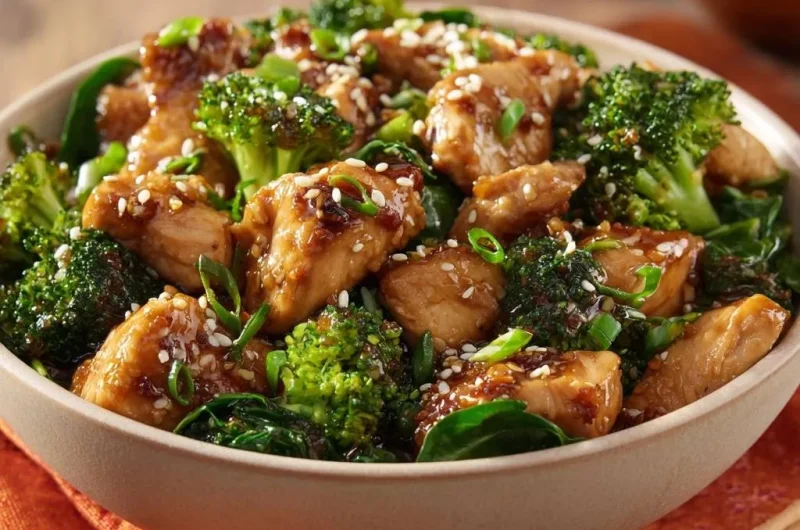
Garlic Ginger Chicken and Broccoli
Course: Main CourseCuisine: Asian-AmericanDifficulty: easy4
servings15
minutes10
minutes25
Minutes350
kcalAsian-American
Ingredients
1.5 lbs chicken breast, cut into 1-inch cubes
1 tablespoon cornstarch
1 tablespoon soy sauce (for marinade)
2 tablespoons vegetable oil, divided
4 cups broccoli florets
2 cups fresh spinach leaves
3 cloves garlic, minced
1 tablespoon fresh ginger, grated
1/4 cup soy sauce (for sauce)
2 tablespoons brown sugar
1 teaspoon sesame oil
1/2 cup chicken broth or water
1 teaspoon chili flakes (optional, for visual depth)
Toasted sesame seeds and sliced green onions for garnish
Directions
- In a medium bowl, combine the chicken cubes with 1 tablespoon cornstarch and 1 tablespoon soy sauce. Toss until the chicken is coated in a thin, silky paste. Let it marinate for 15 minutes.
- In a small bowl, whisk together the remaining 1/4 cup soy sauce, brown sugar, sesame oil, and chicken broth to create your stir-fry base.
- Heat 1 tablespoon of vegetable oil in a large skillet or wok over high heat. Add the broccoli florets and 2 tablespoons of water. Cover with a lid for 2 minutes to steam until bright green. Remove the lid, add the spinach leaves, and toss for 30 seconds until just wilted. Remove all greens from the pan and set aside.
- Wipe the pan dry and add the remaining tablespoon of oil. Add the chicken in a single layer. Let it sear undisturbed for 2-3 minutes to develop a deep golden-brown crust as seen in the image. Flip and cook for another 2 minutes until nearly cooked through.
- Lower the heat to medium. Add the minced garlic and grated ginger, stirring for 30 seconds until fragrant.
- Pour the sauce mixture into the pan. Bring to a simmer. The residual cornstarch from the chicken will thicken the liquid into a dark, glossy glaze that clings to the meat.
- Return the broccoli and spinach to the pan. Toss thoroughly for 1 minute to ensure every crevice of the broccoli is coated in the sauce.
- Serve immediately in a bowl, garnished generously with toasted sesame seeds and fresh sliced green onions.
Notes
- The secret to this recipe is velveting the chicken with cornstarch and soy sauce to lock in moisture. For extra heat, add more chili flakes.