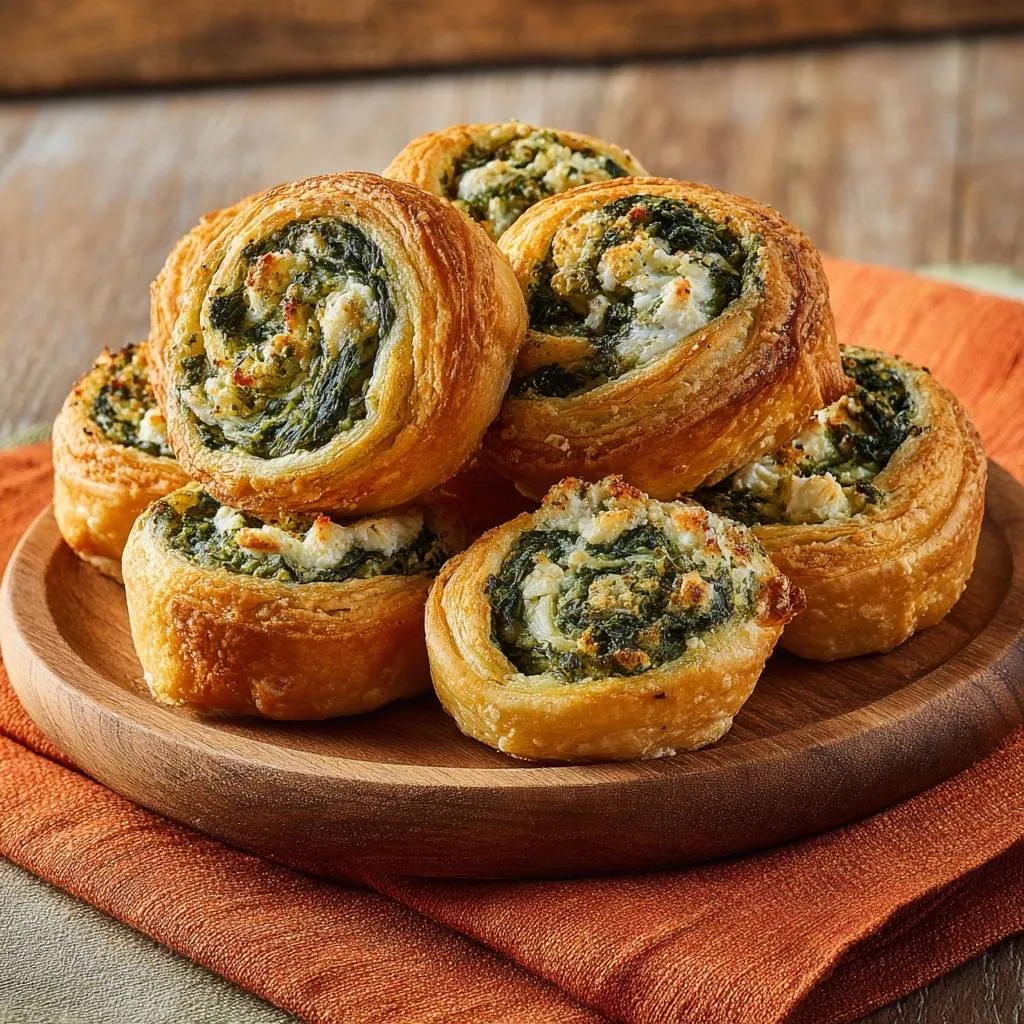
Imagine biting into a warm, golden spiral that shatters with a satisfying crunch, revealing a savory, creamy center of salty feta and earthy spinach. These Mediterranean-inspired appetizers are the stars of any gathering, but they often come with a frustrating flaw. Most versions suffer from the dreaded “soggy bottom,” where the moisture from the vegetables turns the delicate pastry into a limp, doughy mess.
However, you don’t have to settle for mediocre pastry. This recipe introduces a professional-grade moisture-wicking technique that protects the integrity of the dough. By creating a hidden barrier between the filling and the pastry, we ensure every single pinwheel remains remarkably crisp from the first bite to the last. It’s the definitive solution for anyone who wants bakery-quality results at home.
The secret to this success lies in a humble pantry staple: plain breadcrumbs. While most recipes just slap the wet filling onto the dough, we use a thin layer of crumbs to act as a microscopic sponge. This tiny adjustment absorbs residual steam during the bake, allowing the puff pastry to lift and flake exactly as it should. You won’t taste the crumbs, but you’ll certainly notice the incredible texture they preserve.
The Science of Crisp Puff Pastry
Puff pastry is a marvel of culinary engineering known as lamination. It consists of hundreds of thin layers of dough separated by even thinner layers of fat. When the cold pastry hits a hot oven, the water in the dough and fat turns to steam. This steam expands, forcing the layers apart to create that signature height and flaky texture.
Therefore, moisture is both your best friend and your worst enemy. While internal steam creates the rise, external moisture from a wet filling like spinach will weigh the layers down. If the pastry stays damp, the fat melts into the dough instead of puffing it up, resulting in a heavy, greasy finish. Keeping the filling dry and the pastry cold until the moment of baking is the only way to achieve that professional “shatter.”
Why Frozen Spinach Requires Aggressive Preparation
Frozen spinach is a convenient kitchen shortcut, but it’s essentially a water bomb. When spinach is frozen, the water inside the plant cells expands and ruptures the cell walls. Once thawed, all that liquid is released, leaving you with a pile of mush that can ruin a delicate pastry sheet.

Simply draining the spinach in a colander isn’t enough to save your pinwheels. You must be aggressive. Place the thawed spinach in a clean kitchen towel, gather the corners, and wring it with all your strength. You want to squeeze until the spinach feels like dry wool or a clump of felt. If it still feels slippery or wet, keep squeezing; your pastry’s crispness depends entirely on this step.
Essential Components for Spinach and Feta Pinwheels
Quality ingredients make a massive difference when the flavors are this simple. For the feta, look for blocks sold in brine rather than the pre-crumbled tubs. Sheep’s milk feta offers a sharp, tangy punch and a creamy melt that cow’s milk versions often lack. When you crumble it yourself, you get a mix of large and small pieces that create wonderful texture throughout the filling.
In addition to the feta, we use softened cream cheese as a structural binder. While feta provides the flavor, it doesn’t melt into a smooth sauce. The cream cheese holds the spinach and feta together, preventing the filling from tumbling out of the spirals as you slice them. It also adds a rich, velvety mouthfeel that balances the salty bite of the parmesan and the heat of the red pepper flakes.
The Secret Role of Dry Breadcrumbs
This is the “Skyscraper” technique that separates amateur appetizers from professional ones. Before spreading your filling, you’ll sprinkle a tablespoon of plain breadcrumbs over the rolled-out pastry. This creates a “moisture-wicking barrier” that sits between the dough and the spinach mixture.
As the pinwheels bake, any moisture that escaped your “wringing” process is immediately soaked up by the crumbs. This prevents the liquid from seeping into the bottom layers of the pastry. Because we use such a small amount, the crumbs disappear into the filling, leaving no gritty texture—just a perfectly dry, crisp pastry base.
Selecting and Handling Store-Bought Puff Pastry
When shopping, check the label for “all-butter” puff pastry if you want the best flavor and most dramatic rise. Oil-based pastries are easier to handle because they don’t melt as quickly, but they lack that rich, nostalgic taste. Regardless of the brand, the temperature is your biggest priority during preparation.
You want to work in the “Goldilocks Zone” of thawing. The pastry should be pliable enough to unroll without cracking, but it must still feel cold to the touch. If the dough becomes warm and floppy, the butter layers will bleed into the flour, and you’ll lose the lamination. If it gets too soft, pop it back in the fridge for ten minutes before you continue rolling.
Step-by-Step: Preparing the Spinach and Feta Filling
Start by beating your softened cream cheese until it’s completely smooth and lump-free. If the cream cheese is too cold, it won’t incorporate properly, and you’ll end up with white streaks that can cause “blowouts” or steam pockets in the oven. Once smooth, fold in your bone-dry spinach and the remaining cheeses.
As you stir in the garlic, oregano, and red pepper flakes, the aroma will start to bloom. These aromatics are essential because they cut through the richness of the cheese. Ensure the spinach is broken up and evenly distributed so that every guest gets a perfect balance of greens and cheese in every bite.
The Rolling and Chilling Technique
Lightly flour your work surface and roll the pastry into a 10 by 12-inch rectangle. After applying your breadcrumb barrier and spreading the filling, start rolling from the long edge. You want a tight, snug log. A loose roll will result in pinwheels that gap or fall apart during the baking process.
Once the log is rolled, don’t reach for the knife just yet. Place the entire log in the freezer for about 10 minutes. This “flash-chill” firms up the butter and the cream cheese filling. It ensures that when you slice the log, the weight of the knife doesn’t squish the pastry into ovals, keeping your spirals perfectly round and tall.
Precision Slicing for Professional Results
To keep those beautiful layers visible, use a sharp serrated knife. A standard chef’s knife tends to crush the delicate pastry as it pushes down. Instead, use a gentle sawing motion with the serrated blade, letting the teeth do the work. This preserves the “Skyscraper” height of each individual pinwheel.
Alternatively, some bakers use unflavored dental floss to cut the dough. You slide the floss under the log, cross it over the top, and pull quickly to “snip” the slice. However, for this specific filling, a serrated knife usually provides the cleanest edge through the fibrous spinach.
Baking Spinach and Feta Puff Pastry Pinwheels
Preheat your oven to 400°F. This high temperature is the “sweet spot” for puff pastry. It’s hot enough to trigger an immediate burst of steam for maximum lift, but it won’t burn the cheese before the center of the spiral is fully cooked. If the oven is too cool, the butter will simply leak out, leaving the pastry sitting in a puddle of grease.
Bake for 18 to 22 minutes, watching for a deep, golden brown color. You aren’t looking for “pale gold” here; a deeper color indicates that the heat has penetrated all the way to the center layers. The cheese should be bubbling and slightly browned on the edges, signaling that the flavors have fully concentrated.
Troubleshooting Common Pastry Failures
If your filling leaked out during the bake, it’s usually a sign of excess moisture in the spinach or a roll that wasn’t tight enough. Next time, double-down on the towel-wringing step. If the pastry feels raw or doughy in the very center, your slices might have been too thick, or your oven temperature might be running low. Using an oven thermometer can help verify you’ve hit that 400°F mark.
Did your pinwheels unravel in the oven? This happens when the “seam” isn’t properly sealed. Always use a bit of egg wash on the final edge of the pastry log to act as a culinary glue. Finally, if the bottoms are getting too dark before the tops are golden, move your baking sheet to a higher rack. This protects the base from the direct heat of the bottom element while allowing the top to brown beautifully.
Flavor Variations and Ingredient Swaps
Once you master the moisture-wicking technique, you can experiment with other fillings. Try using sun-dried tomatoes and goat cheese for a tangy twist. Just make sure to blot the tomatoes thoroughly with paper towels to remove excess oil. The logic remains the same: keep the ingredients as dry as possible before they touch the dough.
Another sophisticated option is sautéed leeks and parmesan. Leeks hold a lot of oil and water, so you’ll need to cook them down until they are very soft and then drain them well. You could even try a roasted red pepper version, provided you pat the peppers dry and perhaps add an extra teaspoon of breadcrumbs to handle the extra juice.
Make-Ahead Strategies and Storage
These pinwheels are a host’s dream because they freeze beautifully. You can roll the log, wrap it tightly in plastic wrap, and freeze it for up to three months. When you’re ready to serve, just slice the frozen log and bake. You’ll need to add about 3 to 5 minutes to the total baking time, but the results will be just as flaky as if you made them fresh.
If you have leftovers, store them in an airtight container in the refrigerator for up to three days. To regain that signature crunch, never use a microwave, which will make the pastry rubbery. Instead, pop them into a 350°F oven or an air fryer for a few minutes. This recrisps the fat and restores the “shatter” to the outer layers.
Optimal Pairings for Savory Pinwheels
These pinwheels are quite rich, so they pair best with something bright and acidic. A simple arugula salad tossed in a sharp lemon vinaigrette provides a peppery contrast that cuts through the buttery pastry. The bitterness of the greens works in harmony with the salty feta.
If you’re serving these as part of a larger appetizer spread, consider a cooling cucumber and yogurt dip. The creamy, cold yogurt provides a refreshing counterpoint to the warm, flaky pinwheels. It’s a classic Mediterranean combination that feels sophisticated yet effortless for any party or weekend snack.
Expert Tips for Appetizer Success
For the best results, use a heavy-gauge baking sheet. Thin pans can warp in a 400°F oven, leading to uneven browning. Additionally, always choose parchment paper over silicone mats. Parchment allows for better airflow and moisture evaporation at the base of the pastry, which is essential for a crisp bottom.
When preparing the filling, use the “Finger Test” for your cream cheese. It should be soft enough that your finger leaves an indentation with zero resistance, but it shouldn’t be melted. Finally, use a microplane to grate your garlic. This turns the cloves into a fine paste, ensuring the garlic flavor is perfectly infused throughout the entire batch without any harsh, raw chunks.
Frequently Asked Questions
How do I keep the bottom of the pastry from getting soggy?
The most effective way is to use the “breadcrumb barrier” mentioned in the recipe. Sprinkle one tablespoon of plain breadcrumbs over the pastry before adding the filling. Additionally, you must wring the thawed spinach in a kitchen towel until it is completely dry. Any liquid left in the spinach will turn to steam and soften the bottom of the dough.
Can I use fresh spinach instead of frozen?
Yes, but you must cook it first. Sauté fresh spinach until it is completely wilted, then let it cool and wring it out in a towel just like you would with frozen spinach. Raw fresh spinach releases too much water during the baking process and will result in a messy, unbaked center.
Why did my puff pastry not rise or flake?
This usually happens if the pastry got too warm before it went into the oven. If the butter melts into the flour while you are rolling or slicing, the layers disappear. Always work with cold dough and use the 10-minute freezer chill step before slicing to ensure the butter stays solid until it hits the high heat of the oven.
Can I make these ahead of time?
Absolutely. You can prepare the log, wrap it in plastic, and keep it in the fridge for up to 24 hours before slicing and baking. For longer storage, freeze the log for up to 3 months. Slice and bake directly from frozen, adding a few extra minutes to the baking time until they are deep golden brown.
What is the best way to reheat leftovers?
Avoid the microwave at all costs, as it will make the pastry soggy and tough. Reheat the pinwheels in a 350°F oven for 5-8 minutes or in an air fryer at 320°F for 3-4 minutes. This will dry out any moisture and bring back the original flaky texture.
Can I substitute the feta with another cheese?
While feta provides the classic flavor, you can use goat cheese for a creamier texture or even a sharp white cheddar. However, ensure the substitute cheese isn’t too high in moisture. If using a very soft cheese, you may want to increase the breadcrumb layer slightly to compensate.

Spinach and Feta Puff Pastry Pinwheels
Course: AppetizerCuisine: Mediterranean InspiredDifficulty: easy12
pinwheels15
minutes20
minutes35
Minutes185
kcalMediterranean Inspired
Ingredients
1 sheet frozen puff pastry, thawed but cold
10 ounces frozen chopped spinach, thawed and squeezed dry
1 cup crumbled feta cheese
4 ounces cream cheese, softened (to bind the filling and prevent leaks)
2 cloves garlic, minced
1/4 cup grated parmesan cheese
1/2 teaspoon dried oregano
1/4 teaspoon red pepper flakes
1 egg, beaten (for egg wash)
1 tablespoon plain breadcrumbs (the secret moisture barrier)
Directions
- Preheat your oven to 400°F (200°C) and line a large baking sheet with parchment paper.
- The most critical step to prevent sogginess is removing all water from the spinach. Place the thawed spinach in a clean kitchen towel and wring it out with all your strength until no more liquid drips out. The spinach should feel like dry wool.
- In a medium bowl, beat the softened cream cheese until smooth. Stir in the bone-dry spinach, crumbled feta, minced garlic, parmesan, oregano, and red pepper flakes. Mix until the spinach is evenly distributed and the mixture is cohesive.
- Roll out the puff pastry sheet on a lightly floured surface into a 10 by 12-inch rectangle.
- Sprinkle the 1 tablespoon of breadcrumbs evenly over the surface of the pastry. This creates a microscopic barrier that absorbs any residual moisture from the spinach during baking, guaranteeing a crisp bottom.
- Spread the spinach and feta mixture evenly over the pastry, leaving a 1/2 inch border at the top edge.
- Starting from the long edge closest to you, roll the pastry into a tight log. Brush the top border with a little egg wash to seal the seam.
- For the cleanest cuts shown in the image, place the log in the freezer for 10 minutes to firm up. Use a sharp serrated knife to slice the log into 12 even rounds.
- Place the rounds cut-side up on the prepared baking sheet. Brush the exposed pastry spirals with the remaining egg wash for a deep golden shine.
- Bake for 18 to 22 minutes, or until the pastry is puffed, the cheese is bubbling, and the edges are a deep golden brown. Let them cool on the pan for 5 minutes to allow the flaky layers to set before serving.
Notes
- The secret to preventing a soggy bottom is wringing the spinach until it is bone-dry and using a thin layer of breadcrumbs as a moisture barrier. For the cleanest slices, chill the rolled log in the freezer for 10 minutes before cutting with a serrated knife.