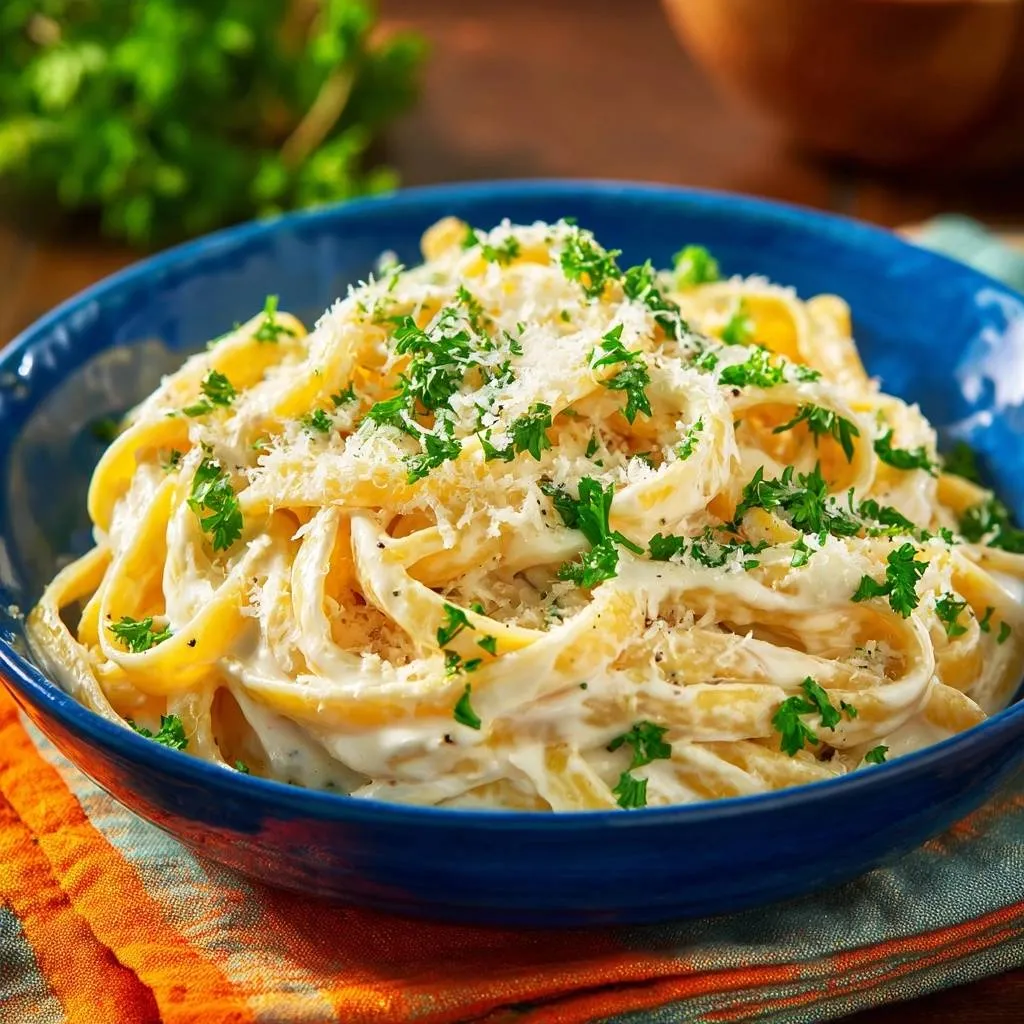
Imagine a plate of pasta so luxurious it feels like velvet on your tongue. The sauce isn’t just sitting on top of the noodles; it clings to every single strand in a thick, glossy embrace. This is the hallmark of a perfect Creamy Garlic Fettuccine Alfredo, a dish that relies on the delicate balance of fat, protein, and starch to create a seamless coating. When done correctly, the sauce is ivory-white, fragrant with mellow garlic, and incredibly smooth.
However, many home cooks struggle with Alfredo sauces that break into an oily mess or turn into a grainy, clumpy disappointment. The secret to avoiding these pitfalls lies in professional temperature management and the “Skyscraper” approach to building layers of flavor. By controlling the heat and mastering the art of the emulsion, you can move beyond basic boiling and create a restaurant-quality masterpiece in your own kitchen. It is all about transforming simple ingredients into a stable, unified sauce that stays creamy until the very last bite.
The real trick to this recipe is the low-heat cheese integration. If you add your Parmesan to a boiling liquid, the proteins in the cheese will tighten and seize, creating those dreaded clumps. By dropping the heat to the lowest setting and whisking in a figure-eight motion, you allow the cheese to melt gently into the cream. This creates a stable suspension that feels like silk rather than grit.
The Chemistry of a Stable Emulsion
To understand why Alfredo sauce often fails, you have to look at the science of what is happening inside your skillet. A classic cream sauce is an emulsion, which is a mixture of two liquids that normally do not stay together, like fat and water. In this dish, the heavy cream and butter provide the fat, while the pasta water and the moisture in the cream provide the liquid base. The Parmesan cheese introduces proteins that want to bind together, but if they get too hot, they squeeze out the fat, leading to a broken, oily sauce.
When you see oil pooling at the bottom of your bowl, it means the emulsion has collapsed. This usually happens because the temperature spiked or the cheese was added too quickly. By maintaining a gentle simmer and then dropping the heat before the cheese hits the pan, you keep those proteins relaxed. This allows the fat and water to stay bonded in a thick, creamy state. Understanding this relationship between heat and protein is the difference between a mediocre dinner and a professional-grade meal.
Why Starchy Pasta Water is Non-Negotiable
You might be tempted to pour that cloudy pasta water down the drain, but that liquid is actually “liquid gold” for your sauce. As the fettuccine cooks, it releases amylose and amylopectin starches into the water. These starches act as a physical bridge between the fats in the cream and the water-based elements of the dish. Therefore, adding a splash of this water at the end acts as a stabilizer, preventing the sauce from breaking even as it begins to cool on the plate. It ensures the sauce remains glossy and cohesive rather than tightening up into a solid block.
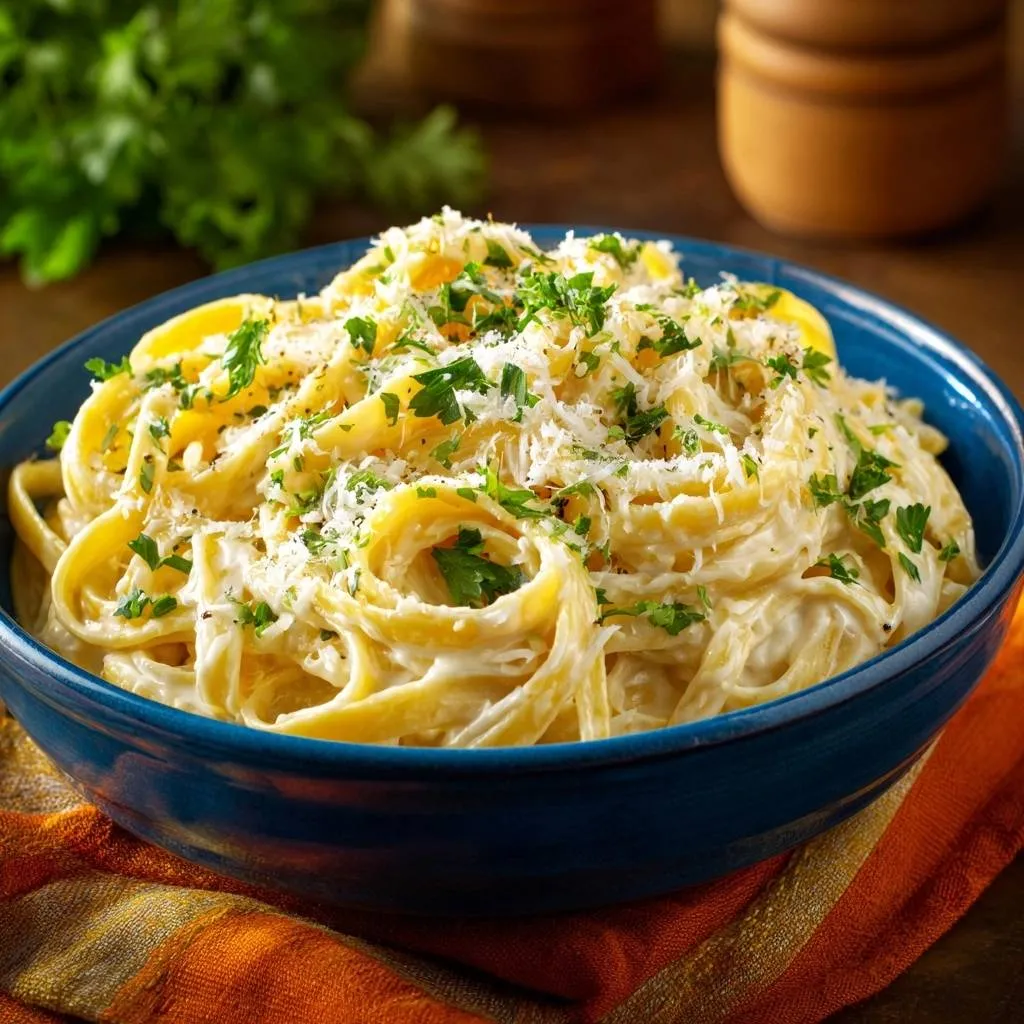
Essential Components for Creamy Garlic Fettuccine Alfredo
Because this recipe has so few ingredients, the quality of each one is paramount to the final result. You must use freshly grated Parmesan cheese from a wedge. Those green shaker cans or pre-shredded bags are coated in cellulose or potato starch to prevent clumping in the bag. Unfortunately, that same coating prevents the cheese from melting smoothly into your sauce, resulting in a grainy texture that no amount of whisking can fix. A high-quality Parmigiano-Reggiano will melt almost instantly into the warm cream.
The fat content of your dairy also plays a massive role in stability. You should always reach for heavy cream rather than half-and-half or whole milk. Heavy cream has a higher fat-to-water ratio, which makes it much more resistant to curdling when it meets the acidic notes of the garlic or the heat of the pan. This higher fat content provides the structural integrity needed to hold the emulsion together, giving you that signature rich mouthfeel that defines a classic Alfredo.
Selecting the Right Fettuccine
While fresh pasta is a treat, a high-quality dried fettuccine is often better for this specific sauce. Look for pasta that is “bronze-cut,” which you can identify by its slightly rough, dusty-looking surface. This texture is crucial because it creates tiny ridges that the garlic cream sauce can grab onto. Smooth, mass-produced pasta molded with Teflon is often too slippery, causing the sauce to slide right off the noodle and pool at the bottom of the plate.
The Garlic Profile: Mincing vs. Pressing
How you prep your garlic significantly changes the flavor profile of the dish. Mincing the garlic with a sharp knife creates tiny, mellow bits of texture that soften beautifully in the butter. If you prefer a much sharper, more aggressive garlic punch, you can use a garlic press, which releases more allicin. Regardless of the method, you must only sauté the garlic for about 60 seconds. You want it to be fragrant and translucent; if it turns brown or burnt, it will infuse the entire cream sauce with a bitter, acrid taste.
Step-by-Step: Building the Emulsified Sauce
Creating this sauce is a three-phase process that requires your full attention. You aren’t just tossing ingredients into a pan; you are carefully building a structure. Firstly, you start with the infusion, then move to the reduction, and finally finish with the emulsion. Each stage requires a specific temperature and visual cue to ensure the final product is thick enough to coat a spoon but fluid enough to toss with the pasta.
Phase 1: Infusing the Fat Base
Start by melting your unsalted butter over medium heat. As the butter melts, it will begin to foam slightly; this is the water evaporating. Add your minced garlic now. You are looking for the garlic to become fragrant and soft, but you must watch the heat closely. Do not let the butter brown. If the butter turns brown, it develops a nutty, toasted flavor that clashes with the clean, bright creaminess we want for a traditional Alfredo. The goal is a pale, garlic-scented fat base.
Phase 2: Reducing the Heavy Cream
Once the garlic is soft, pour in the heavy cream. You want to bring this to a gentle simmer, not a rolling boil. Look for small, steady bubbles around the edges of the pan. As the cream simmers for 3 to 5 minutes, it will reduce by about 20 percent. This concentrates the flavors and thickens the liquid naturally. You will know it is ready when the cream looks slightly heavier and can coat the back of a wooden spoon without immediately running off.
Phase 3: The Low-Heat Cheese Integration
This is the most critical moment. Turn your burner down to the lowest possible setting. Gradually whisk in the Parmesan one handful at a time. Use a figure-eight motion with your whisk to keep the cheese moving so it melts evenly. As the cheese incorporates, the sauce will transform from a thin liquid into a thick, glossy, and pale gold coating. If it looks too thick at this stage, don’t worry; that is exactly what the reserved pasta water is for.
Troubleshooting Common Alfredo Texture Issues
If your sauce looks grainy, it is almost certain that the heat was too high when the cheese was added, causing the proteins to clump. If the sauce feels soupy and won’t stick to the noodles, it likely needed another minute of reduction before the cheese went in, or you may need to add a bit more Parmesan to provide body. However, the most common issue is a “tight” or clumpy sauce that happens as the pasta sits. This is easily fixed by whisking in a tablespoon of pasta water to loosen the proteins and restore the shine.
How to Fix a Broken Sauce
If you see the sauce separating into yellow oil and white solids, do not panic. You can often rescue a broken sauce by removing the pan from the heat entirely. Add a single teaspoon of warm (not boiling) heavy cream and whisk vigorously. The fresh fats in the cream can help re-emulsify the separated oils. If that doesn’t work, a tiny splash of the starchy pasta water and some fast whisking can often pull the sauce back together into a smooth state.
Flavor Variations and Ingredient Swaps
While the classic version is stunning on its own, you can easily customize the flavor without ruining the sauce’s structure. A tiny pinch of freshly grated nutmeg is a traditional addition that adds a mysterious depth to the cream. Alternatively, you could stir in some roasted red pepper puree for a vibrant color and smoky sweetness. Just ensure any additions are low in moisture so they do not thin out your carefully crafted emulsion.
Vegetable Additions for Texture
If you want to add greens, try folding in baby spinach or steamed broccoli florets at the very end. The residual heat of the sauce will wilt the spinach in seconds. By adding them at the last moment, you prevent the vegetables from releasing excess water into the sauce, which would otherwise cause the cream to break or become watery. This keeps the vegetables bright and the sauce perfectly thick.
What to Serve with Garlic Alfredo
Because this dish is incredibly rich and high in fats, it pairs best with sides that offer acidity and crunch. A crisp arugula salad tossed in a sharp lemon vinaigrette is the perfect palate cleanser between bites of creamy pasta. You could also serve charred asparagus or roasted broccolini with a squeeze of fresh lemon juice. These bright, bitter notes cut through the heaviness of the Parmesan and cream, making the meal feel more balanced.
Protein Pairings (Non-Pork)
To turn this into a heartier meal, consider adding a lean protein on top. Sliced grilled chicken breast seasoned simply with salt and pepper is a classic choice. For a more elegant presentation, seared scallops or garlic-butter shrimp work beautifully. These proteins complement the garlic in the sauce without overwhelming the delicate flavor of the cream. Always place the protein on top of the plated pasta rather than stirring it in to maintain the best texture.
Expert Tips for Success
Success with Alfredo comes down to the details. Many people ask why their sauce tastes bland despite using plenty of garlic. The answer is almost always salt. Salt is the key that unlocks the richness of the Parmesan and the natural sweetness of the heavy cream. Always taste your sauce right before serving and add a pinch more salt if the flavors don’t “pop.” Even a small amount can make a massive difference in the final profile.
Can I make this sauce ahead of time?
Alfredo is a dish that is truly best served immediately. As the sauce cools, the fats begin to solidify and the starch from the pasta continues to absorb moisture, which can lead to a thick, gummy texture. If you must reheat it, do so very slowly on the stovetop over low heat. Add a splash of milk or cream and stir constantly to encourage the emulsion to reform without the cheese turning oily in the microwave.
Why is my sauce bland despite the garlic?
If the garlic flavor isn’t coming through, you might be sautéing it for too short a time, or your garlic might not be fresh. Older garlic loses its potency and can become bitter. Also, remember that the Parmesan cheese is salty, but the cream is not. You must season the sauce itself. A generous amount of freshly cracked black pepper also provides a necessary bite that balances the heavy dairy.
Does the type of salt matter?
For the pasta water, standard table salt is fine because you need a large volume to season the noodles. However, for the final seasoning of the sauce, use kosher salt or sea salt. These salts have a cleaner flavor and larger crystals that are easier to pinch and control. This prevents you from accidentally over-salting the dish, which can happen quickly when you are already using salty cheese.
What is the best way to grate Parmesan?
The tool you use matters. A microplane is the best choice for Alfredo because it produces a “snow-like” consistency. These tiny, airy flakes melt almost the instant they touch the warm cream. If you use a standard box grater, the thicker strands take longer to melt, which increases the risk of the sauce overheating and breaking while you wait for the cheese to incorporate.
Proper Storage and Reheating Techniques
Store any leftovers in an airtight container in the refrigerator for up to three days. When you are ready to eat, avoid the microwave if possible, as it heats unevenly and often causes the butter to separate from the cream. Instead, place the pasta in a skillet over low heat. Add a tablespoon of milk or water and toss gently until the sauce becomes creamy again. This gentle method preserves the silkiness of the emulsion and ensures your leftovers taste just as good as the original meal.
How do I keep the sauce from clumping when I add the cheese?
The most common cause of clumping is high heat. When cheese hits a boiling liquid, the proteins seize up and stick together. To prevent this, always turn your stove to the lowest setting before adding the Parmesan. Whisk the cheese in gradually, one handful at a time, and wait for each batch to melt before adding more. Using a microplane to grate the cheese into a fine powder also helps it dissolve instantly.
Can I use milk instead of heavy cream?
While you can use milk, the sauce will be much thinner and less stable. Heavy cream contains more fat, which helps create a thick, sturdy emulsion that coats the pasta. If you use milk, you will likely need to create a roux (butter and flour) first to thicken the sauce, but this changes the flavor and texture from a traditional Alfredo to a Béchamel-based sauce. For the classic velvet texture, heavy cream is essential.
Why did my sauce turn oily after I reheated it?
Alfredo sauce is a delicate emulsion of fat and water. When you reheat it too quickly, such as in a microwave, the heat causes the fat to separate from the liquid. To fix this, reheat the pasta slowly in a pan on the stove over low heat. Adding a small splash of milk and stirring constantly will help the fats and liquids bind back together into a smooth sauce.
What can I use if I don’t have fettuccine?
If you don’t have fettuccine, any long, flat noodle like linguine or pappardelle will work well. The flat surface area is key for the sauce to cling to. You can use short pasta shapes like penne or fusilli in a pinch, but the experience will be different. Avoid very thin pasta like angel hair, as the heavy sauce can easily overwhelm the delicate strands and turn them into a clump.
Is it necessary to salt the pasta water?
Yes, salting the pasta water is the only chance you have to season the actual noodle. Since the Alfredo sauce is thick and coats the outside, the inside of the pasta will taste bland if the water isn’t salted. Aim for water that tastes like the sea. This ensures a well-rounded flavor where both the pasta and the sauce are perfectly seasoned.
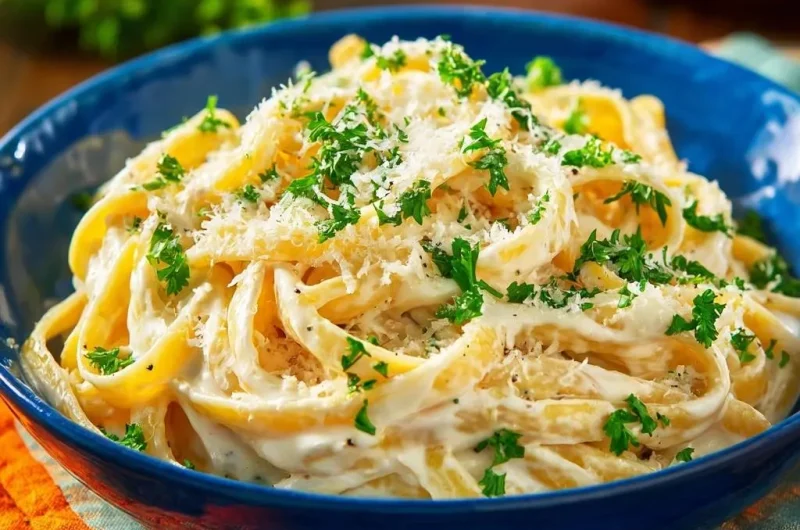
Creamy Garlic Fettuccine Alfredo
Course: Main CourseCuisine: Italian-AmericanDifficulty: easy4
servings10
minutes15
minutes25
Minutes620
kcalItalian-American
Ingredients
1 pound fettuccine pasta
1/2 cup unsalted butter
2 cups heavy cream
2 cups freshly grated Parmesan cheese (finely shredded for melting, plus extra for topping)
4 cloves garlic, minced
1/2 teaspoon freshly cracked black pepper
1/2 teaspoon salt (adjust to taste)
1/2 cup fresh curly parsley, chopped
1 cup reserved starchy pasta water
Directions
- Bring a large pot of heavily salted water to a boil. Cook the fettuccine according to package directions until just al dente.
- IMPORTANT: Before draining the pasta, scoop out 1 cup of the starchy pasta water and set it aside. This liquid gold is the key to preventing a clumpy or broken sauce.
- In a large, deep skillet over medium heat, melt the butter. Add the minced garlic and sauté for 1 minute until fragrant and softened, but do not let it brown.
- Pour in the heavy cream and bring to a gentle simmer. Reduce heat to medium-low and let it simmer for 3 to 5 minutes, whisking occasionally, until it begins to reduce and thicken slightly.
- Reduce the heat to the lowest setting. This is the critical step: gradually whisk in the freshly grated Parmesan cheese one handful at a time. Stir constantly in a figure-eight motion until the cheese is completely incorporated and the sauce is smooth.
- Add the cooked fettuccine directly into the skillet. Toss gently with tongs to coat the noodles thoroughly.
- If the sauce appears too thick or starts to tighten, whisk in the reserved pasta water 1/4 cup at a time. The starch in the water acts as a stabilizer to keep the sauce emulsified and glossy.
- Season with salt and a generous amount of freshly cracked black pepper.
- Plate the pasta in high mounds. Garnish heavily with additional finely grated Parmesan and a shower of fresh chopped parsley to match the visual presentation. Serve immediately while the sauce is at its creamiest.
Notes
- The secret to preventing a clumpy sauce is using low heat when adding the cheese and utilizing starchy pasta water to stabilize the emulsion.