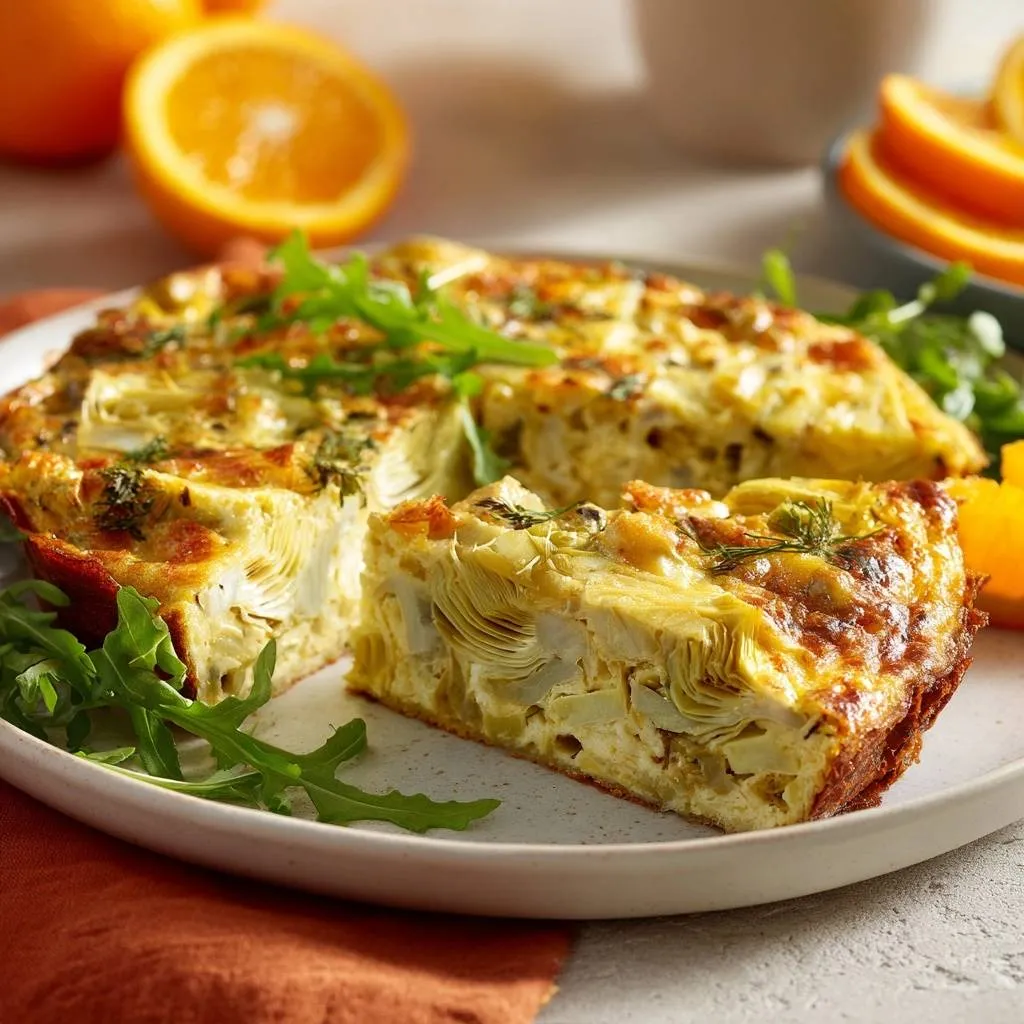
Most home cooks have experienced the disappointment of a weeping, watery frittata. You pull a beautiful golden disc from the oven, only to have it release a puddle of gray liquid the moment your knife hits the surface. This happens because vegetables like artichokes are packed with hidden moisture that turns your elegant brunch into a soggy mess.
The secret to a dense, custard-like texture lies in how you treat those vegetables before they ever touch an egg. By focusing on moisture removal and a specific fat-to-protein ratio, you can create a slice that stays firm and velvety. It’s the difference between a spongy, overcooked egg sponge and a rich, savory masterpiece that feels truly indulgent.
I’ve found that the real trick is the double-dry method for the artichokes. If you don’t squeeze them until they feel almost papery, they will steam inside the eggs rather than sear. That steam is what creates those unwanted pockets of water, so don’t be afraid to get aggressive with the paper towels.
The Science of Moisture in Egg Cookery
When you cook eggs, the proteins begin to uncoil and then bond together to form a solid structure. However, if you cook them too fast or too long, those proteins tighten up like a wrung-out sponge. This process, known as syneresis, literally squeezes the water out of the protein network, resulting in that dreaded “weeping” on your plate.
Artichokes are notorious “moisture bombs” because their porous leaves trap brine and oil. If you toss them straight from the jar into the eggs, that liquid has nowhere to go but into your custard. This recipe fights back by using a high-heat sear to evaporate surface moisture and lock the remaining juices inside the vegetable fibers.
Furthermore, the ratio of heavy cream to eggs is vital for stability. The fat in the cream acts as a buffer, preventing the egg proteins from bonding too tightly. This creates a stable emulsion that resists breaking, even if the oven temperature fluctuates slightly. You’re essentially building a structural framework that can support the weight of the artichokes without collapsing.
Essential Components for a Firm Texture
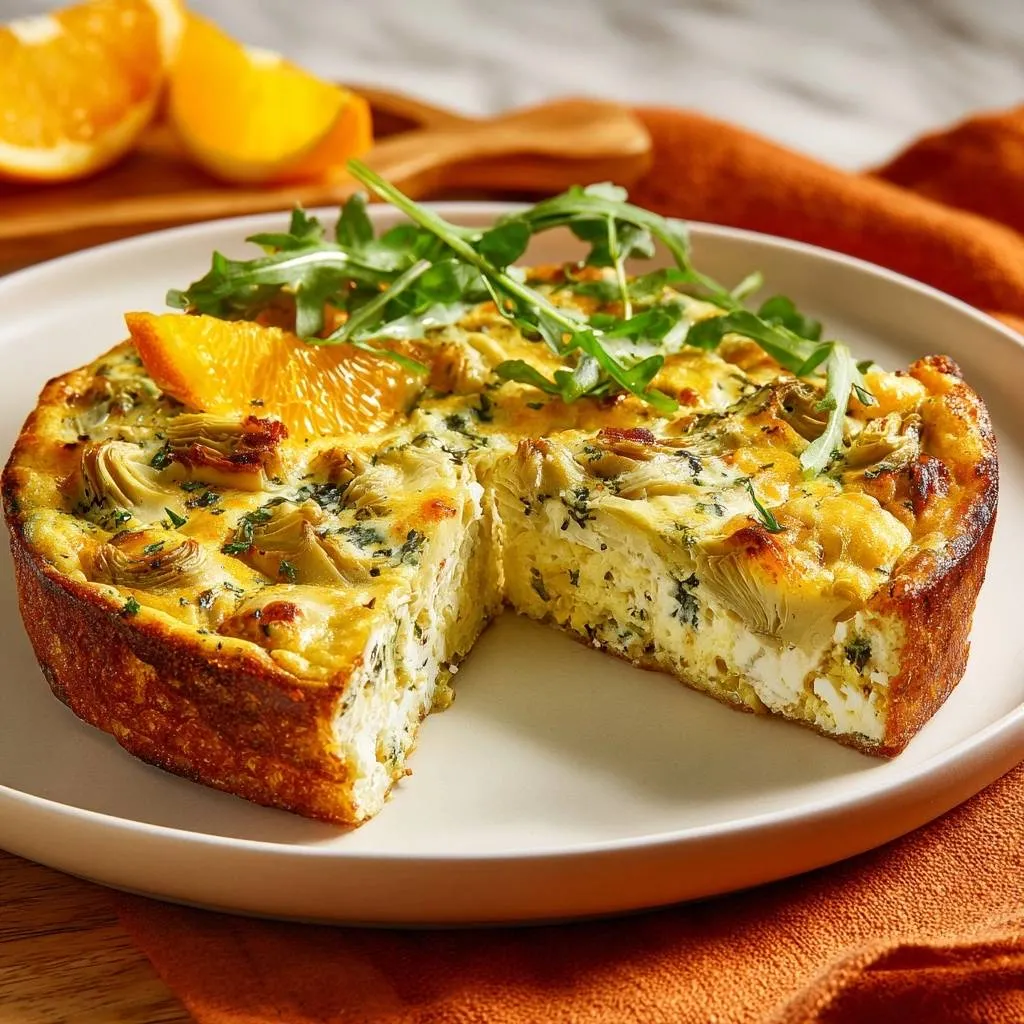
Quality ingredients are the foundation of any great dish, but in a frittata, their physical properties matter just as much as their flavor. You should always start with large, room-temperature eggs. Cold eggs can shock the hot pan and lead to uneven cooking, while room-temperature eggs whisk more easily and incorporate air for a lighter, more even lift.
Heavy cream is another non-negotiable element if you want that luxurious mouthfeel. While it’s tempting to reach for skim milk or half-and-half, lower-fat options lack the emulsifying power needed to keep the eggs tender. Without that extra fat, the eggs often turn out rubbery and tough rather than creamy and soft.
When it comes to the artichokes, you can use either canned in brine or jarred in oil. Just remember that marinated artichokes bring extra acidity and herbs to the party, which can be delicious. Regardless of your choice, you must dry them thoroughly. I recommend a “double-press” where you squeeze them once, let them sit, and then squeeze them again right before they hit the skillet.
The cheese selection also plays a functional role. Mozzarella provides that classic, gooey stretch and mild creaminess that everyone loves. Parmesan, on the other hand, adds a salty, umami punch and a bit of grit that helps the frittata hold its shape. Together, they create a balanced flavor profile that doesn’t overwhelm the delicate artichokes.
Finally, don’t swap the fresh dill for the dried stuff. Fresh dill has a bright, grassy aroma that cuts through the richness of the cream. Dried dill often tastes dusty and loses its punch during the baking process. If you can’t find dill, fresh parsley or chives are much better alternatives than anything from a spice jar.
Selecting and Preparing Artichoke Hearts
While fresh globe artichokes are a seasonal treat, they are far too much work for a simple frittata. Canned or jarred hearts are the gold standard here because they are already tender. Look for “baby” artichoke hearts if possible, as they tend to have fewer tough, fibrous outer leaves that can be unpleasant to chew.
To prepare them, drain the liquid and slice each heart into halves or quarters. Place them on a thick stack of paper towels and top with another layer. Press down firmly with the palm of your hand. You’ll be surprised at how much liquid comes out even after they look dry. This step ensures that when they hit the hot oil, they sear instead of boil.
Step-by-Step: Searing and Setting the Base
The first phase of cooking is the high-heat sear. Heat your olive oil until it shimmers, then add the dried artichokes. Resist the urge to stir them constantly. You want them to sit undisturbed for a few minutes so the Maillard reaction can occur. This creates a deep, caramelized crust that adds a nutty flavor and provides a final layer of dehydration.
While the artichokes are browning, move on to the whisking technique. You want to whisk the eggs and cream until the mixture is completely smooth and a few small bubbles form on the surface. However, don’t overdo it. If you create too much foam, the frittata will puff up like a souffle in the oven and then collapse into a wrinkled mess once it cools.
Once the artichokes are golden, reduce the heat to medium-low before adding the eggs. This is where the “stovetop start” begins. Pour the egg mixture in and let it sit for a moment. Use a heat-resistant spatula to gently lift the cooked edges, tilting the pan so the raw egg flows underneath. This builds a solid base and ensures the bottom doesn’t burn while the center is still liquid.
This method also helps distribute the heat more evenly before the pan goes into the oven. You’re looking for the bottom to be set and the edges to look slightly opaque. The top should still be quite jiggly and wet. This transition from stovetop to oven is what gives the frittata its signature height and prevents the bottom from becoming a leathery crust.
Precision Baking and the Carryover Cook
The oven should be preheated to 375°F, which is the “sweet spot” for egg dishes. This temperature is high enough to brown the cheese and create a beautiful crust, but gentle enough that it won’t cause the eggs to puff and crack. Place the skillet on the middle rack to ensure even heat distribution from both the top and bottom.
Baking usually takes between 12 and 15 minutes. You’ll know it’s ready when the center has just a slight, uniform jiggle when you shake the pan. If the center looks liquid or sloshes, give it another two minutes. Be careful not to wait until the center is completely stiff, as the eggs will continue to cook once they leave the oven.
The 5-minute resting period is perhaps the most important step in the entire recipe. During this time, carryover cooking finishes the center perfectly. It also allows the internal steam to settle. If you cut into it immediately, that steam escapes as water, and the delicate protein structure might collapse. Patience here results in a much cleaner, firmer slice.
Avoiding Common Frittata Mistakes
If your frittata sticks to the pan, it’s usually a sign that your skillet wasn’t well-seasoned or the oil wasn’t hot enough when you started. For stainless steel pans, the “Leidenfrost effect” is key—make sure the oil is shimmering before adding ingredients. If you’re using cast iron, ensure it has a smooth, non-stick patina.
A jiggly center after the full bake time often points to an oven calibration issue or using a pan that is too deep. A deep, narrow pan will take much longer to cook through than a wide 10-inch skillet. If the edges are dry and tough but the middle is perfect, you likely over-whisked the eggs or the heat was too high, causing the outer proteins to tighten too quickly.
Flavor Variations and Mediterranean Swaps
Once you master the base technique, you can swap ingredients easily. If you want to use sun-dried tomatoes or roasted red peppers, treat them just like the artichokes. Pat them extremely dry to remove excess oil or vinegar. These add a punchy sweetness that pairs beautifully with the salty parmesan.
For herb swaps, try fresh basil or flat-leaf parsley. If you want a more pungent flavor, a little bit of fresh oregano goes a long way. Just remember to add these fresh herbs to the egg mixture rather than the hot pan to preserve their bright color and delicate oils.
If you need a dairy-free option, you can use full-fat coconut milk or a thick cashew cream. However, be aware that nut milks don’t have the same protein structure as dairy. The resulting frittata will be softer and less “bouncy” than the original version. Avoid thin milks like almond or rice milk, as they will almost certainly lead to a watery result.
Plating with Arugula and Citrus
Serving this frittata over a bed of fresh arugula isn’t just for looks. The peppery bite of the greens provides a necessary contrast to the rich, fatty eggs and cream. It turns a heavy breakfast dish into a balanced, sophisticated meal that feels light enough for a weekend lunch.
The orange wedges are the secret weapon here. Instead of a heavy vinaigrette, simply squeeze the fresh orange juice directly over the arugula and the frittata slice. The bright acidity of the citrus cuts through the richness of the mozzarella and highlights the earthy notes of the seared artichokes. It’s a simple trick that makes the whole dish pop.
Make-Ahead Strategies and Storage
Frittatas are actually better for meal prep than omelets because they hold their structure when cold or reheated. You can store leftovers in an airtight container in the fridge for up to three days. They make a fantastic quick breakfast or a cold desk lunch when sliced thin and tucked into a sandwich.
When reheating, avoid the microwave if possible, as it can make the eggs rubbery and tough. Instead, use a toaster oven or a regular oven at 350°F for about 5 to 8 minutes. This helps crisp up the edges of the artichokes again and warms the center gently without overcooking the proteins. If you must use a microwave, use 50% power in short bursts.
Expert Troubleshooting
Can I use frozen artichokes instead of canned?
Yes, you can use frozen artichoke hearts, but they require extra care. Thaw them completely in the refrigerator first. Once thawed, they will be even more water-logged than canned versions. You must squeeze them very firmly between paper towels to remove the excess water, or your frittata will definitely turn out soggy.
What is the best skillet size for an 8-egg frittata?
A 10-inch skillet is the ideal size for this recipe. It provides enough surface area for the artichokes to sear properly without crowding the pan. It also ensures the egg layer is about an inch thick, which allows for a perfect balance between a set bottom and a creamy center. Using a 12-inch pan will result in a very thin, dry frittata, while an 8-inch pan will be too deep and may stay raw in the middle.
Why did my dill turn dark or black?
Fresh herbs like dill are very sensitive to heat. If you sauté the dill with the artichokes, it will oxidize and turn dark. To keep the color vibrant and the flavor fresh, always whisk the herbs into the cold egg and cream mixture. This protects the herbs until the frittata goes into the oven, where they will cook gently as the eggs set.
How do I know exactly when the center is set?
Use the “jiggle test.” Give the skillet a gentle shake while it’s still in the oven. The edges should be firm and stable, but the very center (about the size of a silver dollar) should have a slight, jelly-like wobble. If it ripples like liquid, it needs more time. If it doesn’t move at all, it’s likely overcooked, so pull it out immediately to let the carryover heat finish the job.
Mediterranean Artichoke Frittata
Course: Main CourseCuisine: MediterraneanDifficulty: easy6
servings10
minutes25
minutes35
Minutes210
kcalMediterranean
Ingredients
8 large eggs
1/2 cup heavy cream
2 cups canned or jarred artichoke hearts, drained and patted very dry
1/2 cup shredded mozzarella cheese
1/4 cup grated parmesan cheese
2 tablespoons olive oil
1 tablespoon fresh dill, chopped (plus extra for garnish)
1/2 teaspoon garlic powder
1/2 teaspoon salt
1/4 teaspoon black pepper
2 cups fresh arugula for serving
2 fresh oranges, sliced into wedges for garnish
Directions
- Preheat your oven to 375°F (190°C).
- The secret to a non-watery frittata is moisture removal. Take your drained artichoke hearts and slice them into halves or quarters. Press them firmly between double layers of paper towels to squeeze out every drop of brine or oil.
- Heat olive oil in a 10-inch oven-safe non-stick or well-seasoned cast iron skillet over medium-high heat. Add the dried artichokes and sear them for 4 to 5 minutes without moving them too much, until the edges are deeply golden brown and caramelized.
- While artichokes sear, whisk the eggs, heavy cream, garlic powder, salt, and pepper in a large bowl until completely smooth and slightly aerated. Stir in the fresh dill.
- Reduce the skillet heat to medium-low. Spread the seared artichokes evenly across the pan. Sprinkle the mozzarella and parmesan cheeses directly over the artichokes.
- Pour the egg mixture over the ingredients. Use a heat-resistant spatula to gently lift the edges of the cooked egg to let the raw egg flow underneath for about 2 to 3 minutes, until the bottom is set but the top is still liquid.
- Transfer the skillet to the oven. Bake for 12 to 15 minutes, or until the center is just set and the top has developed a light golden-brown crust.
- Remove from the oven and let the frittata rest in the pan for 5 minutes. This carryover cooking ensures the center is fully firm and prevents the eggs from releasing steam (wateriness) when sliced.
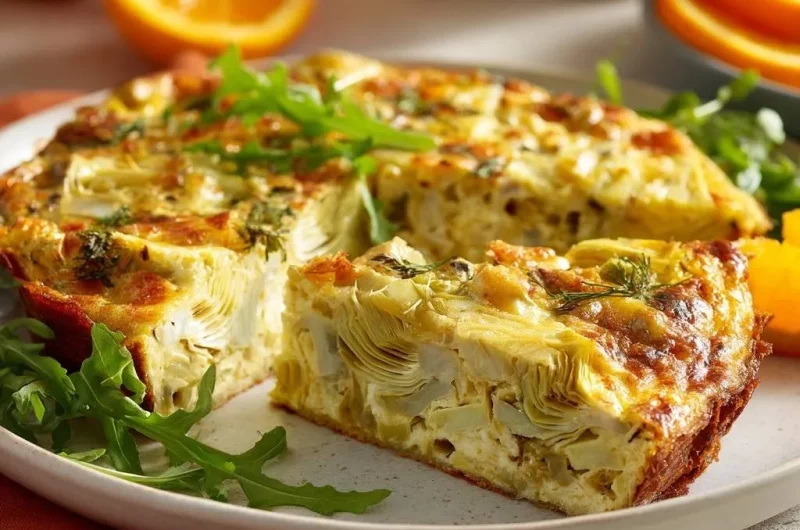
- Slice into thick wedges. Serve immediately over a bed of fresh arugula with orange wedges on the side. The citrus juice squeezed over the arugula provides the perfect acidic balance to the rich, savory artichokes.
Notes
- To prevent a watery texture, ensure artichokes are pressed very dry with paper towels before searing. Resting the frittata for 5 minutes after baking is essential for the center to set completely.