
STANLEY Quencher ProTour Flip Straw Tumbler with Leakproof Lid | Built-In Straw & Handle | Cupholder Compatible for Travel | Insulated Stainless Steel Cup | BPA-Free
$26.25 (as of December 20, 2025 09:13 GMT +00:00 - More infoProduct prices and availability are accurate as of the date/time indicated and are subject to change. Any price and availability information displayed on [relevant Amazon Site(s), as applicable] at the time of purchase will apply to the purchase of this product.)
Electric Salt and Pepper Grinder Set Automatic Battery Pepper Mill Shakers Adjustable Coarseness Upgraded Larger Capacity with Led Home and Kitchen Appliances Christmas Gifts for Women
$29.99 (as of December 20, 2025 09:13 GMT +00:00 - More infoProduct prices and availability are accurate as of the date/time indicated and are subject to change. Any price and availability information displayed on [relevant Amazon Site(s), as applicable] at the time of purchase will apply to the purchase of this product.)
Btclink WiFi Sub-1G Smart Meat Thermometer Unlimited Range, 7 NIST-Cert.Sensors Magnetic Large-Display Smart Base, IP68 Wireless BBQ Grill &Smoker Thermometer, App&Standalone Monitoring(1,Black,Small)
$39.99 (as of December 20, 2025 09:13 GMT +00:00 - More infoProduct prices and availability are accurate as of the date/time indicated and are subject to change. Any price and availability information displayed on [relevant Amazon Site(s), as applicable] at the time of purchase will apply to the purchase of this product.)
Charcuterie Board Gift Set - Bamboo Cheese Board and Knife Set - Housewarming Gifts for New Home, Wedding Gifts for Couples 2025, Bridal Shower Gifts, Birthday Gifts for Women
$39.99 (as of December 20, 2025 09:13 GMT +00:00 - More infoProduct prices and availability are accurate as of the date/time indicated and are subject to change. Any price and availability information displayed on [relevant Amazon Site(s), as applicable] at the time of purchase will apply to the purchase of this product.)
Owala SmoothSip Slider Insulated Stainless Steel Coffee Tumbler, Reusable Iced Coffee Cup, Hot Coffee Travel Mug, BPA Free 12 oz, Pink/Tan (Daybreak)
$19.99 (as of December 20, 2025 09:13 GMT +00:00 - More infoProduct prices and availability are accurate as of the date/time indicated and are subject to change. Any price and availability information displayed on [relevant Amazon Site(s), as applicable] at the time of purchase will apply to the purchase of this product.)Ever scoop up a forkful of penne only to watch the tomato sauce slide right off into a watery puddle? Restaurants nail that glossy, clinging sauce every time, but home cooks often end up with slip-sliding noodles. This Penne Pomodoro recipe changes everything in under 30 minutes.
Here’s why it works so well. You grab everyday ingredients like crushed tomatoes and penne, then use one pro trick to mimic that silky restaurant finish. No more sauce pooling at the bottom of your bowl.
The secret lies in reserving starchy pasta water. It emulsifies the sauce into a creamy tomato coating that hugs every ridge of the penne perfectly. You’ll smell the garlic blooming and taste pure Italian comfort on weeknights.
Core Ingredients for Silky Penne Pomodoro
Pasta and Tomatoes: Foundation Choices
Penne pasta’s ridges trap sauce like nothing else. Smooth shapes like spaghetti let it slip away, but these tubes hold on tight. Use 1 pound for four hearty servings in your Penne Pomodoro recipe.
Grab a 28-ounce can of crushed tomatoes for the base. San Marzano varieties offer sweeter, less acidic flavor than standard cans, and their texture breaks down smoothly for emulsification. Fresh tomatoes work too, but canned deliver consistent results without extra chopping.
Cook the penne al dente to release maximum starch. That starch powers the glossy, emulsified pasta sauce later. Therefore, always check the package time and taste a noodle early.

Garlic, Oil, and Seasonings Breakdown
Olive oil, at 1/4 cup, acts as the emulsifier’s backbone. It binds with starch for that creamy tomato sauce cling. Choose extra-virgin for brighter flavor that shines in Penne Pomodoro.
Slice 4 garlic cloves thin, not minced. Thin slices cook evenly without bitter edges from over-browning. Sauté them first, and you’ll catch that nutty aroma right away.
Fresh basil leaves, torn into 1/4 cup, add punchy brightness at the end. Grated Parmesan, 1/2 cup, melts in for creaminess without curdling. In addition, tomatoes pack lycopene for a health boost in every bite.
Step-by-Step: Building Emulsified Penne Pomodoro Sauce
Boil Pasta and Reserve Starchy Water
Fill a large pot with water, salt it generously like seawater, and bring to a boil. Add 1 pound penne and cook until al dente, around 11 minutes. Check the package since brands vary.
Before draining, scoop out 1 cup starchy pasta water. This cloudy liquid is gold for your non-watery sauce in Penne Pomodoro. Drain the rest, but don’t rinse; you want that surface starch.
Common mistake? Overcooking makes pasta mushy and starch-heavy in a bad way. Taste test at 10 minutes. The hot pasta also reheats the sauce perfectly later.
Sauté Garlic and Simmer Tomato Base
Heat 1/4 cup olive oil in a large skillet over medium. Add thinly sliced garlic and cook for 1 minute. You’ll smell fragrance blooming, but pull it off heat if it starts to brown.
Stir in the crushed tomatoes, 1 teaspoon salt, and 1/2 teaspoon pepper. Simmer 8 to 10 minutes, stirring now and then. Watch the color deepen to rusty red and aromas fill your kitchen as it thickens.
Evaporation cuts wateriness here. If it bubbles too hard, lower the heat. You’re aiming for a sauce that coats the back of a spoon lightly.
Toss Pasta into Sauce for Glossy Emulsion
Dump the drained penne straight into the skillet. Pour in 1/2 cup reserved pasta water and toss vigorously over medium heat for 1 to 2 minutes. The starch interacts with oil and tomatoes for silky magic.
Feel the sauce transform from loose to emulsified pasta sauce that clings. Add pasta water 1 tablespoon at a time if it’s too thick. Medium heat keeps it glossy without breaking.
This step mimics restaurant methods. Your Penne Pomodoro will look and taste pro-level now. Pro tip: Use tongs for better control on the toss.
Final Stir and Plating Technique
Take the skillet off heat. Stir in torn basil and 1/2 cup grated Parmesan until it melts evenly. The residual heat preserves basil’s fresh pop.
Serve right away with extra cheese on top. Twirl portions into bowls for that inviting pile-up. Timing prevents separation, so plate fast.
Science of Starchy Water in Penne Pomodoro
Starch Emulsification Explained
Pasta water carries amylose and amylopectin starches. They bind oil, tomatoes, and cheese into a stable emulsion for your Penne Pomodoro recipe. Without it, sauce pools watery at the bottom.
Think cacio e pepe, where starch creates silkiness. Here, it coats penne ridges perfectly. Microscopically, starch granules swell and link fat droplets to tomato acids.
Restaurants swear by this for creamy tomato sauce. You get the same clinging glory at home. Therefore, never skip reserving that cup.
Heat and Agitation Dynamics
The skillet toss generates friction to release more starch. Medium heat activates it without scorching. Tomatoes’ acidity balances pH for stability.
Too much water dilutes; too little dries it out. Start with 1/2 cup and adjust. This nails Penne Pomodoro consistency every time.
Pro tip: Hot pasta transfers heat evenly. That’s why you add it directly, not after cooling.
Avoiding Pitfalls in Penne Pomodoro
Preventing Watery or Separated Sauce
Skipping pasta water causes pooling. Always reserve it, and toss vigorously. Over-boiled pasta releases excess starch that turns gummy.
If sauce splits mid-cook, splash in a tablespoon of pasta water and whisk fast. High heat splatters and breaks emulsion, so stick to medium. Cold-start garlic prevents bitterness too.
Simmer exactly 8 to 10 minutes for evaporation. Your Penne Pomodoro stays glossy and restaurant-perfect.
Garlic Browning and Overcooking Fixes
Thin slices and medium-low heat stop burning. If garlic browns, fish it out and start fresh; bitterness ruins the dish. Watch like a hawk for that 1-minute mark.
Al dente timing: De Cecco takes 11 minutes, Barilla 10. Test by biting; it should have a firm center. For basil, add off-heat to avoid wilting into mush.
Parmesan clumps if not grated fresh. Use a Microplane for melt-in silkiness. These tweaks ensure flawless Penne Pomodoro.
Flavor Variations for Penne Pomodoro
Herb and Cheese Swaps
Swap basil for oregano or parsley for earthier vibes. Pecorino Romano adds sharper tang over Parmesan. Chili flakes bring heat without overpowering the creamy tomato sauce.
For vegan Penne Pomodoro, use nutritional yeast instead of cheese. It melts similarly and keeps emulsification intact. Taste as you go for balance.
These keep the clinging sauce core. Oregano version tastes like nonna’s kitchen.
Vegetable and Protein Additions
Stir spinach or mushrooms after emulsifying; they wilt without diluting sauce. Roasted veggies like zucchini add heartiness. Shrimp goes in last for tender bites.
Balance acidity with cherry tomatoes halved in the simmer. These boost nutrition while highlighting pure tomato essence. Don’t overload, or sauce loses cling.
Pro tip: Proteins release moisture, so pat dry first.
Pairing Sides with Penne Pomodoro
Crisp Salads and Breads
Arugula salad with lemon vinaigrette cuts through richness perfectly. It contrasts the emulsified pasta sauce’s silkiness. Garlic bread or focaccia sopps up every drop.
Chianti’s acidity matches tomatoes, or try Sauvignon Blanc for freshness. These build a balanced Italian meal around your Penne Pomodoro.
Simple sides let the dish shine. You’ll crave seconds.
Light Proteins and Veggies
Grilled chicken or shrimp skewers add lean protein. Eggplant rounds or roasted broccoli bring char without heaviness. Aim for 1 cup pasta per person with sides.
These highlight Penne Pomodoro’s essence. Veggies echo tomato brightness.
Make-Ahead Strategies for Penne Pomodoro
Prep and Storage Best Practices
Cook pasta and sauce separately. Store in airtight containers up to 3 days in the fridge. Reheat pasta with a splash of fresh pasta water to re-emulsify.
Freeze sauce only for 1 month; pasta gets mushy. Thaw overnight, then simmer gently. This keeps your Penne Pomodoro tasting fresh.
Prep garlic and basil ahead. You’ll have dinner ready in minutes.
Penne Pomodoro Troubleshooting
Sauce Too Thick or Thin?
Too thin? Toss longer to evaporate or skip extra water. Thick? Add pasta water 1 tablespoon at a time until glossy. Stir fast for even texture in your creamy tomato sauce.
Pasta Sticking or Lacking Flavor?
Sticking means low starch; use more pasta water next time. Flavor flat? Salt the boiling water more generously. Add basil later for pop, and taste sauce before tossing.
Vegetarian/Vegan Adaptations?
Skip Parmesan for vegan; nutritional yeast or vegan cheese works. Olive oil emulsifies fine without dairy. Nutrition stays high in lycopene and fiber.
Scaling for Crowds?
Double everything for eight, but use a wider skillet for tossing. Cook pasta in two pots if needed. Re-emulsify in batches for perfect cling.
FAQ
How do I store leftovers of Penne Pomodoro?
Store cooled pasta and sauce separately in airtight containers in the fridge for up to 3 days. Reheat pasta by tossing in a skillet with a splash of fresh pasta water over medium heat to revive the emulsion. Don’t freeze the combined dish; pasta turns mushy, but sauce alone freezes well for 1 month. Thaw overnight and simmer gently before using.
Why is my Penne Pomodoro sauce watery?
The top culprit is skipping reserved pasta water or not tossing vigorously enough; starch needs agitation to emulsify properly. Overcooked pasta releases too much starch poorly, leading to gumminess instead. Fix by simmering longer to evaporate excess liquid, then add penne hot and toss 2 full minutes. Always use medium heat to avoid breaking the sauce.
Can I substitute ingredients in Penne Pomodoro?
No crushed tomatoes? Use whole peeled canned tomatoes, crushed by hand for texture. Swap penne for rigatoni; its ridges still cling well. For dairy-free, replace Parmesan with nutritional yeast or vegan shreds, keeping the starch toss intact for emulsified pasta sauce. Avoid fresh tomatoes alone; they release too much water without simmering down.
Why did my garlic burn and make the sauce bitter?
Thin slicing and medium heat prevent this; minced garlic cooks too fast. Start with cold oil if your burner runs hot. If it browns, remove slices immediately and add fresh ones. Bitterness fades with simmering, but prevention ensures sweet, fragrant Penne Pomodoro every time.
How do I make vegan Penne Pomodoro?
Omit Parmesan and use nutritional yeast or vegan Parmesan alternative, about 1/2 cup stirred off-heat. The olive oil and pasta starch handle emulsification solo for creamy tomato sauce. Boost umami with extra garlic or a teaspoon of miso paste. It tastes just as silky and clings perfectly.
Can I add protein to Penne Pomodoro without ruining the sauce?
Yes, stir in cooked shrimp, grilled chicken, or chickpeas after emulsifying to avoid diluting starch. Pat proteins dry first to prevent water release. For veggies like spinach, wilt them in post-toss. This keeps the glossy coating intact while adding nutrition and heartiness.

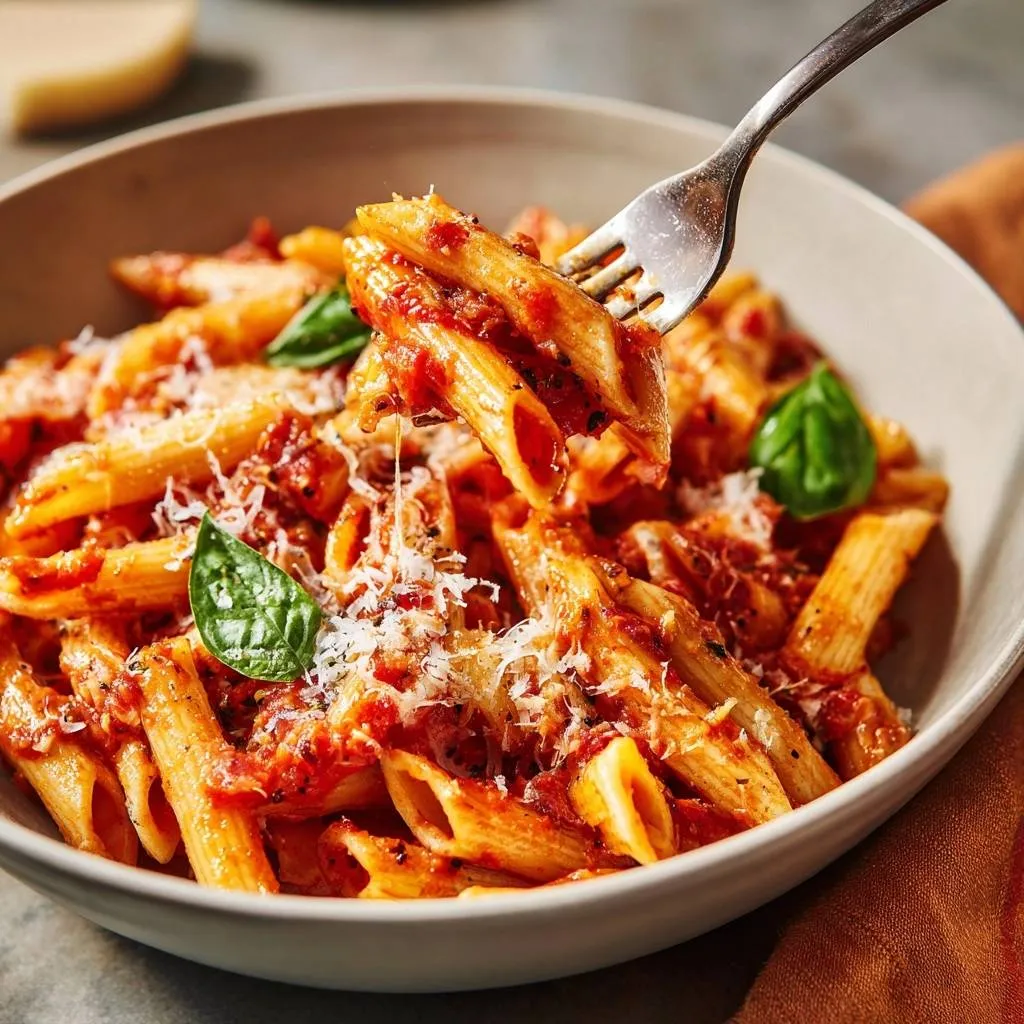
Penne Pomodoro
Course: Main CourseCuisine: ItalianDifficulty: easy4
servings10
minutes20
minutes30
Minutes550
kcalItalian
Ingredients
1 pound penne pasta
1 (28-ounce) can crushed tomatoes
1/4 cup olive oil
4 garlic cloves, thinly sliced
1 teaspoon salt
1/2 teaspoon black pepper
1/4 cup fresh basil leaves, torn
1/2 cup grated Parmesan cheese, plus more for serving
Directions
- Bring a large pot of salted water to a boil. Add penne and cook until al dente, about 11 minutes (check package). Before draining, reserve 1 cup of the starchy pasta water, then drain the pasta.
- While pasta cooks, heat olive oil in a large skillet over medium heat. Add sliced garlic and cook 1 minute until fragrant but not browned. Stir in crushed tomatoes, salt, and pepper. Simmer 8 to 10 minutes, stirring occasionally, until slightly thickened.
- Add drained penne directly to the skillet with the sauce. Pour in 1/2 cup reserved pasta water. Toss vigorously over medium heat for 1 to 2 minutes. The starch from the water will emulsify the sauce, creating a silky, clinging texture that coats every noodle perfectly, no wateriness. Add more pasta water, 1 tablespoon at a time, if needed for glossiness.
- Remove from heat. Stir in torn basil and grated Parmesan. Serve immediately with extra cheese on top.
Notes
- Reserve pasta water before draining to emulsify the sauce for a silky texture. Toss vigorously to achieve the perfect clingy sauce.
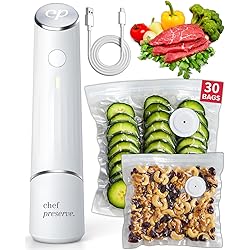
Chef Preserve Compact Vacuum Sealer for Food (Vacuum Sealer Machine + 30 Reusable Vacuum Bags) Powerful Handheld Vacuum Sealer Machine, Seal Meal Saver, Portable Food Sealer
$99.00 (as of December 20, 2025 09:13 GMT +00:00 - More infoProduct prices and availability are accurate as of the date/time indicated and are subject to change. Any price and availability information displayed on [relevant Amazon Site(s), as applicable] at the time of purchase will apply to the purchase of this product.)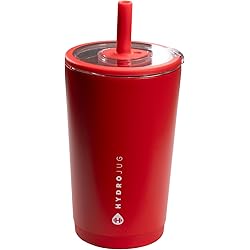
HydroJug Everyday Tumbler 14 oz – Ceramic-Lined Insulated Tumbler with Straw and Soft-Touch Lid, Cup Holder Friendly, Double-Wall Vacuum Insulation, Reusable Travel Cup – Alumni Red
$19.99 (as of December 20, 2025 09:13 GMT +00:00 - More infoProduct prices and availability are accurate as of the date/time indicated and are subject to change. Any price and availability information displayed on [relevant Amazon Site(s), as applicable] at the time of purchase will apply to the purchase of this product.)
Chapter Book Mug Novelty Coffee Mugs, 3D Painted Book Mugs for Books Lovers, 11Oz Novelty Books Coffee Cup, Unique Glass Coffee Cup Gift for Readers
$23.99 (as of December 20, 2025 09:13 GMT +00:00 - More infoProduct prices and availability are accurate as of the date/time indicated and are subject to change. Any price and availability information displayed on [relevant Amazon Site(s), as applicable] at the time of purchase will apply to the purchase of this product.)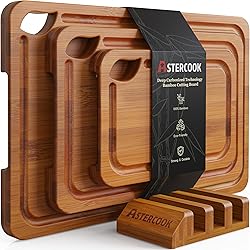
Astercook Deep-Carbonized Bamboo Cutting Boards for Kitchen with Wood Storage Stand, Reversible Charcuterie & Chopping Boards with Juice Grooves and Easy-Grip Handles, Knife-Friendly, Kitchen Gift
$24.99 (as of December 20, 2025 09:13 GMT +00:00 - More infoProduct prices and availability are accurate as of the date/time indicated and are subject to change. Any price and availability information displayed on [relevant Amazon Site(s), as applicable] at the time of purchase will apply to the purchase of this product.)