Amazon Basics Ceramic Nonstick Cookware, 3-Piece Set of Pans, All Cooktop Friendly, Dishwasher-Safe, Linen Gray
(as of December 20, 2025 09:13 GMT +00:00 - More infoProduct prices and availability are accurate as of the date/time indicated and are subject to change. Any price and availability information displayed on [relevant Amazon Site(s), as applicable] at the time of purchase will apply to the purchase of this product.)
SMIRLY Charcuterie Large Bamboo Cheese Board Set for Serving - House Warming Gifts for New Home, Wedding, Bridal Shower & Birthday, for Women
$39.99 (as of December 20, 2025 09:13 GMT +00:00 - More infoProduct prices and availability are accurate as of the date/time indicated and are subject to change. Any price and availability information displayed on [relevant Amazon Site(s), as applicable] at the time of purchase will apply to the purchase of this product.)
Sok It JavaSok Iced Coffee & Cold Soda Insulated Neoprene Cup Sleeve (Horcrux, Medium: 22-28oz)
$6.80 (as of December 20, 2025 09:13 GMT +00:00 - More infoProduct prices and availability are accurate as of the date/time indicated and are subject to change. Any price and availability information displayed on [relevant Amazon Site(s), as applicable] at the time of purchase will apply to the purchase of this product.)
Ninja | French Door Premier | Air Fryer, Convection Oven, Toaster | 5-qt Air Fry Basket, Sheet Pan, Wire Rack, Broil Rack | PFAS-free Cooking Surface, Dishwasher-safe Accessories | FO101 (NEW)
$199.95 (as of December 20, 2025 09:13 GMT +00:00 - More infoProduct prices and availability are accurate as of the date/time indicated and are subject to change. Any price and availability information displayed on [relevant Amazon Site(s), as applicable] at the time of purchase will apply to the purchase of this product.)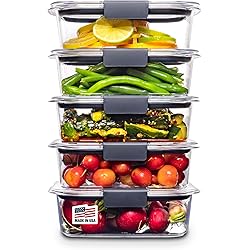
Rubbermaid Brilliance Food Storage Containers BPA Free Airtight Lids Ideal for Lunch Meal Prep & Leftovers Set of 5 (3.2 Cup)
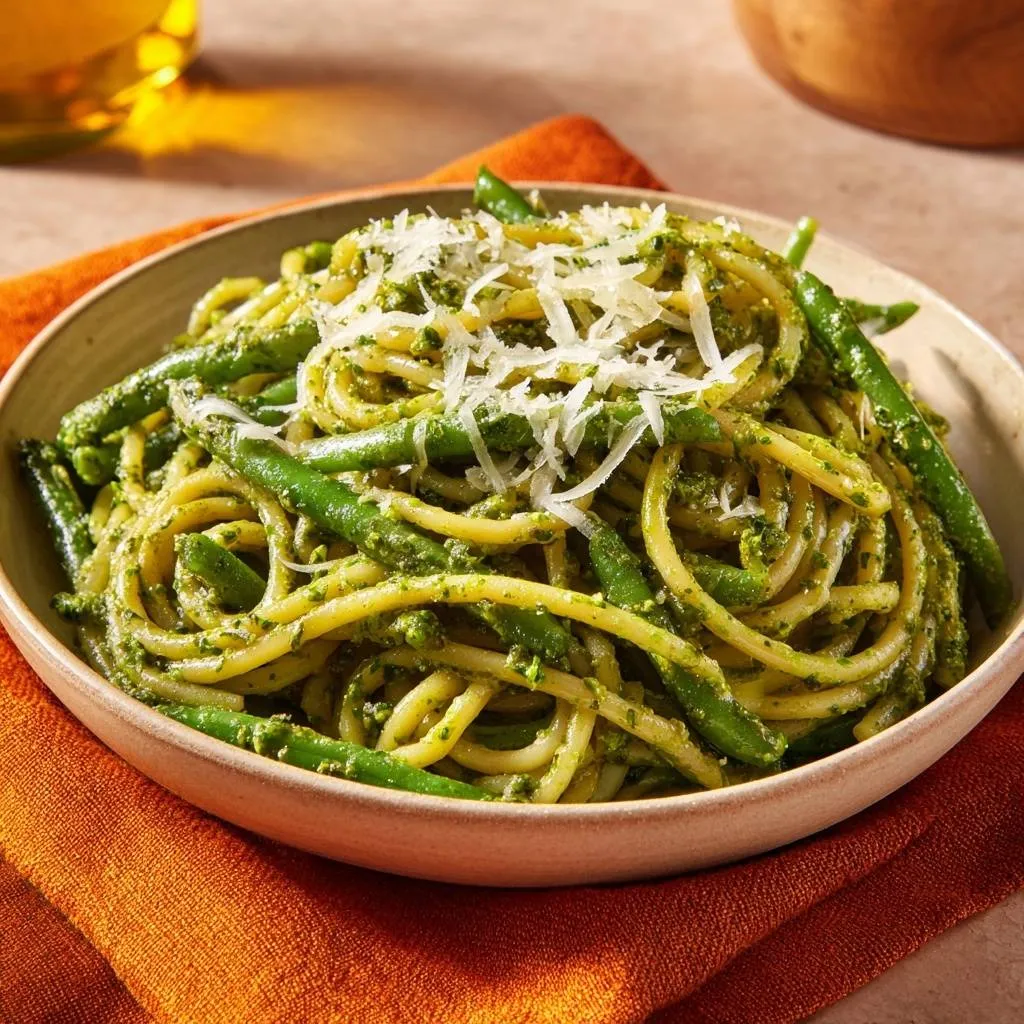
$29.98 (as of December 20, 2025 09:13 GMT +00:00 - More infoProduct prices and availability are accurate as of the date/time indicated and are subject to change. Any price and availability information displayed on [relevant Amazon Site(s), as applicable] at the time of purchase will apply to the purchase of this product.)Ever bite into pasta expecting that fresh snap from green beans, only to get mush instead? This pesto pasta with green beans ends that frustration fast. You’ll have dinner ready in under 25 minutes for four servings, around 450 calories each. The blanch-and-shock trick keeps beans vibrant and crisp-tender, blending perfectly with nutty, basil-packed pesto.
That’s why this dish shines for busy weeknights. It fuses Italian pesto vibrancy with that perfect bean crunch, no sogginess in sight. You’ll smell the fresh basil aroma filling your kitchen as the garlicky sauce clings to every noodle.
Here’s the expertise boost: blanch those beans for exactly two minutes, then shock them in ice water. That halts the cooking instantly, preserving chlorophyll for that bright green pop and locking in texture. No more limp veggies ruining your plate.
Why Blanching Transforms Green Beans
Blanching followed by an ice bath works wonders on green beans. It preserves chlorophyll, so they stay bright green instead of dull olive. Enzymes that soften them deactivate quickly, and pectin in the cell walls holds firm for crisp-tender bite.
Boiled beans turn mushy because heat breaks down those structures over time. However, this thermal shock drops them from boiling to icy cold in seconds. Studies on vegetable texture show it retains up to 30% more snap for hot pasta tosses.
In addition, it prevents sogginess when mixed with warm pesto-coated noodles. You’ll get that satisfying crunch every time. Fresh green beans integrate seamlessly without losing their edge.

Timing Precision for Peak Crispness
Stick to exactly two minutes for blanching standard green beans. Thinner haricots verts might need just 90 seconds. Overcooking breaks cell walls, leading to mush.
Therefore, use a timer religiously. Test doneness by biting one; it should resist slightly. This precision ensures peak crispness in your pesto pasta.
Ice Bath Mechanics Explained
Fill a large bowl with ice and four parts cold water. Plunge beans in for one full minute; it shocks them from 212°F to near freezing fast. This stops residual heat from softening them further.
If no ice, run under cold tap water works okay but slower. Drain on a towel right after. Perfect ratio keeps things efficient for weeknight cooking.
Key Ingredients for Vibrant Pesto Pasta
Fresh basil leaves pack volatile oils that burst with aroma in your pesto. Use two cups packed for bold flavor that clings to pasta. Grated Parmesan adds umami binding, while its freshness melts smoothly unlike pre-shredded.
Pine nuts or walnuts bring fats for stable emulsion, plus toasted depth. Garlic cloves amp up savoriness, but don’t overdo or it overwhelms. Green beans provide fiber that pairs with pasta carbs for balanced nutrition.
Extra-virgin olive oil ties it all. Source peak-season basil for best results; it’s cheaper and punchier. Sub walnuts if pine nuts cost too much, but toast them first.
Nut Selection: Pine Nuts vs. Walnuts
Toasted pine nuts deliver buttery richness that melts into pesto. Walnuts offer earthier bite at lower cost. Toasting triggers Maillard reaction for nutty depth; spread on a sheet pan at 350°F for 5-7 minutes.
Stir halfway to avoid burning. Therefore, either works great in this recipe. Pick based on your pantry and budget.
Olive Oil’s Emulsification Power
Extra-virgin olive oil’s polyphenols stabilize pesto and help it cling to noodles. Drizzle slowly while pulsing to avoid separation. Store leftovers topped with a thin oil layer to fight oxidation.
It emulsifies like mayonnaise for silky texture. Use 1/2 cup here; fresher oil means brighter flavor in every bite.
Step-by-Step: Blanching Green Beans First
Bring a large pot of salted water to a rolling boil, about one tablespoon salt per four quarts. Prep an ice bath nearby. Add trimmed, two-inch green bean pieces for exactly two minutes until bright green.
They’ll smell sweetly vegetal. Immediately scoop into ice bath for one minute; the water turns chilly fast. Drain, pat dry gently with a towel to avoid diluting pesto later. Reuse the same pot for efficiency.
This keeps beans snappy. Common mistake: skipping the dry pat, which waters down sauce. Pro tip: batch blanch if doubling for crowds.
Preparing the Ice Bath Setup
Use a big bowl with one part ice to four parts water. Submerge beans fully for one minute; swirl gently. Lift out with a slotted spoon onto a clean towel.
Pat dry absorbs excess moisture. Scale up bowl size for more beans. This setup prevents any sogginess in your toss.
Step-by-Step: Cooking Al Dente Pasta
In the same pot, boil eight ounces linguine or spaghetti until al dente, about 9-10 minutes. Taste test: it should have a firm bite. Salt the water generously for flavor infusion.
Reserve 1/2 cup starchy pasta water before draining; it helps sauce cling later. Drain while hot to retain steam for tossing. Keeps everything cohesive without gumminess.
Step-by-Step: Crafting Fresh Pesto Sauce
In a food processor, pulse two cups basil, 1/3 cup Parmesan, 1/4 cup toasted nuts, two garlic cloves, and salt until chopped. Run motor and drizzle in 1/2 cup olive oil slowly for smooth emulsion.
It’ll turn vibrant green and creamy. Taste; add pepper or lemon juice for zing. Yields about one cup, perfect for coating without excess.
Pro tip: fresh garlic mellows better than jarred. Avoid over-processing or basil bruises and darkens.
Processor Pulse Technique
Pulse dry ingredients first to chop evenly, preventing oil pools. Sharp blades emulsify best; dull ones leave chunks. For authenticity, use a mortar and pestle pounding gently.
Slow drizzle creates that silky bind. Hand method gives brighter flavor if you’re patient.
Step-by-Step: Tossing for Perfect Cling
Back in the warm pasta pot over low heat, add drained pasta, blanched beans, and pesto. Splash in reserved pasta water one tablespoon at a time until saucy but not soupy.
Stir one minute; everything heats evenly with beans staying crisp. The starch helps pesto coat noodles perfectly. Serve right away topped with extra Parmesan.
Avoiding Mushy Green Beans Pitfalls
Top mistake: skipping the ice shock, so beans overcook from residual heat. Fix by always plunging immediately. Over-blanching past two minutes breaks cells; time it strictly.
Don’t toss wet beans; pat dry first or pesto dilutes. Cold pasta won’t marry sauce well, so use hot noodles. Reheating fully assembled softens snap, so separate if storing.
Pro tip: microwave blanching doesn’t shock effectively, leading to mush. Stick to stovetop for best results.
Post-Toss Texture Preservation
Serve immediately to lock in bean snap; heat continues softening otherwise. For storage, chill beans and pasta separate. Reheat pasta with steam, adding beans last minute.
This maintains crunch up to two days later. Avoid nuking the whole dish.
Flavor Variations for Pesto Pasta
Swap basil for arugula for peppery kick. Use almonds instead of pine nuts for crunch. Pecorino replaces Parmesan for sharper tang.
Add halved cherry tomatoes for juiciness or chickpeas for heartiness. Try wax beans seasonally for milder sweetness. All keep the crisp texture intact.
For vegan, use nutritional yeast. These tweaks keep it fresh and exciting.
Nut-Free and Vegan Adaptations
Sunflower seeds emulsify well as nut swap; toast for flavor. Nutritional yeast mimics Parmesan umami perfectly. Boost with extra lemon zest for brightness.
Fiber and nutrition stay high. Texture holds just as crisp.
Pairing Sides with Pesto Pasta
Pair with crisp green salad to cut richness. Grilled zucchini or eggplant adds smokiness. Crusty bread sopps up any extra sauce beautifully.
Sparkling cranberry juice refreshes alongside. Add shrimp or tofu for protein punch. Builds a balanced, vibrant plate.
Make-Ahead Strategies for Pesto Pasta
Blanch and dry beans a day ahead; store airtight. Make pesto up to three days early, seal with oil layer. Cook pasta fresh for best al dente.
Assemble just before serving. Freeze pesto in cubes and beans separate for two months. Thaw overnight, reheat gently with pasta water.
Frequently Asked Questions on Pesto Pasta
Can I Use Frozen Green Beans?
Fresh beats frozen for snap, as freezing ruptures cells slightly. If using frozen, partially thaw and skip blanch; toss directly but expect softer texture. Blanching risks mush from extra water release.
Adjust by adding fewer to avoid dilution. Fresh gives that vibrant crunch this recipe promises, so grab them when possible for peak results.
How to Fix Watery Pesto Sauce?
Too much pasta water dilutes it; start with less and add gradually. Sprinkle in extra Parmesan; starch and protein bind to thicken. Re-process if separated for re-emulsion.
Low heat while tossing evaporates excess. You’ll get clingy sauce that coats perfectly without pooling.
Best Pasta Shapes for Green Beans?
Linguine or spaghetti lets beans nestle alongside for easy eating. Penne or fusilli trap them better in twists, increasing pesto cling via surface area. Avoid tiny shapes like orzo; beans overwhelm.
Al dente cooking ensures sauce adheres. Pick long for classic look, short for kid-friendly bites.
Scaling for Larger Crowds?
Double ingredients linearly; use bigger pot for blanch and boil. Blanch beans in batches to avoid overcrowding. Scale pasta water reserve to one cup per pound.
Pesto yields double easily. Stir longer for even coating. Feeds eight effortlessly.
Storing Leftovers Safely?
Store airtight in fridge up to three days; keep beans and pasta separate to preserve snap. Don’t freeze whole dish; potatoes aren’t here but beans get grainy if frozen assembled.
Freeze pesto cubes and dry beans separate for two months. Reheat pasta with splash of water via steam, add beans last 30 seconds. Stays fresh-tasting.

Pesto Pasta with Green Beans
Course: Main CourseCuisine: ItalianDifficulty: easy4
410
minutes15
minutes25
MinutesItalian
Ingredients
8 ounces linguine or spaghetti
1/2 pound fresh green beans, trimmed and cut into 2-inch pieces
2 cups fresh basil leaves, packed
1/3 cup grated Parmesan cheese, plus extra for serving
1/4 cup pine nuts or walnuts, toasted
2 garlic cloves
1/2 cup extra-virgin olive oil
Salt and black pepper, to taste
Juice of 1/2 lemon (optional, for brightness)
Directions
- Bring a large pot of salted water to a boil. Prepare an ice bath in a bowl with ice and cold water.
- Blanch green beans: Add beans to boiling water and cook for exactly 2 minutes until bright green and crisp-tender. Immediately transfer to ice bath for 1 minute to stop cooking and preserve crunch. This shock method prevents mushiness by halting the softening process. Drain and set aside. Pat dry gently.
- Cook pasta in the same pot according to package directions until al dente, about 9-10 minutes. Reserve 1/2 cup pasta water, then drain.
- Make pesto: In a food processor, pulse basil, 1/3 cup Parmesan, pine nuts, garlic, and a pinch of salt until finely chopped. With motor running, slowly drizzle in olive oil until smooth and emulsified. Taste and adjust with pepper or lemon juice.
- Toss together: In the pasta pot over low heat, combine hot pasta, blanched green beans, and pesto. Add reserved pasta water, 1 tablespoon at a time, to loosen sauce and help it cling without sogginess. Stir 1 minute until evenly coated.
- Serve immediately topped with extra Parmesan. The beans stay snappy for perfect texture every time.
Notes
- The blanch-and-shock method prevents mushiness by halting the softening process. Use pine nuts or walnuts; toast them for extra flavor. Lemon juice adds brightness.
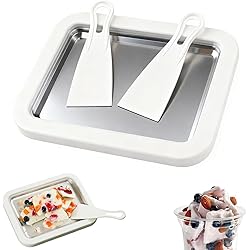
Rolled Ice Cream Maker, At-Home Rolled Ice Cream Machine with Instant Freeze Tray & 2 Scrapers,DIY Fun Family Activity Instant Ice Cream Maker for Yogurt, Sorbet (White)
$26.99 (as of December 20, 2025 09:13 GMT +00:00 - More infoProduct prices and availability are accurate as of the date/time indicated and are subject to change. Any price and availability information displayed on [relevant Amazon Site(s), as applicable] at the time of purchase will apply to the purchase of this product.)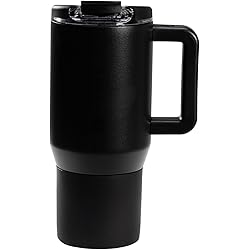
HydroJug Coffee Traveler 20 oz - Leak-Resistant, Ceramic-Lined Insulated Travel Coffee Mug for Hot or Cold Drinks with Flip Lid & Handle, Dishwasher Safe Coffee Tumbler, Black
$29.99 (as of December 20, 2025 09:13 GMT +00:00 - More infoProduct prices and availability are accurate as of the date/time indicated and are subject to change. Any price and availability information displayed on [relevant Amazon Site(s), as applicable] at the time of purchase will apply to the purchase of this product.)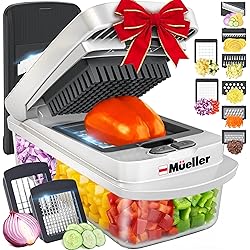
Mueller The Real Original Pro Chopper since 2013 Vegetable Chopper Mandoline Slicer, 8 Blade Food Veggie Chopper Onion Vegetable Cutter with Container, Kitchen Gadgets & Essentials, (10 in 1)
$25.99 (as of December 20, 2025 09:13 GMT +00:00 - More infoProduct prices and availability are accurate as of the date/time indicated and are subject to change. Any price and availability information displayed on [relevant Amazon Site(s), as applicable] at the time of purchase will apply to the purchase of this product.)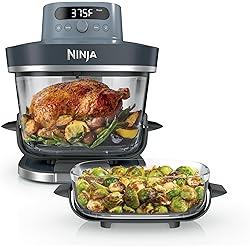
Ninja Crispi Pro 6-in-1 Glass Air Fryer | 6qt & 2.5qt Glass Containers with Storage Lids | Non-Toxic | Meal Prep, Microwave, Freezer & Dishwasher Safe | Air Fry, Bake & More | Cyberspace | AS101CY
$279.95 (as of December 20, 2025 09:13 GMT +00:00 - More infoProduct prices and availability are accurate as of the date/time indicated and are subject to change. Any price and availability information displayed on [relevant Amazon Site(s), as applicable] at the time of purchase will apply to the purchase of this product.)