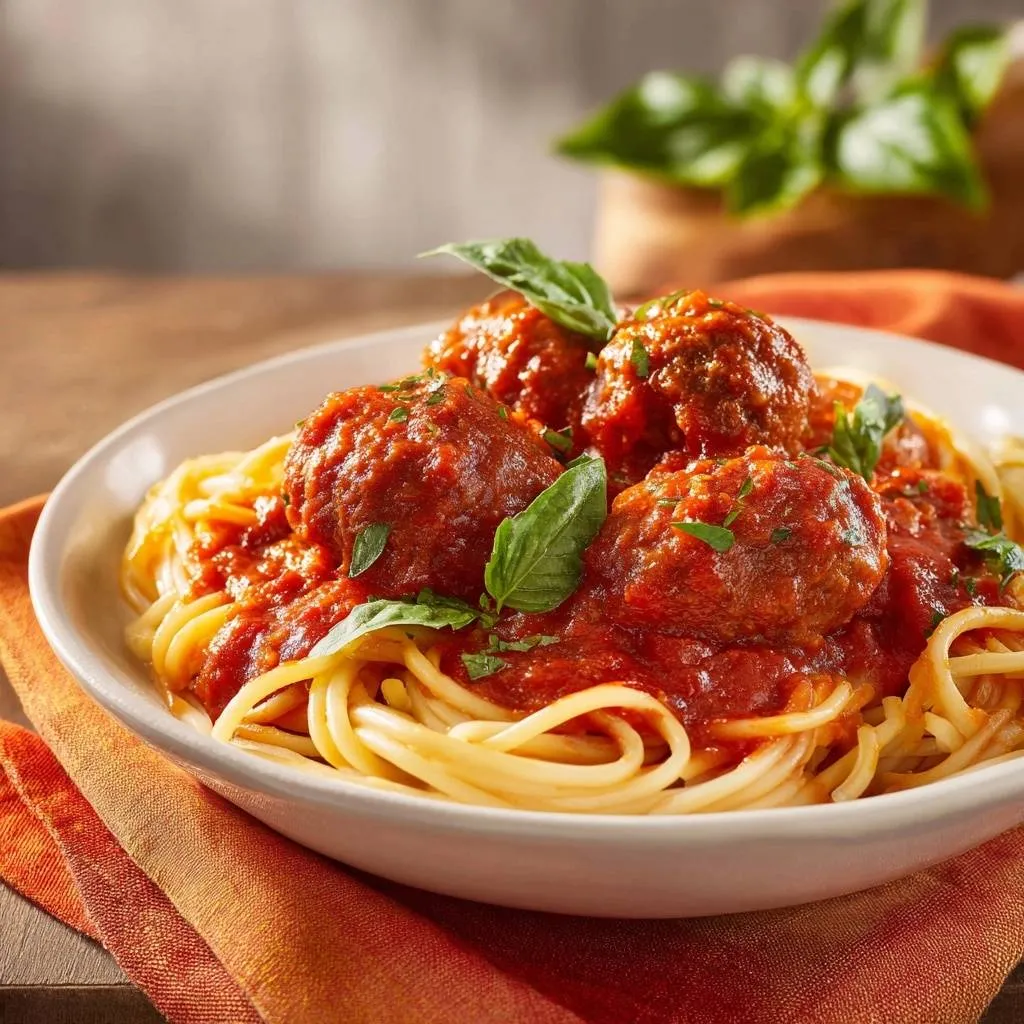
Nothing ruins spaghetti and meatballs faster than meatballs that crumble into a soggy mess right in the sauce. I’ve had my share of those disasters, where the whole pot turns into meaty mush after one stir. But this spaghetti and meatballs recipe changes everything with a simple chill-and-sear method that locks in shape and juiciness.
That’s why this version delivers restaurant-perfect spaghetti and meatballs every time. You get tender, intact meatballs swimming in rich tomato sauce, all without the frustration. Plus, it beats takeout hands down because you control the freshness and flavor.
The real secret? Chilling the formed meatballs for 15 minutes firms up the proteins so they hold together during searing. That quick step, plus a hot skillet crust, means your spaghetti and meatballs stay picture-perfect.
Why Spaghetti and Meatballs Demand Precision
Spaghetti and meatballs hits that sweet spot of comfort food with its Italian-American roots. However, dry or falling-apart meatballs wreck the whole experience. This recipe fixes that with a method ensuring seared, tender meatballs every time.
Fat ratios matter a lot here. Therefore, use 80/20 ground beef to keep things juicy. Leaner cuts dry out fast, leaving tough bites in your spaghetti and meatballs.
Meatball Binders: Breadcrumbs and Milk Magic
The meatball mix starts with 1 pound ground beef, 1/2 cup breadcrumbs soaked in 1/4 cup milk, 1 egg, 1/4 cup grated Parmesan, 2 tablespoons finely chopped onion, 2 minced garlic cloves, 1 teaspoon dried oregano, 1 teaspoon salt, and 1/2 teaspoon black pepper. Soaking breadcrumbs in milk creates a panade that keeps meatballs soft and non-crumbly in spaghetti and meatballs.
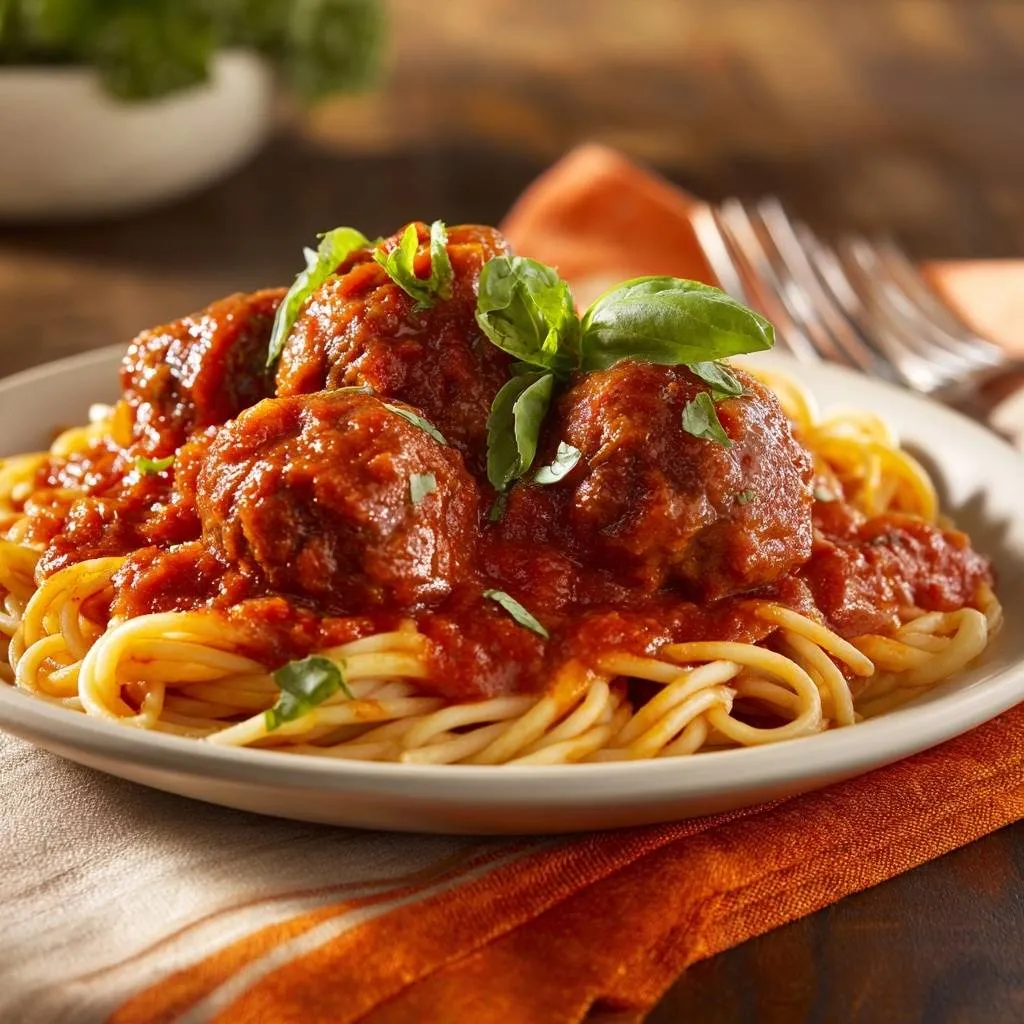
Fresh breadcrumbs work best over panko because they absorb milk evenly. In addition, the egg binds everything gently. Don’t skip the Parmesan; it adds umami that ties the flavors together.
Ground Beef Choices for Juicy Meatballs
Go for 80/20 ground beef in spaghetti and meatballs. The fat prevents dryness during cooking. Leaner beef lacks that moisture, so source fresh from a trusted butcher if you can.
Parmesan and Herbs Ratio Breakdown
Grated Parmesan melts right into the meatballs for seamless flavor. Oregano in the mix gives earthy balance, while basil stays in the sauce for spaghetti and meatballs harmony. This ratio keeps things bright without overpowering.
Sauce Foundation: Tomatoes and Aromatics
Sauce ingredients include 1 tablespoon olive oil, 1 chopped onion, 2 minced garlic cloves, a 28-ounce can crushed tomatoes, 1 teaspoon dried basil, and salt and pepper to taste. Crushed tomatoes create a smooth base that clings to spaghetti and meatballs perfectly.
Sauteing onions first builds depth without burning. San Marzano tomatoes taste sweeter than regular, but any quality crushed ones work. Fresh basil elevates it, though dried does fine.
Crushed Tomatoes vs. San Marzano Test
San Marzano tomatoes bring less acidity and more natural sweetness to spaghetti and meatballs sauce. Balance with a pinch of sugar if using regular crushed tomatoes. Taste as you go for perfection.
Chilling Step: Locking Meatball Shape
After soaking breadcrumbs for 5 minutes and mixing all meatball ingredients, form 1.5-inch balls. Place them on a plate and chill in the fridge for 15 minutes. Refrigeration firms the proteins, stopping crumble in spaghetti and meatballs.
Don’t skip this; it’s the key to success. The chill makes handling easy and searing foolproof.
Searing Technique for Crust Formation
Heat olive oil in a large skillet over medium-high. Add meatballs in batches, browning all sides for 6-8 minutes. The Maillard reaction forms a crust that traps juices in your spaghetti and meatballs.
Avoid overcrowding, or they steam instead of sear. Remove to a plate after browning.
Building Sauce Layers in One Skillet
In the same skillet, saute onion and garlic for 3 minutes until soft and fragrant. Stir in crushed tomatoes, basil, salt, and pepper, then simmer 10 minutes. Meatball fond from searing adds intense flavor to spaghetti and meatballs.
One-pan keeps it simple and boosts taste. You’ll smell the difference right away.
Simmering Meatballs to Perfection
Return seared meatballs to the sauce, spooning some over the top. Cover and simmer on low for 15 minutes until they hit 160F inside. Gentle heat cooks evenly without breaking them apart in spaghetti and meatballs.
Check with a thermometer for safety. They come out juicy every time.
Pasta Cooking for Sauce Cling
Boil 12 ounces spaghetti in salted water until al dente, per package. Drain but reserve 1/2 cup pasta water. Toss with sauce and a splash of water; the starch helps it cling to meatballs in spaghetti and meatballs.
Al dente texture holds up best. Salt the water generously for flavor.
Science of Non-Crumble Meatballs
Panade from breadcrumbs and milk absorbs juices, chilling sets proteins, and searing seals the outside. Proteins denature at 160F, locking in moisture for spaghetti and meatballs. Oven-baked versions often fail because they lack that crust.
This combo retains physics-level moisture. No more dry disappointments.
Panade Technique Explained
Milk-soaked breadcrumbs gelatinize, trapping fat and proteins. Stick to the 1/2 cup breadcrumbs to 1/4 cup milk ratio. It keeps spaghetti and meatballs tender inside.
Chill vs. Room Temp Results
Chilled meatballs hold shape perfectly in spaghetti and meatballs, while room-temp ones crumble. The 15-minute fridge time makes all the difference in integrity.
Avoiding Spaghetti and Meatballs Pitfalls
Overmixing toughens meatballs, so combine just until blended. Form balls around 1.5 inches to avoid overcooking outsides. Skipping chill leads to crumble; always do it.
For thin sauce, simmer longer uncovered. Use salted water so pasta doesn’t stick.
Overmixing and Texture Fixes
Mix gently with your hands for spaghetti and meatballs. Overworking develops gluten-like toughness. Stop when just combined.
Sauce Consistency Troubleshooting
Simmer uncovered to thicken sauce without burning. Crush any lumps with a spoon. It clings better to spaghetti and meatballs that way.
Spaghetti and Meatballs Variations
Swap for turkey meatballs, but add extra milk for moisture in spaghetti and meatballs. Gluten-free breadcrumbs work great. Stir in Calabrian chili for spice.
For vegan, use lentils with the panade base. All hold up with the chill-and-sear.
Ideal Pairings for Spaghetti and Meatballs
Garlic bread soaks up sauce perfectly. Caesar salad adds crunch, and roasted veggies balance richness in spaghetti and meatballs. Chianti cuts through the hearty flavors nicely.
Try an antipasto platter with olives and cheese on the side.
Make-Ahead Spaghetti and Meatballs Guide
Chill raw meatballs up to one day ahead. Freeze cooked ones for 3 months, sauce for 1 month. Reheat gently on the stove with a splash of water to avoid crumbling in spaghetti and meatballs.
Batch cook for easy meal prep. Thaw overnight before reheating.
Spaghetti and Meatballs FAQ
How do I store spaghetti and meatballs leftovers?
Store in an airtight container in the fridge for up to 3 days. Meatballs hold shape best if you keep them in sauce. They don’t freeze well whole because texture gets mushy; freeze sauce separately for 1 month and cook fresh meatballs.
Why do my meatballs crumble in spaghetti and meatballs?
Most crumble from skipping the chill or overcrowding the pan. Chilling firms proteins, and searing in batches creates a crust. Always check internal temp at 160F to ensure they’re cooked without falling apart.
Can I substitute ingredients in spaghetti and meatballs?
Yes, use ground turkey instead of beef, but soak breadcrumbs extra for moisture. Gluten-free breadcrumbs or almond flour work for gluten-free spaghetti and meatballs. Skip egg with a flax substitute if needed; panade still binds.
Can I bake the meatballs instead?
Bake at 400F for 20 minutes after chilling, but sear first for best crust in spaghetti and meatballs. Straight baking dries them out. Broil briefly at end for color.
Why chill meatballs before cooking spaghetti and meatballs?
Chilling sets the proteins so they don’t break during searing or simmering. 15 minutes makes them firm yet juicy. Room-temp balls steam and crumble right away.
Spaghetti and Meatballs
Course: Main CourseCuisine: Italian-AmericanDifficulty: easy4
servings25
minutes40
minutes65
Minutes650
kcalItalian-American
Ingredients
For the Meatballs:
1 pound ground beef
1/2 cup breadcrumbs
1/4 cup milk
1 egg
1/4 cup grated Parmesan cheese
2 tablespoons finely chopped onion
2 cloves garlic, minced
1 teaspoon dried oregano
1 teaspoon salt
1/2 teaspoon black pepper
For the Sauce:
1 tablespoon olive oil
1 onion, chopped
2 cloves garlic, minced
28-ounce can crushed tomatoes
1 teaspoon dried basil
Salt and pepper to taste
To Serve:
12 ounces spaghetti
Fresh basil leaves for garnish
Directions
- Make the meatball mixture: Soak breadcrumbs in milk for 5 minutes until soft. Mix with ground beef, egg, Parmesan, onion, garlic, oregano, salt, and pepper. Form into 1.5-inch balls.
- Chill for success: Place meatballs on a plate and refrigerate 15 minutes. This firms them up, preventing crumbling during cooking, the key to no-fail texture.
- Sear to seal: Heat olive oil in a large skillet over medium-high. Add meatballs in batches, browning all sides 6-8 minutes total. Remove and set aside. This creates a crust that holds everything together.
- Build the sauce: In same skillet, saute onion and garlic 3 minutes until soft. Stir in crushed tomatoes, basil, salt, and pepper. Simmer 10 minutes.
- Simmer meatballs: Return meatballs to sauce, spooning sauce over. Cover and simmer 15 minutes on low until cooked through (internal temp 160F).
- Cook pasta: Boil spaghetti in salted water per package until al dente. Drain, reserving 1/2 cup water. Toss pasta with sauce and a splash of pasta water for perfect cling.
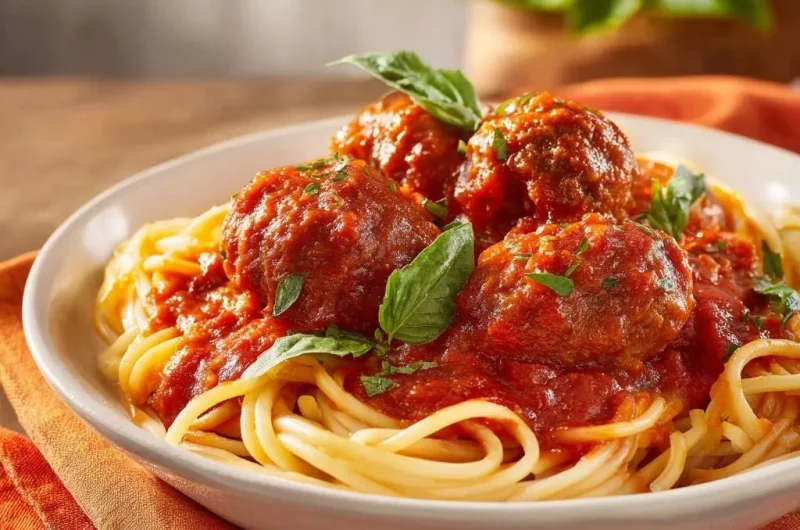
- Serve hot over spaghetti, topped with fresh basil. Enjoy intact, juicy meatballs that stay perfect!
Notes
- Chilling the meatballs for 15 minutes is key to preventing crumbling. Ensure internal temperature reaches 160°F for safety.