
STANLEY Quencher H2.0 Tumbler with Handle and Straw 40 oz | Flowstate 3-Position Lid | Cup Holder Compatible for Travel | Insulated Stainless Steel Cup | BPA-Free | Pomelo
(as of December 20, 2025 09:13 GMT +00:00 - More infoProduct prices and availability are accurate as of the date/time indicated and are subject to change. Any price and availability information displayed on [relevant Amazon Site(s), as applicable] at the time of purchase will apply to the purchase of this product.)
STANLEY Quencher ProTour Flip Straw Tumbler with Leakproof Lid | Built-In Straw & Handle | Cupholder Compatible for Travel | Insulated Stainless Steel Cup | BPA-Free
$26.25 (as of December 20, 2025 09:13 GMT +00:00 - More infoProduct prices and availability are accurate as of the date/time indicated and are subject to change. Any price and availability information displayed on [relevant Amazon Site(s), as applicable] at the time of purchase will apply to the purchase of this product.)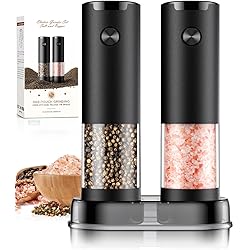
Electric Salt and Pepper Grinder Set Automatic Battery Pepper Mill Shakers Adjustable Coarseness Upgraded Larger Capacity with Led Home and Kitchen Appliances Christmas Gifts for Women
$29.99 (as of December 20, 2025 09:13 GMT +00:00 - More infoProduct prices and availability are accurate as of the date/time indicated and are subject to change. Any price and availability information displayed on [relevant Amazon Site(s), as applicable] at the time of purchase will apply to the purchase of this product.)
YETI Rambler 20 oz Stainless Steel Vacuum Insulated Tumbler w/MagSlider Lid
$35.00 (as of December 20, 2025 09:13 GMT +00:00 - More infoProduct prices and availability are accurate as of the date/time indicated and are subject to change. Any price and availability information displayed on [relevant Amazon Site(s), as applicable] at the time of purchase will apply to the purchase of this product.)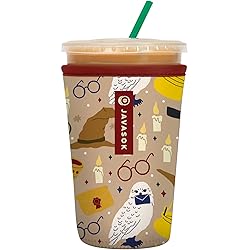
Sok It JavaSok Iced Coffee & Cold Soda Insulated Neoprene Cup Sleeve (Horcrux, Medium: 22-28oz)
$6.80 (as of December 20, 2025 09:13 GMT +00:00 - More infoProduct prices and availability are accurate as of the date/time indicated and are subject to change. Any price and availability information displayed on [relevant Amazon Site(s), as applicable] at the time of purchase will apply to the purchase of this product.)Picture this: you’re twirling a perfect forkful of spaghetti with clams in tomato sauce, and crunch, there’s sand ruining the whole bite. It happened to me once at a beachside spot, turning a dreamy pasta night into a gritty nightmare. But this recipe changes everything with a foolproof double-soak purge that delivers silky, tender clams every time.
So why does spaghetti with clams in tomato sauce stand out? Those briny clams pop against the tangy tomato sauce, all wrapped around al dente pasta. Home cooks skip the purge step, though, and end up chewing grit instead of savoring seafood bliss.
Here’s the expertise kicker: use 1/3 cup salt in cold water for the soaks. It mimics seawater perfectly, pulling out sand via osmosis without harming the clams. You’ll get restaurant-quality spaghetti with clams in tomato sauce, no compromises.
Why Spaghetti with Clams in Tomato Sauce Shines
This dish brings briny clams together with bright, tangy tomatoes on perfectly cooked spaghetti. The contrasts hit just right: sweet clams, acidic sauce, and that satisfying pasta chew. In addition, it captures the heart of Italian coastal cooking where fresh seafood meets simple pantry staples.
However, many overlook the purge, leading to sandy disasters. That’s why this spaghetti with clams in tomato sauce recipe insists on the double soak. It ensures every bite bursts with flavor, not texture fails.
From Campania’s shores, clams pasta evolved from garlic and oil basics to this tomato-enriched gem. Therefore, it bridges red sauce lovers and white clam sauce fans perfectly.

Classic Italian Roots of Clams and Tomato Pasta
Clams and tomato pasta trace back to Campania, Italy’s coastal gem. Fishermen started with aglio e olio, but tomatoes added depth over time. This version balances both worlds beautifully.
Unlike stark white sauces, the tomatoes tenderize clams gently. So, you get a hybrid that’s rich yet light. Perfect for weeknights or impressing friends.
Purging Clams: Double-Soak for Sand-Free Spaghetti with Clams
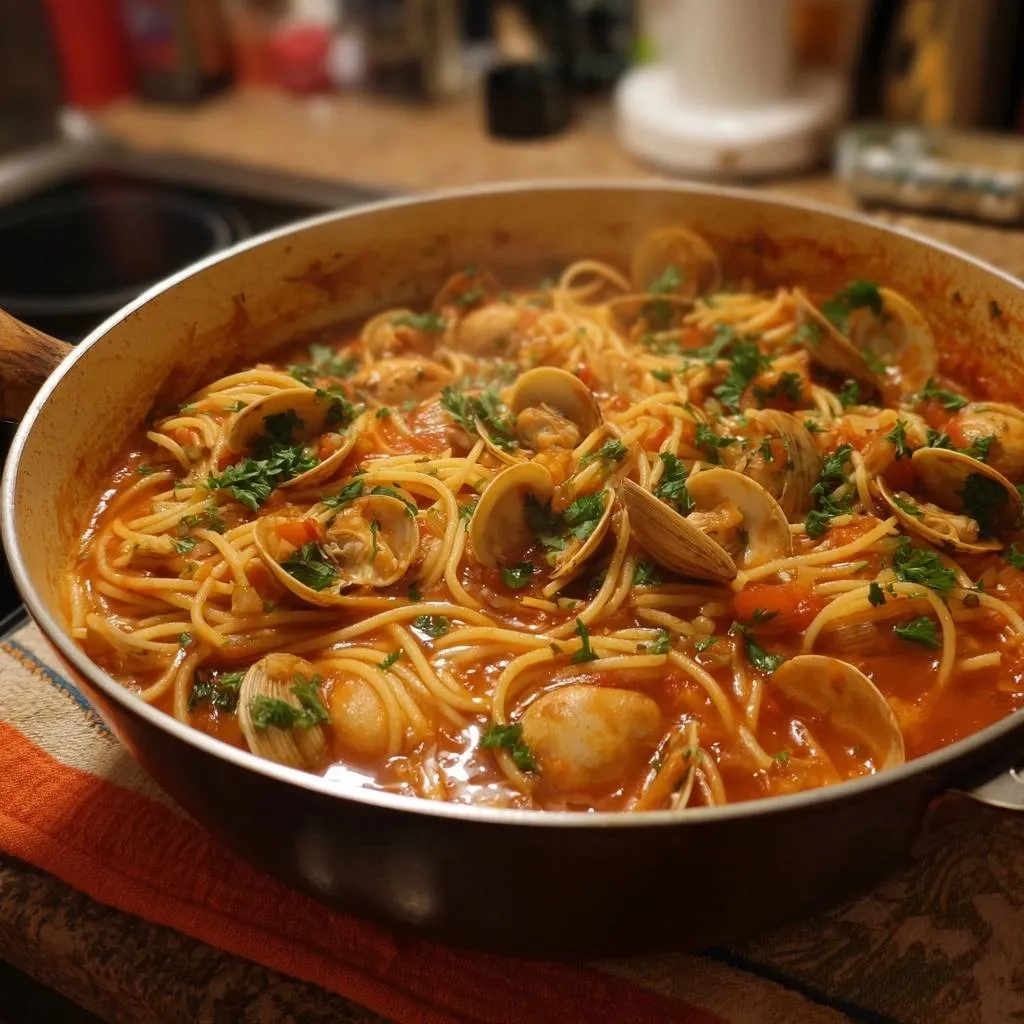
Fresh littleneck clams are the star here, 2 pounds scrubbed clean before purging. Why fresh? They open evenly and taste sweeter. In addition, the double soak with 1/3 cup salt per bowl flushes grit via osmosis, beating quick rinses hands down.
One pound of spaghetti provides the sturdy base. Meanwhile, a 28-ounce can of crushed tomatoes builds the clingy sauce, boosted by 1 cup clam juice. Three tablespoons olive oil starts it all, and 1/4 cup fresh parsley finishes with brightness.
Therefore, salt to taste keeps everything balanced, from pasta water to the final sauce. No more gritty spaghetti with clams in tomato sauce surprises.
Seawater Mimic: Salt Ratio Breakdown
Mix 1/3 cup salt into cold water; it creates a hypertonic solution. Clams spit out sand through their siphons over 20 minutes. Repeat once, and grit vanishes.
Lift clams gently to leave sand behind, then rinse. Pat dry to avoid watery steaming later. Simple science, flawless results.
Fresh Parsley and Olive Oil Roles
Chop 1/4 cup parsley fresh; it brightens the rich sauce without wilting. Three tablespoons olive oil emulsifies everything smoothly. Salt pasta water generously, then taste sauce before serving.
Equipment Essentials for Tomato Clam Sauce Success
Grab a large bowl for purging, a wide skillet for steaming, and a big pasta pot. The lid traps steam so clams open fast. In addition, reserve that pasta water; its starch makes sauce cling like magic.
No need for fancy gear. However, the right sizes prevent crowding and ensure even cooking. You’ll nail spaghetti with clams in tomato sauce effortlessly.
Skillet Size for Even Clam Steaming
Use a 12-inch skillet minimum for 2 pounds of clams. It avoids overcrowding, so shells pop open quickly. Tough clams? That’s what happens when they’re packed tight.
Step-by-Step: Purging to Plating Spaghetti with Clams in Tomato Sauce
Start with the purge for grit-free bliss. Then boil spaghetti al dente, reserving water. Steam clams next, build the sauce, and toss it all together with parsley.
Pro tip: sniff clams pre-purge; toss any fishy ones. Therefore, you’ll focus on the fresh stars. Timings keep everything tender and saucy.
Phase 1: Foolproof Double Purge Method
Fill a bowl with cold water, dissolve 1/3 cup salt. Add clams, soak 20 minutes undisturbed. Lift out, rinse, repeat. Pat dry; they’re ready, sand-free.
Phase 2: Al Dente Spaghetti Boil
Boil salted water, cook 1 pound spaghetti 8 minutes, one minute under package. Reserve 1 cup starchy water. Drain the rest; that water saves your sauce.
Phase 3-5: Steaming, Sauce Build, and Toss
Warm oil in skillet, add clams, cover 3-5 minutes till open. Simmer tomatoes and clam juice 5 minutes, thin with pasta water if needed. Toss in spaghetti 1 minute, add clams back, stir in parsley, serve hot.
The Science of Grit-Free Clams in Tomato Sauce
Osmosis drives the purge: saltwater pulls water from clams, flushing sand. Double soaks remove 90% grit versus 50% from one. Tomatoes’ acidity tenderizes further.
Pasta starch binds the sauce for perfect cling. Steaming adds subtle Maillard flavors too. Therefore, spaghetti with clams in tomato sauce tastes pro-level.
Osmosis: Why Clams Spit Out Sand
Salt creates a gradient; clams pump out water and trapped sand. First soak loosens, second flushes clean. Skip it, and you’re eating beach.
Avoiding Pitfalls in Spaghetti with Clams Tomato Sauce
Overcook clams past opening, and they toughen fast. Skipped purge means grit city. Watery sauce? Simmer longer or add pasta water.
Use quality crushed tomatoes; generics lack depth. Undercooked pasta sticks, so time it right. In addition, discard 1-2% unopened clams post-steam, normal and safe.
Spotting and Discarding Bad Clams
Sniff pre-purge: bad ones smell off. Post-steam, toss unopened after 5 minutes. Safety first; it’s rare but crucial.
Flavor Twists on Spaghetti with Clams in Tomato Sauce
Swap spaghetti for linguine if you like more sauce trap. Add minced garlic or chili flakes for heat. Canned clams work in a pinch, but fresh shine brighter.
Use veggie broth for clam juice if needed. For vegan, try oyster mushrooms. Therefore, customize without losing the vibe.
Garlic-Infused Variations
Mince 4 cloves, add to oil first on low heat to sweeten without burning. Build heat with chili if you dare. It elevates the tomato clam pasta beautifully.
Perfect Pairings for Tomato Clam Pasta
Sop up sauce with crusty bread. Add a lemon-dressed arugula salad for bite. Grilled veggies balance the richness too.
Sparkling water with lemon refreshes. Finish with citrus sorbet. Simple sides make spaghetti with clams in tomato sauce the star.
Simple Green Sides That Complement
Toss arugula with lemon juice and olive oil. No cooking needed. It cuts the sauce’s richness perfectly.
Storage and Reheating Clams Spaghetti Sauce
Store leftovers in an airtight container in the fridge up to 2 days. Reheat gently in a skillet with a splash of water to loosen sauce. Clams toughen if reheated too long.
Don’t freeze whole dish; clams get rubbery. Freeze sauce base without clams or pasta up to a month, then thaw and rebuild. Best enjoyed fresh, though.
Troubleshooting Spaghetti with Clams in Tomato Sauce
Why Are My Clams Still Gritty?
You likely skipped the double soak or didn’t lift clams out properly. The 1/3 cup salt in two 20-minute rounds draws out sand via osmosis. Always pat dry after; residual water hides grit.
How Do I Fix Thin Tomato Clam Sauce?
Simmer longer to reduce, or stir in reserved pasta water for starch cling. Crushed tomatoes vary; quality ones thicken faster. Avoid adding too much liquid upfront.
Why Did My Clams Turn Tough?
Overcooking is the culprit; steam only 3-5 minutes till shells open. Remove from heat immediately after tossing. High heat or crowding in a small pan toughens them quick.
Can I Substitute Clam Juice?
Yes, seafood broth or veggie broth works fine. It keeps the briny base without overpowering. One cup adds depth; plain water dilutes flavor too much.
Is This Recipe Scalable for More People?
Absolutely, double everything for 4-6 servings. Use a larger pot and skillet to avoid crowding. Purge in two bowls if needed; timings stay the same.
What If Pasta Sticks to the Sauce?
Undercook spaghetti one minute less, and toss immediately with hot sauce. The starch from reserved water emulsifies it all. Rinse pasta? That’s your mistake; it removes glue.

Spaghetti with Clams in Tomato Sauce
Course: Main CourseCuisine: ItalianDifficulty: easy4
servings20
minutes20
minutes40
Minutes550
kcalItalian
Ingredients
1 pound spaghetti
2 pounds littleneck clams, scrubbed
1 can (28 ounces) crushed tomatoes
1/4 cup fresh parsley, chopped
3 tablespoons olive oil
Salt, to taste
1 cup clam juice or seafood broth (for sauce base)
Directions
- Start with the grit-busting purge, the key to no sandy clams ever: Fill a large bowl with cold water and stir in 1/3 cup salt until dissolved (mimics seawater). Add clams and let soak 20 minutes undisturbed. Lift clams out (leave grit behind), rinse under cold water, and repeat soak once more for 20 minutes. Drain and pat dry. This double action draws out and flushes all sand guaranteed.
- Bring a large pot of salted water to a boil. Cook spaghetti until just al dente (1 minute less than package), about 8 minutes. Reserve 1 cup pasta water, then drain.
- In a large skillet or pot over medium heat, warm olive oil. Add purged clams, cover, and steam 3 to 5 minutes until all shells open (discard any that don’t). Remove clams to a bowl.
- In the same pot, pour in crushed tomatoes and clam juice. Simmer 5 minutes to thicken slightly, stirring in 1/2 cup reserved pasta water if needed for clingy sauce.
- Add cooked spaghetti to the sauce, toss 1 minute to coat evenly. Return opened clams to pot, heat through 1 minute (don’t overcook or they toughen).
- Remove from heat, stir in chopped parsley. Serve immediately for peak flavor and texture.
Notes
- Double soak is key: first soak draws out grit, second flushes it away. Discard any clams that don’t open. Use littleneck clams for best results.
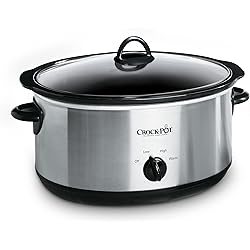
Crock-Pot 7 Quart Oval Manual Slow Cooker, Stainless Steel (SCV700-S-BR), Versatile Cookware for Large Families or Entertaining
$35.99 (as of December 20, 2025 09:13 GMT +00:00 - More infoProduct prices and availability are accurate as of the date/time indicated and are subject to change. Any price and availability information displayed on [relevant Amazon Site(s), as applicable] at the time of purchase will apply to the purchase of this product.)
Hogg F-Caw-F Mug, 15 oz Ceramic F Caw F Coffee Mug, Hidden Message Coffee Cup, F-Caw-F, Secret Message Cup, Sarcastic Gifts, Sassy Rooster, White Elephant Gag Gift, F Caw F
$19.99 (as of December 20, 2025 09:13 GMT +00:00 - More infoProduct prices and availability are accurate as of the date/time indicated and are subject to change. Any price and availability information displayed on [relevant Amazon Site(s), as applicable] at the time of purchase will apply to the purchase of this product.)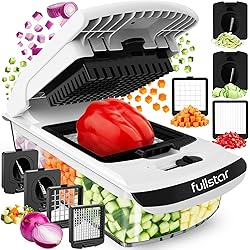
Fullstar The Original Pro Chopper - Vegetable Chopper and Spiralizer, Food Chopper with Container, Fruit Slicer, Kitchen Gadgets & Gifts, Home Essentials (4 in 1, White)
$25.99 (as of December 20, 2025 09:13 GMT +00:00 - More infoProduct prices and availability are accurate as of the date/time indicated and are subject to change. Any price and availability information displayed on [relevant Amazon Site(s), as applicable] at the time of purchase will apply to the purchase of this product.)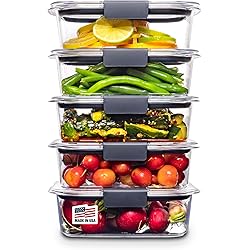
Rubbermaid Brilliance Food Storage Containers BPA Free Airtight Lids Ideal for Lunch Meal Prep & Leftovers Set of 5 (3.2 Cup)
$29.98 (as of December 20, 2025 09:13 GMT +00:00 - More infoProduct prices and availability are accurate as of the date/time indicated and are subject to change. Any price and availability information displayed on [relevant Amazon Site(s), as applicable] at the time of purchase will apply to the purchase of this product.)