
Ever cut into a homemade bread pudding only to find it a bit… well, dry? It’s happened to the best of us! But I’ve discovered a simple secret that guarantees a rich, moist, and absolutely delicious Classic Raisin Bread Pudding every single time.
This recipe transforms that common culinary frustration into a triumph, delivering a dessert that’s perfectly custardy inside with a golden top, sure to become a beloved staple in your home.
Why This Classic Raisin Bread Pudding Will Be Your New Favorite
This isn’t just another dessert recipe; it’s a promise of comfort, nostalgia, and a truly exceptional texture. Our Classic Raisin Bread Pudding offers a delightful balance of familiar flavors and a surprisingly moist result that will impress everyone.
The “Never Dry” Secret: Unlocking Unmatched Moistness
The core of this recipe’s success lies in its revolutionary soaking method. By allowing the bread to fully saturate with the rich custard base before baking, we eliminate any chance of dryness.
Each piece of bread becomes plump and tender, melting into a harmonious, moist dessert that defies common bread pudding pitfalls.
Simple Ingredients, Extraordinary Flavor
You don’t need exotic components to create something extraordinary. This recipe proves that humble, readily available ingredients, when combined correctly, yield profoundly comforting and robust flavors.
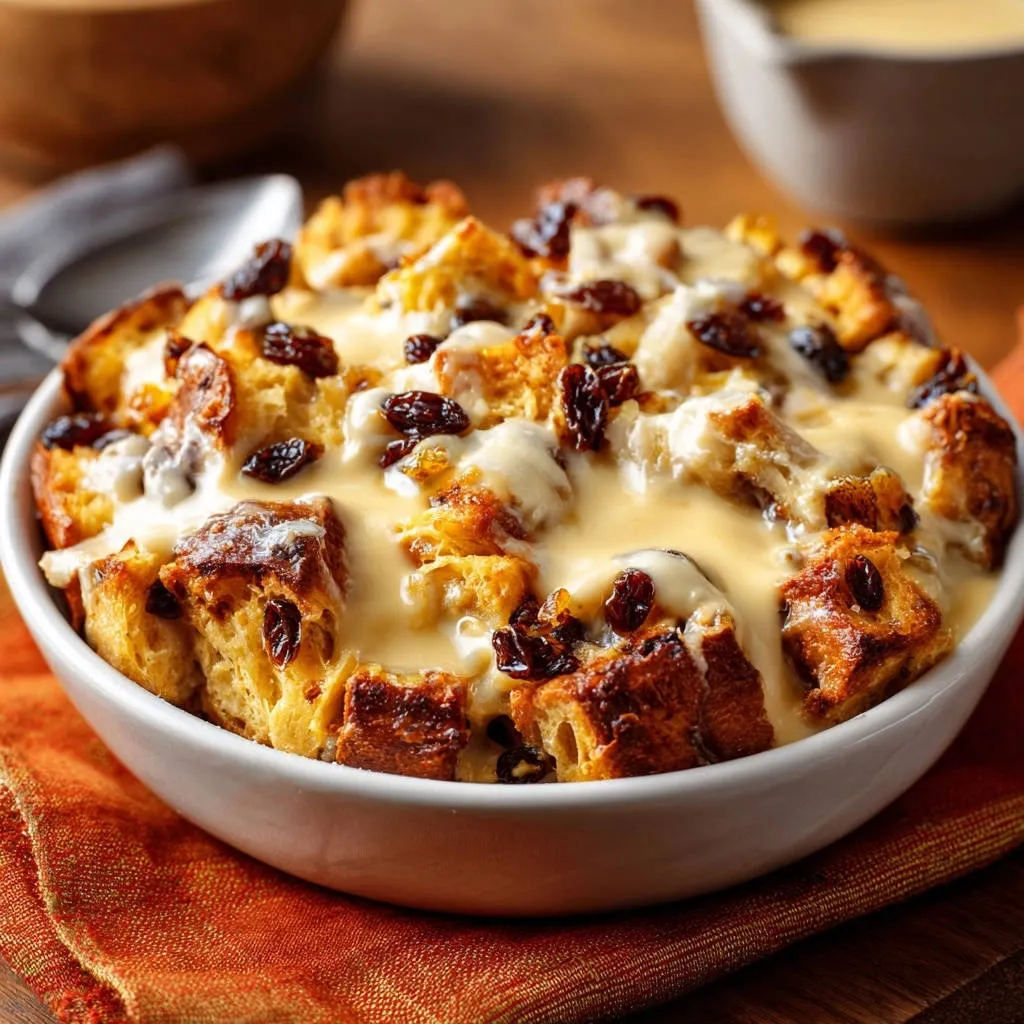
The blend of fresh dairy, eggs, and plump raisins creates a symphony of sweet, creamy, and subtly spiced notes in every bite.
A Comforting Classic, Elevated for Modern Palates
This recipe honors the timeless appeal of traditional bread pudding, but with a refined technique that guarantees superior results. It’s the kind of dessert that feels both deeply familiar and impressively gourmet.
It’s perfect for a cozy family dinner or a relaxed gathering with friends, proving that classic comfort food can indeed be perfected.
The Essential Ingredients for Perfect Bread Pudding
Each ingredient plays a vital role in crafting the perfect Classic Raisin Bread Pudding. Selecting quality components is the first step toward baking success.
Choosing Your Bread: The Foundation of Flavor and Texture
Day-old white bread, cubed into about 1-inch pieces, is ideal. Its slightly stale nature allows it to absorb the custard more efficiently without becoming soggy too quickly.
This ensures a tender, custardy interior rather than a dense, heavy one. You need approximately 6 cups of cubed bread.
Dairy Delights: Creaminess in Every Bite
Whole milk (2 cups) and heavy cream (1/2 cup) form the luscious, rich custard base. The whole milk provides liquid for absorption and flavor, while the heavy cream adds luxurious richness and a silky texture.
This combination ensures a deeply satisfying and smooth pudding.
The Sweet & Simple Additions: Eggs, Sugar, Vanilla, and Salt
Two large eggs are essential for binding the ingredients and creating the custard’s structure, contributing to its richness. Granulated sugar (1/2 cup) provides balanced sweetness and aids in browning the top.
A teaspoon of vanilla extract imparts a warm, aromatic note that enhances the overall dessert profile, while a quarter teaspoon of salt balances the sweetness and brings out deeper flavors.
The Star: Plump Raisins for Sweet Bursts
One cup of raisins offers delightful bursts of natural sweetness and chewy texture throughout the pudding. They plump up during the soak, adding extra moisture and a traditional touch to this classic dessert.
Optional: Ingredients for the Luscious Quick Custard Sauce
For an extra layer of decadence, a simple custard sauce is highly recommended. It requires one large egg yolk for thickening and richness, 1/4 cup granulated sugar for sweetness, and 1 cup whole milk as the base.
A half teaspoon of vanilla extract adds aromatic depth, and a pinch of salt balances the flavors, creating a perfect drizzle for serving.
Essential Tools for Your Bread Pudding Journey
Ensure you have these basic kitchen tools ready to streamline your baking process:
8×8 Inch Baking Dish: The ideal size for achieving the perfect bake and custard consistency.
Large Mixing Bowls: For whisking the custard and soaking the bread cubes.
Whisk: Essential for combining ingredients smoothly and preventing lumps in the custard.
Measuring Cups and Spoons: For accurate ingredient proportions.
Wire Rack: For cooling the bread pudding evenly after baking.
Small Saucepan (for sauce): Needed if you’re making the optional Quick Custard Sauce.
Crafting Your Classic Raisin Bread Pudding: A Step-by-Step Guide
Follow these precise steps to create your perfectly moist and flavorful bread pudding:
- Prepare Your Baking Dish:
Preheat your oven to 350 degrees Fahrenheit (175 degrees Celsius). Lightly grease an 8×8 inch baking dish with 2 tablespoons of melted unsalted butter. This ensures easy release and prevents sticking, leading to a beautifully presented dessert.
- Whisk the Custard Base:
In a large bowl, whisk together the 2 large eggs and 1/2 cup granulated sugar until well combined and slightly pale. Gradually whisk in the 2 cups whole milk, 1/2 cup heavy cream, 1 teaspoon vanilla extract, and 1/4 teaspoon salt until the mixture is smooth and uniform.
This forms the luxurious foundation of your bread pudding, where consistency is key for a silky finish.
- The Critical Soak: Marrying Bread and Custard:
Add the 6 cups of cubed day-old bread to the prepared custard mixture. Gently press the bread cubes down into the liquid, ensuring every piece is completely submerged and soaking. This crucial step is where the “magic happens” for moisture absorption, making this recipe stand out.
Allow the bread to sit in the custard for at least 15 to 20 minutes, or even up to 30 minutes, giving it plenty of time to fully absorb the liquid. This extended soak is the secret to a never-dry bread pudding. Stir in the 1 cup of raisins after this initial soak, ensuring they are evenly distributed.
- Assemble and Transfer:
Once the bread has fully soaked and is plump with custard, gently pour the mixture into your prepared 8×8 inch baking dish. Spread it evenly to ensure consistent baking and even distribution of the raisins.
- Bake to Golden Perfection:
Bake for 45 to 55 minutes, or until the custard is set and the top is golden brown. A knife inserted into the center should come out mostly clean, indicating it’s cooked through but still moist.
Remember, do not overbake, as this is a common cause of dryness and can ruin the delicate texture of your Classic Raisin Bread Pudding.
- Cool and Serve:
Allow the bread pudding to cool slightly on a wire rack before serving. This brief cooling period helps the custard set further and enhances the overall texture, making it easier to slice.
For that extra moisture and flavor, serve warm with an extra drizzle of homemade custard sauce (directions follow in the serving section).
The Golden Rule: Mastering the Soak for Ultimate Moisture
The soaking stage is, without a doubt, the most important step in achieving the signature moistness of this Classic Raisin Bread Pudding. It’s what sets this recipe apart.
Why Soaking is Non-Negotiable for Tender Bread Pudding
Bread pudding becomes dry when the bread hasn’t absorbed enough liquid before baking. During baking, any remaining dry bread will harden and become chewy or crisp, rather than soft and custardy.
A proper soak ensures every cell of the bread is saturated, transforming it into a silky, cohesive dessert that truly melts in your mouth.
Achieving Perfect Saturation: Tips for Success
To ensure perfect saturation, press the bread cubes gently into the custard mixture, making sure they are fully submerged. You should see the bread visibly plump up as it absorbs the liquid.
While 15-20 minutes is a good minimum, don’t be afraid to let it soak for up to 30 minutes, especially if your bread is particularly dense. This extended time is an investment in unparalleled moisture.
Expert Tips for Elevating Your Bread Pudding
Beyond the core recipe, a few expert insights can take your Classic Raisin Bread Pudding from great to unforgettable.
Don’t Overbake! The Key to Moist Texture: This cannot be stressed enough. Overbaking is the primary culprit behind dry bread pudding. Start checking for doneness at the 45-minute mark. The center should be set but still have a slight jiggle, and a knife inserted should come out mostly clean, not completely dry.
Ingredient Quality Matters: Using fresh, high-quality eggs and pure vanilla extract makes a noticeable difference. The richer flavor of whole milk and heavy cream contributes significantly to the pudding’s creamy, luxurious profile.
Customize Your Culinary Creation: Feel free to personalize your bread pudding! Consider adding a teaspoon of cinnamon or nutmeg to the custard for extra warmth. You could also experiment with other dried fruits like chopped dried apricots or cranberries, or add a handful of toasted pecans or walnuts for crunch.
Consider a Water Bath for Extra Creaminess: For an ultra-creamy, almost melt-in-your-mouth texture, bake your bread pudding in a water bath. Place your baking dish into a larger roasting pan, then fill the roasting pan with hot water halfway up the sides of the baking dish. This gentle, even heat prevents the custard from drying out too quickly.
Troubleshooting Your Bread Pudding: Common Issues & Solutions
Even with the best recipes, sometimes things go awry. Here are solutions to common bread pudding woes.
“My Bread Pudding is Dry!”
This is typically due to insufficient soaking time or overbaking. Ensure your bread truly plumps up by letting it soak for the full 20-30 minutes, pressing it down occasionally to encourage absorption.
Always keep an eye on the oven; test for doneness with a knife and remove it promptly when set, resisting the urge to bake “just a little longer.”
“My Custard Didn’t Set!”
An unset custard usually means it was underbaked, or less commonly, the egg-to-liquid ratio was off. Return the dish to the oven and continue baking in 5-minute increments until a knife inserted comes out mostly clean.
Ensure your oven temperature is accurate by using an oven thermometer. If adding many mix-ins, ensure they don’t significantly dilute the custard.
“The Top is Too Brown, But Inside is Raw!”
This happens when the top bakes faster than the interior. If you notice the top browning too quickly, gently tent the baking dish with aluminum foil. This will protect the surface from direct heat, allowing the inside to cook through without burning the top.
Serving & Storing Your Delicious Bread Pudding
Knowing how to best enjoy and preserve your Classic Raisin Bread Pudding ensures maximum deliciousness.
Irresistible Serving Suggestions: The Perfect Pairings
This Classic Raisin Bread Pudding is best served warm. The simplest and most recommended accompaniment is the Quick Custard Sauce, which adds an extra layer of moisture and sweet richness.
To make the Quick Custard Sauce: In a small saucepan, whisk together 1 large egg yolk and 1/4 cup granulated sugar. Gradually whisk in 1 cup whole milk and a pinch of salt. Heat over medium-low heat, stirring constantly with a whisk, until the mixture thickens slightly and coats the back of a spoon (do not boil). Remove from heat and stir in 1/2 teaspoon vanilla extract. Serve warm.
Other fantastic pairings include a scoop of vanilla bean ice cream, a dollop of freshly whipped cream, or a sprinkle of toasted nuts for added texture.
How to Store Leftovers for Continued Enjoyment
Leftover bread pudding should be stored in an airtight container in the refrigerator for up to 3-4 days. This prevents it from drying out and maintains its fresh taste and texture.
Can You Make It Ahead? Prep & Bake Options
Yes, you can absolutely make this Classic Raisin Bread Pudding ahead of time! Prepare the bread and custard mixture up to the point of soaking. You can let the bread soak in the custard overnight in the refrigerator.
Simply cover the bowl tightly with plastic wrap. The next day, let it come closer to room temperature for about 30 minutes before pouring into the prepared baking dish and baking as directed. This makes it a perfect dessert for entertaining.
Your Classic Raisin Bread Pudding Questions Answered
Here are answers to some common inquiries about making the perfect bread pudding.
Can I use different types of bread?
While day-old white bread is recommended for its neutral flavor and optimal absorbency, you can certainly experiment. Brioche or challah will yield an even richer, more decadent pudding, while a sturdy sourdough could offer a subtle tangy note. For another delicious variation, try making our Apricot Almond Bread Pudding.
What if I don’t have day-old bread?
If you only have fresh bread, you can quickly “day-old” it. Cut the bread into cubes and spread them on a baking sheet. Bake in a 300°F (150°C) oven for 10-15 minutes, tossing occasionally, until lightly toasted and dry to the touch but not browned. Let cool completely before using.
Can I make this dairy-free or gluten-free?
For a dairy-free version, substitute dairy milk with unsweetened full-fat coconut milk or almond milk, and heavy cream with full-fat coconut cream. Note that the texture may be slightly less rich. For gluten-free, use a dense, gluten-free white bread. The absorption rate might vary, so adjust soaking time as needed.
Can I add other fruits or nuts?
Absolutely! This recipe is incredibly adaptable. Try adding chopped apples, peaches, or berries for different fruit notes. Toasted nuts like pecans, walnuts, or almonds provide a delightful crunch. For more sweet and comforting ideas, explore our recipe for Creamy Baked Rice Pudding.
How do I reheat leftover bread pudding?
For individual servings, microwave on medium power in 30-second intervals until warmed through. For larger portions, cover the dish with foil and reheat in a 300°F (150°C) oven for 15-25 minutes, or until hot. A splash of milk or cream can be added before reheating to restore moisture if needed.
Ready to Bake? Share Your Classic Raisin Bread Pudding Masterpiece!
You now possess the “secret” to baking an incredibly moist and utterly delicious Classic Raisin Bread Pudding. This recipe is more than just a dessert; it’s a comforting embrace, perfect for family gatherings, quiet evenings, or simply a treat to brighten your day.
We invite you to try this recipe, trust the process, and witness the magic of the perfect soak. Don’t forget to share your baking journey and the delightful results with us! Tag us on social media or leave a comment below to tell us how your bread pudding turned out. Happy baking!

Classic Raisin Bread Pudding
Course: DessertCuisine: American CuisineDifficulty: easy6
servings30
minutes50
minutes60
minutesAmerican Cuisine
Ingredients
6 cups day-old white bread, cubed (about 1 inch pieces)
1 cup raisins
2 large eggs
1/2 cup granulated sugar
2 cups whole milk
1/2 cup heavy cream
1 teaspoon vanilla extract
1/4 teaspoon salt
2 tablespoons unsalted butter, melted, for greasing dish
Quick Custard Sauce (Optional, but recommended):
1 large egg yolk
1/4 cup granulated sugar
1 cup whole milk
1/2 teaspoon vanilla extract
Pinch of salt
Directions
- Preheat your oven to 350 degrees Fahrenheit (175 degrees Celsius). Lightly grease an 8×8 inch baking dish with the melted butter.
- In a large bowl, whisk together the eggs and granulated sugar until well combined. Gradually whisk in the whole milk, heavy cream, vanilla extract, and salt until smooth. This is your luscious custard base.
- Add the cubed day-old bread to the custard mixture. This is where the magic happens for moisture! Gently press the bread cubes down into the liquid, ensuring every piece is completely submerged and soaking. Let the bread sit in the custard for at least 15 to 20 minutes, or even up to 30 minutes, giving it plenty of time to fully absorb the liquid. Stir in the raisins after the initial soak.
- Pour the soaked bread mixture into your prepared baking dish.
- Bake for 45 to 55 minutes, or until the custard is set and the top is golden brown. A knife inserted into the center should come out mostly clean. Do not overbake, as this is a common cause of dryness.
- Allow the bread pudding to cool slightly on a wire rack before serving. For that extra moisture and flavor, serve warm with an extra drizzle of homemade custard sauce (directions below).
- Directions for Quick Custard Sauce:
- In a small saucepan, whisk together the egg yolk and sugar.
- Gradually whisk in the milk and salt.
- Heat over medium-low heat, stirring constantly with a whisk, until the mixture thickens slightly and coats the back of a spoon. Do not boil.
- Remove from heat and stir in the vanilla extract. Serve warm over the bread pudding.
Notes
- Allow to cool slightly before serving for best results. Serve warm with optional custard sauce for extra moisture.