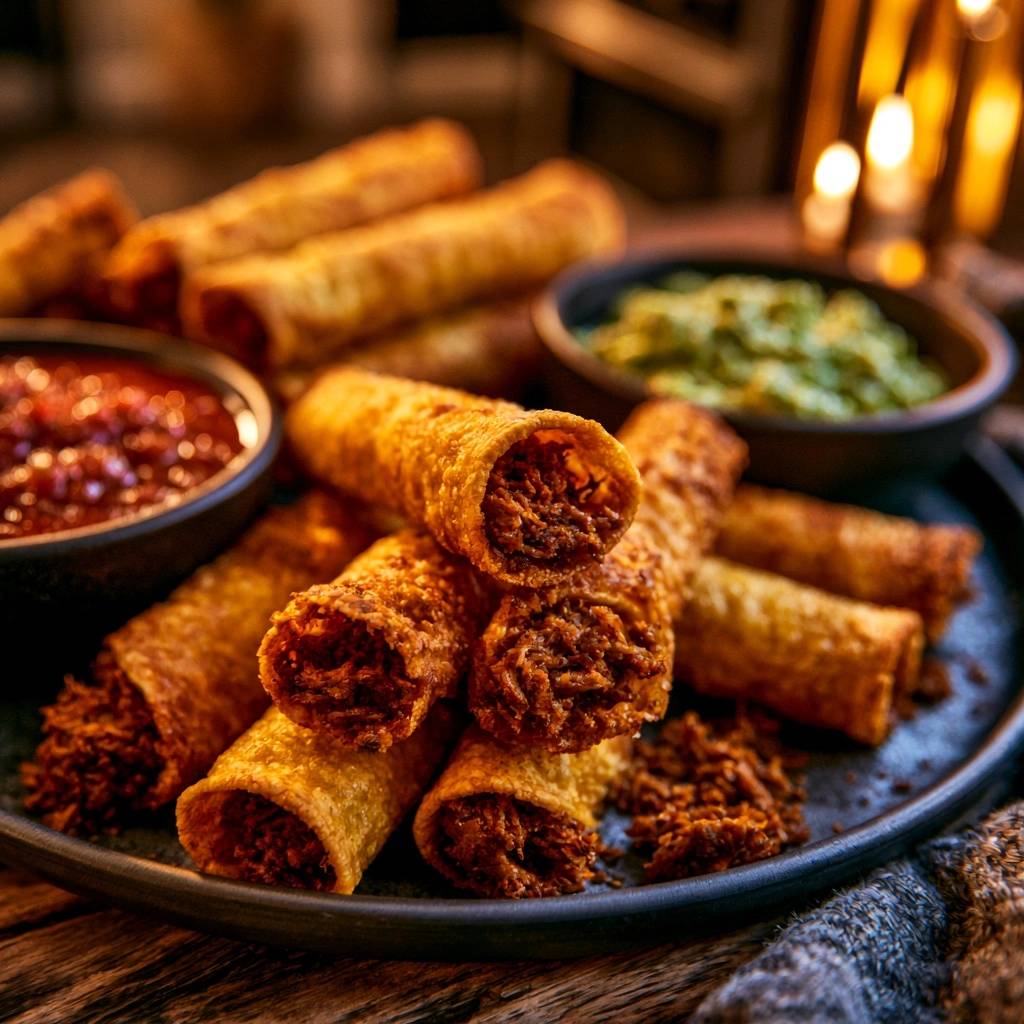
You’ve likely experienced the heartbreak of a promising taquito turning into a limp, greasy mess the moment it hits your plate. Most home cooks struggle with corn tortillas that crack during rolling or act like sponges in the frying pan, resulting in a heavy, oil-soaked texture. This recipe changes the game by focusing on moisture control and a specific double-heat method to ensure every bite is shatteringly crisp.
The secret lies in treating the tortilla as a structural component rather than just a wrapper. By managing the internal steam and external heat, you can achieve a professional-grade crunch that lasts. We aren’t just making a snack here; we’re mastering the technical balance between a tender beef filling and a rigid, golden shell.
Expertise in taquito-making comes down to one specific tip: the vertical cool. If you lay a hot, fried taquito flat on a paper towel, the rising steam gets trapped against the bottom of the shell, turning it soft in seconds. Standing them upright is the only way to preserve that hard-earned crunch. Let’s dive into the mechanics of the perfect roll.
The Anatomy of a Perfect Corn Tortilla Shell
Corn tortillas are the undisputed champions for authentic taquitos because their high starch content creates a rigid, bubbly texture when fried. Flour tortillas tend to puff up and stay chewy, whereas corn undergoes a beautiful transformation into a crisp wafer. However, corn is naturally brittle, which is why most people end up with split sides and leaking filling.
To fix this, we use a “Double-Heat” method. By lightly brushing the tortillas with oil and microwaving them in a damp paper towel, you’re essentially hydrating the starches. This makes the tortilla incredibly pliable, almost like a soft fabric, allowing you to roll it tightly without a single crack. This pre-heating phase is the foundation of a successful fry.
Essential Components for the Beef Filling
The filling needs to be flavorful, but more importantly, it must be dry. Use a high-quality cut like chuck roast or brisket that has been slow-cooked until it shreds with a fork. These cuts have enough intramuscular fat to stay juicy without needing a lot of extra liquid. If your beef is sitting in a pool of broth, it will steam the tortilla from the inside out, ruining the crunch.
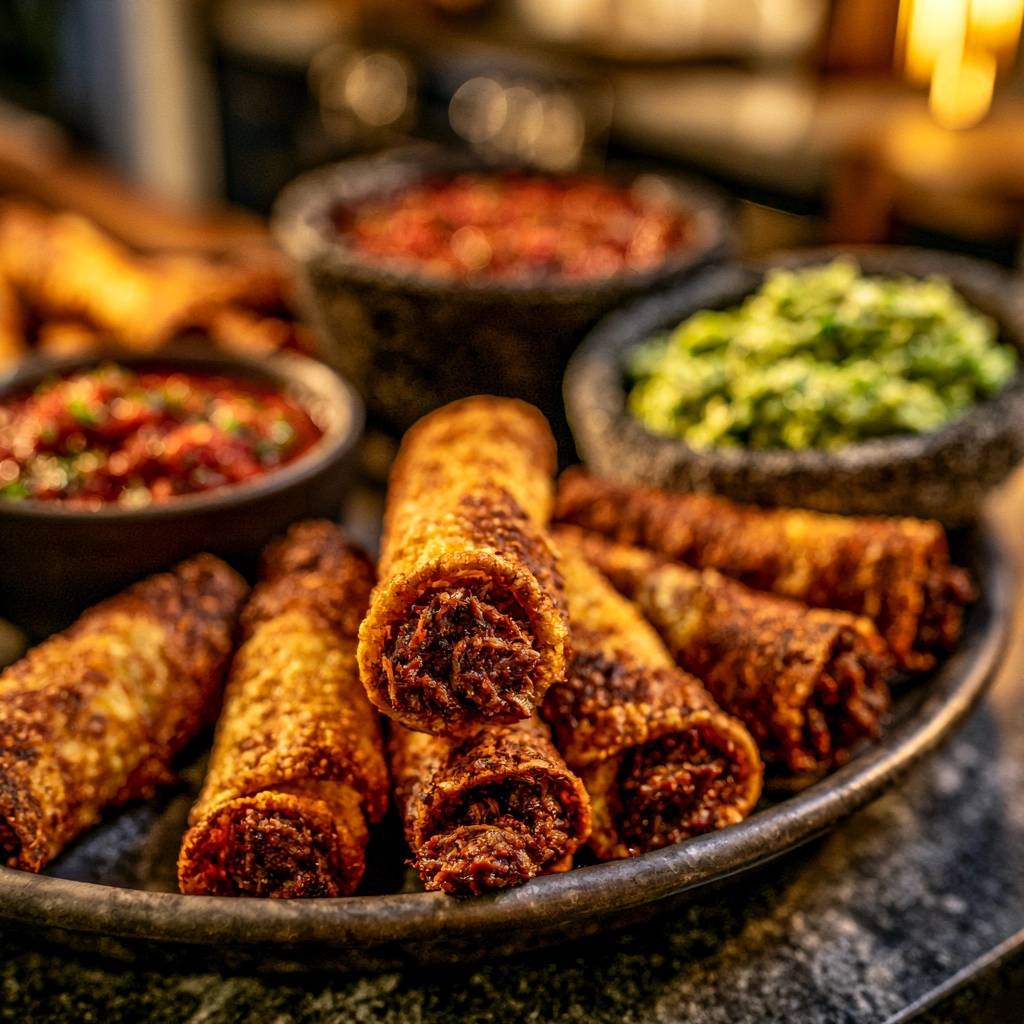
Drain your shredded beef thoroughly in a fine-mesh strainer before mixing in your spices. The combination of chili powder, cumin, and garlic powder provides a classic smoky warmth. For the cheese, Monterey Jack is the gold standard. It has a high moisture content and a low melting point, acting as a creamy “glue” that binds the beef together without competing with the savory meat flavors.
The Physics of the High-Density Roll
Tightness is your best friend when rolling taquitos. If you leave air pockets inside the tortilla, oil will find its way in and settle there, creating a greasy interior. Place two generous tablespoons of the beef mixture at the very edge of the tortilla, spreading it in a thin line from one end to the other. This ensures you get beef in every single bite.
As you roll, keep the tension high, pulling the tortilla back toward you slightly as you move forward. Once you have a tight cylinder, secure it with a toothpick. Aim the toothpick through the center of the seam to lock it down. This prevents the tortilla from unfurling the moment it hits the hot oil, which would expose the filling and cause a massive splatter.
Temperature Control and Oil Selection
Frying is a science of heat retention. You need an oil with a high smoke point, like canola or peanut oil, to handle the temperatures required for a quick crisp. If you use an oil with a low smoke point, it will break down and give your taquitos a bitter, burnt aftertaste. A heavy-bottomed skillet, like cast iron, is ideal because it holds heat steadily even when you add cold food.
The “Goldilocks” zone for frying taquitos is exactly 350°F. If the oil is too cool, the tortilla will soak it up like a sponge, leading to that dreaded oily mouthfeel. If it’s too hot, the outside will burn before the cheese inside has a chance to melt. Use a kitchen thermometer to stay precise, and never crowd the pan. Frying too many at once drops the oil temperature instantly.
Step-by-Step: Frying for Maximum Crunch
The Seam-Side Down Initial Sear
Always place your taquitos into the oil seam-side down first. This immediate blast of heat “sets” the shape of the tortilla and seals the edge. Even with a toothpick, this initial sear is what ensures the taquito stays a perfect cylinder throughout the rest of the cooking process.
Monitoring Color and Bubble Activity
Watch the bubbles around the taquitos; they are actually steam escaping from the tortilla. As the bubbles slow down, it means the moisture has evaporated and the shell is becoming crisp. You’re looking for a deep golden brown color and a surface that looks slightly blistered and bubbly.
Managing Batch Transitions
Between batches, give the oil a minute to come back up to 350°F. Use a slotted spoon to clear out any stray bits of beef or cheese that might have escaped. These little bits will burn if left in the oil, which can taint the flavor of your next batch of taquitos.
The Vertical Cooling Secret
This is the most important step for the “Anti-Soggy” philosophy. Most people make the mistake of laying fried foods flat on paper towels. This traps the hot steam underneath the taquito, which the tortilla then re-absorbs, making it soft. Instead, you want to create a “Chimney Effect” where steam can escape freely from both open ends.
Stand your taquitos upright in a wire cooling rack or a narrow metal strainer set over a plate. This allows air to circulate around the entire surface area. By letting the steam vent out of the ends, the shell stays shatteringly crisp for up to 30 minutes. It’s a simple change that makes a massive difference in the final texture.
Troubleshooting Common Taquito Failures
If your tortillas are splitting, they likely weren’t steamed long enough or they were too dry to begin with. Make sure they are warm and flexible before you even attempt to roll them. If the middle of your taquito is cold but the outside is dark, your oil was likely too hot, or you packed the beef too thick in the center.
Oil foaming is usually a sign of excess moisture on the outside of the tortilla. Ensure your hands and the tortillas are dry before they touch the oil. If cheese is leaking out everywhere, you might be over-filling them or rolling them too loosely. A tight roll acts as a seal that keeps the molten cheese exactly where it belongs.
Flavor Variations and Protein Swaps
While shredded beef is the classic choice, this technique works perfectly with other proteins. You can use shredded chicken or even slow-roasted lamb, provided the meat is well-drained. If you want to add a kick, mix some minced chipotle in adobo or diced pickled jalapeños directly into the beef mixture before rolling.
For a dairy-free version, you can omit the cheese, but you’ll need to roll the tortillas even tighter since you lose that cheesy “binder.” You could also add a small amount of refried beans to the beef to help everything stick together. The “Anti-Soggy” rules of moisture control and vertical cooling remain the same regardless of the filling.
Make-Ahead Strategies and Freezing Instructions
Taquitos are fantastic for meal prep or large parties. You can roll them ahead of time and keep them in the fridge for a few hours before frying. For longer storage, use the “Flash Freeze” method. Place the uncooked, rolled taquitos on a baking sheet in a single layer and freeze until solid. Once frozen, transfer them to a freezer bag.
When you’re ready to eat, you can fry them straight from the freezer. You’ll need to lower your oil temperature to about 325°F and increase the cook time by a few minutes. This ensures the frozen center reaches a safe 165°F without the shell burning. It’s a great way to have a high-quality snack ready in minutes.
Traditional Accompaniments and Serving Aesthetics
The richness of a fried taquito needs acidity and freshness to balance it out. A sharp Salsa Roja provides a bright vinegary punch, while a chunky guacamole offers a cool, fatty contrast to the hot beef. Don’t forget the garnishes; thinly sliced radishes, fresh cilantro, and a sprinkle of crumbled cotija cheese add layers of texture and flavor.
For a restaurant-quality presentation, stack the taquitos in a “log cabin” style or lean them against a mound of Mexican rice. This keeps them from laying flat against each other, which helps maintain that crunch you worked so hard for. Serve the dipping sauces on the side so the shells don’t get soggy from the salsa before you can eat them.
Expert Tips for Professional Results
Invest in a digital infrared thermometer. It allows you to check the oil temperature instantly without getting too close to the heat. Another pro tip is to let your seasoned beef rest for 10 minutes before rolling. This gives the meat time to fully absorb the spices, ensuring every strand of beef is packed with flavor.
Interestingly, “day-old” tortillas often fry better than fresh ones. They have slightly less moisture, which leads to a crispier result. Finally, always salt your taquitos the second they come out of the oil. The residual oil on the surface helps the salt grains stick, whereas salting them after they’ve cooled will just result in the salt falling right off.
How do I store leftover taquitos?
Store any leftovers in an airtight container in the refrigerator for up to three days. To maintain the crunch when reheating, avoid the microwave at all costs. Instead, place them in an oven or air fryer at 350°F for about 5-7 minutes until they are heated through and the shell crisps back up. They do not freeze well after they have already been fried, as the texture becomes grainy.
Why did my taquitos come out greasy?
Greasy taquitos are almost always caused by low oil temperature. If the oil is below 350°F, the tortilla absorbs the oil rather than searing. Another culprit is loose rolling; air pockets inside the roll act as reservoirs for oil. Ensure your oil is hot and your rolls are tight to keep the fat on the outside where it belongs.
Can I use flour tortillas instead of corn?
You can use flour tortillas, but the result will be a “flauta” rather than a traditional taquito. Flour tortillas have a different protein structure and will puff up and become chewy rather than shatteringly crisp. If you use flour, you don’t need to steam them as long, but you must be very careful as they brown much faster than corn.
What is the best way to shred the beef?
The best way to shred beef is while it is still warm. Use two forks to pull the meat apart along the natural grain. If you have a stand mixer, you can actually put the warm chunks of beef in the bowl with the paddle attachment on low speed for 30 seconds. It shreds the meat perfectly and evenly every time.
Can I bake these instead of frying them?
You can bake them at 425°F for about 15-20 minutes, but they will not have the same bubbly, crisp texture as fried taquitos. If you choose to bake, spray the outsides generously with oil to help them brown. They will be crunchy, but more like a hard cracker than a traditional fried shell.
How do I keep the toothpicks from breaking the tortillas?
The key is the pre-heating step. If the tortilla is properly steamed and pliable, the toothpick should slide through the fibers without tearing them. If the tortilla is cold or dry, it will snap. Also, try to “weave” the toothpick through the seam rather than just stabbing it straight through to distribute the pressure.
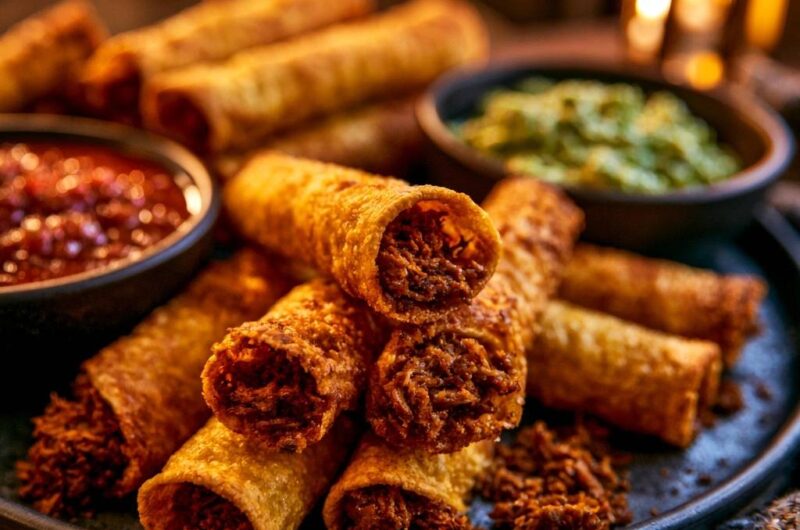
Crispy Shredded Beef Taquitos
Course: Main CourseCuisine: Mexican-AmericanDifficulty: easy4
servings20
minutes15
minutes35
Minutes410
kcalMexican-American
Ingredients
12 corn tortillas
2 cups slow-cooked shredded beef (well-drained of excess broth)
1 teaspoon chili powder
1/2 teaspoon ground cumin
1/2 teaspoon garlic powder
1/2 cup finely shredded Monterey Jack cheese
High-heat vegetable oil (canola or peanut oil) for frying
Toothpicks
Salsa roja and chunky guacamole for serving
Directions
- The secret to preventing sogginess starts with the tortilla prep. Lightly brush both sides of your corn tortillas with a tiny amount of oil and microwave them in a damp paper towel for 30 seconds. This makes them pliable so they do not crack and leak moisture into the oil later.
- In a bowl, combine the shredded beef, chili powder, cumin, garlic powder, and cheese. Ensure the beef is moist but not dripping with liquid; excess moisture inside the roll creates steam that softens the shell from the inside out.
- Place two generous tablespoons of the beef mixture at the edge of each tortilla, spreading it from end to end. Roll them as tightly as possible. A loose roll allows oil to seep inside, which is the primary cause of a soggy interior. Secure each roll with a toothpick through the center.
- Heat 1 inch of oil in a heavy skillet to exactly 350°F (175°C). Use a thermometer; if the oil is too cool, the tortilla will soak it up like a sponge.
- Place the taquitos seam-side down in the oil. Fry in batches to avoid crowding the pan, which drops the oil temperature. Fry for 2 to 3 minutes per side until the shells are deep golden brown and bubbly.
- To ensure the “Anti-Soggy” result, do not drain them flat on a paper towel. Instead, stand them upright in a wire rack or a metal strainer over a paper towel. This allows steam to escape from both open ends rather than getting trapped under the shell, keeping them perfectly crispy for over 30 minutes.
- Remove toothpicks and serve immediately with fresh salsa and guacamole.
Notes
- To maintain maximum crispness, stand the taquitos upright on a wire rack after frying to allow steam to escape from the ends. Ensure the beef is well-drained to prevent internal steaming.