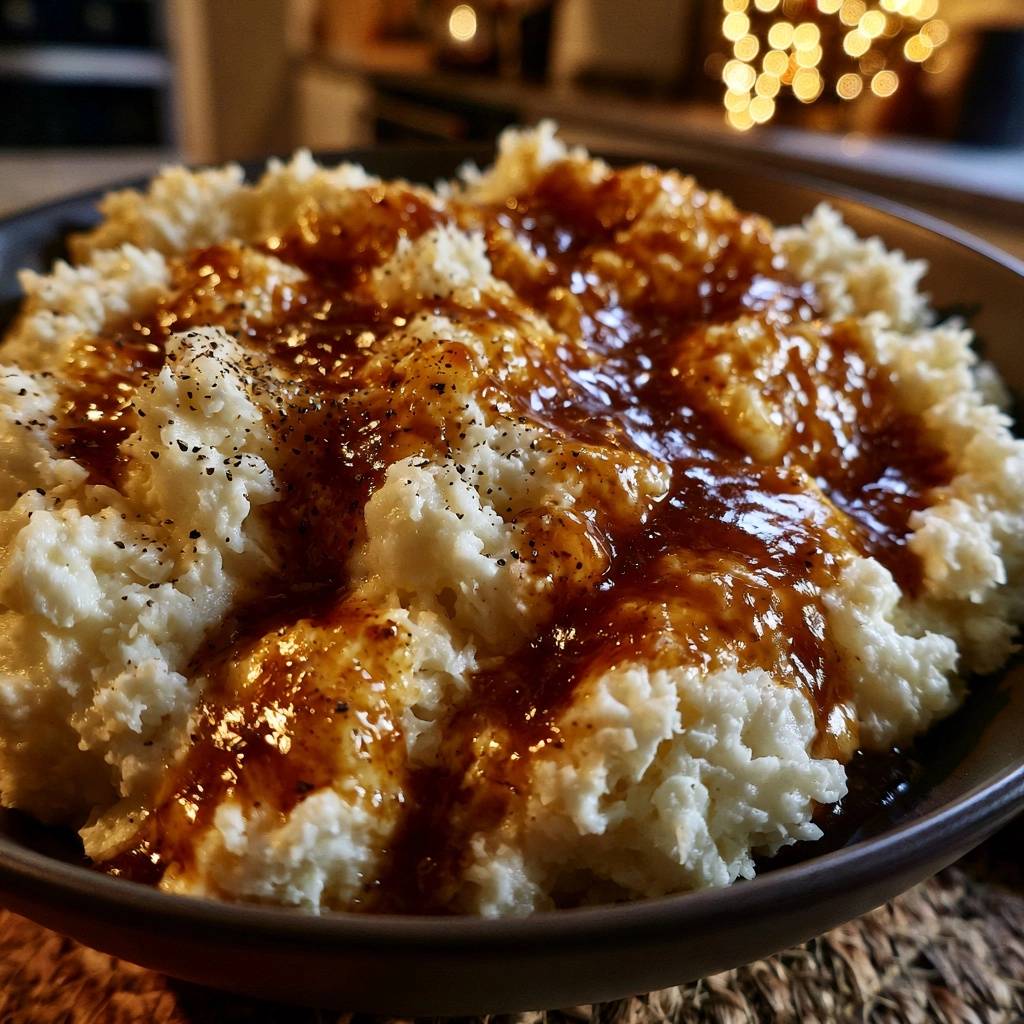
Imagine plunging your fork into a mountain of potatoes that feels as light as a summer cloud. There is no resistance, no sticky pull, and certainly no glue-like residue coating the roof of your mouth. Instead, you get a burst of savory garlic and rich butter that practically dissolves the moment it hits your tongue. This is the gold standard of side dishes, yet so many home cooks end up with a heavy, translucent paste that feels more like wallpaper glue than a gourmet meal.
Achieving professional-grade Fluffy Garlic Mashed Potatoes isn’t about luck or even a secret ingredient. It is entirely about starch management and temperature control. When you treat the potato with a bit of scientific respect, you unlock a texture that is airy, craggy, and perfectly designed to catch every drop of glossy beef gravy. We are moving away from the heavy, dense mash of the past and embracing a technique that prioritizes aeration and moisture evaporation.
The real secret to this recipe lies in the drying phase. Most people drain their potatoes and immediately start mashing, which traps steam and water inside the starch. By returning the drained potatoes to the hot burner for just two minutes, you cook off that excess moisture. This simple step ensures the potatoes absorb the butter and cream rather than just sitting in a puddle of water, resulting in a much cleaner, fluffier finish.
The Science of Starch: Why Potatoes Turn Gummy
To understand why potatoes turn gummy, you have to look at them on a molecular level. Potatoes are packed with tiny starch granules. When these granules are heated in water, they swell and eventually burst. If you handle the potatoes gently, these granules stay relatively intact, giving you a light and fluffy result. However, if you agitate them too much, you release a flood of starch that acts like a natural adhesive.
This is exactly why using a food processor or a high-speed electric mixer is a recipe for disaster. The rapid spinning blades shear the starch molecules, turning your beautiful Yukon Golds into a sticky, elastic mess. Once that starch is released and bonded, there is no way to “un-gum” the potatoes. You are essentially creating a polymer rather than a side dish.
Manual aeration is the only way to protect the integrity of the potato. By using tools that press or crush rather than whip, you keep the starch contained. This creates a “short” texture that breaks apart easily. When you see those beautiful, craggy peaks in a bowl of mashed potatoes, you are seeing the result of starch that has been respected rather than pulverized.
Choosing the Right Spud: Yukon Gold vs. Russet
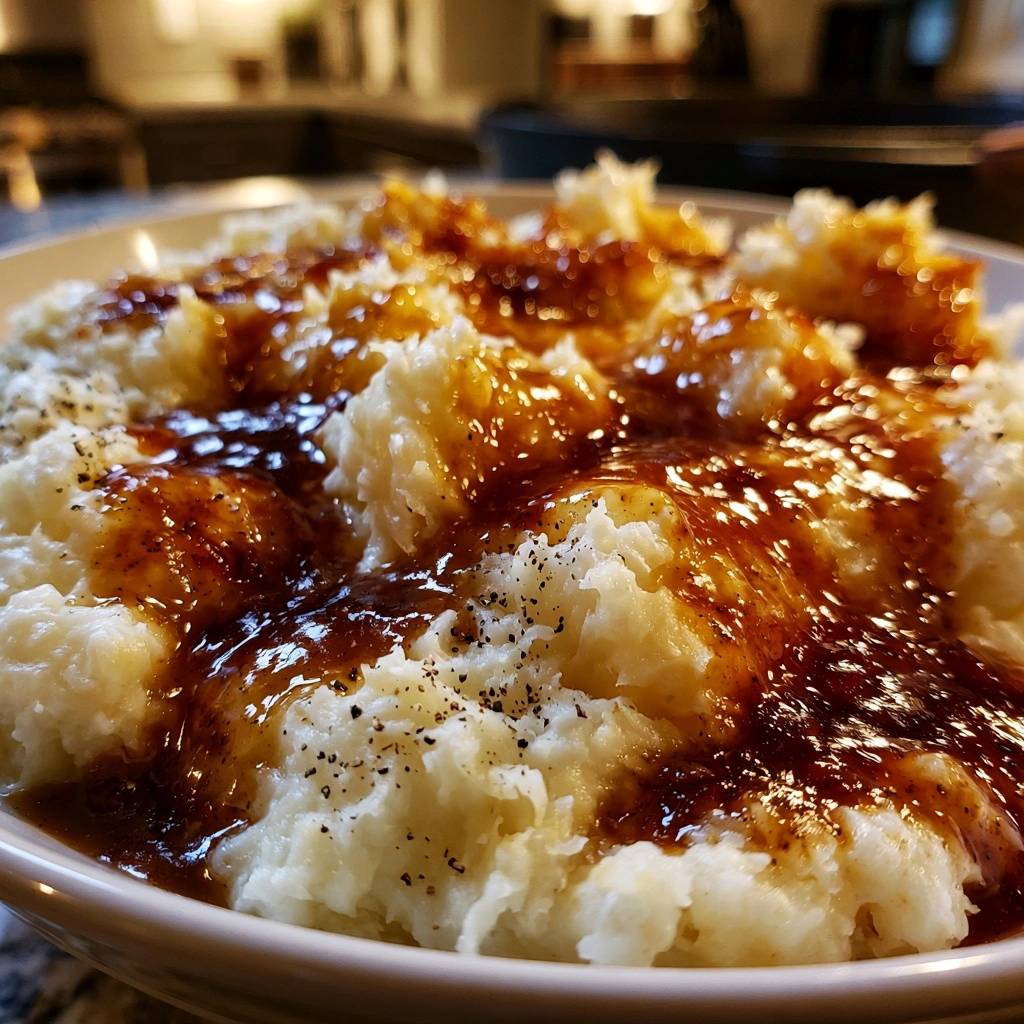
While many people reach for Russets for baking, Yukon Golds are the undisputed champions for this specific recipe. They possess a naturally buttery flavor and a medium starch content that provides a creamy mouthfeel without falling apart into graininess. Their skins are thin, and their flesh holds its shape just enough to create a structured, fluffy pile.
Russets can sometimes become too mealy or watery when boiled for mash. Yukon Golds, on the other hand, have a dense enough texture to withstand the boiling process while still offering that signature yellow hue that looks beautiful on the plate. They provide the perfect middle ground between a waxy red potato and a starchy baking potato.
Essential Components for Fluffy Garlic Mashed Potatoes
We start with three pounds of Yukon Gold potatoes, which provides enough for a hungry family of six. The four cloves of garlic aren’t just an afterthought; they are smashed and boiled directly with the potatoes. This infuses the water and the potato flesh with a mellow, sweet garlic essence that is far less pungent than adding raw garlic at the end.
Using unsalted butter is a strategic choice here. It gives you total control over the sodium levels of the dish. Since we are adding sea salt and a savory beef gravy later, starting with a neutral fat prevents the dish from becoming a salt bomb. You want to taste the cream and the earthiness of the potato, not just the salt shaker.
The Importance of Temperature: Warm Cream and Soft Butter
Temperature control is the most overlooked aspect of great mashed potatoes. If you pour cold heavy cream into hot, riced potatoes, you cause a thermal shock. This causes the fats to seize and prevents the potatoes from absorbing the liquid evenly. You end up with a lumpy, broken emulsion that feels greasy rather than creamy.
Always take the time to warm your heavy cream in a small saucepan or the microwave until it is steaming. Similarly, your butter should be soft enough that a finger leaves an easy indentation. When the dairy and the potatoes are at similar temperatures, they fold together effortlessly, maintaining that airy, whipped volume we are looking for.
Building the Savory Beef Gravy Base
The gravy serves as the perfect salty counterpoint to the rich, buttery potatoes. By using a high-quality beef broth and a splash of Worcestershire sauce, you add a deep umami layer that cuts through the fat of the cream. The Worcestershire provides a fermented tang that brightens the entire flavor profile.
If you want that deep, mahogany color often seen in professional kitchens, a drop of kitchen bouquet or browning sauce works wonders. It doesn’t change the flavor much, but it makes the gravy look incredibly appetizing against the pale yellow potatoes. It creates a visual contrast that signals a deeply savory experience.
Step-by-Step: Preparing the Potatoes and Garlic
Start by placing your cubed potatoes and smashed garlic in a large pot and covering them with cold water. Starting with cold water is vital because it allows the potatoes to heat up gradually. If you drop them into boiling water, the outside will overcook and turn to mush before the center is even soft.
Add a generous pinch of salt to the water now, as this is your only chance to season the potatoes from the inside out. Bring the pot to a boil, then drop the heat to a simmer. You are looking for “fork-tender” potatoes, which usually takes about 15 to 20 minutes. The potato should slide off the fork easily when pierced.
The Critical Drying Phase: Evaporating Excess Moisture
Once the potatoes are tender, drain them thoroughly in a colander. Don’t stop there, though. Return the empty pot to the stove over very low heat and dump the potatoes back in. Shake the pot gently for about two minutes. You will see steam rising rapidly as the residual water evaporates.
Watch for the visual cues. The edges of the potato cubes should start to look slightly white and “floury” or fuzzy. This is a sign that the surface moisture is gone. This step is the difference between a soggy mash and a fluffy one. Dry potatoes are like a sponge, ready to soak up all that warm cream and butter.
Refining the Texture: Ricers vs. Mashers
If you want the specific “shredded” fluffy texture that looks like a professional side dish, a potato ricer is your best friend. It works by pushing the potato through tiny holes, creating thin strands that stay separated and airy. A food mill achieves a similar result by aerating the potato as it grinds.
Standard wire mashers are fine, but they often require more force and repetition, which increases the risk of over-working the starch. Whatever you do, stay away from electric hand mixers. They might seem faster, but they are the primary cause of the gummy texture we are trying to avoid. Stick to manual tools for the best mouthfeel.
Folding Techniques for Maximum Aeration
Once your potatoes are riced, it is time to incorporate the fats. Use a rubber spatula rather than a spoon. The goal is to “fold” the warm cream and soft butter into the potatoes using a gentle lifting and turning motion. This incorporates the ingredients without crushing the air out of the mixture.
Stop the moment the streaks of white cream disappear. You aren’t looking for a perfectly smooth, flat surface. You want craggy peaks and valleys that look rustic and textured. Over-mixing at this stage will deflate the potatoes and lead back toward that dreaded sticky consistency.
Crafting the Glossy Beef Broth Gravy
To make the gravy, start by melting two tablespoons of butter in a small saucepan. Whisk in the flour to create a roux. Cook this mixture for about a minute or two. You want to smell a slightly nutty aroma, which indicates the raw flour taste has cooked out, but don’t let it turn dark brown.
Slowly pour in the beef broth while whisking constantly. Adding the liquid in a slow stream prevents lumps from forming. Add the Worcestershire sauce and simmer the mixture until it thickens enough to coat the back of a spoon. It should be glossy and smooth, ready to be poured into the crevices of your fluffy potatoes.
Troubleshooting Common Mashed Potato Failures
If your potatoes turn out too thin, you can try to save them by placing them back over very low heat to cook off more moisture, though you must be careful not to burn the bottom. If they have already become gummy, unfortunately, there is no way to reverse the starch bond. In that case, your best bet is to spread them in a pan, top with cheese, and bake them as a casserole.
For under-seasoned potatoes, don’t just dump salt on top. Mix a little salt into a tablespoon of warm cream and fold that in. This helps the salt distribute evenly throughout the mash rather than leaving salty hot spots. Always taste as you go before the final plating.
How to Fix Lumpy Gravy
Lumpy gravy happens to the best of us, usually when the broth is added too quickly. If you see flour clumps, don’t panic. The easiest fix is to pour the gravy through a fine-mesh sieve into a clean bowl. This catches the lumps and leaves you with a silky sauce.
If you don’t want to wash an extra dish, an immersion blender can save the day. Just a few pulses will break up the flour pockets and emulsify the sauce. If the gravy is too thick, whisk in a tablespoon of broth at a time until you reach the desired consistency.
Expert Tips for Advanced Flavor Profiles
While boiling garlic with the potatoes is easy, you can elevate the flavor by using roasted garlic instead. Squeeze the softened cloves from a roasted head of garlic directly into the ricer with the potatoes. This adds a caramelized, sweet depth that boiling can’t quite match.
Consider the salt you use for finishing. While sea salt is great for the mash, a sprinkle of flaky Maldon salt on top adds a lovely crunch and a burst of flavor. Freshly snipped chives or a pinch of smoked paprika can also add a pop of color and a layer of complexity to the final presentation.
Pairing Suggestions for a Complete Meal
These potatoes are designed to be the supporting star for a protein with plenty of juices. A classic beef pot roast is a natural partner, as the gravy complements the slow-cooked meat perfectly. The fluffy texture of the potatoes is excellent for soaking up the braising liquid from the roast.
Roasted chicken or grilled lamb chops also work beautifully. The richness of the heavy cream in the potatoes stands up well to the charred exterior of grilled meats. Because these potatoes are so airy, they don’t feel as heavy as traditional mash, making them a great fit for a multi-course holiday dinner.
Make-Ahead Strategies and Reheating Instructions
If you are cooking for a crowd, you can make these potatoes an hour or two in advance. Transfer them to a slow cooker set to the “warm” function. To keep them from drying out, add a few small pats of butter on top and keep the lid tightly closed. The steam will keep them moist and fluffy.
To reheat leftovers, avoid the microwave if possible, as it can make the potatoes rubbery. Instead, place them in a saucepan over low heat. Add a splash of heavy cream or a tablespoon of butter and stir gently until warmed through. The extra liquid helps restore the creamy emulsion and brings the fluffiness back to life.
Frequently Asked Questions
How should I store leftover mashed potatoes?
Place leftovers in an airtight container and keep them in the refrigerator for up to three to four days. Do not freeze these potatoes. The high moisture and dairy content in Yukon Golds will cause the texture to become grainy and watery once thawed, destroying the fluffy structure you worked so hard to create.
Why did my potatoes turn out like glue?
This usually happens for two reasons: over-processing or too much moisture. If you used a blender, food processor, or even an electric mixer on high speed, you likely broke the starch granules. Additionally, if you didn’t perform the “drying phase” on the stove after draining, the excess water mixed with the starch to create a sticky paste.
Can I use milk instead of heavy cream?
You can use whole milk, but the result won’t be quite as rich or stable. Heavy cream has a higher fat content, which helps coat the starch molecules and creates a silkier mouthfeel. If you use milk, make sure it is full-fat and warmed before adding. Avoid skim or low-fat milk, as they can make the potatoes look grey and watery.
What is the best way to peel potatoes for mashing?
Use a standard Y-peeler to remove the skins before cubing. While some people like “dirty” mashed potatoes with skins left on, for this specific fluffy texture, removing the skins is essential. The skins interfere with the potato ricer and prevent the mash from achieving that uniform, cloud-like consistency.
Can I substitute the beef broth in the gravy?
Yes, you can use chicken broth or a rich vegetable stock if you prefer. However, beef broth provides the most traditional, deep flavor that pairs best with the Worcestershire sauce. If using vegetable stock, consider adding a teaspoon of soy sauce to help mimic the savory depth of the beef.
My gravy is too thin, how do I thicken it?
Let the gravy simmer for a few extra minutes without a lid; evaporation will naturally thicken the sauce. If you are in a hurry, mix a teaspoon of cornstarch with a tablespoon of cold water to create a slurry, then whisk it into the simmering gravy. It will thicken almost instantly once it returns to a boil.
Fluffy Garlic Mashed Potatoes
Course: Side DishCuisine: AmericanDifficulty: easy6
servings15
minutes20
minutes35
Minutes240
kcalAmerican
Ingredients
3 lbs Yukon Gold potatoes, peeled and cubed
4 cloves garlic, smashed
1/2 cup unsalted butter, room temperature
1/2 cup heavy cream, warmed
1 teaspoon sea salt
1 teaspoon freshly cracked black pepper (plus extra for garnish)
2 cups beef broth
2 tablespoons unsalted butter (for gravy)
2 tablespoons all-purpose flour
1 tablespoon Worcestershire sauce
1/2 teaspoon kitchen bouquet or browning sauce (optional, for deep color)
Directions
- Place cubed potatoes and smashed garlic in a large pot. Cover with cold water and add a generous pinch of salt. Bring to a boil, then reduce heat and simmer for 15 to 20 minutes until fork-tender.
- To solve the gummy texture problem, drain the potatoes thoroughly and return them to the hot pot for 2 minutes over very low heat. Shake the pot gently to evaporate every drop of excess moisture. Dry potatoes are the only way to achieve a fluffy result.
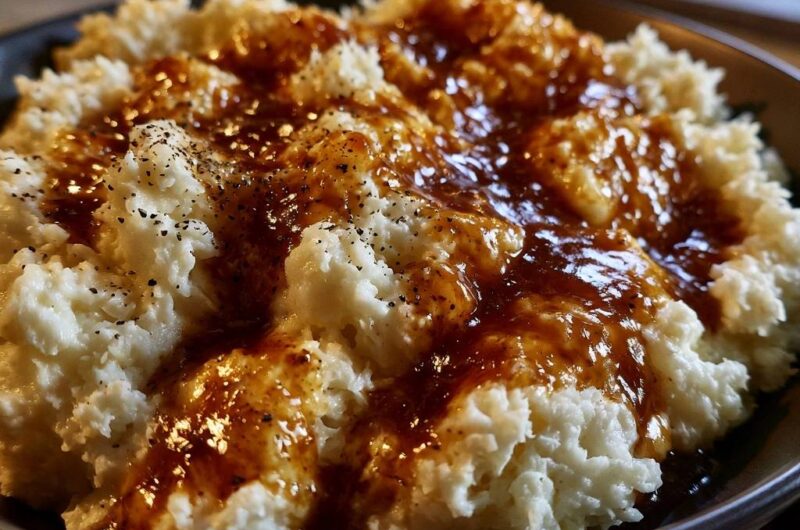
- Use a potato ricer or a food mill to process the potatoes into a large bowl. This is the only way to achieve the specific “shredded” fluffy texture seen in the image. Never use a food processor or blender, as the high speed breaks the starch granules and creates a sticky paste.
- Gently fold in the room temperature butter and warm cream using a rubber spatula. Do not over-mix; fold just until incorporated to maintain the airy, craggy peaks.
- For the gravy, melt 2 tablespoons of butter in a small saucepan over medium heat. Whisk in the flour and cook for 1-2 minutes to create a light roux. Slowly whisk in the beef broth and Worcestershire sauce. Simmer until thickened and glossy. Add a drop of browning sauce if a darker color is desired to match the visual.
- Transfer the potatoes to a serving bowl, keeping the surface rough and textured. Pour the hot gravy over the top so it settles into the crevices. Finish with a generous dusting of coarse cracked black pepper.
Notes
- To avoid a gummy texture, never use a food processor or blender. Always use a potato ricer or food mill and ensure potatoes are completely dry before mashing.