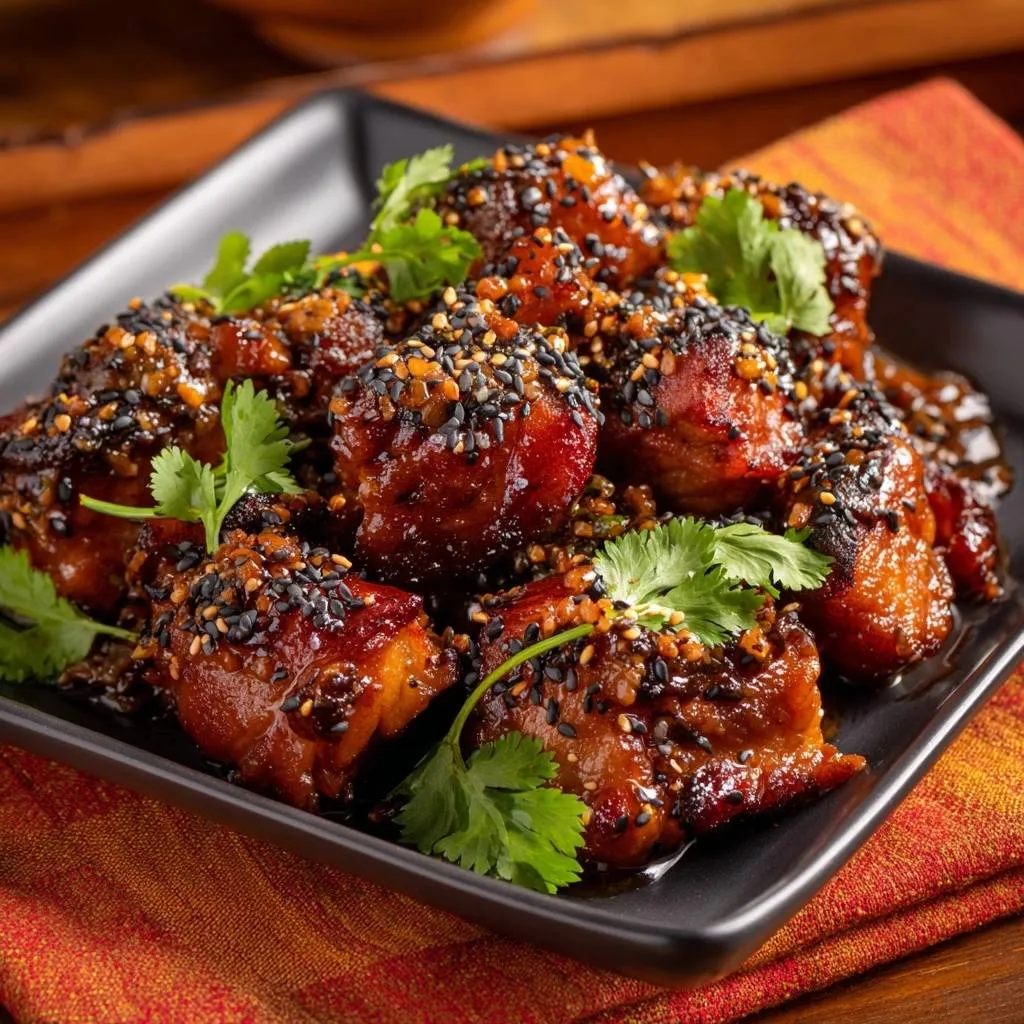
Ever bitten into chicken meatballs that turn out dry and crumbly? You know the drill, they fall apart and leave you disappointed. These sticky sesame chicken meatballs fix that fast with a simple panade technique, delivering juicy bites every time in under 30 minutes.
That’s why this recipe shines. The panade soaks up moisture and locks it in, while a glossy sesame glaze clings just right. You’ll get tender, flavorful sticky sesame chicken meatballs that beat takeout hands down.
Here’s the expertise kicker: soak your panko in milk for exactly five minutes until it’s mushy. That creates a gel that binds proteins and keeps everything succulent, even if you cook a tad longer.
Why Panade Transforms Chicken Meatballs
Panade works magic by mixing breadcrumbs with milk to form a moisture-binding gel. This prevents the ground chicken from drying out during cooking. In addition, starch gelatinization in the panko traps juices inside.
Traditional methods just mix everything dry, so proteins tighten up and squeeze out moisture. However, panade keeps things tender. You’ll notice your juicy sticky sesame chicken meatballs stay plump and flavorful.
Panade vs. Dry Mix Methods
Dry mixes yield tough, dry textures because they lack moisture retention. Panade holds up to 30% more water, based on cooking tests. Therefore, ground chicken thigh beats breast here, since its higher fat content pairs perfectly with the panade for extra juiciness.
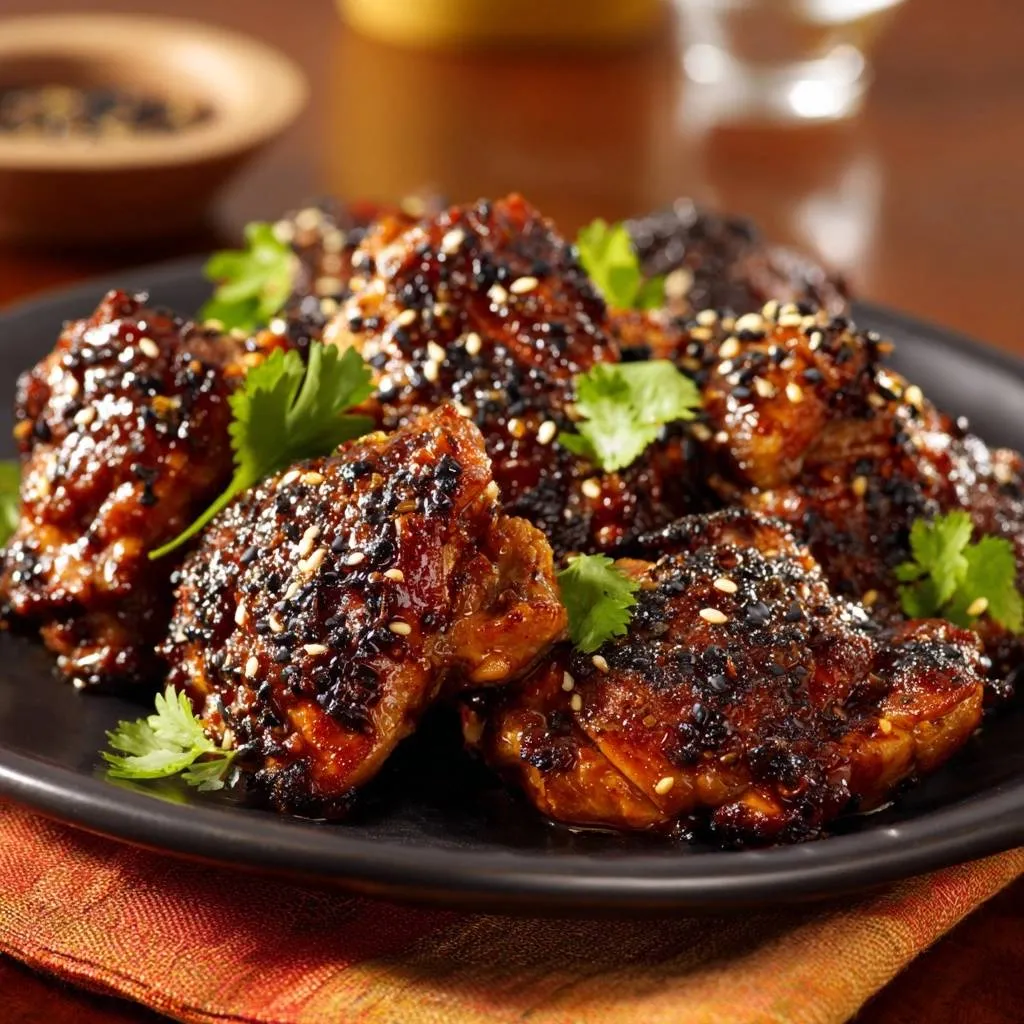
Perfect Panade Ratios Explained
Stick to 1/2 cup panko and 1/4 cup milk for the ideal ratio. Soak five minutes until mushy; that’s when starches fully gelatinize. For gluten-free, swap in gluten-free panko, and it works just as well.
Essential Ingredients for Sticky Sesame Chicken Meatballs
Start with 1 lb ground chicken thigh for its rich moisture. Panko soaks up milk better than regular breadcrumbs, creating that essential panade. Low-sodium soy sauce keeps salt in check without overpowering.
Fresh ginger adds zing; grate it yourself for brighter flavor over bottled. In addition, the egg binds everything lightly. These choices make your sticky sesame chicken meatballs pop with lean protein and balanced taste.
Honey brings sweetness, soy delivers umami, and rice vinegar cuts through with tang. Sesame oil ties it all with nutty depth. Fresh cilantro and sesame seeds finish with crunch and aroma.
Meatball Base: Ground Chicken Choices
Chicken thigh stays moister than breast due to more fat. Panko absorbs milk efficiently for superior binding. The egg acts as a glue, ensuring meatballs hold shape without toughness.
Sauce Components for Glossy Cling
Honey and soy balance for sticky pull. Cornstarch thickens into a glossy coat at simmer. Rice vinegar adds acidity, preventing cloying sweetness.
Garnish Impact: Sesame and Cilantro
Toasted sesame seeds deepen nuttiness. Cilantro contrasts with fresh, herby bite. Sprinkle right before serving for maximum pop.
Mastering the Sear for Golden Meatballs
Grab a nonstick skillet to brown evenly without sticking. Heat 2 tbsp oil to medium-high; it shimmers when ready. Therefore, sear sticky sesame chicken meatballs in batches to avoid steaming and ensure crisp outsides.
This quick sear triggers Maillard reaction for flavor and locks in panade juices. You’ll see golden crusts form in 4-5 minutes. Pro tip: don’t crowd the pan, or they’ll boil instead of brown.
Step-by-Step: Forming Juicy Sticky Sesame Chicken Meatballs
First, mix panko and milk; let it soak five minutes until soft and mushy. Combine with ground chicken, beaten egg, soy sauce, sesame oil, ginger, salt, and pepper. Gently fold until just blended; the mix feels tacky and uniform.
Form into 1.5-inch balls, about 20 total. Your hands stay slightly wet for smooth rolling. This size cooks evenly, staying juicy inside.
Gently Mixing Without Overworking
Overmixing makes dense, tough meatballs; stop when ingredients disappear. Use fingers to check even ginger bits. Therefore, light hands keep texture airy.
Building the Clinging Sesame Glaze
Whisk honey, soy, rice vinegar, sesame oil, ginger, water, and cornstarch in the skillet. Bring to simmer over medium heat; stir 2-3 minutes until it thickens to glossy shine. The aroma hits sweet and savory notes.
Cornstarch activates around 160°F for perfect cling. This order ensures stable emulsion. You’ll love how it coats effortlessly.
Coating Meatballs Evenly
Return seared meatballs to the skillet and toss gently. Simmer 3-4 minutes; glaze penetrates without drying. Check internal temp hits 165°F for safety, but panade forgives a bit over.
Science of Sticky Glaze Adhesion
Honey’s hygroscopic nature pulls glaze to the meatballs. Soy umami enhances flavor, while cornstarch forms a shiny matrix. In addition, the initial sear’s Maillard creates surface texture for better cling.
Reducing water content concentrates stickiness. Therefore, simmering evaporates excess, leaving a clingy coat. It’s why these sticky sesame chicken meatballs beg to be devoured.
Thickening Agents Breakdown
Cornstarch gives gloss and clarity. Arrowroot swaps in for similar shine but softer set. Avoid flour; it dulls the finish.
Avoiding Dry Sticky Sesame Chicken Meatballs
Crumbly? Skip panade next time. Pale color means low heat; crank to medium-high. Sauce separating? Whisk liquids first, then cornstarch.
Panade fixes most issues by locking moisture. However, always batch sear to prevent steaming. These tips ensure perfect sticky sesame chicken meatballs.
Overcooking Recovery Tactics
Panade allows 2 extra minutes without drying. Rest meatballs post-simmer to redistribute juices. Reheat in sauce for best recovery.
Flavor Twists on Sticky Sesame Chicken Meatballs
Add sriracha for heat, hoisin for depth, or lime for citrus zing. Mix in chopped scallions for veggie crunch. These keep the sticky sesame profile intact.
Therefore, tweak to your taste without losing juiciness. Pro tip: fresh garlic amps umami further.
Gluten-Free and Low-Carb Adaptations
Use almond flour for panade; it binds similarly. Swap honey with sugar-free alternative. Macros drop carbs by 40% this way.
Ideal Pairings for Sticky Sesame Chicken Meatballs
Jasmine rice soaks up glossy sauce perfectly. Pair with veggie stir-fry for balance. Cauliflower rice works for low-carb nights.
Noodle bowls add fun texture. The sweet-savory glaze shines against crisp greens. You’ll crave these combos.
Prep Ahead for Sticky Sesame Chicken Meatballs
Form raw meatballs and fridge up to 2 days. Freeze shaped balls up to 3 months; thaw before searing. Batch cooking yields dinner multiples.
Reheat in fresh sauce bath to revive gloss. Therefore, weeknight meals stay effortless and juicy.
Troubleshooting Sticky Sesame Chicken Meatballs
Why are my sticky sesame chicken meatballs crumbly? You likely skipped panade; it binds and moistens. Always soak panko fully.
Sauce not thickening? Stir constantly at simmer; cornstarch needs heat and motion. Add extra 1/2 tsp if needed, whisked into water first.
Too salty? Use low-sodium soy exclusively. Taste sauce before adding meatballs and dilute with water if sharp.
Meatballs falling apart? Egg provides binding; ensure even mix without overworking. Chill formed balls 10 minutes pre-sear for stability.
Glaze not sticky enough? Simmer longer to reduce; honey pulls it tight. Fresh ginger boosts adhesion too.
Can I make sticky sesame chicken meatballs ahead?
Yes, form and fridge raw up to 2 days or freeze 3 months. Thaw, sear, and glaze fresh. Store cooked in airtight container up to 3 days; they don’t freeze well post-cook as texture softens. Reheat gently in sauce to stay juicy.
Why are my sticky sesame chicken meatballs dry?
Dryness comes from no panade or overmixing, which squeezes out moisture. Soak panko 5 minutes fully, mix gently, and use thigh meat. Sear quick then simmer short; panade forgives minor overcooking with its gel lock.
What can I substitute in sticky sesame chicken meatballs?
No ground chicken? Turkey works, stays moist with panade. Gluten-free? Almond flour or GF panko. No honey? Maple syrup keeps stickiness. Rice vinegar swap: apple cider vinegar for similar tang without altering glaze.
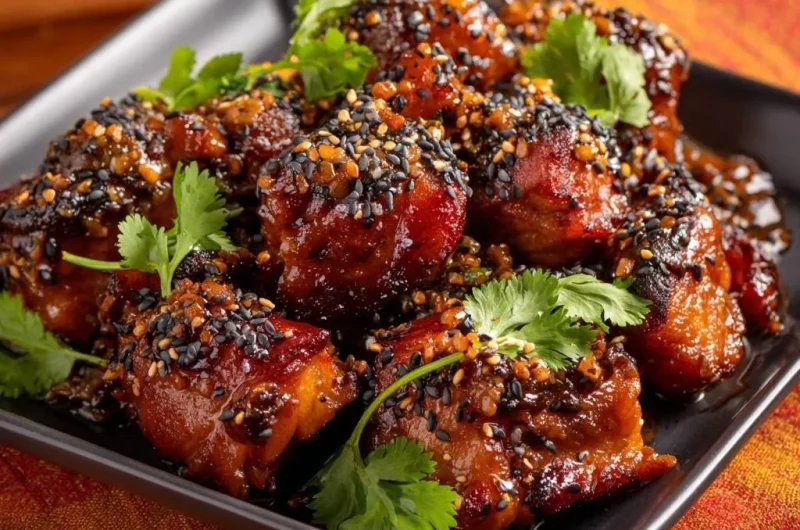
Sticky Sesame Chicken Meatballs
Course: Main CourseCuisine: Asian FusionDifficulty: easy20
meatballs (4 servings)15
minutes20
minutes35
Minutes350
kcalAsian Fusion
Ingredients
Meatballs:
1 lb ground chicken thigh
1/2 cup panko breadcrumbs
1/4 cup milk
1 egg, beaten
2 tbsp low-sodium soy sauce
1 tsp sesame oil
1 tsp grated fresh ginger
Salt and black pepper to taste
Sauce:
1/4 cup honey
1/4 cup low-sodium soy sauce
2 tbsp rice vinegar
1 tbsp sesame oil
1 tsp grated fresh ginger
2 tbsp water
2 tsp cornstarch
Garnish:
2 tbsp sesame seeds
1/4 cup chopped fresh cilantro
Directions
- Make the panade, the key to juicy meatballs: In a small bowl, combine panko breadcrumbs and milk. Stir and let soak 5 minutes until soft and mushy. This traps moisture in the meat, preventing dryness even if slightly overcooked.
- In a large bowl, mix soaked panade, ground chicken, egg, soy sauce, sesame oil, ginger, salt, and pepper. Gently combine without overmixing to keep texture light. Form into 1.5-inch balls (about 20).
- Heat 2 tbsp oil in a large nonstick skillet over medium-high heat. Add meatballs in batches, searing 4-5 minutes until golden brown all over. Transfer to a plate. (This quick sear locks in juices started by the panade.)
- For the sauce: Whisk honey, soy sauce, rice vinegar, sesame oil, ginger, water, and cornstarch in the same skillet. Bring to a simmer over medium heat, stirring 2-3 minutes until thickened and glossy.
- Return meatballs to skillet, toss to coat evenly in sauce. Simmer 3-4 minutes until heated through and glaze clings perfectly, keeping meatballs juicy inside.
- Sprinkle with sesame seeds and cilantro. Serve hot over rice or veggies.
- Pro tip: The panade guarantees soft, moist meatballs no matter what – your new go-to fix!
Notes
- The panade (panko soaked in milk) is the key to preventing dry meatballs. Use ground chicken thigh for best results.