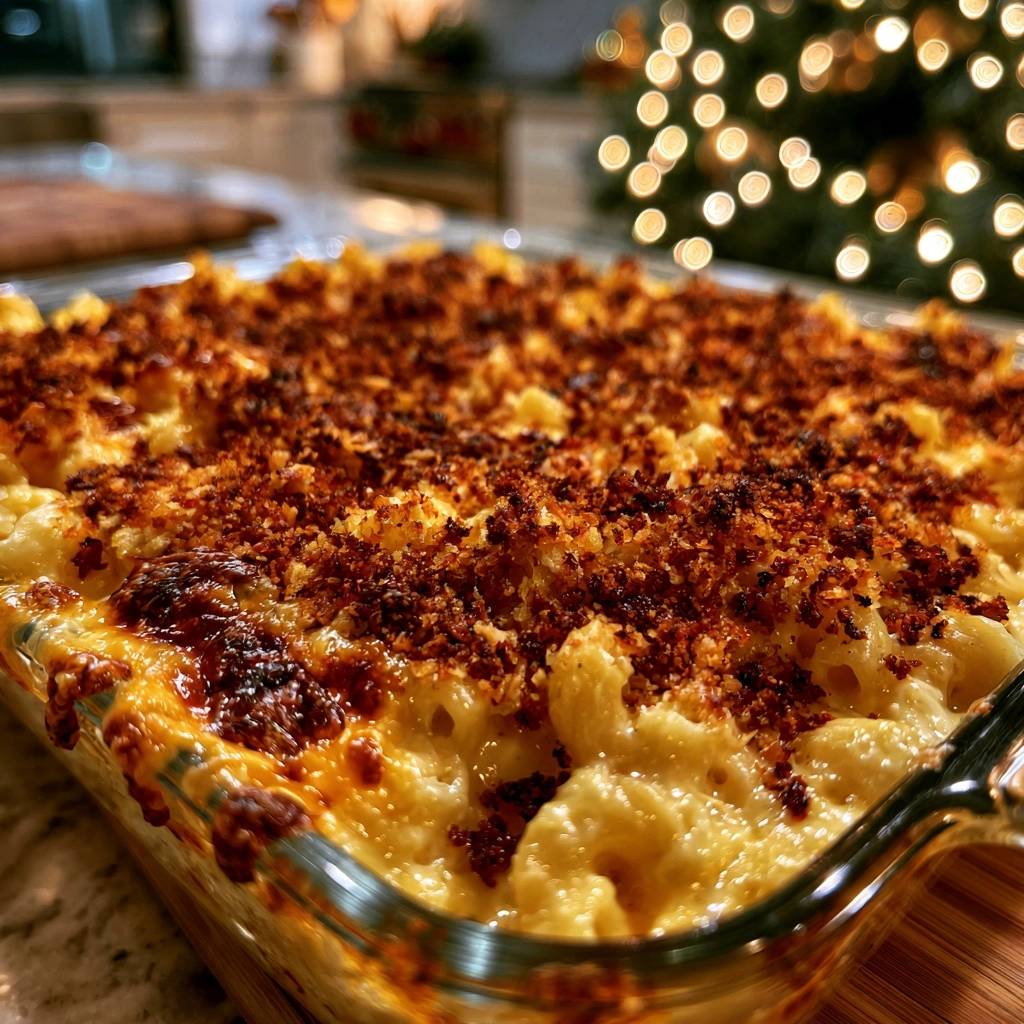
Most people have experienced the heartbreak of a dry, grainy, or oily baked pasta dish. You pull a beautiful tray out of the oven, but instead of a silky embrace of cheese, you find a broken sauce and mushy noodles. The Ultimate Baked Macaroni and Cheese isn’t just about mixing cheese and pasta; it’s about mastering the science of a stable emulsion that survives the intense heat of the oven.
The secret to a professional result lies in the specific ratio of liquid to pasta and a strategic tempering technique. We’re building a high-moisture sauce that looks almost too thin when it goes into the pan. However, that extra hydration is exactly what keeps the dish luscious after thirty minutes of baking. You’ll get a velvety interior protected by a signature dark-golden buttery crunch that shatters with every forkful.
Expertise in this dish comes down to one non-negotiable rule: never boil your pasta to completion. If you cook the macaroni until it’s soft in the water, it will inevitably turn to mush in the oven. By pulling the noodles three minutes early, you leave a “white core” that acts like a sponge, soaking up the seasoned cream and cheese while maintaining a perfect al dente bite.
Essential Components for a Silky Cheese Sauce
Creating a sauce that doesn’t break requires high-quality fats and specific seasonings. Whole milk and heavy cream are essential because their fat content stabilizes the sauce, preventing the proteins in the cheese from clumping together. If you use skim or low-fat milk, you risk a watery consistency that separates under the high heat of a 375°F oven.
Flavor depth comes from a trio of dry spices: garlic powder, smoked paprika, and mustard powder. While the paprika adds a subtle woodsy color, the mustard powder provides a necessary “back-end” acidity. It doesn’t make the dish taste like mustard; instead, it cuts through the heavy fat of the dairy to brighten the overall flavor profile. Using unsalted butter is also a strategic choice, as it allows you to control the sodium levels precisely, especially since different brands of cheese vary in saltiness.
The Case Against Pre-Shredded Bagged Cheese
If you want a smooth melt, you must grate your own cheese. Pre-shredded bagged cheeses are coated in cellulose and potato starch to prevent the shreds from sticking together in the package. These anti-caking agents are the primary cause of a “gritty” or “sandy” mouthfeel in homemade mac and cheese because they prevent the cheese from fully integrating into the sauce.
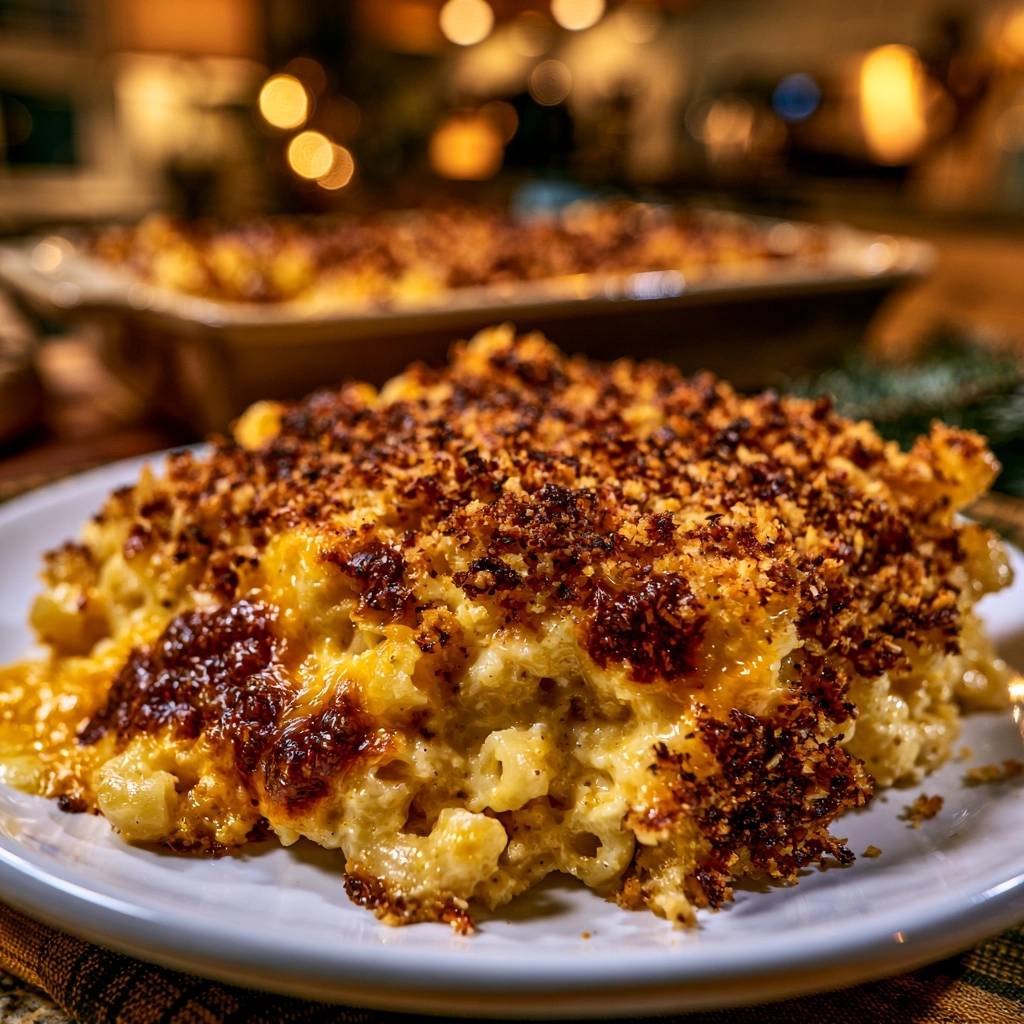
By hand-grating sharp cheddar and Gruyere, you ensure the proteins bond correctly with your roux. Sharp cheddar provides that classic, nostalgic tang, while Gruyere offers a sophisticated, nutty melt that stretches beautifully. This combination creates a complex flavor profile that bagged blends simply cannot replicate.
Selecting the Right Pasta Shape for Maximum Retention
The classic elbow macaroni is the gold standard for a reason. Its tubular structure and exterior ridges are specifically engineered to trap cheese sauce both inside and out. When you pour that Mornay sauce over elbows, every noodle becomes a vessel for the creamy mixture.
While you could use Cavatappi or Conchiglie, elbows offer the best structural integrity for a 9×13 baking dish. They pack together tightly, ensuring there are no large air pockets where the sauce might dry out. This dense packing helps maintain the internal moisture of the casserole during the final bake.
The Science of the Perfect Mornay Base
A great cheese sauce starts with a Béchamel, which is a mixture of a roux and milk. You begin by melting butter and whisking in flour to create the roux. It is vital to cook this mixture for at least two minutes until it smells slightly nutty. This step neutralizes the raw starch taste of the flour, ensuring your final sauce tastes like cream and cheese rather than paste.
Once the flour is cooked, you transition to a Béchamel by adding your liquids. As the sauce simmers, the starch granules in the flour swell and absorb the milk and cream. You’ll know it’s ready when the sauce thickens enough to coat the back of a spoon, creating a smooth, blank canvas for the cheese.
Why Room Temperature Dairy Prevents Thermal Shock
Physics plays a massive role in the smoothness of your sauce. Adding ice-cold milk or cream to a hot roux causes the fat in the butter to seize instantly, which is the most common cause of stubborn lumps. By using room temperature dairy, you allow the ingredients to emulsify gradually and smoothly.
If you forgot to take your milk out of the fridge, don’t worry. You can quickly warm it by placing the measured milk in a microwave-safe container for about 45 to 60 seconds. You aren’t looking for hot milk, just something that has the chill taken off so it doesn’t shock the hot flour and butter mixture.
Temperature Control: Preventing Sauce Breakage and Graininess
This is the most critical technical moment in the recipe. Cheese is a delicate emulsion of fat, water, and protein. If cheese is subjected to boiling temperatures, the proteins will tighten and clump together, while the fat leaks out, resulting in an oily, curdled mess. This is why the sauce must be removed from the heat entirely before adding the cheese.
By using the “Off-Heat” method, you rely on the residual heat of the thickened Béchamel to gently melt the four cups of shredded cheese. Stirring the cheese in slowly off the burner ensures the proteins stay relaxed. This results in a glossy, stable Mornay sauce that remains smooth even after it goes into the oven for the final bake.
Step-by-Step: Constructing the Ultimate Baked Macaroni and Cheese
Assembly begins with your par-boiled pasta. Remember, the macaroni should still have a firm “white-core” when you drain it. As the dish bakes for 30 minutes, the pasta will continue to hydrate by drawing moisture from the sauce. If the pasta is fully cooked before it hits the baking dish, it will over-expand and lose its shape.
When you fold the noodles into the cheese sauce, the mixture should look very “saucy,” almost like a thick soup. This is intentional. The oven’s heat will evaporate some moisture, and the thirsty noodles will drink up the rest. Pour the mixture into your greased dish, ensuring an even layer for consistent cooking.
Achieving the Signature Mahogany Panko Crust
A truly great mac and cheese needs a textural contrast to the soft, creamy interior. Panko breadcrumbs are superior to traditional breadcrumbs because their larger, flaky surface area creates a more pronounced crunch. However, simply sprinkling them on top isn’t enough; you must toss them in melted butter first.
The butter acts as a heat conductor, frying the breadcrumbs as they bake. For that professional, deep mahogany finish, move your dish to the top rack for the last three minutes of baking. Watch it closely, as the transition from golden brown to perfectly toasted happens quickly. You want a dark, rich color that signals a robust, toasted flavor.
The 10-Minute Rest: Why Patience Improves Consistency
It is tempting to scoop into the bubbling cheese immediately, but patience is a virtue here. Just like a rested steak, baked pasta needs time to redistribute its heat. During these ten minutes, the sauce drops from boiling temperatures to a perfect serving temperature, allowing it to thicken and “set.”
As the sauce cools slightly, it develops a more cohesive consistency that clings to the noodles. If you serve it too early, the sauce will be thin and may pool at the bottom of the plate. After a short rest, every spoonful will be perfectly bound, ensuring a uniform, creamy bite from the first serving to the last.
Troubleshooting Common Macaroni Obstacles
If your sauce ends up oily, it almost always means the cheese was added to a boiling liquid or the oven was too hot. To fix this next time, ensure the pot is completely off the burner before the cheese goes in. If the pasta is mushy, you likely boiled it for the full package time; next time, reduce the boiling time to just 5 or 6 minutes.
For a dry mac and cheese, the culprit is usually over-baking or not using enough sauce. Remember that the pasta absorbs a significant amount of liquid in the oven. If you want to ensure a moist result, don’t be afraid to add an extra splash of milk to the sauce before mixing in the pasta if it looks too thick.
Make-Ahead Strategies and Storage Logistics
You can easily prepare this dish up to 24 hours in advance. If you are making it ahead, follow the recipe until the assembly stage, but let the sauce and pasta cool slightly before combining them. This prevents the noodles from soaking up all the sauce before the dish even hits the oven.
When you are ready to bake, add an extra half-cup of milk to the mixture to account for the moisture lost during refrigeration. To reheat leftovers, the oven is your best friend. Place a portion in a small dish with a teaspoon of milk, cover with foil, and bake at 325°F until heated through. This gentle heat prevents the cheese sauce from breaking and becoming oily in the microwave.
Expert Tips for Customizing Your Flavor Profile
Once you master the base chemistry, you can experiment with high-impact additions. Folding in caramelized onions or roasted garlic can add a sophisticated sweetness that complements the Gruyere. A tiny dash of truffle oil added at the very end can also elevate the dish for a special occasion.
However, avoid adding raw vegetables like broccoli or peppers directly into the mix. These vegetables release water as they cook, which will thin out your carefully crafted sauce and make it runny. If you want to add greens, sauté them first to remove their moisture before folding them into the cheese sauce.
Optimal Pairings for a Rich Casserole
Because this dish is incredibly rich and decadent, it pairs best with sides that offer acidity or bitterness. A bright arugula salad with a sharp lemon vinaigrette is the perfect companion, as the citrus cuts through the heavy fat of the cheddar. The peppery notes of the greens provide a refreshing contrast to the creamy pasta.
Roasted broccolini with plenty of garlic and red pepper flakes also works beautifully. The charred, slightly bitter edges of the vegetable balance the sweetness of the heavy cream. For those who like a bit of heat, serving pickled jalapeños on the side offers a sharp, vinegary pop that wakes up the palate between bites of cheesy goodness.
How should I store and reheat leftovers?
Store leftovers in an airtight container in the refrigerator for up to 3 to 4 days. To reheat, avoid the microwave if possible, as it can cause the cheese sauce to separate and become oily. Instead, place the macaroni in an oven-safe dish, add a splash of milk to restore creaminess, cover tightly with foil, and bake at 325°F for 15 to 20 minutes until hot.
Why did my cheese sauce turn out grainy?
Graininess is usually caused by two things: using pre-shredded bagged cheese or overheating the sauce. Bagged cheese contains cellulose which doesn’t melt smoothly. Additionally, if the cheese is added to a boiling liquid, the proteins clump together. Always grate your own cheese and remove the pot from the heat before stirring the cheese into the Béchamel base.
Can I use a different type of cheese?
Yes, you can substitute the cheeses, but keep the ratios the same. For the best results, use at least one “melter” like Gruyere, Fontina, or Monterey Jack, and one “flavor” cheese like sharp cheddar, smoked gouda, or Muenster. Avoid using only hard cheeses like Parmesan or Pecorino, as they don’t have enough moisture to create a creamy sauce on their own.
Can I make this recipe gluten-free?
You can make this gluten-free by using a high-quality gluten-free elbow pasta and substituting the all-purpose flour with a 1-to-1 gluten-free flour blend. For the topping, use gluten-free panko or crushed gluten-free crackers. Be aware that gluten-free pasta tends to release more starch, so rinse it briefly after par-boiling to prevent the sauce from becoming too thick.
Why is my mac and cheese dry after baking?
Dryness occurs when the pasta absorbs too much of the sauce or the oven time is too long. To prevent this, ensure your pasta is significantly undercooked before mixing it with the sauce. The mixture should look like there is “too much” sauce before it goes into the oven. If you prefer an extra-saucy result, increase the milk by half a cup during the sauce-making process.
Ultimate Baked Macaroni and Cheese
Course: Main CourseCuisine: AmericanDifficulty: easy8
servings15
minutes30
minutes45
Minutes680
kcalAmerican
Ingredients
1 pound elbow macaroni
4 cups sharp cheddar cheese, freshly shredded (do not use pre-shredded bagged cheese)
2 cups Gruyere cheese, freshly shredded
1/2 cup unsalted butter
1/2 cup all-purpose flour
3 cups whole milk, room temperature
1 cup heavy cream, room temperature
1 teaspoon garlic powder
1/2 teaspoon smoked paprika
1/2 teaspoon mustard powder (optional, for depth)
Salt and black pepper to taste
2 cups panko breadcrumbs
4 tablespoons melted butter (for the topping)
Directions
- Preheat your oven to 375°F (190°C) and grease a 9×13 inch glass baking dish.
- Boil the macaroni in heavily salted water for 3 minutes less than the package directions for al dente. The pasta must be firm and slightly undercooked so it can absorb the sauce without becoming mushy. Drain and set aside.
- In a large pot or Dutch oven, melt 1/2 cup butter over medium heat. Whisk in the flour and cook for 2 minutes, whisking constantly, to cook out the raw flour taste until it smells slightly nutty.
- Slowly pour in the room temperature milk and heavy cream a little at a time, whisking vigorously to ensure no lumps form. Continue to cook, whisking frequently, until the sauce thickens enough to coat the back of a spoon (about 5-8 minutes).
- Remove the pot from the heat entirely. This is the critical step to prevent graininess; overheating the cheese causes it to break and become oily. Stir in the garlic powder, paprika, mustard powder, salt, and pepper.
- Add 4 cups of the shredded cheese (a mix of the cheddar and Gruyere) to the sauce, stirring until completely smooth and glossy.
- Fold the undercooked pasta into the cheese sauce. The mixture should look very “saucy”-this excess moisture is necessary to prevent the dish from drying out in the oven. Pour the mixture into the prepared baking dish.
- Sprinkle the remaining 2 cups of cheese evenly over the top. In a small bowl, toss the panko breadcrumbs with the 4 tablespoons of melted butter until well coated. Spread the breadcrumbs over the cheese layer.
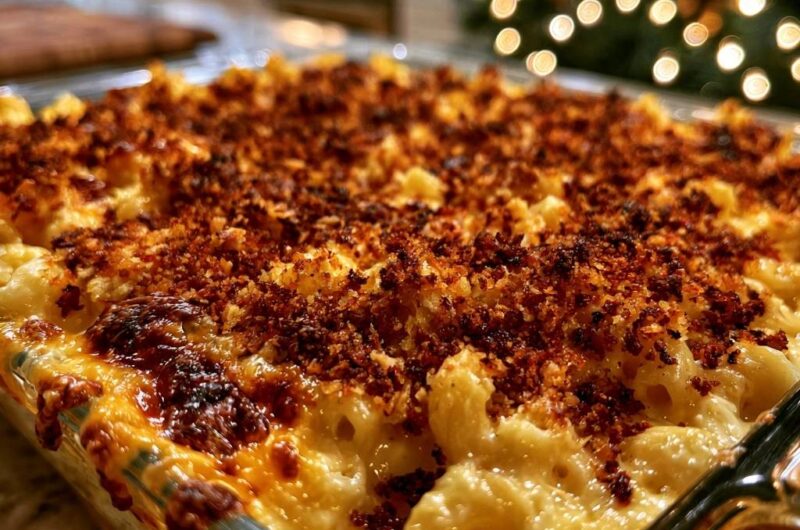
- Bake for 25 to 30 minutes. For the dark, toasted crust shown in the image, move the dish to the top rack for the final 3 minutes of baking or briefly broil until the breadcrumbs are a deep mahogany brown and the sauce is bubbling vigorously at the edges.
- Let it rest for 10 minutes before serving. This allows the sauce to thicken and adhere to the noodles for the perfect creamy bite.
Notes
- Do not use pre-shredded bagged cheese as it contains anti-clumping agents that cause graininess. Ensure milk and cream are at room temperature to prevent lumps in the roux. Undercook the pasta by 3 minutes to allow it to finish cooking in the oven sauce.