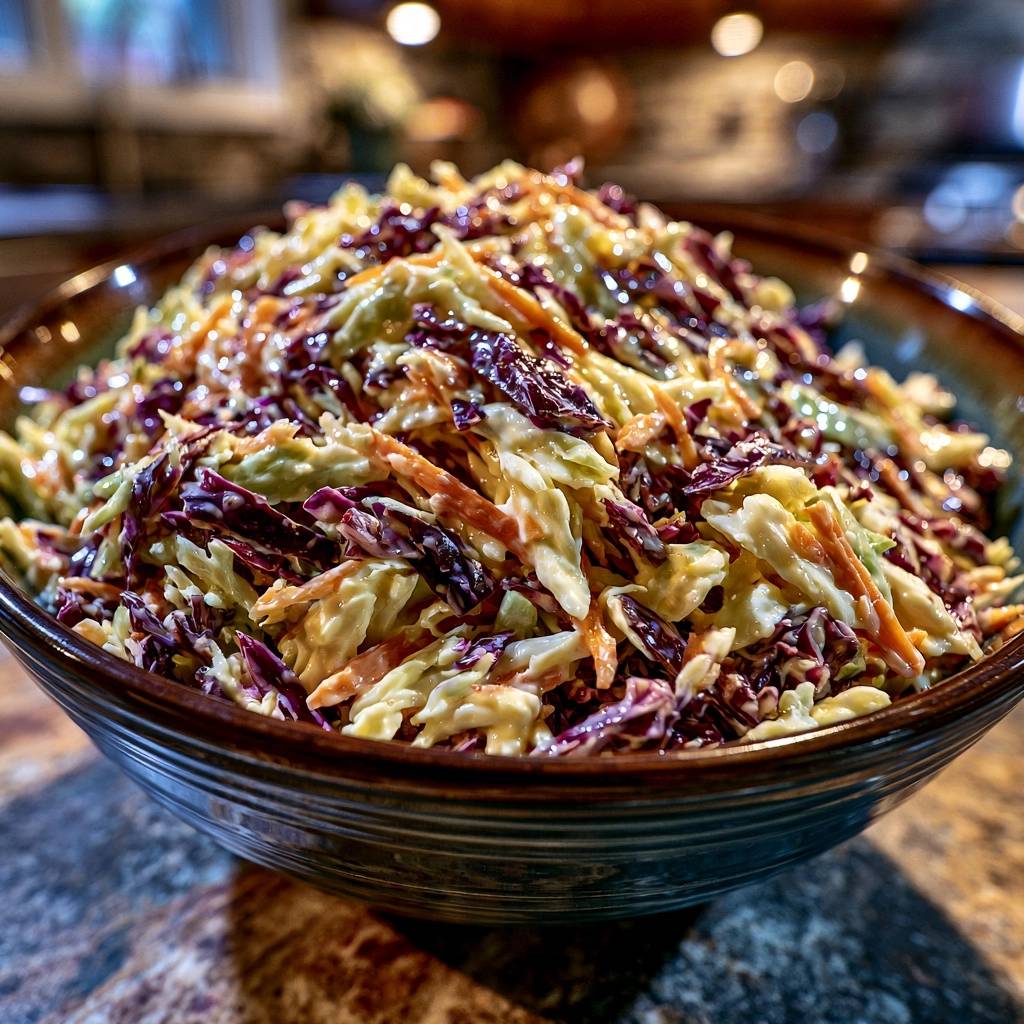
We’ve all been there at the neighborhood cookout. You scoop a generous portion of coleslaw onto your plate, only to watch a sad, gray puddle of vegetable water leak across your burger bun. It’s the “Soggy Bottom” syndrome, and it’s the primary reason people think they hate this classic side dish. Most recipes fail because they treat cabbage like a standard salad green, but this hardy vegetable requires a completely different strategy to stay crunchy.
The goal here is a high-contrast, vibrant, crunch-heavy side dish that maintains its structural integrity for 24 hours or more. You want a dressing that clings like heavy silk rather than sliding off into a watery mess. By mastering a few simple prep steps, you can create a version that actually tastes better the next day. It’s about controlling moisture from the very first slice to ensure every bite offers a satisfying, audible snap.
The secret lies in a specific salt-and-drain technique that most home cooks skip. This isn’t just about seasoning; it’s about changing the cellular structure of the cabbage so it can’t ruin your dressing later. If you’ve ever wondered why deli coleslaw stays creamy while yours turns into soup, this is the professional fix you’ve been looking for. Let’s dive into the science of the perfect crunch.
The Science of Osmosis in Cabbage Preparation
Cabbage is roughly 90% water, and that moisture is locked inside the cellular walls of the plant. When you shred cabbage and immediately toss it with a dressing containing salt and sugar, osmosis begins. The salt draws that internal water out of the cabbage and into your bowl, which thins your beautiful dressing into a watery liquid. This process is inevitable unless you force it to happen before you add your creamy ingredients.
By using the “Wilting Step,” you are essentially pre-shrinking the cabbage. When you toss the raw shreds with kosher salt and let them sit for 45 minutes, the salt breaks down the rigid cell walls of the Brassica oleracea. You’ll actually see the cabbage transform from a stiff, brittle pile into something more pliant and concentrated in flavor. This 45-minute window is the most important part of the entire recipe.
During this drain time, you’ll likely see nearly half a cup of liquid collect in the bowl beneath your colander. That is the “dressing killer” that we are removing from the equation. Once that water is gone, the cabbage becomes like a sponge, ready to hold onto the fats and acids in your dressing without diluting them. It’s a simple chemistry trick that guarantees a thick, glossy finish every single time.
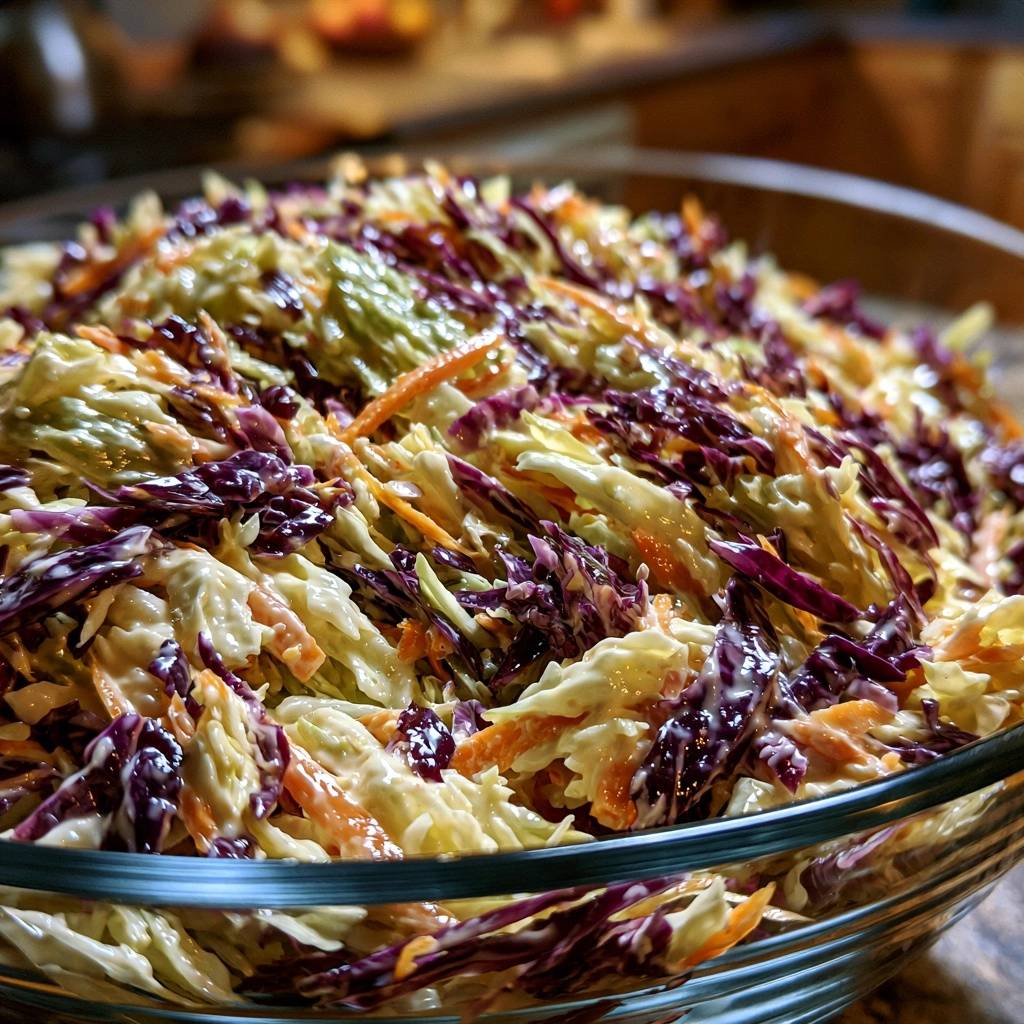
Essential Components for Ultimate Creamy Rainbow Coleslaw
A true “Rainbow” slaw relies on a mix of green and purple cabbage for more than just looks. Green cabbage provides a mild, buttery base, while purple cabbage offers a peppery bite and a massive boost of phytonutrients. Using both ensures a complex flavor profile that doesn’t feel one-note. I always recommend buying whole heads rather than bags, as the freshness directly impacts the final crunch.
Carrots add the necessary sweetness to balance the sulfurous notes of the cabbage. However, skip the fine grater here. Grated carrots turn into mush almost instantly. Instead, aim for “matchstick” cuts or a coarse shred. These thicker pieces provide a structural contrast to the thin cabbage ribbons, ensuring that every forkful has a varied and interesting texture.
Selecting the Right Mayonnaise Base
The mayonnaise is the backbone of your emulsion, so quality is everything. You need a heavy-duty, full-fat commercial mayonnaise like Duke’s or Hellmann’s because they have a higher egg yolk content. This extra fat acts as a stabilizer, preventing the apple cider vinegar from breaking the sauce. Avoid “light” versions or whipped salad dressings, as they lack the viscosity needed to coat the vegetables properly after the wilting process.
The Role of Acid and Aromatics
Apple cider vinegar is the gold standard for coleslaw because it offers a fruity, mellow acidity that white vinegar lacks. It cuts through the richness of the mayo without being harsh. To round out the flavor, celery seed provides an essential earthy, savory note that defines classic American slaw. A touch of smoked paprika is my secret weapon; it adds a tiny hint of woodsy depth that pairs perfectly with anything coming off a grill.
Step-by-Step: Mastering the Salt-and-Drain Technique
Start by tossing your shredded cabbage and carrots with exactly one tablespoon of kosher salt in a large colander. Don’t worry about the amount of salt; most of it will be washed away later. As you toss, you’ll feel the cabbage is very stiff and “pokey.” After about 20 minutes, you’ll notice the volume of the vegetables starts to shrink as they lose their internal water and become more flexible.
By the 45-minute mark, the cabbage should feel pliant, almost like it has been lightly steamed, but it will still have a distinct snap. This is the sweet spot. If you look at the bottom of your bowl, you’ll see the murky liquid that would have otherwise ruined your salad. This physical transformation is the only way to ensure your slaw stays creamy for days instead of hours.
Rinsing and Mechanical Drying Methods
Once the wilting is done, you must rinse the vegetables thoroughly under cold running water. This step is non-negotiable. If you don’t rinse, the final dish will be inedibly salty. Use your hands to agitate the cabbage under the stream to ensure every shred is washed. After rinsing, the cabbage will feel refreshed and cool, but now it’s covered in external water.
Mechanical drying is the next critical hurdle. A salad spinner is the most efficient tool for this, as it uses centrifugal force to wick away every drop. If you don’t have one, spread the cabbage out on a clean, lint-free kitchen towel, roll it up like a sleeping bag, and squeeze vigorously. The drier the cabbage is before it hits the dressing, the better the mayo will adhere to the surface.
Emulsifying the Creamy Dressing
In a small bowl, whisk your mayo, Dijon, vinegar, and honey until the mixture is completely smooth. You are looking for a texture that resembles heavy satin or thick pourable cream. The Dijon mustard acts as a secondary emulsifier here, helping the vinegar and oil stay bonded together. If the dressing looks broken or oily, keep whisking vigorously until it tightens up.
Taste the dressing before adding it to the vegetables. It should be punchy, sweet, and tangy. Remember that the cabbage is now very neutral after being rinsed, so the dressing needs to carry enough flavor to season the entire bowl. Once it’s perfect, pour it over your bone-dry vegetables and toss with tongs until every single strand is glistening and well-coated.
Troubleshooting Common Texture Issues
If your cabbage feels too soft or “mushy” after the salt step, you likely let it sit too long or used too much salt. You can partially fix this by shocking the rinsed cabbage in an ice water bath for five minutes to firm up the fibers. On the flip side, if the dressing tastes too sharp or acidic, whisk in an extra teaspoon of honey or a tablespoon of mayo to mellow out the vinegar’s bite.
Another common issue is a “dry” slaw where the dressing seems to disappear. This usually happens if the cabbage wasn’t dried properly after rinsing; the surface water prevents the dressing from sticking, so it just slides to the bottom. If this happens, give it a vigorous toss right before serving to redistribute the creaminess that has settled at the base of the bowl.
Flavor Variations and Ingredient Swaps
While this recipe is a classic, you can easily adapt it for different flavor profiles. For a deeper, more autumnal sweetness, replace the honey with pure maple syrup. If you want more texture, toasted sunflower seeds or pumpkin seeds added just before serving provide a fantastic nutty crunch. Sliced scallions or chopped chives can also add a fresh, oniony bite that cuts through the creamy base.
For those who like a bit of heat, a teaspoon of hot sauce or a pinch of cayenne pepper in the dressing works wonders. You can also swap the apple cider vinegar for lime juice and add fresh cilantro for a bright, zesty version that pairs beautifully with fish tacos. The salt-and-drain technique remains the same regardless of the flavor profile you choose.
Optimal Pairings for Creamy Rainbow Coleslaw
This specific coleslaw is designed to stand up to heavy, rich main courses. Its high acidity and crunch make it the perfect palate cleanser for smoked brisket, pulled beef, or ribs. The creaminess of the dressing complements the charred, smoky bark of grilled meats, while the vinegar cuts through the fat, making each bite of meat feel lighter.
It also excels as a topping rather than just a side. Try piling a generous heap of this rainbow slaw directly onto a fried chicken sandwich or a grilled burger. The structural integrity of the “anti-soggy” cabbage means it won’t wilt under the heat of the meat, providing a cold, crisp contrast to the hot protein. It’s also a natural partner for heavy stews or chili, providing a bright pop of color and freshness.
Make-Ahead Logistics and Storage Standards
Unlike most salads, this coleslaw actually improves after sitting in the fridge for about 30 minutes to two hours. This allows the flavors in the dressing to penetrate the cabbage shreds. Because we removed the excess water during the wilting step, you can store this in an airtight container for up to three days without it becoming watery. It stays remarkably fresh and vibrant.
To prevent the purple cabbage from “bleeding” and turning the whole bowl pink, make sure you rinse it very well during the drying phase. The acidic dressing actually helps lock in the purple color, but keeping the slaw chilled is the best way to maintain that sharp color separation. If you are making this for a party, you can prep the vegetables and the dressing separately a day in advance and toss them together a few hours before serving.
Expert Tips for High-Volume Preparation
When scaling this recipe for a large crowd, consistency is your best friend. Using a mandoline slicer will give you perfectly uniform cabbage ribbons that look professional and eat better. Just be sure to use the safety guard! If you are chopping by hand, aim for shreds about 1/8th of an inch thick. Thicker chunks won’t wilt as evenly and can feel “clunky” in the mouth.
If you’re making a massive batch, you might need to increase the draining time to 60 minutes to account for the weight of the cabbage pressing down on itself. You can also use a weighted plate on top of the cabbage in the colander to help press out the moisture more efficiently. This ensures that even the cabbage at the bottom of the pile gets properly “wilted” and ready for the dressing.
Frequently Asked Questions
Can I use pre-shredded bagged mix?
You can use bagged mix in a pinch, but the results won’t be quite as spectacular. Bagged cabbage is often dehydrated to extend shelf life, which means the salt-and-drain technique won’t extract as much liquid. This can lead to a tougher texture. If you do use a bag, still perform the wilting step, but reduce the salt time to 20 minutes to avoid making the older cabbage too rubbery.
How do I prevent the purple cabbage from bleeding?
The purple color in cabbage comes from anthocyanins, which are pH-sensitive. To keep the colors distinct, ensure you rinse the salted cabbage very thoroughly until the water runs clear. The acidity in the apple cider vinegar actually helps stabilize the pigments. Keeping the slaw cold also slows down the migration of the dye into the white mayonnaise base.
Is there a dairy-free alternative for the dressing?
Yes, you can easily make this dairy-free by using a high-quality avocado oil-based mayonnaise. These alternatives behave almost exactly like traditional mayo and emulsify beautifully with the Dijon mustard and honey. The flavor is slightly nuttier, which actually complements the cabbage and carrots quite well.
Why is my coleslaw still watery after draining?
If you still see water at the bottom, the culprit is usually the “drying” phase rather than the “draining” phase. If the cabbage isn’t bone-dry after you rinse off the salt, that residual tap water will mix with your dressing. Use a salad spinner or squeeze the cabbage in a kitchen towel until no more moisture comes out. The cabbage should feel damp to the touch but shouldn’t leave a wet mark on a paper towel.
Can I substitute the sugar for a natural sweetener?
Honey is my preferred natural sweetener because its viscosity helps thicken the dressing. However, you can use agave nectar or even a granulated monk fruit sweetener if you are watching your sugar intake. Avoid using maple syrup if you don’t want a slight “pancake” flavor profile, though some people enjoy that depth in a savory salad.

Ultimate Creamy Rainbow Coleslaw
Course: Side DishCuisine: AmericanDifficulty: easy8
servings15
minutes60
Minutes165
kcalAmerican
Ingredients
4 cups shredded green cabbage (thinly sliced)
3 cups shredded purple cabbage (thinly sliced)
2 cups shredded carrots (matchstick cut)
1 tablespoon kosher salt (for wilting)
1 cup high-quality heavy mayonnaise (e.g., Duke’s or Hellmann’s)
2 tablespoons Dijon mustard
2 tablespoons apple cider vinegar
2 tablespoons honey or granulated sugar
1 teaspoon celery seed
1/2 teaspoon freshly ground black pepper
1/4 teaspoon smoked paprika (optional, for depth)
Directions
- The Wilting Step: Place the shredded green cabbage, purple cabbage, and carrots in a large colander set over a bowl or in the sink. Sprinkle the 1 tablespoon of kosher salt over the vegetables and toss thoroughly to coat.
- Drain: Let the mixture sit for 45 to 60 minutes. You will see a significant amount of liquid collect in the bowl below. This is the moisture that would have otherwise watered down your dressing.
- Rinse and Dry: Rinse the vegetables thoroughly under cold running water to remove the excess salt. This is crucial to prevent the final dish from being over-salted. Transfer the vegetables to a salad spinner and spin until very dry, or spread them onto a clean kitchen towel and pat vigorously. The drier the cabbage, the better the dressing will adhere.
- Make the Dressing: In a separate small bowl, whisk together the mayonnaise, Dijon mustard, apple cider vinegar, honey, celery seed, black pepper, and smoked paprika until completely smooth and emulsified.
- Combine: Transfer the dried vegetables to a large serving bowl. Pour the dressing over the top. Use tongs to toss the mixture until every shred is heavily and evenly coated in the thick dressing.
- Chill: Cover and refrigerate for at least 30 minutes before serving. Because the moisture has been removed from the cell walls of the cabbage, the slaw will remain crisp and the dressing will stay thick and creamy without any watery separation, even the next day.
Notes
- The salt and drain technique is essential to prevent a watery dressing. Ensure the cabbage is very dry before adding the dressing for the best results.