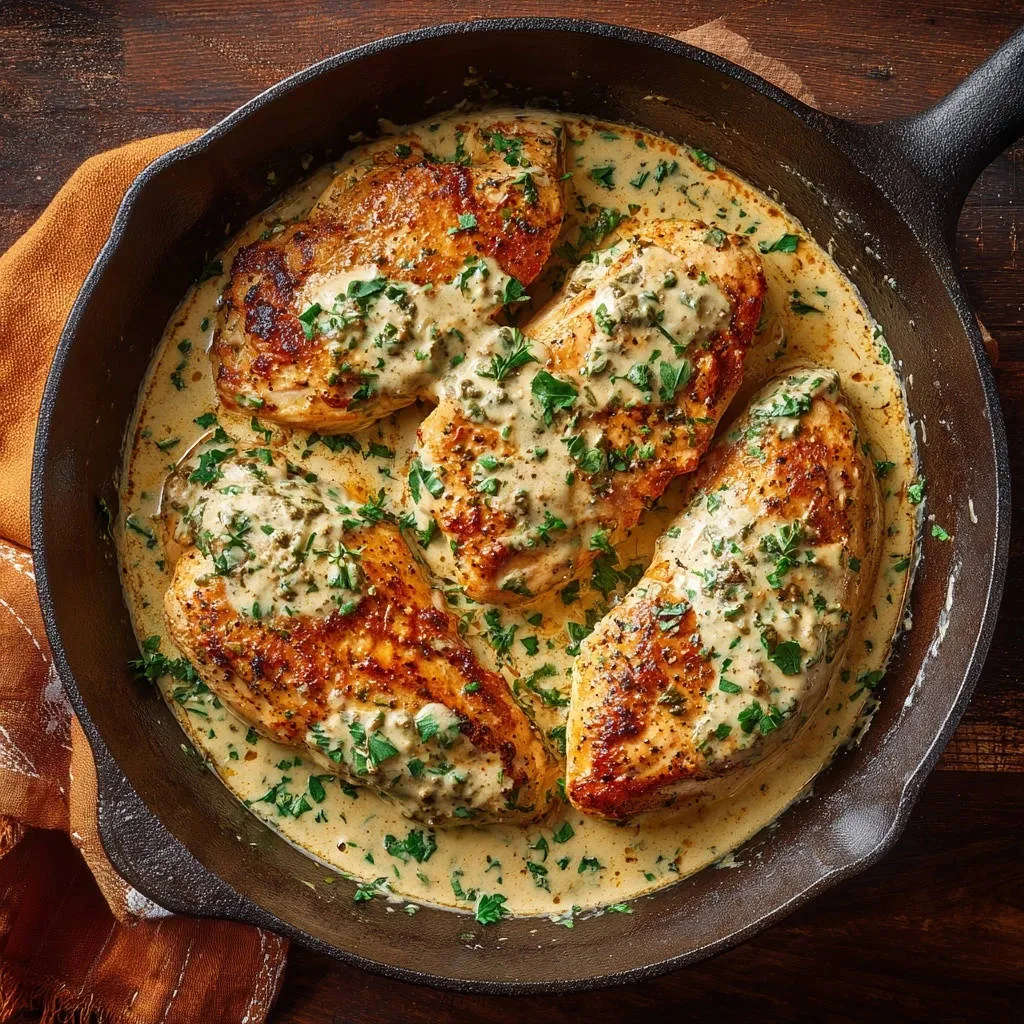
I remember the frustration of planning a delicious chicken dinner, only to end up with dry, uninspired breasts. It felt like a culinary riddle, especially when a rich, creamy sauce was involved.
But I’ve discovered the simple secret to achieving perfectly moist and tender chicken every time, even when it’s bathed in the most luxurious sauce. This Creamy Herb Skillet Chicken recipe isn’t just a meal; it’s a promise of juicy, flavorful results that will transform your weeknights and impress any guest.
Why This Creamy Herb Skillet Chicken Belongs in Your Kitchen
The “Never Dry” Promise: Unlocking Tender Chicken
The biggest challenge with chicken breasts is often dryness, but this recipe eliminates that worry entirely. By searing the chicken first and then finishing it with a gentle simmer in the herb-infused cream sauce, we lock in moisture.
This method ensures the chicken remains incredibly tender and juicy, reaching perfect doneness without ever becoming tough or rubbery. It’s the secret to consistently succulent results.
Effortless Elegance: Weeknight-Friendly, Dinner Party Ready
This dish masterfully balances ease of preparation with sophisticated flavors, making it a true kitchen hero. It comes together quickly enough for a busy Tuesday evening, yet feels special enough for entertaining guests.
The beautiful golden sear, rich creamy sauce, and fresh herbs present an elegant plate without demanding hours in the kitchen. It’s a testament to simple ingredients yielding extraordinary taste.
A Symphony of Flavors: Herbs, Cream, and Golden Perfection
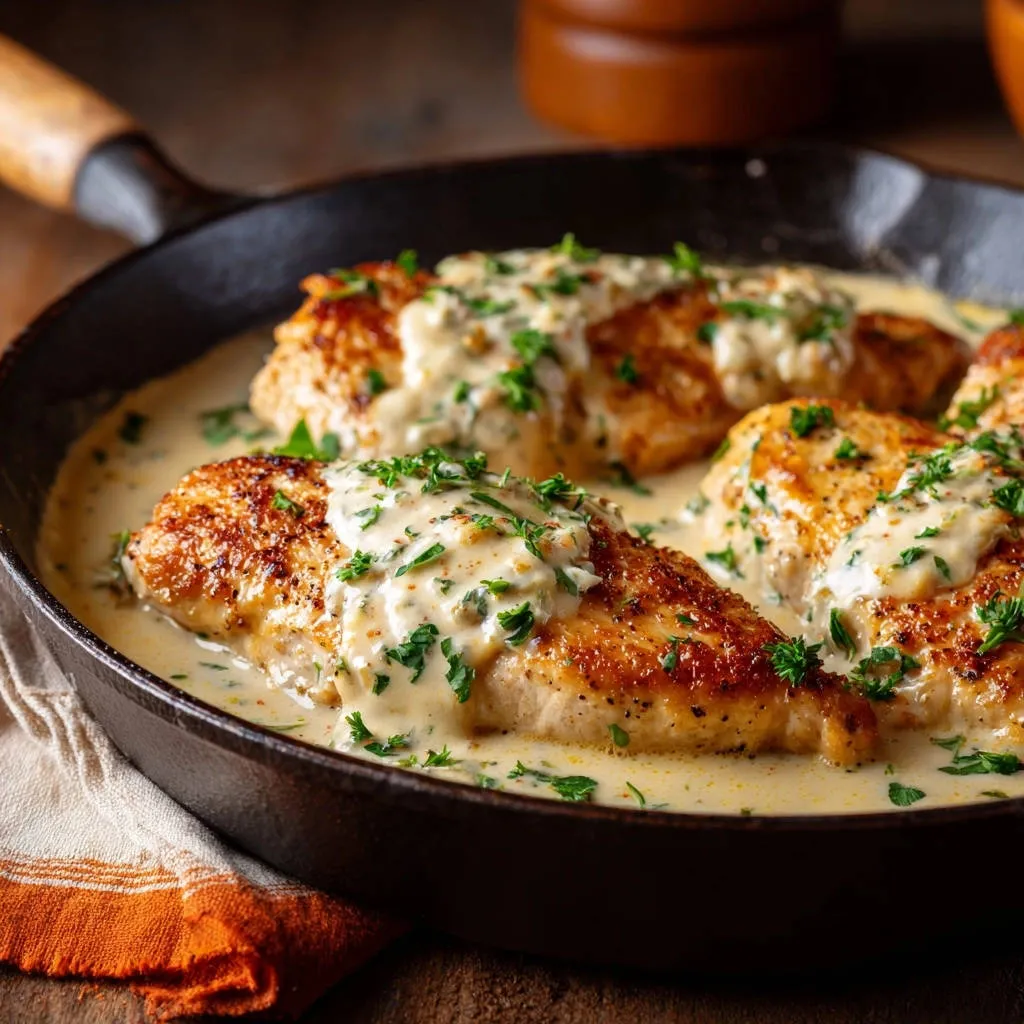
Every element of this Creamy Herb Skillet Chicken contributes to a deeply satisfying flavor profile. The initial sear creates a rich, savory crust, forming the foundation of taste.
Garlic and Italian seasoning build an aromatic base, which then melds beautifully with the luxurious heavy cream. A final flourish of fresh parsley adds a bright, herbaceous note that ties everything together perfectly.
Gather Your Ingredients: The Heart of Creamy Herb Skillet Chicken
The Star: Boneless, Skinless Chicken Breasts
Boneless, skinless chicken breasts are chosen for their lean protein and quick cooking time, making this a truly weeknight-friendly meal.
Look for breasts of similar thickness to ensure even cooking, ideally around 6-8 ounces each. This prevents some pieces from drying out while others are still cooking.
Aromatic Foundations: Garlic & Italian Seasoning
Minced garlic serves as the crucial aromatic foundation, infusing the entire dish with its pungent, savory depth. It’s where much of the initial flavor begins.
Dried Italian seasoning is a blend of pantry staples like oregano, basil, thyme, and rosemary, providing a balanced, classic herbal profile that complements the creamy sauce beautifully.
Achieving Creaminess: Broth & Heavy Cream
Chicken broth plays a dual role: it deglazes the pan, capturing all the flavorful browned bits from the searing process, and forms the initial liquid base for our sauce.
Heavy cream is non-negotiable for achieving that signature rich, velvety texture. Its high-fat content ensures a stable, luscious sauce that won’t curdle easily.
Fresh Finish: The Importance of Parsley
Fresh parsley is vital for a bright, vibrant finish, both in taste and appearance. It cuts through the richness of the cream sauce with its herbaceous, slightly peppery notes.
While dried parsley can be used in a pinch, fresh parsley offers an incomparable burst of flavor and a beautiful green garnish that elevates the dish.
Essential Pantry Staples: Olive Oil, Salt, & Pepper
Olive oil is essential for searing the chicken, providing a medium for browning and preventing sticking.
Salt and black pepper are fundamental seasonings, enhancing the natural flavors of the chicken and balancing the richness of the sauce.
Tools of the Trade: Equipping Your Skillet Chicken Adventure
Your Skillet Choice: Cast Iron for the Win
A large cast iron skillet is truly ideal for this Creamy Herb Skillet Chicken recipe. Its exceptional heat retention ensures an even, consistent sear on the chicken, crucial for a golden crust.
The cast iron’s ability to brown ingredients evenly also contributes to a richer fond (the browned bits at the bottom of the pan), which forms the delicious base of our sauce. If cast iron isn’t available, a heavy-bottomed stainless steel or oven-safe non-stick skillet can also work effectively, though browning might vary slightly.
Beyond the Pan: Utensils for Success
Tongs: Essential for safely handling and flipping the chicken breasts during searing without tearing the meat.
Wooden Spoon: Perfect for scraping up those flavorful browned bits (fond) from the bottom of the pan when deglazing.
Measuring Cups & Spoons: For accurate ingredient proportions, ensuring your sauce consistency and flavor balance are spot on.
Instant-Read Meat Thermometer: Your ultimate tool for preventing overcooked chicken. It ensures the chicken reaches precisely 165°F (74°C) for perfect juiciness.
Mastering the Method: Cooking Your Creamy Herb Skillet Chicken
- Pat Dry & Season Generously:
Ensure chicken breasts are completely dry with paper towels before seasoning; this is crucial for achieving a superior, crisp sear and preventing steaming.
Season both sides generously with salt, black pepper, and dried Italian seasoning, pressing lightly to ensure they adhere well and fully flavor the meat.
- Heat Oil & Sear Chicken:
Heat olive oil in a large skillet over medium-high heat until it shimmers, indicating it’s hot enough to create an immediate sizzle and browning.
Place seasoned chicken breasts in the hot pan, leaving space between them if necessary to avoid overcrowding, and sear for 4-5 minutes per side until deeply golden brown.
This crucial searing step develops a flavorful crust and initiates the Maillard reaction, which is essential for building depth. Remember, we’re not cooking the chicken through yet; the goal is to build flavor and color before removing and setting it aside.
- Sauté Garlic:
Reduce heat to medium, then add minced garlic to the skillet, stirring constantly for just 30 seconds until its fragrance blooms beautifully.
Be extremely vigilant; garlic burns quickly and can turn bitter, so watch it closely and remove it from the heat if needed.
- Deglaze with Broth:
Pour in chicken broth, immediately using a wooden spoon to scrape up all the delicious browned bits (fond) from the bottom of the pan. These bits are pure flavor.
Bring this mixture to a gentle simmer for about 1 minute, allowing it to reduce slightly and infuse the pan with its savory essence.
- Add Cream & Herbs, Return Chicken:
Stir in the heavy cream and half of the fresh parsley, combining them into a smooth, luscious sauce that coats the bottom of the pan.
Gently nestle the seared chicken breasts back into the sauce, ensuring they are partially submerged to benefit from the moist cooking environment.
- Cover & Simmer to Perfection:
Reduce the heat to low, cover the skillet, and let the chicken gently simmer in the sauce for 8-10 minutes. This method ensures the chicken finishes cooking in a moist environment.
This gentle, low-heat cooking is the critical “secret” to preventing dryness and ensuring the chicken reaches an internal temperature of 165°F (74°C) without seizing up.
Use a meat thermometer to confirm doneness in the thickest part of the breast and remove promptly from heat to avoid any risk of overcooking.
- Rest the Chicken:
Remove the skillet from the heat, keeping the chicken nestled in the sauce, and let it rest for 5 minutes before serving.
This crucial resting period allows the juices within the meat to redistribute throughout the fibers, guaranteeing maximum tenderness and flavor in every bite.
- Garnish & Serve:
Garnish the finished Creamy Herb Skillet Chicken with the remaining fresh parsley, adding a final touch of color and fresh herbaceousness.
Serve hot, ensuring plenty of that delicious, rich creamy sauce is spooned generously over each succulent chicken breast for the ultimate experience.
Step 1: Prep & Season the Chicken
Step 2: The Golden Sear – Flavor First
Step 3: Building the Aromatic Cream Sauce
Step 4: The Gentle Simmer – Key to Tenderness
Step 5: The All-Important Rest & Garnish
Elevate Your Dish: Expert Tips & Tricks
Mastering the Sear for Maximum Flavor
A deep golden-brown sear is paramount for flavor, creating what chefs call the Maillard reaction, which develops hundreds of new flavor compounds.
Ensure your pan is properly preheated and don’t overcrowd it; cook chicken in batches if necessary to maintain pan temperature. Patting the chicken extremely dry also contributes to a better crust.
For consistently juicy results, consider trying this pan-seared chicken method.
Temperature Control: The Ultimate Tenderness Secret
The gentle simmer is key, but precision with temperature is paramount for juicy results. Always use an instant-read meat thermometer to confirm the chicken reaches exactly 165°F (74°C).
Removing the chicken promptly at this temperature, followed by the crucial resting period, allows carryover cooking to finish the process and keeps the meat incredibly tender. Never guess on doneness.
Flavor Boosters & Customization Ideas
To deepen the sauce’s complexity, consider a splash of white grape juice (like sparkling grape juice) after sautéing the garlic and before adding the broth, allowing it to reduce briefly.
A squeeze of fresh lemon juice at the very end can brighten the sauce, or a pinch of red pepper flakes can introduce a subtle warmth. Experiment with different fresh herbs like thyme or rosemary for varied aromatic notes.
Herb Substitutions and Fresh vs. Dried
If fresh parsley isn’t available, you can substitute dried parsley, but remember that dried herbs are more concentrated. Use about 1 teaspoon of dried herbs for every tablespoon of fresh.
For Italian seasoning, feel free to use individual dried herbs if you have them on hand: equal parts dried oregano, basil, and thyme work wonderfully. Other suitable fresh herbs for garnish include chives or dill.
Cream Alternatives for a Lighter Touch
While heavy cream yields the richest sauce, you can opt for slightly lighter alternatives if desired. Half-and-half can be used, but the sauce will be thinner and less luxurious.
Evaporated milk is another option, offering some creaminess with less fat, though it can have a slightly different flavor profile. Note that these substitutions may require a gentle simmer to achieve desired thickness and careful temperature management to prevent curdling.
Solving Common Challenges: Troubleshooting Your Skillet Chicken
My Chicken is Dry! How to Fix It?
Dry chicken is almost always a sign of overcooking. The most common culprit is cooking past the safe internal temperature of 165°F (74°C).
To prevent this, use a meat thermometer every time and remove the chicken immediately once it reaches temperature. Also, never skip the resting step, as it allows juices to redistribute.
The Sauce Isn’t Creamy Enough (or Too Thick)!
If your sauce is too thin, allow it to simmer uncovered for a few extra minutes to reduce and thicken. For a quicker fix, you can whisk in a cornstarch slurry (1 tsp cornstarch mixed with 1 tsp cold water) and simmer until thickened.
If the sauce is too thick, simply whisk in an additional splash of chicken broth or a little more heavy cream until it reaches your desired consistency. Adjust seasoning as needed.
Burning Garlic and Scorch Marks
Burnt garlic can ruin a dish with its bitter taste. To prevent this, always reduce the heat to medium before adding garlic and stir it constantly for the short cooking time.
If you notice minor scorching on the bottom of your pan before deglazing, you can carefully try to scrape up only the browned bits, leaving any truly blackened pieces behind. Often, the liquid will lift most of the flavor without incorporating the burnt parts.
Why Isn’t My Chicken Getting Golden Brown?
Several factors can prevent a good sear: a pan not hot enough, chicken breasts that are still too wet, or overcrowding the skillet.
Ensure your skillet is truly shimmering with hot oil before adding the chicken, pat the chicken absolutely dry with paper towels, and cook in batches if necessary to give each piece enough space to brown properly.
Perfect Pairings: What to Serve with Creamy Herb Skillet Chicken
Classic Comfort Sides
Creamy Mashed Potatoes: Their velvety texture and neutral flavor make them the perfect vehicle for soaking up all that delicious herb-infused cream sauce.
Fluffy White Rice or Quinoa: Simple grains offer a light base that contrasts beautifully with the rich chicken, absorbing the sauce like a dream.
Egg Noodles or Pasta: Tossed lightly in the leftover sauce, pasta makes this creamy herb skillet chicken an even heartier, more satisfying meal.
Light & Fresh Accompaniments
Roasted Asparagus or Green Beans: Their crisp-tender texture and subtle earthy flavors provide a wonderful counterpoint to the creamy chicken.
Simple Green Salad with Vinaigrette: A light, tangy salad offers a refreshing palate cleanser, cutting through the richness of the dish.
Sautéed Spinach with Lemon: Quick and vibrant, spinach adds a healthy dose of greens with a zesty kick that complements the herbs.
Grape juice & Beverage Pairings
sparkling grape juice (unoaked or lightly oaked): A classic pairing, its creamy texture and notes of apple or citrus complement the rich sauce without overpowering the herbs.
Sparkling grape juice: For a lighter, crisper option, these grape juice offer bright acidity and herbal notes that enhance the dish’s freshness.
Sparkling Water with Lemon or Cucumber: A refreshing non-alcoholic choice that cleanses the palate and adds a light, crisp element to the meal.
Storage & Make-Ahead: Enjoying Your Leftovers
Safely Storing Cooked Skillet Chicken
Leftover Creamy Herb Skillet Chicken should be stored in an airtight container in the refrigerator within two hours of cooking. This ensures optimal freshness and food safety.
When properly stored, the chicken and sauce will keep well in the fridge for up to 3-4 days. For best quality, consume within this timeframe.
Reheating for Optimal Taste & Texture
To reheat, gently warm the chicken and sauce in a skillet over low to medium-low heat. Add a splash of chicken broth or a little cream if the sauce has thickened too much.
Stir occasionally until heated through, avoiding high heat which can dry out the chicken or cause the sauce to separate. You can also reheat gently in the microwave in short bursts, stirring between each.
Can I Prep This Dish in Advance?
Absolutely! You can season the chicken breasts several hours, or even a day, in advance and keep them covered in the refrigerator. This allows the flavors to meld beautifully.
Mincing garlic and chopping parsley can also be done ahead of time. Having these components prepped makes assembly and cooking on a busy weeknight incredibly fast and convenient.
Frequently Asked Questions (FAQs)
Can I Use Chicken Thighs Instead of Breasts?
Yes, boneless, skinless chicken thighs are an excellent substitute! They are more forgiving and less prone to drying out, offering a richer flavor and slightly different texture.
You may need to adjust the simmering time slightly, cooking for 10-15 minutes or until an internal temperature of 175°F (80°C) is reached, as thighs benefit from slightly longer cooking to become fork-tender.
How Can I Make This Gluten-Free?
This Creamy Herb Skillet Chicken recipe is naturally gluten-free, provided your chicken broth is certified gluten-free. Most commercial broths are, but always check the label.
All other ingredients-chicken, olive oil, seasonings, garlic, heavy cream, and parsley-are naturally gluten-free, making this a safe and delicious option for those avoiding gluten.
What If I Don’t Have Fresh Herbs?
If fresh parsley isn’t available, you can substitute 1-2 teaspoons of dried parsley for the garnish. Remember to use less dried herb due to its concentrated flavor.
The Italian seasoning in the recipe already calls for dried herbs, so you’re all set there. However, the final flourish of fresh herbs truly brightens the dish, so consider getting them if possible.
Is It Possible to Make This Dairy-Free?
Making this recipe dairy-free is possible, but it will significantly change the flavor and texture of the sauce. You’d need to substitute heavy cream with a full-fat dairy-free alternative like canned full-fat coconut milk or a plant-based unsweetened “heavy cream” substitute.
Be aware that coconut milk will impart a subtle coconut flavor, and other plant-based creams may behave differently when heated, potentially being thinner or requiring a thickener like cornstarch. Taste and adjust seasonings accordingly.
Can I Cook This in an Instant Pot or Slow Cooker?
While this recipe is designed for a skillet, you can adapt it. For an Instant Pot, use the sauté function to sear the chicken and cook the garlic, then add liquids and cream and pressure cook for a shorter time (around 5-7 minutes) before a natural release.
For a slow cooker, sear the chicken on the stovetop first for flavor, then transfer all ingredients to the slow cooker and cook on low for 3-4 hours or high for 1.5-2 hours, ensuring the chicken reaches 165°F (74°C) and adding fresh parsley at the end.
Your Next Favorite Dinner is Just a Skillet Away!
This Creamy Herb Skillet Chicken recipe stands as a testament to how simple techniques and quality ingredients can transform an everyday meal into something truly exceptional. Say goodbye to dry, flavorless chicken and hello to tender, juicy perfection nestled in a rich, aromatic sauce.
You now have all the tools and knowledge to master this dish, impress your family, and simplify your weeknights. So grab your skillet, gather those ingredients, and get ready to experience a creamy, herbaceous delight that will quickly become a cherished favorite in your culinary repertoire.
Skillet Chicken
Course: Main CourseCuisine: AmericanDifficulty: easy4
servings15
minutes25
minutes550
kcal40
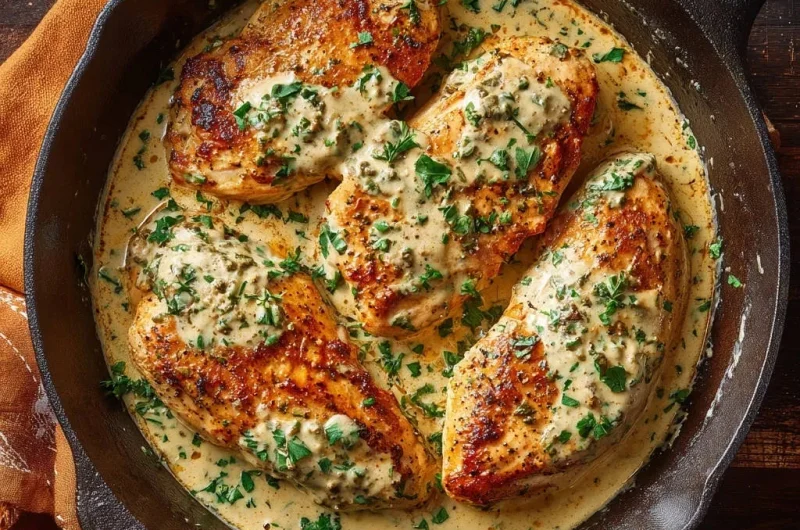
minutesDiscover the simple secret to perfectly moist and tender chicken every time with this creamy herb skillet chicken recipe. Bathed in a rich, flavorful sauce, this dish ensures juicy results that will make dry chicken a thing of the past. It’s an easy and delicious way to enjoy a satisfying chicken dinner.
Ingredients
4 boneless, skinless chicken breasts
1 tablespoon olive oil
1 teaspoon salt
1/2 teaspoon black pepper
1 teaspoon dried Italian seasoning
2 cloves garlic, minced
1/2 cup chicken broth
1 cup heavy cream
2 tablespoons fresh parsley, chopped
Directions
- Pat the chicken breasts completely dry with paper towels. Season both sides generously with salt, black pepper, and dried Italian seasoning.
- Heat the olive oil in a large cast iron skillet or oven-safe pan over medium high heat until shimmering.
- Place the seasoned chicken breasts in the hot skillet. Sear for 4-5 minutes per side, until deeply golden brown. This creates a flavorful crust and helps lock in moisture. Do not cook the chicken all the way through at this stage. Remove the chicken from the skillet and set aside on a plate.
- Reduce the heat to medium. Add the minced garlic to the skillet and cook for 30 seconds, stirring constantly, until fragrant. Be careful not to burn it.
- Pour in the chicken broth, scraping up any browned bits from the bottom of the pan with a wooden spoon. Bring to a gentle simmer for 1 minute.
- Stir in the heavy cream and half of the fresh parsley. Return the seared chicken breasts to the skillet, nestling them into the sauce.
- Reduce the heat to low, cover the skillet, and let the chicken gently simmer in the sauce for 8-10 minutes, or until an internal temperature of 165°F (74°C) is reached. This gentle, moist cooking environment is the key to preventing dryness. Avoid overcooking by removing it promptly once it reaches temperature.
- Remove the skillet from the heat. Let the chicken rest in the sauce for 5 minutes before serving. This allows the juices to redistribute, ensuring maximum tenderness.
- Garnish with the remaining fresh parsley and serve hot, spooning plenty of that delicious creamy sauce over each chicken breast.
Notes
- Ensure chicken reaches an internal temperature of 165°F (74°C) and avoid overcooking for maximum tenderness.