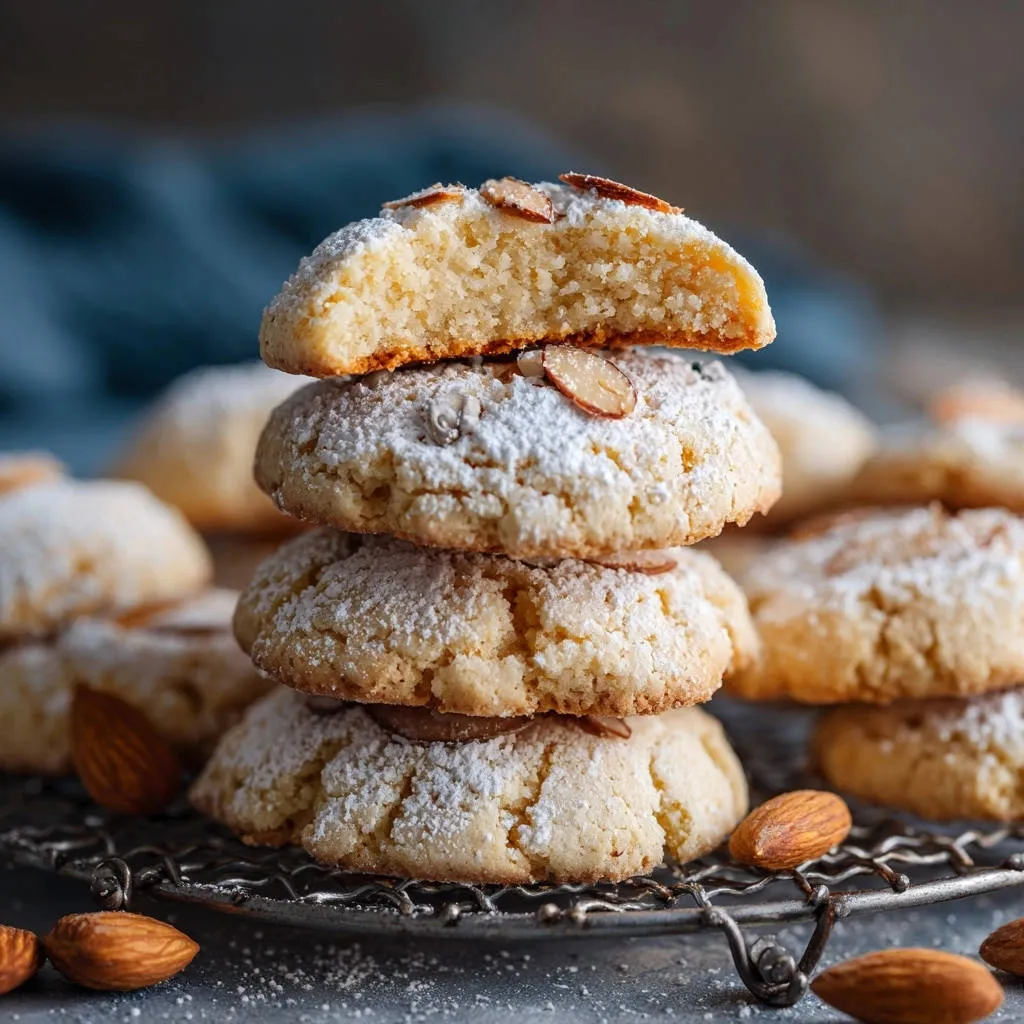
There’s nothing quite like the comforting aroma of freshly baked cookies filling your home. My journey to the ultimate batch of Classic Almond Cookies, ones that are tender, light, and perfectly fluffy, was born out of countless disappointing attempts at dry, crumbly batches.
But I’ve finally cracked the code, transforming a simple cookie into a truly unforgettable treat. This recipe is your key to achieving that coveted melt-in-your-mouth texture every single time, making it a staple for any cookie lover.
The Secret to Unforgettably Fluffy Almond Cookies
Why Our Recipe Stands Out
This recipe for Classic Almond Cookies isn’t just another cookie recipe; it’s a meticulously crafted guide to a consistently superior result. We focus on precise techniques that guarantee a tender, light, and airy texture, far removed from the dense, hard cookies you might have encountered.
Its simplicity makes it approachable for bakers of all skill levels, yet the outcome rivals that of a professional bakery.
If you enjoy a delicate crumb, you might also like these no-spread glazed raspberry thumbprint cookies.
More Than Just a Cookie: A Texture Revelation
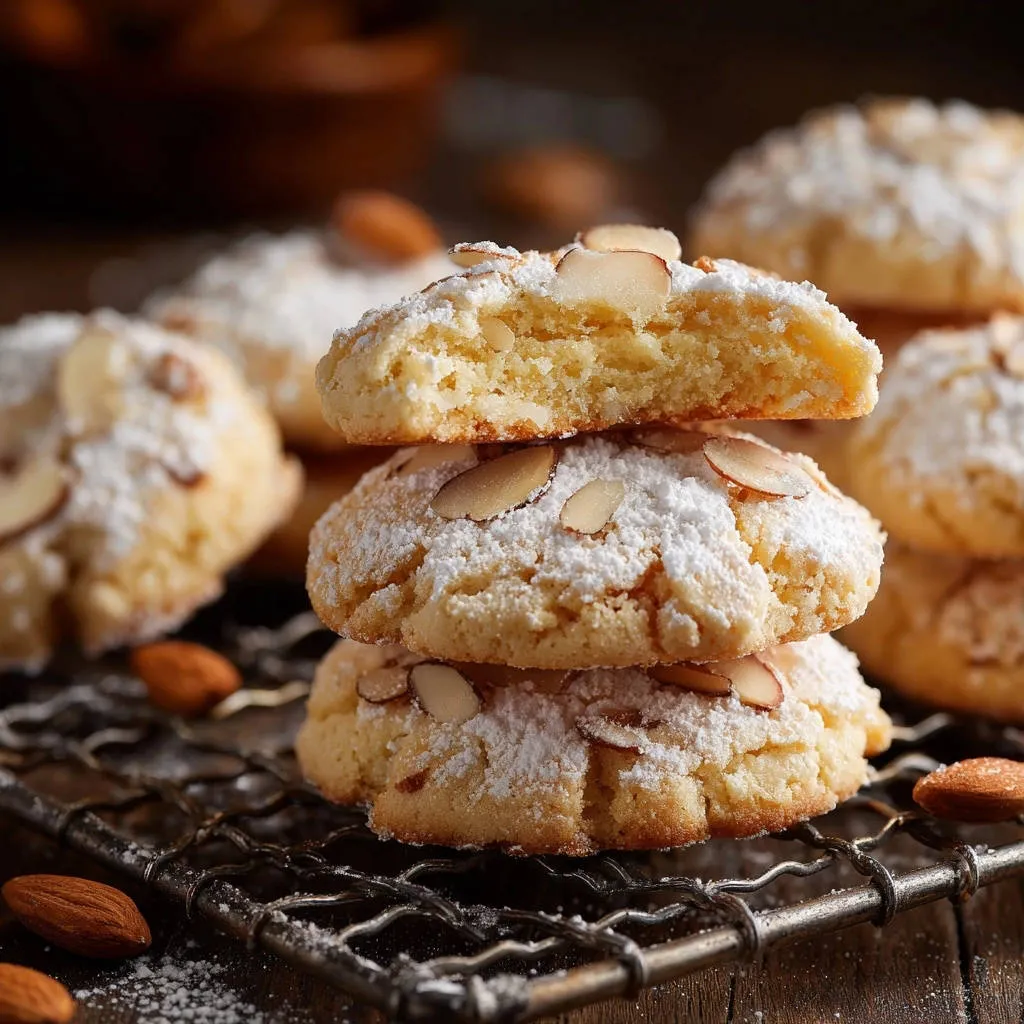
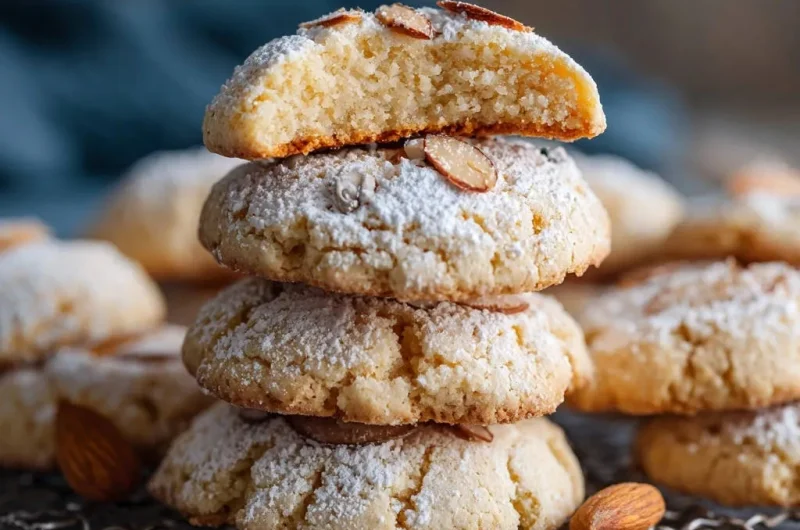
The true magic of these cookies lies in their texture. They boast a delicate crispness on the outside, giving way to an incredibly soft, almost cake-like interior.
Each bite delivers a subtle almond essence that lingers pleasantly, creating a truly luxurious experience that you’ll want to recreate again and again.
Essential Ingredients for Your Almond Cookie Masterpiece
Almonds & Flour: The Heart of the Cookie
All-Purpose Flour: This provides the primary structure for our cookies. Ensure it’s fresh for optimal performance.
Almond Flour: The secret to their incredible tenderness and nutty depth. It contributes to that unique melt-in-your-mouth quality, making these cookies distinctly almondy.
Sliced Almonds (Optional): Perfect for a beautiful, crunchy garnish. These add visual appeal and an extra layer of almond texture.
Sweeteners & Dairy: The Foundation
Unsalted Butter, Softened: Using unsalted butter allows you to control the salt content in the recipe. Softened butter is absolutely crucial for proper creaming, which is key to a light texture.
Granulated Sugar: Besides sweetness, granulated sugar works with the butter to create air pockets during creaming, contributing to the cookies’ fluffiness.
Powdered Sugar: This is for dusting the finished cookies, adding a touch of elegance and a delicate sweetness to the exterior.
Leavening & Flavor: The Finishing Touches
Large Eggs: Eggs bind the ingredients, add moisture, and contribute to the cookie’s structure and richness. Ensure they are at room temperature for better emulsion.
Almond Extract: This intensifies the almond flavor, ensuring every bite is rich with that signature nutty essence. A good quality extract makes a significant difference.
Baking Powder: Our primary leavening agent, ensuring the cookies rise beautifully and achieve that desired airy lightness.
Salt: A pinch of salt balances the sweetness and enhances all the flavors in the cookie, making them taste more vibrant and complex.
Your Baking Toolkit: Essential Equipment for Success
Mixers & Bowls: Your Best Allies
An electric mixer, whether a stand mixer with a paddle attachment or a good quality handheld mixer, is indispensable. It ensures thorough creaming of butter and sugar, which is critical for the cookie’s texture.
You’ll also need a large mixing bowl for the wet ingredients and a separate medium bowl for whisking the dry ingredients. This allows for proper distribution of leavening and salt before combining.
The Importance of Quality Baking Sheets
Having at least two sturdy baking sheets is ideal for efficiency, allowing you to prep one batch while another bakes. Investing in good quality, light-colored baking sheets helps prevent over-browning on the bottom of the cookies.
Parchment paper is your best friend here. It prevents sticking, ensures even baking, and makes cleanup incredibly easy. Do not substitute with aluminum foil or grease alone.
Crafting Perfection: A Step-by-Step Guide to Baking Almond Cookies
Prepping for Success: Oven & Pans
Preheat your oven to 350°F (175°C) to ensure a consistent baking temperature from the moment your cookies go in. Line two baking sheets with parchment paper.
This simple step prevents sticking and ensures your cookies lift off cleanly, maintaining their perfect shape.
The Golden Rule: Creaming Butter & Sugar for Airiness
In a large bowl, combine the softened unsalted butter and granulated sugar. Using an electric mixer, cream them together on medium-high speed for 3 to 5 minutes.
This duration is crucial; continue mixing until the mixture becomes very light in color and notably fluffy. This process incorporates essential air, which is the foundation for a tender, airy cookie, truly a game-changer for your Classic Almond Cookies.
Building the Dough: Wet Meets Dry
Beat in the eggs one at a time, mixing well after each addition until fully combined. The mixture should remain smooth and cohesive. Then, stir in the almond extract for that signature flavor.
In a separate medium bowl, whisk together the all-purpose flour, almond flour, baking powder, and salt. This ensures all dry ingredients are evenly distributed, preventing pockets of unmixed leavening.
Gradually add the dry ingredients to the wet ingredients, mixing on low speed just until combined. Be careful not to overmix the dough, as overworking the gluten can lead to tough cookies.
Shaping & Garnishing Your Dough
Scoop rounded tablespoons of dough and roll them into smooth, uniform balls. Aim for consistent size to ensure even baking. Place them about 2 inches apart on the prepared baking sheets to allow for spread.
If desired, gently press a few sliced almonds onto the top of each cookie before baking. This adds a lovely visual element and a delightful textural contrast.
Baking to Just-Right Golden Edges
Bake for 10 to 12 minutes. Watch for the edges to be lightly golden and the centers to appear just set.
The key to fluffy cookies is not to overbake them; they will continue to set and firm up as they cool on the hot baking sheet. Removing them slightly underdone is often the secret.
Cooling Properly for Optimal Texture
Let the cookies cool on the baking sheets for 5 minutes after removing them from the oven. This allows them to firm up without breaking.
Then, carefully transfer them to a wire rack to cool completely. Cooling on a rack ensures air circulation, preventing soggy bottoms and promoting that perfect crisp-tender balance.
The Final Flourish: Powdered Sugar Dusting
Once your cookies are completely cool, use a fine-mesh sieve to dust generously with powdered sugar before serving. This adds a beautiful, professional finish and a delicate touch of sweetness.
Dusting while warm would cause the sugar to melt and absorb, so patience is key for this final step.
Unlock Pro-Level Results: Expert Tips for Classic Almond Cookies
Temperature Matters: Softened Butter is Key
Your butter should be genuinely softened, but not melted. It should give slightly when pressed, like cool playdough.
Butter that is too cold won’t cream properly, while melted butter will lead to greasy, flat cookies. Aim for room temperature perfection.
Resist the Urge to Overmix!
After adding the dry ingredients, mix only until no streaks of flour remain. Overmixing develops the gluten in the flour, resulting in tough, dense cookies instead of light, tender ones.
A few seconds too long can dramatically change the texture.
Knowing When They’re Done (and When They’re Not!)
Look for light golden edges and centers that no longer appear wet or shiny. The cookies might still seem a bit soft in the middle when you remove them.
This is exactly what you want, as residual heat from the baking sheet will continue to cook them to perfection as they cool.
The Magic of Powdered Sugar Dusting
Beyond aesthetics, a generous dusting of powdered sugar adds a delicate sweetness and a soft, powdery texture that enhances the overall experience of these cookies. It’s the perfect finish to these delightful treats.
Solving Common Baking Woes: Troubleshooting Your Almond Cookies
My Cookies Are Spreading Too Much!
This often happens if your butter was too warm, leading to a dough that’s too soft. Ensure your butter is softened, not melted, and consider chilling the scooped dough balls for 15-20 minutes before baking.
Incorrect flour measurement (too little flour) or an oven that’s not hot enough can also contribute to excessive spreading. Always measure flour accurately, preferably by weight.
Why Are My Cookies Dry or Dense?
The most common culprits are overbaking or overmixing the dough. Overbaking removes too much moisture, while overmixing develops gluten, making the cookies tough.
Ensure you’re creaming the butter and sugar thoroughly as instructed, as this step incorporates air vital for tenderness.
Uneven Baking: What to Look For
Uneven baking can be due to oven hotspots. To counteract this, rotate your baking sheets halfway through the baking time.
Using two sheets at once might also impact airflow; consider baking one sheet at a time if consistency is a major issue in your oven.
Beyond the Basic: Creative Twists & Serving Ideas
Flavor Variations to Experiment With
Elevate your Classic Almond Cookies with simple additions. A teaspoon of orange or lemon zest mixed into the dough adds a bright, citrusy note that complements the almond beautifully.
For a chocolatey twist, fold in a quarter cup of mini chocolate chips during the final mixing stage. You could also explore different extracts, like vanilla bean paste for a more complex sweetness, or a touch of coconut extract for a tropical hint, similar to how adding unique flavors can transform a simple dessert like amazing soft pistachio white chocolate cookies.
Smart Serving Suggestions for Any Occasion
These almond cookies are wonderfully versatile. They are perfect alongside a warm cup of coffee or your favorite herbal tea, making for a delightful afternoon treat.
For a different kind of sweet treat, explore these red velvet cream cheese sandwich cookies.
For a more decadent dessert, serve them with a scoop of vanilla bean ice cream or a drizzle of warm chocolate sauce. They also make an elegant addition to any dessert platter or cookie exchange.
Pairing Ideas
Enjoy these almond cookies with other baked goods and savory comfort foods.
- For a savory contrast to your sweet almond cookies, consider these Ham and Cheddar Biscuits, featuring a similar comforting baked element.
- If you’re leaning towards hearty breakfast or brunch options, these Fluffy Biscuits and Sausage Gravy offer a satisfying complement to the delicate sweetness of the cookies.
Maximizing Freshness: Storage & Make-Ahead Tips
Keeping Baked Cookies Fresh
Once completely cooled, store your baked Classic Almond Cookies in an airtight container at room temperature. They will retain their delightful tender texture for up to 5-7 days.
For optimal freshness, you can place a slice of bread in the container; it helps keep the cookies soft by transferring its moisture.
Freezing Dough & Baked Cookies
You can easily prepare the dough ahead of time! Form the dough into balls, then freeze them solid on a parchment-lined baking sheet. Once frozen, transfer them to a freezer-safe bag or container for up to 3 months.
Bake directly from frozen, adding a minute or two to the baking time. Baked cookies can also be frozen for up to 3 months; thaw at room temperature before serving for a quick indulgence, much like you might store classic shortbread fingers.
Your Top Questions Answered: Classic Almond Cookies FAQ
What Kind of Almond Flour Should I Use?
For these cookies, we recommend using blanched almond flour. It’s made from almonds that have had their skins removed, resulting in a finer texture and lighter color that’s ideal for delicate baked goods.
Unblanched almond flour can be used, but it will result in a slightly coarser texture and a darker cookie.
Is Almond Extract Essential?
While the recipe is for “Almond Cookies,” you can certainly adjust the flavor profile. If you’re not a fan of almond extract, you can substitute it with an equal amount of vanilla extract.
Keep in mind that this will change the prominent flavor, resulting in a vanilla-forward cookie rather than a true almond one.
How Long Do These Cookies Last?
When stored properly in an airtight container at room temperature, these cookies will maintain their freshness and tender texture for up to 5 to 7 days. For longer storage, refer to our freezing tips.
Can I Make Them Dairy-Free?
Yes, you can adapt this recipe to be dairy-free. Substitute the unsalted butter with a high-quality plant-based butter alternative, ensuring it’s specifically designed for baking.
Results may vary slightly in texture depending on the brand of dairy-free butter used.
Ready to Bake? Share Your Classic Almond Cookies Journey!
Now that you have all the insider tips and a foolproof recipe, it’s time to create your own batch of perfect Classic Almond Cookies. Experience the joy of biting into a cookie that’s truly tender, light, and fluffy, a testament to thoughtful baking.
Don’t forget to share your baking successes with us! Tag us in your photos and let us know how these delightful treats brought joy to your kitchen and your taste buds. Happy baking!
Almond Cookies
Course: DessertCuisine: AmericanDifficulty: easy24
cookies20
minutes12
minutes60
kcal45
minutesTired of dry, dense cookies? This recipe reveals the simple tweak to bake Classic Almond Cookies that are consistently tender, light, and perfectly fluffy. Enjoy a delightful treat every time!
Ingredients
1 cup unsalted butter, softened
1 cup granulated sugar
2 large eggs
1 teaspoon almond extract
2 cups all-purpose flour
1 cup almond flour
1 teaspoon baking powder
1/2 teaspoon salt
1/2 cup sliced almonds, for garnish (optional)
1/2 cup powdered sugar, for dusting
Directions
- Preheat your oven to 350F (175C). Line two baking sheets with parchment paper.
- In a large bowl, using an electric mixer, cream together the softened butter and granulated sugar on medium-high speed for 3 to 5 minutes, or until the mixture is very light in color and notably fluffy. This step is crucial for incorporating air and achieving that tender, airy texture.
- Beat in the eggs one at a time, mixing well after each addition until fully combined. Stir in the almond extract.
- In a separate medium bowl, whisk together the all-purpose flour, almond flour, baking powder, and salt.
- Gradually add the dry ingredients to the wet ingredients, mixing on low speed just until combined. Be careful not to overmix the dough, as overworking it can lead to tough cookies.
- Scoop rounded tablespoons of dough and roll them into smooth balls. Place them about 2 inches apart on the prepared baking sheets. If desired, gently press a few sliced almonds onto the top of each cookie.
- Bake for 10 to 12 minutes, or until the edges are lightly golden and the centers are just set. The key to fluffy cookies is not to overbake them. They will continue to set as they cool.
- Let the cookies cool on the baking sheets for 5 minutes before transferring them to a wire rack to cool completely.
- Once completely cool, dust generously with powdered sugar before serving.
Notes
- Key to fluffy cookies: do not overbake. Avoid overmixing dough.