There is a specific kind of magic in a tray of Italian-American comfort food, but nothing ruins a family dinner faster than a mushy, watery pasta bake. We have all been there: you pull a beautiful-looking dish out of the oven, only to find the noodles have turned into a gummy mess swimming in a pool of thin liquid. It is a heartbreaking end to an hour of hard work in the kitchen.
The goal of this guide is to help you achieve a structural masterpiece with distinct, sauce-coated layers and a deeply caramelized cheese crust. By mastering a few professional techniques, you can ensure your pasta stays firm and your sauce remains thick and rich. We are moving away from the standard “dump and bake” methods that lead to soggy results.
The secret lies in a high-heat 400°F baking technique and a mandatory 15-minute rest period after the timer dings. These steps allow the proteins to set and the flavors to meld, giving you those perfect, clean slices you see in professional kitchens. Let’s dive into how you can transform these simple ingredients into a centerpiece-worthy meal.
The Structural Anatomy of a Perfect Pasta Bake
A successful casserole is actually a lesson in physics and moisture management. When you combine pasta, sauce, and cheese in a hot oven, moisture naturally migrates from the sauce into the noodles. If your sauce is too thin or your pasta is already fully cooked, the dish loses its structural integrity and collapses into a heap on the plate.
This Cheesy Baked Ziti with Meat Sauce relies on a concentrated, heavy sauce that acts as a mortar between the pasta tubes. By reducing the sauce on the stovetop before it ever hits the baking dish, you eliminate the excess water that usually creates a “watery ring” at the bottom of the pan. This ensures every bite is cohesive and flavorful.
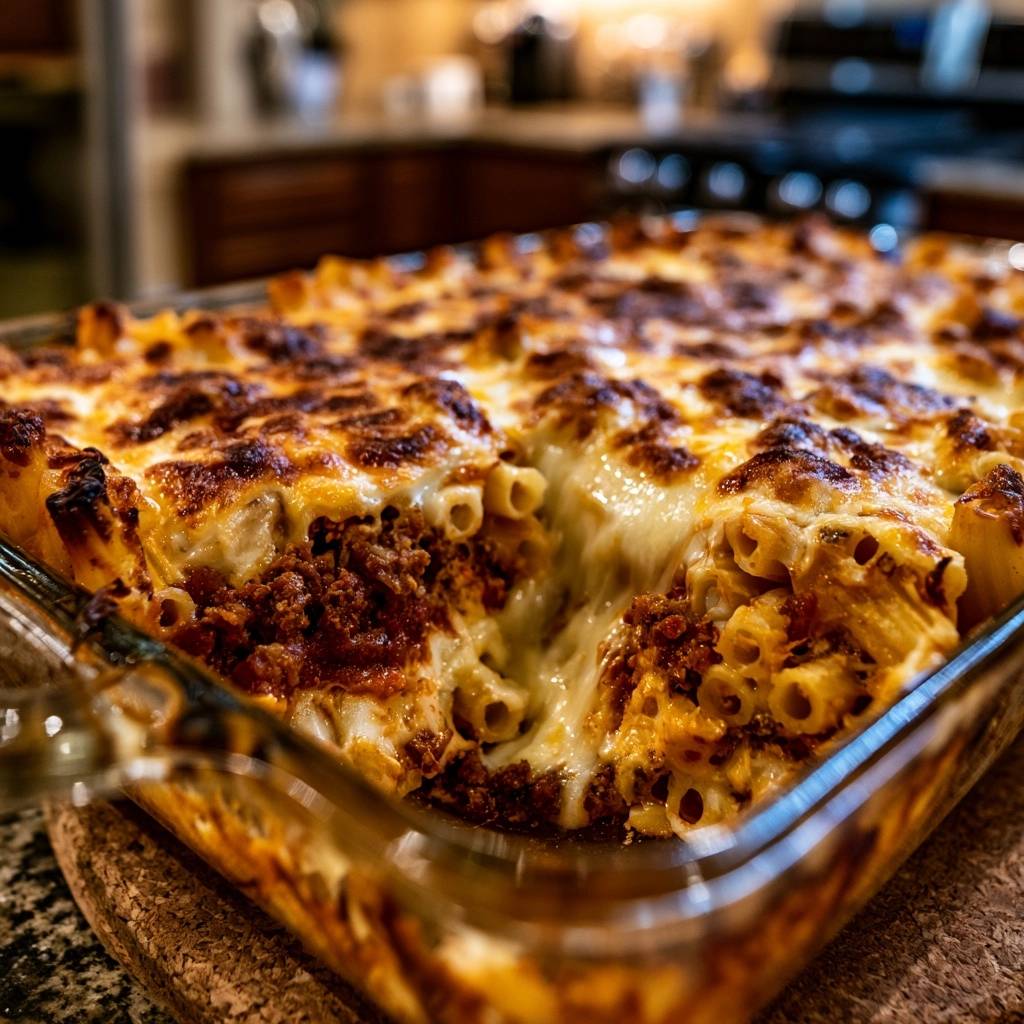
Furthermore, the layers must be intentional. We aren’t just tossing everything together; we are building a foundation. The ricotta layer acts as a creamy barrier, while the top layer of mozzarella creates a protective seal that traps heat without steaming the pasta into oblivion.
Essential Components for Cheesy Baked Ziti with Meat Sauce
Quality ingredients are the backbone of this dish, and it starts with your protein choice. I always recommend 80/20 ground beef because the fat content provides essential flavor and a silkier mouthfeel in the sauce. Just be sure to drain the excess fat thoroughly after browning so the final dish isn’t greasy.
When it comes to the dairy, whole milk ricotta is non-negotiable. Part-skim ricotta often has stabilizers and a higher water content that can lead to a grainy, weeping texture when heated. Whole milk ricotta provides a lush, custard-like consistency that holds up beautifully against the acidity of the tomatoes.
Finally, use freshly shredded mozzarella if you can. Pre-shredded cheeses are coated in potato starch or cellulose to prevent clumping in the bag, which can interfere with that perfect, stretchy melt. Grating your own cheese ensures those iconic long cheese pulls and a better brown on the crust.
Selecting the Right Pasta Shape
While the recipe is named for Ziti, Rigatoni is a fantastic alternative that many chefs actually prefer. Ziti has a smooth exterior, which allows the sauce to slip and slide, filling the hollow centers. Rigatoni, however, has ridges (rigate) that grab onto the meat sauce and cheese, ensuring more flavor in every bite.
Regardless of which you choose, tubular pasta is a requirement. The hollow centers act like little chimneys, holding pockets of meat sauce and melted cheese inside the noodle. Avoid flat pastas like fettuccine or small shapes like macaroni, as they lack the structural strength to support the heavy meat and cheese layers.
The Role of Tomato Paste in Sauce Density
Tomato paste is the unsung hero of a thick, robust meat sauce. When you fry the paste in the pan with your browned beef and garlic, it undergoes the Maillard reaction. This deepens the color to a dark brick red and intensifies the umami flavors, creating a bridge between the meat and the marinara.
More importantly, the high solids content in tomato paste acts as a natural thickener. It binds the liquid in the marinara sauce, preventing it from separating during the long bake. This is your primary insurance policy against a soggy, watery pasta bake.
The Anti-Soggy Method: Par-Boiling and Rinsing
This is the most critical technical step in the entire process. Most people boil their pasta until it is “al dente” before baking, but that is actually a mistake. Because the pasta will spend another 25 minutes submerged in hot sauce in the oven, it continues to hydrate and cook.
Use the “Minus 3 Minute” rule: look at the package instructions for al dente and subtract three full minutes. The pasta should be quite firm, almost slightly crunchy in the very center. This leaves “room” for the pasta to absorb the flavorful juices of the meat sauce in the oven without losing its shape.
After draining, immediately rinse the pasta with cold water. While usually a “no-no” for fresh pasta, it is vital here. Rinsing stops the cooking process instantly and strips away the excess surface starch. This prevents the noodles from gummy-bonding into a single, solid mass of dough inside the casserole.
Building a Concentrated Meat Sauce Base
When browning your ground beef, patience is your best friend. Don’t just cook it until the pink is gone; keep going until the meat is deeply caramelized and dark brown. This creates a “fond” on the bottom of the pan that provides a massive boost of savory flavor to the entire sauce.
Once the meat is browned and drained, add your garlic, oregano, and red pepper flakes. You only want to cook these for about a minute. You will know it’s ready when the kitchen smells incredible and the garlic is soft but not brown. Burning the garlic at this stage will leave a bitter aftertaste that the sauce cannot hide.
Add the tomato paste next and stir it into the meat for two minutes. You are looking for the paste to darken and smell slightly sweet. Finally, pour in the marinara and let it simmer. This simmering time isn’t just for flavor; it’s to reduce the water content so the sauce is thick enough to coat the pasta heavily.
The Ricotta Binder: Preventing Moisture Weeping
Have you ever noticed a watery, grainy white layer in a lasagna or ziti? That is the ricotta “weeping” its moisture. To prevent this, we use the “Egg Secret.” By mixing a lightly beaten egg into the ricotta, you create a binder that stabilizes the cheese proteins as they heat up.
The egg transforms the ricotta into a creamy, stable layer that feels almost like a savory custard. It stays exactly where you put it instead of melting into the sauce. Adding a generous handful of grated parmesan to this mixture also helps balance the salt and adds a sharp, nutty punch to the creamy center.
Make sure your ricotta is at room temperature when you mix in the egg. This helps the two emulsify more easily, ensuring a smooth consistency throughout the layer. It is a small detail that makes a massive difference in the final mouthfeel of the dish.
Assembling Layers for Maximum Flavor Distribution
Assembly is where many home cooks lose the battle. Never layer dry pasta and then pour sauce over the top. Instead, toss your par-boiled pasta in the meat sauce until every single tube is heavily coated inside and out. This ensures that no noodle is left dry or crunchy after baking.
Start with half of your saucy pasta in the bottom of the dish. Next, dollop the ricotta mixture over the top and spread it gently. It doesn’t have to be perfect, but try to get it close to the edges. Add the remaining pasta on top, pressing down slightly to remove any large air pockets that could cause the dish to dry out.
When you add the final layer of mozzarella, go edge-to-edge. This cheese “blanket” protects the pasta underneath from the intense heat of the oven. If the noodles are exposed, they will turn hard and brittle. A full coverage of cheese keeps the interior moist while the top gets that beautiful, crispy texture.
High-Heat Baking and the Broiler Finish
Most recipes call for 350°F, but we are cranking the oven to 400°F. This higher temperature is the key to getting those charred, bubbly cheese peaks without overcooking the pasta inside. The goal is to heat the center quickly while the outside develops a golden-brown crust.
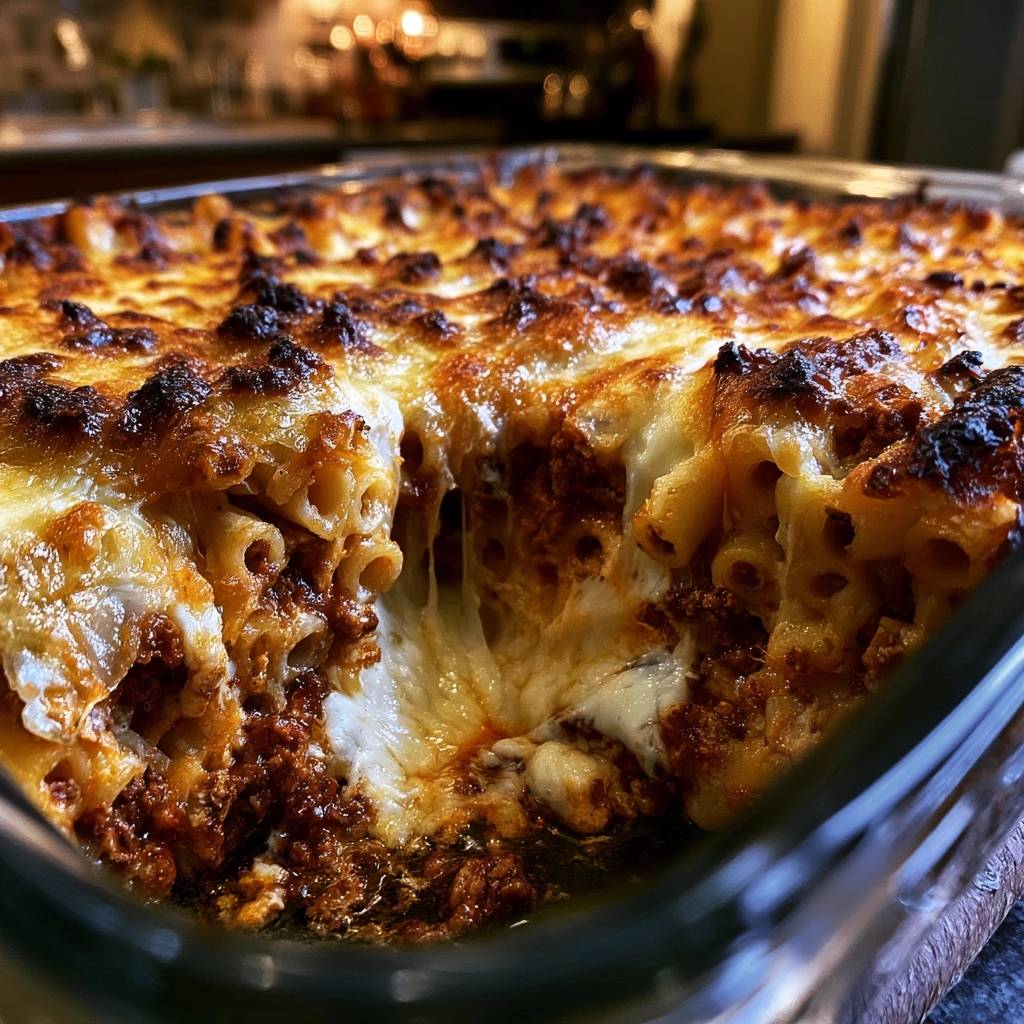
The real magic happens in the last three minutes. Switch your oven to the Broil setting and move the rack to the top position. Stay right there and watch through the oven window! You are looking for the cheese to transition from golden yellow to having deep mahogany, almost black, charred spots.
These charred spots provide a smoky, complex flavor that contrasts perfectly with the sweet tomato sauce and creamy ricotta. Once you see those bubbles popping and browning, pull the dish out immediately. It will look like it came straight out of a high-end brick oven.
Troubleshooting Common Pasta Bake Failures
If your sauce ends up too thin, the most likely culprit is not simmering the meat sauce long enough or skipping the tomato paste. Next time, let the sauce reduce until it is thick enough to hold a trail when you run a spoon through it. If it’s already in the oven, a longer rest period after baking can help the pasta absorb some of that excess liquid.
Oily cheese is usually a result of using “high-moisture” fresh mozzarella (the kind stored in water) or not draining the beef fat. For the best results, stick to low-moisture, part-skim or whole milk mozzarella blocks that you shred yourself. This type of cheese has a higher protein-to-fat ratio that melts smoothly without the oil slick.
If the dish falls apart when you try to serve it, you likely skipped the 15-minute rest. I know it is tempting to dive in while the cheese is bubbling, but that rest period is vital. It allows the starches and proteins to firm up, ensuring that the ziti holds its shape when sliced and lifted onto a plate.
Make-Ahead Strategies and Freezing Protocols
This is an excellent dish for meal prep. You can assemble the entire ziti, cover it tightly with foil, and keep it in the refrigerator for up to 24 hours before baking. When you are ready to eat, just add about 10 minutes to the baking time to account for the cold dish. It is a lifesaver for busy weeknights.
For freezing, it is best to freeze the dish unbaked. Wrap the assembled ziti in a double layer of plastic wrap and then a layer of heavy-duty aluminum foil. It will stay fresh for up to three months. To bake from frozen, let it thaw in the fridge overnight before following the standard baking instructions.
If you have already baked the ziti and want to freeze leftovers, cut them into individual portions first. Wrap each square tightly. To reheat, use the oven at 350°F rather than the microwave. This helps the cheese regain some of its crispiness and prevents the pasta from becoming rubbery.
Side Dishes to Balance the Richness
Because this Cheesy Baked Ziti with Meat Sauce is incredibly rich and savory, you want side dishes that offer a bright, acidic contrast. A simple arugula salad with a sharp lemon vinaigrette is perfect. The bitterness of the greens cuts right through the heavy fats of the beef and cheese.
Roasted broccoli or sautéed garlicky broccolini also works well, providing a crunch that the soft pasta lacks. The slight char on the vegetables echoes the charred peaks of the cheese crust, creating a cohesive meal. It adds a much-needed pop of color to the plate as well.
Of course, you can’t go wrong with a loaf of crusty Italian bread. It is the ultimate tool for “sauce recovery,” ensuring not a single drop of that concentrated meat sauce goes to waste. Just a quick toast with some olive oil and salt is all you need to complete the experience.
Frequently Asked Questions
Can I substitute ground turkey or lamb?
You can certainly use ground turkey, but keep in mind it is much leaner than 80/20 beef. To prevent the sauce from tasting flat, add an extra tablespoon of olive oil when browning the meat and perhaps a splash of Worcestershire sauce to boost the savory depth. Lamb is much fattier and has a distinct gamey flavor; if using lamb, ensure you drain the fat very thoroughly to avoid a greasy finish.
Why did my ricotta turn grainy?
Ricotta usually turns grainy because of high heat combined with low fat content. If you use part-skim ricotta, the proteins can clump together when they hit 400°F. Using whole milk ricotta and adding the egg binder is the best way to ensure a smooth, creamy texture. The egg acts as a stabilizer that keeps the cheese proteins from separating and tightening up into grains.
Is it possible to over-rinse the pasta?
The goal of rinsing is simply to stop the cooking and remove the loose surface starch that makes the noodles sticky. You only need to rinse for about 30 seconds under cold running water. You aren’t trying to soak the pasta or wash away all the flavor. As long as the noodles are cool to the touch and no longer sticking together in a clump, you have done it correctly.
How do I store and reheat leftovers?
Store leftovers in an airtight container in the refrigerator for up to four days. For the best texture, reheat portions in a 350°F oven covered with foil for 15 minutes, then remove the foil for the last 5 minutes to crisp the cheese. While the microwave is faster, it tends to make the pasta soft and the cheese rubbery, so the oven is always the preferred method for maintaining quality.
Can I add vegetables like spinach or mushrooms?
Adding vegetables is a great way to bulk up the dish, but you must cook them first. Mushrooms and spinach release a massive amount of water when heated. If you add them raw to the sauce, that water will end up at the bottom of your baking dish, leading to the “soggy pasta” syndrome we are trying to avoid. Sauté them in a separate pan until all their moisture has evaporated before stirring them into the meat sauce.
Cheesy Baked Ziti with Meat Sauce
Course: Main CourseCuisine: AmericanDifficulty: easy8
servings15
minutes45
minutes60
Minutes520
kcalAmerican
Ingredients
1 pound ziti or rigatoni pasta
1.5 pounds ground beef (80/20 for better flavor)
1 jar (24 ounces) high-quality marinara sauce
1 can (6 ounces) tomato paste (to thicken the sauce and prevent sogginess)
15 ounces whole milk ricotta cheese
4 cups shredded mozzarella cheese, divided (extra for that thick top layer)
1/2 cup grated parmesan cheese
1 egg, lightly beaten
3 cloves garlic, minced
1 tablespoon olive oil
1 teaspoon dried oregano
1/2 teaspoon red pepper flakes
Salt and black pepper to taste
Directions
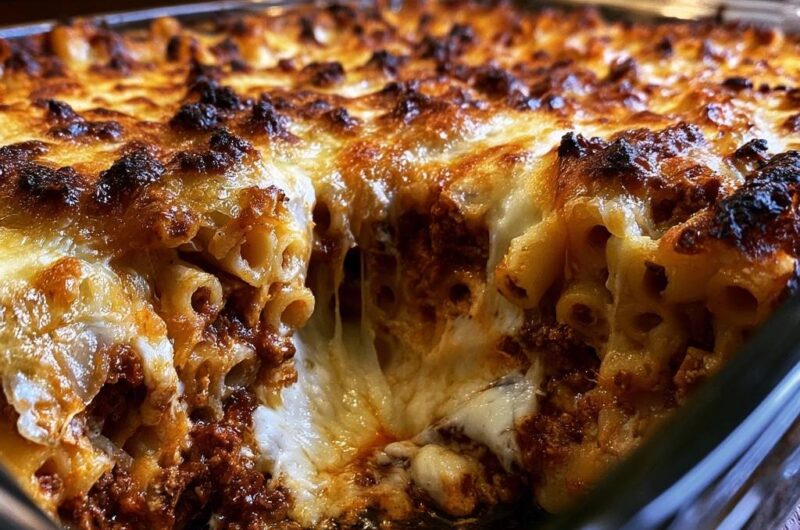
- Preheat your oven to 400°F (200°C). A higher temperature is necessary to achieve the dark, caramelized cheese peaks shown in the image without overcooking the interior. Grease a 9×13 inch glass baking dish.
- The Anti-Soggy Secret: Boil a large pot of heavily salted water. Cook the pasta for exactly 3 minutes less than the “al dente” time on the package. The pasta must be quite firm. Drain and immediately rinse with cold water to strip the surface starch and stop the cooking process.
- In a large skillet, heat olive oil over medium-high heat. Brown the ground beef until deeply caramelized. Drain the excess fat thoroughly. Cook until no pink remains and it reaches 160°F (71°C).
- Stir in the minced garlic, oregano, and red pepper flakes. Cook for 1 minute. Add the tomato paste and cook for 2 minutes, stirring constantly, until it turns a dark brick red. Stir in the marinara sauce and simmer for 10 minutes to create a thick, concentrated meat sauce.
- In a medium bowl, combine the ricotta cheese, beaten egg, 1 cup of mozzarella, and parmesan. The egg binds the ricotta, preventing it from weeping moisture into the pasta.
- Toss the par-boiled pasta with the meat sauce until every tube is heavily coated.
- Layer half of the pasta mixture into the prepared dish. Spread the ricotta mixture in an even layer over the pasta, then top with the remaining pasta mixture.
- Cover the top with the remaining 3 cups of mozzarella. Ensure the cheese reaches the very edges of the dish.
- Bake for 20-25 minutes. To achieve the specific visual result of the charred peaks, move the rack to the top position and Broil on high for 3-5 minutes. Watch closely; you want deep brown-to-black charred spots on the cheese bubbles.
- Let the dish rest for 15 minutes before serving. This is crucial for the structural integrity shown in the cross-section of the photo.
Notes
- The secret to preventing sogginess is boiling the pasta 3 minutes less than al dente and rinsing with cold water. Using an egg in the ricotta mixture prevents it from releasing moisture into the dish.