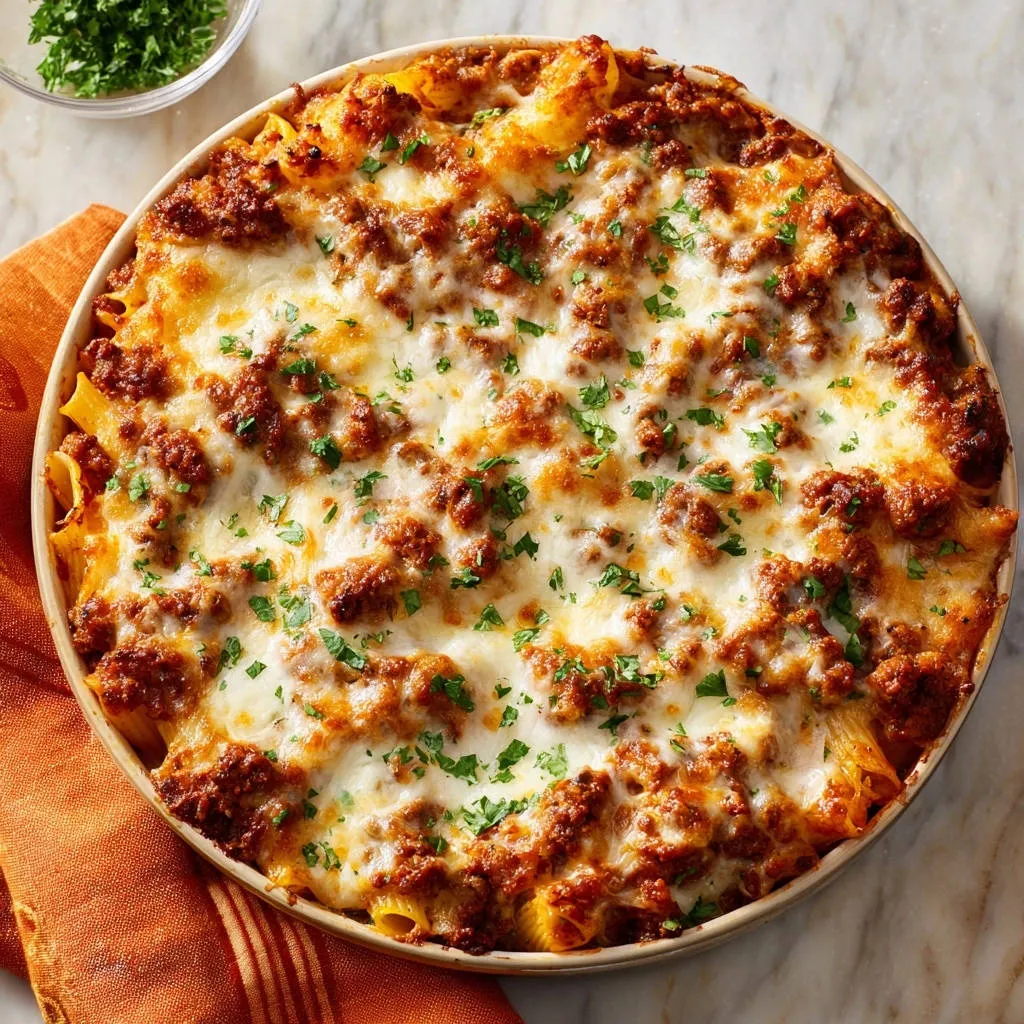
I spent years trying to create slow-simmered flavor in weeknight meat sauces, often falling short of that deep, authentic umami only hours usually provides.
This recipe for Baked Rigatoni with Rich Ragu solves that problem by utilizing a simple but revolutionary technique: caramelizing the tomato paste.
Trust me, once you master this 45-minute flavor depth hack, you will unlock a complexity that usually takes all day at the stove.
Why This Baked Rigatoni with Rich Ragu Is Your New Weeknight Hero
Speed and Complexity: Ragu That Tastes Slow-Simmered
The secret lies in actively cooking the tomato paste before integrating the liquids, which instantly removes metallic notes and develops deep savory undertones.
To achieve that deep, savory flavor in your ragu, explore how to make a truly thick, meaty ragu.
This foundational step ensures your ragu tastes like it has been simmering all afternoon, delivering exceptional flavor efficiently.
The Ultimate Comfort Dish for Feeding a Crowd
Baked pasta is inherently a large-format, crowd-pleasing meal, perfect for family dinners or feeding guests without stress.
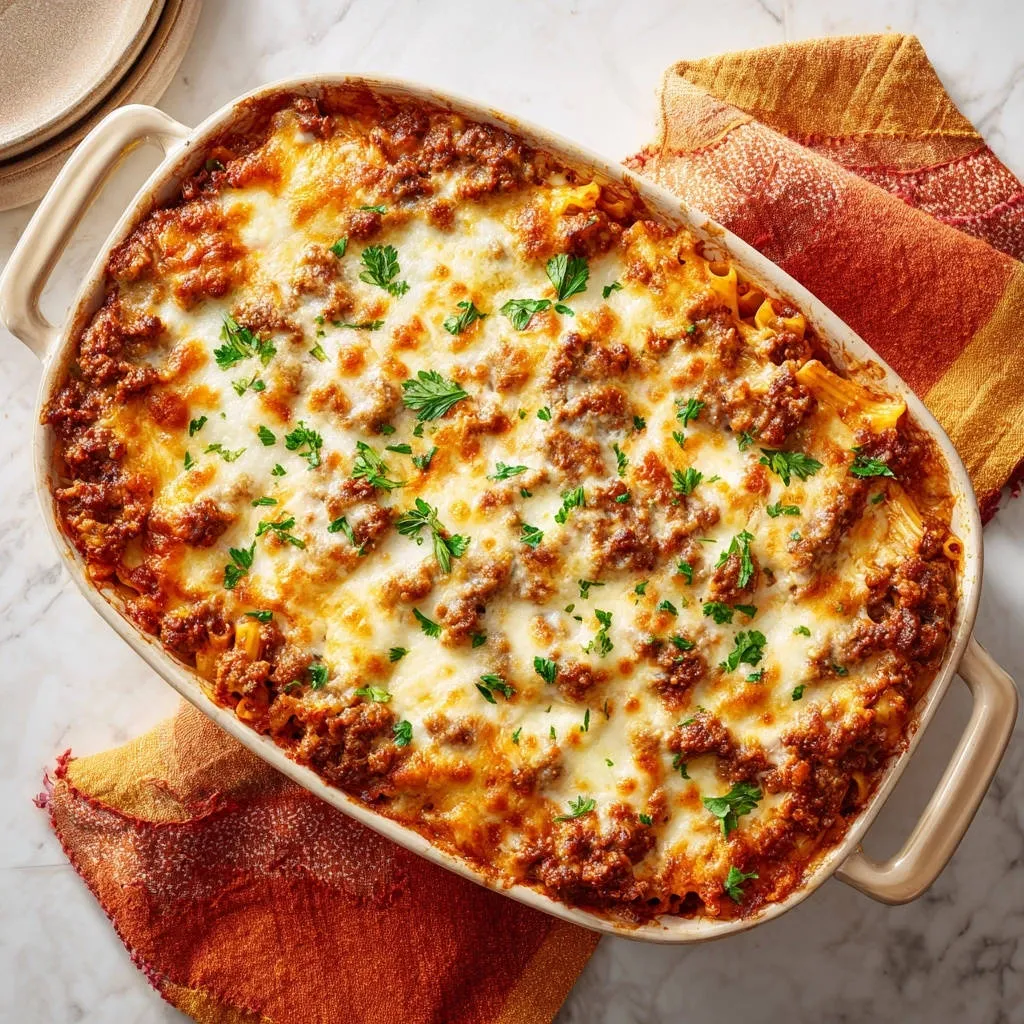
It is also incredibly freezer-friendly, allowing you to prep this substantial dish far in advance for maximum weeknight convenience.
The Perfect Al Dente Bite
We only cook the rigatoni until it is “very al dente” before combining it with the sauce.
For another way to get that perfect al dente pasta, discover skillet baked rigatoni.
The pasta absorbs the flavorful ragu liquid during the 20-minute bake, ensuring every piece finishes perfectly tender and never mushy.
The Building Blocks of Flavor: Essential Ingredients Checklist
Choosing the Right Rigatoni Shape and Brand
Rigatoni is the ideal choice because its large, tube-like shape and characteristic ridges are perfect for capturing and holding the thick, rich ragu.
Unlike smoother pasta shapes, the deeply ridged surface ensures maximum sauce clings to every single bite, making the Baked Rigatoni with Rich Ragu incredibly satisfying.
Meat Selection: Why Lean Ground Beef Works Best
Using lean ground beef (such as 90/10) minimizes the amount of liquid fat released during browning.
Draining any residual fat is essential, as too much grease can prevent the starchy liquid and tomato solids from emulsifying properly into a cohesive sauce.
High-Impact Tomato Components
The six-ounce can of tomato paste provides crucial concentration and density, forming the base that unlocks the slow-simmered flavor profile.
The crushed tomatoes provide the necessary bulk and moisture; selecting a high-quality brand makes a noticeable difference in the final sweetness and texture of the sauce.
If substituting with high-quality marinara, ensure the sauce is thick and low-sugar to maintain the rich, savory complexity of the finished ragu.
The Cheeses: Mastering the Mozzarella and Parmesan Dynamic
Low-moisture, shredded mozzarella is preferred for the top layer as it melts cleanly and creates the desirable golden-brown crust without releasing excessive water.
Do not use fresh mozzarella here, as its high water content will make your baked pasta casserole soupy.
The grated Parmesan cheese is stirred directly into the warm sauce, adding essential saltiness and deep umami that acts as a powerful binder between the ragu and the pasta.
Unlocking Deep Umami: Mastering the Ragu Flavor Hack
The Technique: Why Browning Tomato Paste Changes Everything
Caramelization occurs when the tomato paste hits the hot surface of the pan, directly cooking the natural sugars and acids within the paste.
This process, sometimes called the Maillard reaction for vegetables, darkens the paste and deepens its natural sweetness, simultaneously eliminating the sharp, metallic, raw flavor.
It is the single most important step for achieving that elusive, hours-long depth in a quick weeknight ragu.
Optimal Heat and Timing for Maximum Depth
Maintain medium-high heat under your pot. The goal is to cook the paste until it significantly darkens-it should look deep red or rust-colored and start to stick slightly to the pan.
You must stir constantly within that brief 2 to 3-minute window to prevent scorching, ensuring even caramelization before you incorporate the paste back into the meat and vegetables.
The Crucial Role of Reserved Pasta Water
The starchy water reserved from cooking the rigatoni acts as a powerful, natural emulsifier when introduced to the ragu.
This starch helps the fat, tomato solids, and water integrate smoothly, resulting in a luscious, glossy sauce that clings beautifully to the rigatoni without needing heavy cream or butter.
Step-by-Step Guide to Baked Rigatoni Perfection
Prepping the Perfect Al Dente Foundation
Preheat your oven to 375°F. Cook the rigatoni in heavily salted water for approximately three minutes less than the package instructions, ensuring it is very firm.
Before draining, reserve exactly one cup of the starchy cooking water; this reserved liquid is essential for binding the final ragu and achieving that signature clingy sauce.
Building and Searing the Ragu Base
Heat olive oil in a large Dutch oven over medium-high heat. Brown the ground beef, breaking it up completely, and then drain off all excess liquid fat for a cleaner sauce.
Add the diced onion and sauté for 5 to 7 minutes until softened, followed by the minced garlic, cooking for just one minute until fragrant.
Executing the Flavor Depth Hack
Push the meat and vegetables to one side, leaving an empty, hot spot on the pan base.
Add the tomato paste to the empty spot and cook, stirring constantly, until it darkens to a deep rust color; this usually takes 2 to 3 minutes before stirring it into the meat mixture.
Simmering and Flavor Integration
Stir in the crushed tomatoes, the reserved pasta water, oregano, salt, pepper, and red pepper flakes if you are using them.
Bring the sauce to a gentle simmer and let it bubble uncovered for 15 minutes to allow the spices and tomatoes to fully meld into a rich ragu.
Combining the Pasta and Cheese
Turn off the heat and stir the drained, very al dente rigatoni directly into the warm ragu until every piece is thoroughly coated.
Fold in the 1 cup of grated Parmesan cheese, which will immediately begin melting and thickening the sauce.
Assembling and Layering for the Bake
Transfer the pasta and sauce mixture to a large, oven-safe baking dish, making sure the pasta is fully submerged in the sauce.
Evenly distribute the 3 cups of shredded low-moisture mozzarella over the top layer.
Baking and Achieving the Golden Crust
Bake at 375°F for 20 to 25 minutes, or until the sauce is visibly bubbling at the edges and the mozzarella has melted into a golden-brown, crispy crust.
The Final Mandatory Rest
Remove the dish from the oven and let it rest for 5 to 10 minutes before serving.
Round Out Your Meal
To complement your baked rigatoni, consider these dishes that share a fresh vegetable focus or vibrant Italian flavors.
- For a bright, vegetable-forward addition, try this Crispy Parmesan Roasted Zucchini recipe, which brings a similar roasted texture.
- If you’re leaning into Italian flavors, this Caprese Fusilli Salad offers a refreshing contrast with its classic tomato and mozzarella combination.
This rest time is critical for the baked rigatoni to set properly and prevents the rich ragu from immediately running out when sliced and served.
Expert Tips for the Best Baked Rigatoni with Rich Ragu Results
The Salt Level of Your Pasta Water
The pasta water must be salty like the sea; this is the only opportunity you have to season the core of the rigatoni itself before it gets coated in the rich ragu.
Boosting Herb and Spice Complexity
For an even deeper, almost Italian sausage-like flavor profile, add a pinch of fennel seed during the ragu simmer.
Alternatively, toss in a fresh bay leaf or a handful of fresh basil leaves during the last five minutes of simmering, removing the bay leaf before assembly.
Preventing a Dry Baked Casserole
Always ensure the pasta mixture looks slightly wet when it goes into the oven and that all rigatoni pieces are submerged in the sauce.
If the mozzarella is browning too rapidly before the sauce is bubbling hot, loosely tent the dish with aluminum foil for the last 10 minutes of baking.
The Perfect Garnish: Why Fresh Parsley Matters
The finish of fresh, bright green parsley is non-negotiable for this hearty baked pasta casserole.
It adds a necessary high note of freshness and color that cuts through the deep richness of the meat and cheese.
Troubleshooting Common Issues
Why is my baked rigatoni watery?
A watery ragu usually means too much pasta water was added, or the sauce did not simmer long enough to properly reduce and thicken.
Next time, ensure your 15-minute simmer is a gentle but active bubble, encouraging reduction before assembly.
The top layer of cheese burned before the center was bubbly.
Your oven may run hot, or the baking dish was placed too high.
If the cheese browns beautifully around 15 minutes, cover the dish loosely with foil and continue baking until the center is fully heated through.
My rigatoni is mushy after baking.
The only time the pasta should feel fully cooked is after the baking phase.
If the pasta was cooked for the full package time before being added to the sauce, it will inevitably become waterlogged and mushy during the bake.
Make-Ahead, Storage, and Serving Suggestions
Can I Assemble This Dish Ahead of Time?
Yes, you can assemble the entire baked pasta casserole (Steps 1-6) up to 24 hours in advance, covering it tightly and refrigerating.
When baking a chilled casserole, allow it to sit on the counter for 30 minutes before baking, and add a splash of extra reserved pasta water to the sauce before topping with cheese, as the pasta will have absorbed more liquid overnight.
Ideal Pairings for Baked Rigatoni with Rich Ragu
Since the dish is so rich, pair it with a simple, sharply dressed green salad, such as arugula or romaine, to provide an acidic contrast.
Crusty garlic bread is also an essential pairing, perfect for scooping up any residual rich sauce from the dish.
Freezing and Reheating Instructions
To freeze, assemble the casserole (without baking), wrap tightly in two layers of foil, and freeze for up to three months.
Thaw overnight in the refrigerator, then bake as directed, or bake directly from frozen (adding 30-45 minutes to the total bake time) until completely heated through.
FAQs: Quick Answers About Your Baked Rigatoni
Can I use Italian sausage instead of ground beef?
Absolutely. Italian sausage adds a wonderful layer of spice and fat to the ragu, enhancing the overall flavor complexity.
If using sausage, be mindful of the added salt content and be sure to render the fat thoroughly, draining off the excess before proceeding with the onions.
What is the best way to grate the Parmesan?
Always choose high-quality Parmesan cheese and grate it fresh yourself for the best results.
Pre-grated cheeses often contain anti-caking agents that hinder optimal melting and contribute a slightly chalky texture to the sauce.
Is it necessary to preheat the oven?
Preheating is crucial for any baked pasta casserole, especially for this Baked Rigatoni with Rich Ragu.
A hot oven ensures the sauce begins bubbling immediately, maximizing flavor absorption into the pasta during the cooking window, rather than letting the pasta soak up cold liquid during a slow temperature climb.
Ready to Impress? Share Your Baked Rigatoni Masterpiece!
This quick method proves that you never have to choose between convenience and incredible, complex flavor.
The tomato paste caramelization technique elevates this simple baked rigatoni far above a standard weeknight dish.
Get cooking, taste the difference the flavor hack makes, and enjoy your new favorite comfort food!
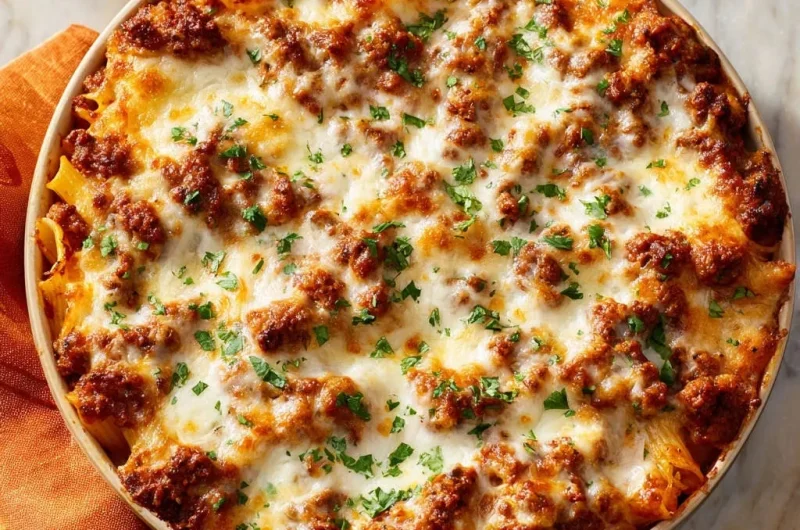
Baked Rigatoni
Course: Main CourseCuisine: Italian-AmericanDifficulty: medium6
servings15
minutes40
minutes650
kcal60
minutesThis weeknight ragu uses a quick flavor hack—caramelizing tomato paste—to achieve deep, slow-simmered richness in under an hour. Combine the savory meat sauce with al dente rigatoni, top with mozzarella, and bake until bubbly. This phenomenal baked pasta recipe will change the way you make meat sauce forever.
Ingredients
1 pound Rigatoni pasta
1.5 pounds lean ground beef
1 large yellow onion, finely diced
4 cloves garlic, minced
2 tablespoons olive oil
1 (6 ounce) can tomato paste
1 (28 ounce) can crushed tomatoes (or high-quality marinara sauce)
1 cup reserved pasta water
1 teaspoon dried oregano
1/2 teaspoon dried red pepper flakes (optional)
Salt and black pepper to taste
1 cup grated Parmesan cheese
3 cups shredded low-moisture mozzarella cheese
1/4 cup fresh parsley, chopped (for garnish)
Directions
- Prep the Pasta: Preheat your oven to 375 degrees F. Cook the rigatoni in heavily salted water until it is very al dente (about 3 minutes less than package directions). Reserve 1 cup of the starchy pasta water before draining.
- Build the Ragu Base: Heat the olive oil in a large pot or Dutch oven over medium-high heat. Add the ground beef and cook, breaking it up with a spoon, until it is browned all over. Drain off any excess fat. Add the diced onion and saute for 5 to 7 minutes until softened. Add the minced garlic and cook for 1 minute until fragrant.
- The Flavor Depth Hack: Push the meat and vegetables to one side of the pot. Drop the 6 ounces of tomato paste directly onto the empty side of the hot pan surface. Cook the paste, stirring it constantly in that spot, for 2 to 3 minutes until it darkens significantly and starts to caramelize and stick to the pan slightly. This crucial step deepens the tomato flavor and removes the raw, metallic taste. Cook until no pink remains and it reaches 160°F (71°C).
- Finish the Sauce: Stir the browned tomato paste into the meat mixture. Add the crushed tomatoes, reserved pasta water, oregano, red pepper flakes (if using), 1 teaspoon salt, and 1/2 teaspoon pepper. Bring the sauce to a simmer and let it bubble gently for 15 minutes, allowing the flavors to meld.
- Combine and Layer: Stir the drained, very al dente rigatoni into the ragu until every piece is coated. Stir in the 1 cup of grated Parmesan cheese.
- Assemble the Bake: Transfer the pasta and sauce mixture to a large, oven-safe baking dish. Ensure the pasta is submerged in the sauce. Distribute the shredded mozzarella evenly over the top layer of the pasta.
- Bake and Rest: Bake the rigatoni in the preheated 375 degree F oven for 20 to 25 minutes, or until the sauce is bubbly and the mozzarella is melted and lightly browned.
- Serve: Remove from the oven and let the dish rest for 5 to 10 minutes before serving. Garnish heavily with fresh chopped parsley.
Notes
- For an extra rich ragu, don’t skip browning the tomato paste directly in the pot; this caramelizes its sugars for deeper flavor. Reserve a good amount of starchy pasta water, as it’s key to creating a luscious, emulsified sauce that clings beautifully to the rigatoni.