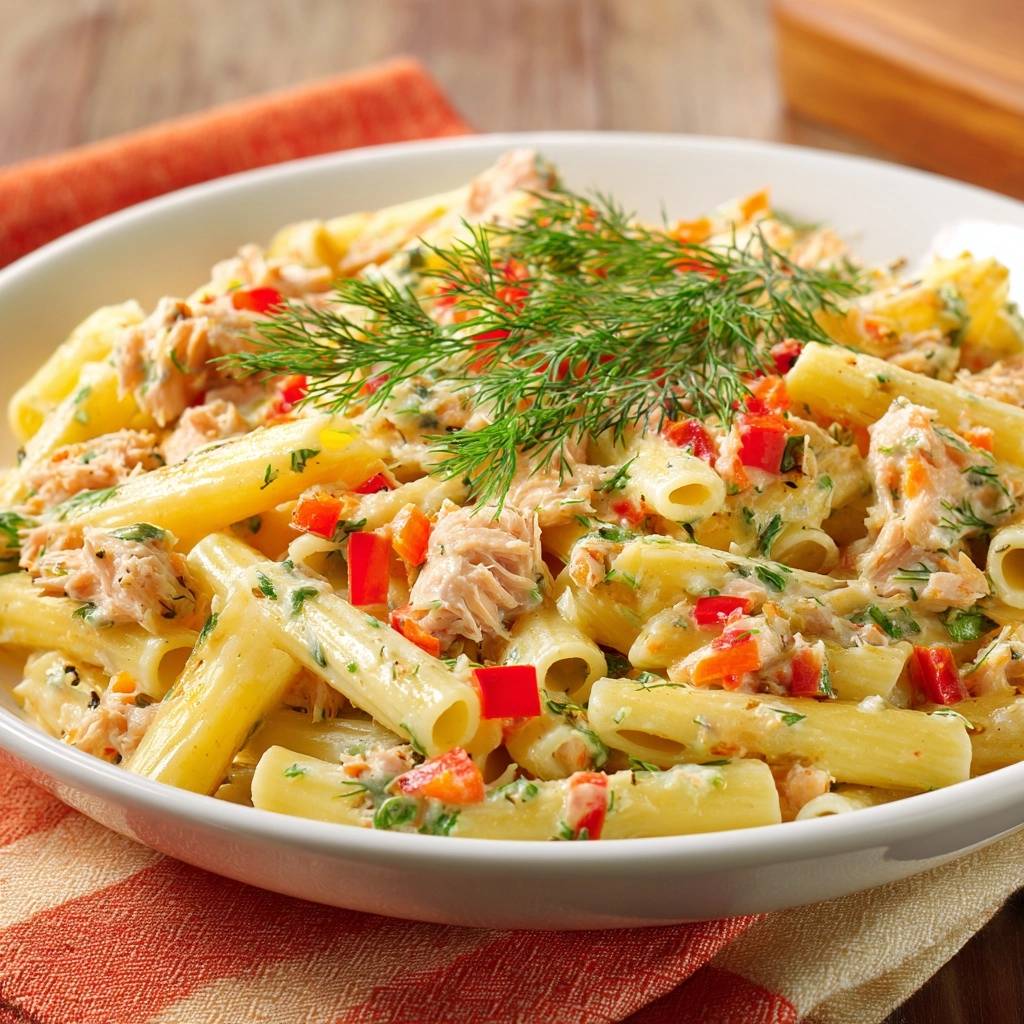
We’ve all been there. You sit down to a beautiful plate of pasta, only to find a puddle of thin, milky liquid pooling at the bottom of the bowl while the noodles sit bare and dry. It’s a common frustration with home-cooked cream sauces, but it doesn’t have to be your reality. This Creamy Salmon and Dill Penne is designed to solve that exact problem, offering a velvety, clingy sauce that stays exactly where it belongs.
The secret lies in the balance between the rich heavy cream and the bright, herbaceous punch of fresh dill. By focusing on the physics of the sauce rather than just the ingredients, you can create a restaurant-quality meal that feels indulgent yet perfectly balanced. We’re moving away from “soupy” pasta and toward a luxurious, glazed finish that coats every ridge of the penne.
For more on achieving that perfect, juicy texture, discover the secrets behind creamy salmon spinach rigatoni.
The real trick to this recipe’s success is the “pasta water bridge.” Most people toss that cloudy water down the drain, but it’s actually the most important ingredient in your kitchen. That starch is the only thing that can truly marry the fat in the cream to the surface of the pasta, ensuring a cohesive bite every single time.
For a similar juicy outcome, explore this creamy salmon spinach lasagna.
The Science of Emulsification and Sauce Adhesion
Cream sauces often fail because the fat and water molecules simply don’t want to stay together. When you heat heavy cream, the fats can easily separate, leading to a greasy or broken mess. Without a binding agent, the sauce remains thin and slides right off the smooth surface of the pasta, leaving you with a bowl of flavored milk.
To fix this, we use a technique called “Mantecatura.” This is the Italian method of finishing the pasta directly in the pan with the sauce. By tossing the noodles vigorously with a bit of starch and fat, you create a physical emulsion. The proteins in the Parmesan cheese and the starches from the pasta water act as stabilizers, creating a thick, glossy coating that defies gravity.
Why Starch-Rich Pasta Water is Liquid Gold
When pasta cooks, it releases amylose and amylopectin into the water. This is why the water turns cloudy and slightly viscous. This liquid acts as a powerful emulsifier, bridging the gap between the heavy cream and the penne. It allows the sauce to thicken without becoming heavy or clumpy, providing a silkiness that plain water or extra cream can’t replicate.
The Role of Parmesan as a Natural Thickener
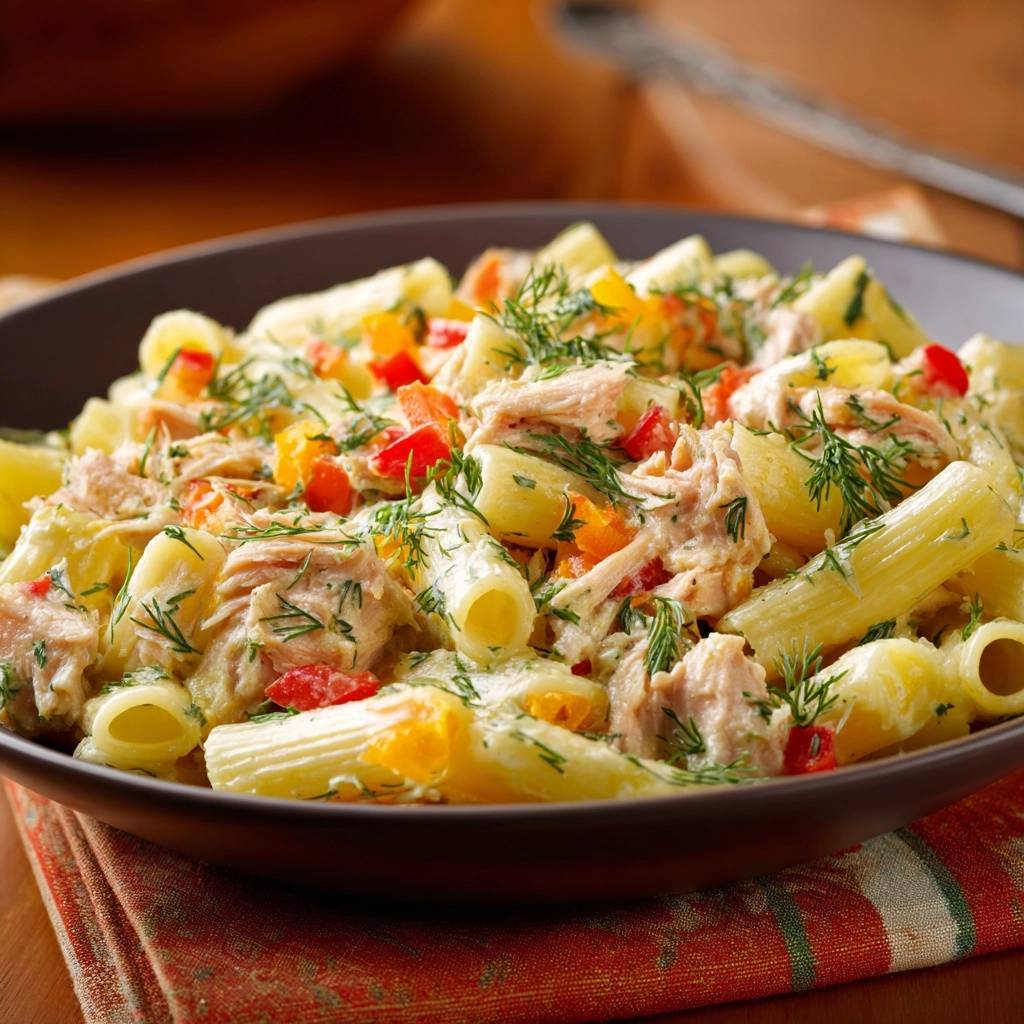
Freshly grated Parmesan is a non-negotiable requirement for this dish. Pre-shredded cheeses are coated in cellulose or potato starch to prevent clumping in the bag, but these additives prevent the cheese from melting smoothly into a sauce. Real Parmesan melts into the cream, providing the necessary protein structure to bind the sauce together while adding a salty, nutty depth of flavor.
Essential Components for Creamy Salmon and Dill Penne
Every ingredient in this dish serves a specific purpose. We aren’t just looking for flavor; we’re looking for texture and structural integrity. Using high-quality heavy cream is vital because its high fat content allows it to reduce and thicken naturally without curdling under heat. If you use a lower-fat dairy, the sauce will likely break or remain too thin to coat the penne properly.
The choice of penne is also intentional. The ridges on the outside (penne rigate) and the hollow center act as “sauce traps.” While long noodles like fettuccine are great for cream, the tubular shape of penne ensures you get a burst of salmon-infused sauce inside every piece. It makes the dish feel much more substantial and satisfying.
Selecting the Right Salmon: Fresh vs. Leftover
You can use freshly poached salmon or leftover grilled fillets for this recipe. If you’re cooking the salmon specifically for this dish, keep it slightly underdone before flaking it, as it will finish warming in the sauce. The key is to flake the fish into large, bite-sized chunks. If the pieces are too small, they will disintegrate during the final toss, turning your sauce into a fish paste rather than a chunky, elegant meal.
The Importance of Fresh Dill Over Dried
Dried dill loses almost all of its bright, citrusy punch and can often taste dusty. Fresh dill provides the essential acidity and “green” notes needed to cut through the richness of the heavy cream. It acts as a palate cleanser within the dish, making sure the heavy sauce doesn’t feel overwhelming after a few bites.
Aromatics: Red Bell Pepper and Garlic
Finely diced red bell pepper adds a subtle sweetness and a necessary crunch to the dish. It also provides a beautiful pop of color against the pale pink salmon and white sauce. Garlic, when sautéed just until fragrant, provides the aromatic backbone that ties the savory salmon to the sweet cream.
Step-by-Step: Executing the Perfect Emulsion
Success with this recipe depends on timing and temperature. You want to work efficiently once the pasta is nearly done. Have all your ingredients measured and ready to go before the penne hits the boiling water. This prevents the pasta from sitting and getting gummy while you’re still prepping the sauce base.
Phase 1: Achieving the Perfect Al Dente Penne
Always cook your penne for 1-2 minutes less than the package directions. This is a critical step because the pasta will continue to cook in the skillet during the emulsification phase. If the pasta is fully cooked in the water, it will become mushy and over-hydrated by the time the sauce is ready. You want the noodle to have a firm “bite” so it can absorb the sauce’s flavor.
Phase 2: Building the Flavor Base and Reduction
Sauté the peppers and garlic in a mix of olive oil and butter. The butter adds flavor, while the oil prevents the butter from burning. When you add the heavy cream, keep it at a gentle simmer. Avoid a rolling boil, which can cause the fat molecules to break and result in a greasy finish. You’re looking for the cream to reduce slightly until it coats the back of a spoon.
Complementary Dishes
Round out your meal with these other excellent options.
- For a bright and refreshing accompaniment, consider this creamy zesty chicken and corn salad, which offers a nice contrast in texture and taste.
- If you enjoy roasted vegetables, the crispy parmesan roasted broccoli provides a satisfying crunch and a savory note that pairs well.
Phase 3: The “Mantecatura” Technique
Once the pasta and a splash of pasta water are in the pan, don’t be afraid to stir vigorously. This movement, combined with the heat, coaxes the starch out of the pasta and into the cream. You will see the sauce transform from a thin liquid into a glossy, thick glaze that clings tightly to every ridge of the penne. This is the moment the dish truly comes together.
Phase 4: Folding and Finishing
The salmon and dill should be the very last things to enter the pan. Use a gentle folding motion with a spatula rather than a heavy stir. Since the salmon is already cooked, you only need about 60 seconds of heat to bring it up to temperature. This keeps the flakes intact and ensures the dill stays bright and aromatic rather than wilting into nothingness.
Troubleshooting Your Creamy Salmon Sauce
Even with the best techniques, things can sometimes go sideways in the kitchen. The most common issue is the sauce thickening too much as it sits. Because the pasta continues to absorb liquid even after it’s served, a perfect sauce in the pan can become a “brick” on the plate if you aren’t careful.
What to Do if the Sauce is Too Thick
If the sauce looks too heavy or sticky, don’t panic. Simply add another splash of your reserved pasta water. The starch in the water will loosen the sauce without diluting the flavor the way plain water would. Add it one tablespoon at a time until the sauce regains its silky, flowing consistency.
Fixing a Broken or Oily Sauce
If you see oil separating from the cream, your heat was likely too high. To fix a broken sauce, remove the pan from the heat immediately. Add a splash of room-temperature heavy cream and whisk rapidly. The fresh proteins in the cold cream can often help pull the emulsion back together and smooth out the texture.
Flavor Variations and Ingredient Swaps
While the salmon and dill combination is a classic, this technique works for many different flavor profiles. You can easily adapt the base sauce to fit what you have in your pantry. The most important thing is to maintain the ratio of fat to starch to ensure the sauce remains creamy and cohesive.
Lightening the Dish Without Losing Creaminess
If you want a lighter version, you can replace half of the heavy cream with whole milk mixed with a teaspoon of cornstarch. However, avoid using fat-free milk, as it lacks the proteins needed to create a stable sauce. Another great trick is stirring in a dollop of Greek yogurt at the very end for a tangy, high-protein creaminess.
Vegetable Additions for Extra Texture
This dish pairs beautifully with green vegetables. You can toss in some blanched asparagus tips, baby spinach, or frozen peas during the final minute of cooking. These additions add a fresh “snap” to the texture and make the meal feel even more balanced and nutritious.
Optimal Pairings for Creamy Salmon and Dill Penne
Because this pasta is quite rich, you want to pair it with sides that offer high acidity and crunch. A simple arugula salad dressed with fresh lemon juice and a pinch of sea salt is the perfect companion. The peppery greens and sharp citrus cut right through the heavy cream, refreshing your palate between bites.
Roasted broccolini with a sprinkle of red pepper flakes is another excellent choice. The charred, slightly bitter notes of the broccoli provide a great contrast to the sweet red peppers and savory salmon in the pasta. Keep the sides simple so the complex flavors of the dill and salmon can remain the star of the show.
Expert Tips for Storage and Reheating
Cream-based pastas are notoriously difficult to reheat because the sauce tends to break into oil in the microwave. If you have leftovers, store them in an airtight container for up to two days. The pasta will absorb more sauce as it sits, so it will appear much drier the next day.
To reheat, place the pasta in a skillet over low heat and add a splash of milk or water. Cover the pan for a minute to let the steam loosen the noodles, then stir gently until the sauce becomes creamy again. This gentle method prevents the fats from separating and keeps the salmon from becoming rubbery.
Expert Tips for Professional Presentation
To serve this like a pro, use warmed bowls. Cold ceramic will cause the cream sauce to seize and thicken almost instantly. Simply run your bowls under hot water and dry them before plating. This keeps the sauce at the perfect “flowy” consistency while you’re eating.
When plating, try to build height by twisting the penne into a mound in the center of the bowl. Ensure a few large chunks of salmon are visible on top, and finish with a fresh sprig of dill and a crack of black pepper. This simple attention to detail makes the dish look as good as it tastes.
Frequently Asked Questions
Can I use smoked salmon instead of cooked salmon?
Yes, you can use smoked salmon, but you must adjust your salt levels. Smoked salmon is much saltier than poached or grilled salmon, so wait until the very end to season the sauce. Fold the smoked salmon in off the heat to prevent it from becoming overly salty or tough.
Is there a substitute for heavy cream?
Evaporated milk is the best substitute for heavy cream in this specific recipe. It has a lower water content than regular milk, which helps it mimic the thickening power of cream. Avoid using coconut milk unless you want a distinct tropical flavor that may clash with the dill and Parmesan.
Why did my sauce turn grainy?
A grainy sauce usually happens if the pan is too hot when you add the Parmesan cheese. If the cheese gets too hot too fast, the proteins clump together instead of melting. Always turn the heat down to low or medium-low before whisking in your cheese to ensure a smooth finish.
Can I use a different pasta shape?
You can use other shapes, but ridged pastas are superior for cream sauces. Rigatoni, fusilli, or conchiglie (shells) are all excellent choices because they have “nooks and crannies” that trap the sauce. Avoid very thin pastas like angel hair, which can become weighed down and clumpy in a thick cream sauce.
How do I keep the salmon from breaking apart?
The secret is to flake the salmon into larger pieces than you think you need. When you fold the fish into the pasta, use a wide spatula and a “lift and turn” motion rather than stirring in circles. This keeps the integrity of the fish intact so you get meaty bites of salmon throughout the dish.

Salmon Penne
Course: Main CourseCuisine: AmericanDifficulty: easy4
servings10
minutes15
minutes580
kcal25
MinutesThis recipe focuses on a specific emulsification technique using pasta water and Parmesan cheese to create a rich, non-watery sauce. Combined with flaked salmon, fresh dill, and red bell peppers, it delivers a restaurant-quality meal in under 30 minutes.
Ingredients
1 pound penne pasta
12 ounces cooked salmon, flaked into large chunks
1 cup heavy cream
1/2 cup freshly grated Parmesan cheese (essential for binding)
1/2 cup reserved pasta water
1 red bell pepper, finely diced
4 tablespoons fresh dill, finely chopped (plus extra sprigs for garnish)
2 cloves garlic, minced
1 tablespoon olive oil
1 tablespoon unsalted butter
1/2 teaspoon salt
1/4 teaspoon black pepper
Directions
- Bring a large pot of heavily salted water to a boil. Add the penne and cook for 1-2 minutes less than the package directions for al dente.
- Crucial Step: Before draining the pasta, dip a measuring cup into the pot and save at least 1 cup of the cloudy pasta water. This liquid contains the starch needed to emulsify the sauce. Drain the pasta.
- In a large skillet or wide pan, heat the olive oil and butter over medium heat. Add the diced red bell pepper and sauté for 3 minutes until softened. Add the garlic and cook for 1 minute more until fragrant.
- Pour in the heavy cream and bring to a gentle simmer. Let it reduce for 2-3 minutes until it begins to thicken.
- Add 1/2 cup of the reserved pasta water and the grated Parmesan cheese to the cream. Whisk constantly until the cheese is melted and the sauce is smooth.
- Toss the cooked penne into the skillet. Stir vigorously over medium-high heat for 60-90 seconds. This “mantecatura” process uses the friction and starch to create a thick, glossy glaze that locks onto the noodles.
- Gently fold in the flaked salmon and the finely chopped dill. Season with salt and pepper. Heat for just 1 minute to warm the salmon through, being careful not to over-stir so the salmon chunks remain intact.
- Serve immediately in warm bowls, topped with a generous amount of fresh dill sprigs as shown in the image. The sauce will be thick, creamy, and perfectly attached to the pasta.
Notes
- The secret to the sauce is the ‘mantecatura’ process. Ensure you save the starchy pasta water before draining to emulsify the cream and cheese into a glossy glaze.