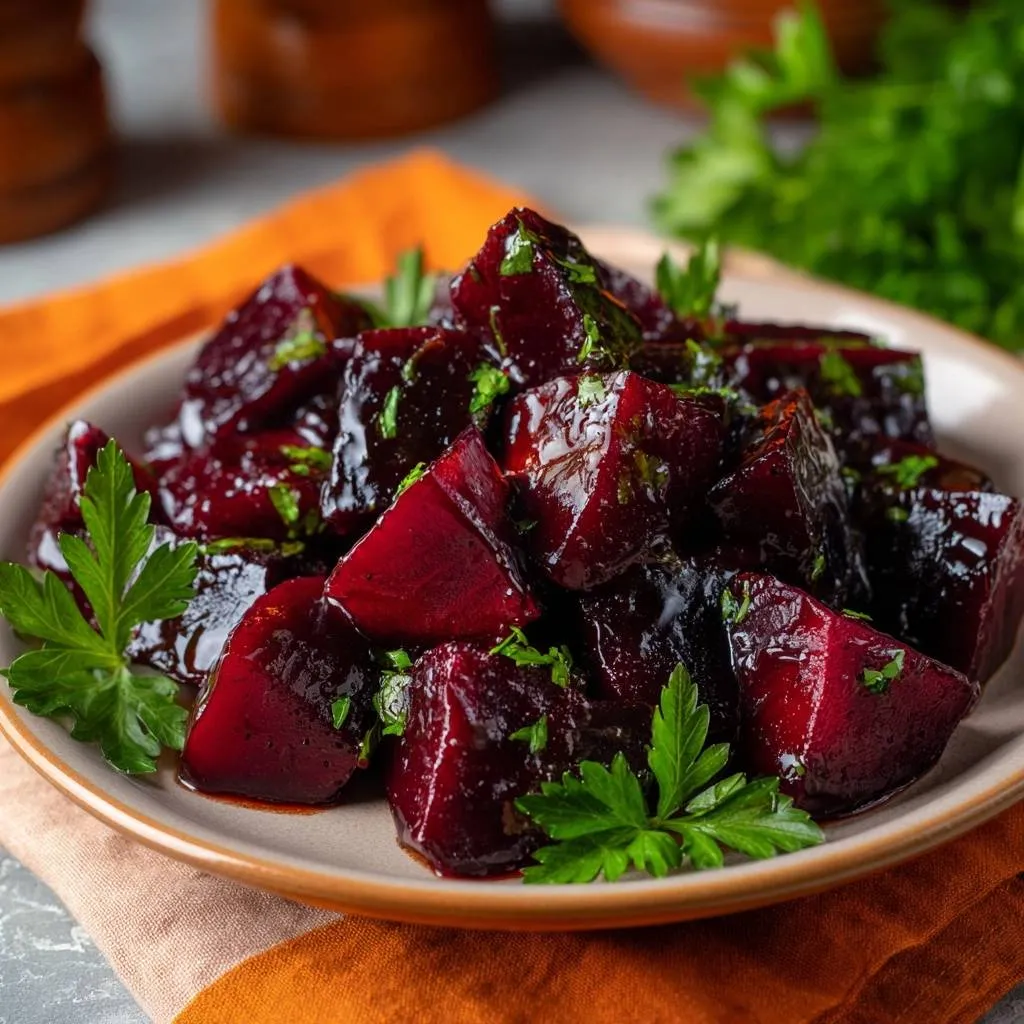
Ever dread the red stains from peeling beets? You know that mess on your hands and cutting board that takes forever to scrub off. This balsamic glazed beets recipe fixes it all with a simple foil-roasting trick. Dinner’s side is ready without the hassle, and those beets come out tender with a shiny, tangy glaze.
Why bother with this method? It saves time on cleanup and brings out the beets’ natural sweetness. Plus, the balsamic glaze adds a perfect zing that elevates any meal. You’ll wonder why you ever struggled before.
Here’s the expertise boost: roast them whole in foil at 400°F. That steams and roasts at once, blistering skins so they slip off clean. No raw peeling needed, just pure results.
Why Choose Balsamic Glazed Beets
Earthy Flavor Meets Tangy Glaze
Beets pack betalains for detox support and fiber for gut health. They also deliver antioxidants that fight inflammation. Roasting caramelizes their sugars, turning raw earthiness into deep sweetness.
In contrast, raw beets taste dirtier and crunchier. However, this balsamic glaze cuts through with acidity. Therefore, you get balanced flavor in every bite.
Honey tempers the tang, while olive oil adds gloss. It’s a side that nourishes and delights.
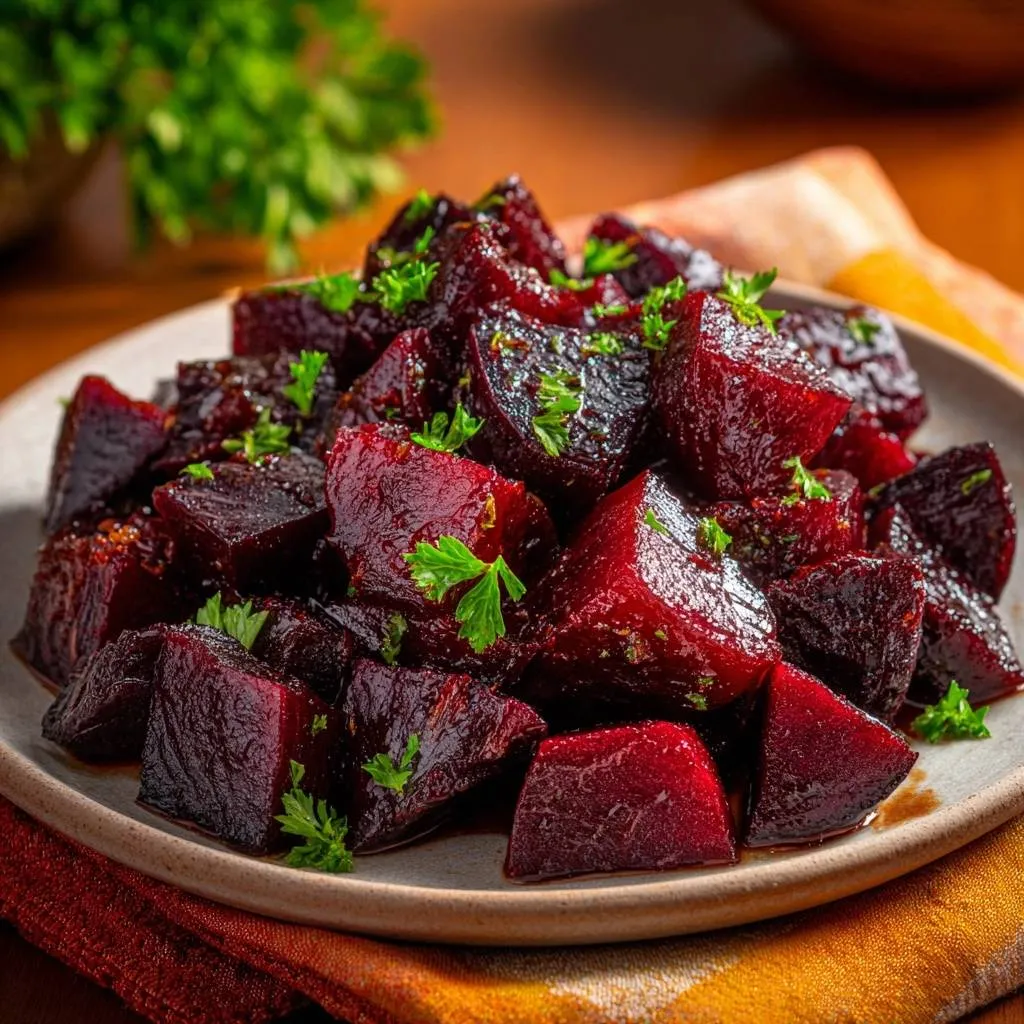
No-Stain Prep Revolutionizes Home Cooking
Peeling raw beets frustrates everyone with its staining chaos. Red juice everywhere means stained fingers and boards. This balsamic glazed beets method skips that entirely.
Roast whole in foil instead. Skins loosen without contact, so cleanup’s a breeze. You’ll save 15 minutes on prep alone.
Perfect for busy weeknights. Balsamic glazed beets shine without the mess.
Key Ingredients for Balsamic Glazed Beets
Selecting Perfect Beets
Grab 6 medium beets, about 2 pounds total. Choose firm ones with smooth skins and fresh greens if attached. Red varieties give classic color, but golden beets offer milder taste and less staining.
Scrub them well under water. Don’t peel raw, though. Whole roasting locks in juices for plump texture.
Medium size roasts evenly in 45 to 60 minutes. Smaller ones dry out faster, so stick to this.
Balsamic Vinegar and Honey Balance
Use 1/4 cup balsamic vinegar for the glaze base. Aged balsamic reduces syrupy without harshness, unlike cheap versions. It brings fruity depth.
Add 2 tablespoons olive oil for sheen and 1 tablespoon honey for caramel pull. Salt and pepper sharpen flavors. Fresh parsley, 1/4 cup chopped, adds bright green pop at the end.
No honey? Maple syrup works. Skip pre-shredded stuff; fresh parsley wilts better.
Equipment for Effortless Beet Roasting
Foil Wrapping Seals in Moisture
Individual foil packets matter a lot. Each one steams the beet inside while roasting outside. This combo tenderizes without sogginess.
Heavy-duty foil holds up better than regular. Place packets on a baking sheet to catch drips. No leaks, no mess.
Seal tightly for max humidity. That’s your stain-free secret.
Skillet for Shiny Balsamic Glaze
Pick a large skillet, nonstick or stainless. Nonstick prevents sticking during glaze toss. Medium heat keeps honey from scorching.
Paper towels grip hot beets for peeling. No hands touch the skins. Quick and clean.
Mastering Stain-Free Beet Roasting
Preheat and Foil-Wrap Technique
Preheat your oven to 400°F. Scrub and trim beets, then wrap each solo in foil. Seal tight to trap steam.
Place on a baking sheet. Roast 45 to 60 minutes. Test doneness by piercing with a fork through the foil; it should slide in easy.
This blisters skins perfectly. You smell sweet earthiness filling the kitchen.
Cooling and Peeling Without Mess
Let beets cool in foil 10 minutes. Steam keeps them warm but safe. Unwrap one by one.
Grip with a paper towel and rub gently. Skins slip right off into the foil. Trim any tough bits the same way.
No red stains anywhere. It’s foolproof magic.
Science of Balsamic Glazed Beets
Roasting Transforms Beet Texture
At 400°F, Maillard reaction browns skins outside. Inside, pectin breaks down for fork-tender bite.
Foil traps humidity like a mini pressure cooker. Therefore, beets stay moist, not woody. Perfect temp avoids mush.
Raw beets stay firm; roasting unlocks creaminess.
Glaze Reduction Builds Shine
Balsamic sugars caramelize with honey over heat. Evaporation in 3 minutes thickens it fast.
Olive oil emulsifies for clingy gloss on cubes. Low pH from vinegar boosts perceived sweetness. Toss well for even coat.
Cubing and Glazing Balsamic Beets
Precise 1-Inch Beet Cubes
Cut peeled beets into 1-inch cubes. Uniform size ensures even glaze coverage. Use a sharp knife on a stable board.
Smaller pieces overcook; larger stay raw inside. This size gives ideal tender crunch.
Skillet Simmer for Clinging Glaze
Heat skillet to medium. Combine balsamic, oil, honey, salt, pepper. Simmer 3 minutes till syrupy, stirring often.
Add cubes and toss 2 to 3 minutes. Glaze turns shiny and thick. Sprinkle parsley off heat.
For more inspiration with that sweet, tangy glaze, try these Balsamic Glazed Roasted Brussels Sprouts.
Serve warm or room temp. Oh man, that glossy shine screams delicious.
Avoiding Common Beet Glazing Pitfalls
Over-Roasting Leads to Mush
Fork-test at 45 minutes. Pull early if tender; over-roast mushes them. Under-roasted? Pop back in foil for 10 more.
Stir glaze constantly to dodge burns. Add salt late; it toughens skins if early.
Glaze Too Thin? Quick Fixes
Simmer longer to evaporate more. Or whisk in cornstarch slurry, 1/2 teaspoon in water. It thickens instantly.
Beet juice watered it? Strain cubes first. Reheat gently to revive shine.
Flavor Variations for Balsamic Glazed Beets
Herb and Spice Twists
Infuse glaze with thyme or rosemary sprigs. They add woodsy aroma. Crumble goat cheese on top for creamy tang.
Chop walnuts for crunch. Zest orange instead of parsley for citrus lift. Balsamic glazed beets level up easy.
For those who enjoy the tangy sweetness of balsamic, you might also like to try balsamic roasted beets and carrots.
Golden Beets or Mixed Roots
Swap for golden beets; less earthy, vibrant yellow. Mix in carrots or parsnips for root medley.
Use maple syrup over honey for low-glycemic. Colors pop together beautifully.
Pairing Balsamic Glazed Beets
Ideal Main Dish Companions
Grill chicken or tofu alongside for smoky contrast. Toss into grain bowls with quinoa. They shine in salads too.
Holiday roasts love this side. Tangy beets cut richness perfectly.
More to Explore
Round out your meal with these flavorful mains that pair well with earthy beets.
- For a vibrant and complete meal, consider the Mediterranean Salmon Power Bowls, offering a different set of fresh flavors.
- If you’re in the mood for poultry, the Garlic Herb Grilled Chicken Salad provides a complementary herbaceous note.
Meal Prep and Storage Tips
Fridge in airtight container up to 5 days. Freeze glaze-side up in bags for 3 months. Reheat in skillet with splash of water to loosen glaze.
Scale easy: double beets, keep glaze ratios. Batch for the week.
Troubleshooting Balsamic Glazed Beets
Skins Won’t Slip Off
Steam longer next time, add 10 minutes. Some varieties cling more. Re-foil and roast 5 minutes extra if needed.
Glaze Not Thickening
Crank heat slightly or simmer 2 minutes more. Too much beet juice? Pat cubes dry first.
Beets Too Earthy
Boost acidity with extra balsamic splash. Skip soaking myths; it dilutes flavor. Roast hotter for sweetness.
Best Substitutions
Red wine vinegar for balsamic. Agave for honey. Olive oil swap with avocado oil.
Balsamic Glazed Beets FAQ
Can I Use Canned Beets?
Yes, rinse well to cut sodium. Skip roasting, pat dry, and glaze direct. Texture’s softer, less roasted depth, but quick fix.
How Long Do They Last?
Store airtight in fridge 4 to 5 days. Freeze up to 3 months; thaw overnight. Spoilage shows slime or off smell.
Are These Beets Vegan?
Mostly yes. Swap honey for agave or maple. Full of fiber, antioxidants, betalains for health boost.
Microwave Roasting Possible?
Pierce beets, wrap in damp paper towels, nuke 8 to 12 minutes. Faster but less even than oven. Skins slip ok, flavor milder.
Scaling for Crowds?
Double or triple beets per foil packet. Keep glaze at 1/4 cup per 2 pounds. Roast same time; test one early.
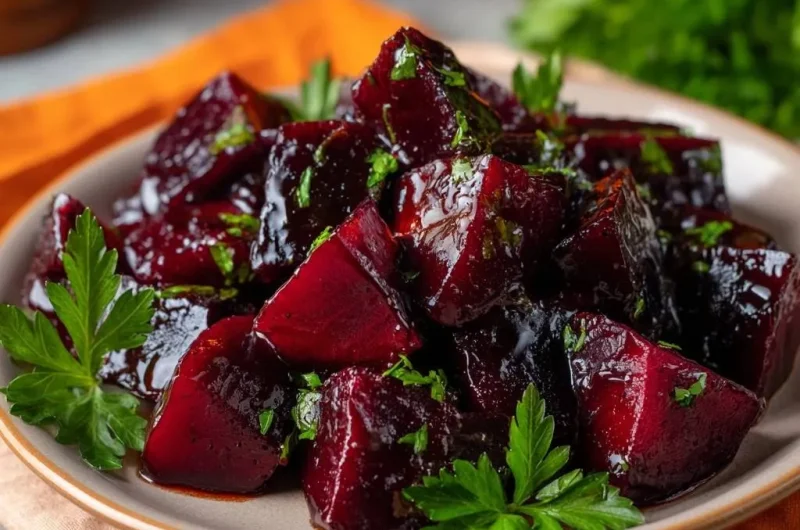
Balsamic Glazed Beets
Course: Side DishCuisine: AmericanDifficulty: medium6
servings15
minutes1
hour120
kcal75
MinutesSay goodbye to red-stained hands and cutting boards. This foolproof method roasts beets whole in foil so skins slip right off effortlessly, no raw peeling required. Cube them post-roast and hit with a quick balsamic glaze for that irresistible shine and tender bite.
Ingredients
6 medium beets (about 2 pounds), scrubbed and trimmed
1/4 cup balsamic vinegar
2 tablespoons olive oil
1 tablespoon honey
1/2 teaspoon salt
1/4 teaspoon black pepper
1/4 cup chopped fresh parsley
Directions
- Preheat oven to 400 degrees F. Wrap each beet individually in aluminum foil, sealing tightly. Place on a baking sheet and roast for 45 to 60 minutes until a fork pierces easily through the foil. This whole-beet foil method steams and roasts simultaneously, making skins blister and loosen without any raw handling or staining mess.
- Let beets cool in foil for 10 minutes. Unwrap one by one and hold with a paper towel, rubbing gently; skins will slip off cleanly into the foil with zero hand contact or red residue. Trim any stubborn bits with a paper towel.
- Cut peeled beets into 1-inch cubes.
- In a large skillet over medium heat, combine balsamic vinegar, olive oil, honey, salt, and pepper. Bring to a simmer, stirring until slightly thickened, about 3 minutes.
- Add beet cubes to the skillet. Toss to coat evenly and cook 2 to 3 minutes, stirring occasionally, until glaze clings shiny and thick. Remove from heat.
- Transfer to a serving plate and sprinkle with chopped fresh parsley. Serve warm or at room temperature. Perfect side for any meal!
Notes
- Perfect side for any meal! Serve warm or at room temperature. The foil method steams and roasts simultaneously, making skins blister and loosen without any raw handling or staining mess.