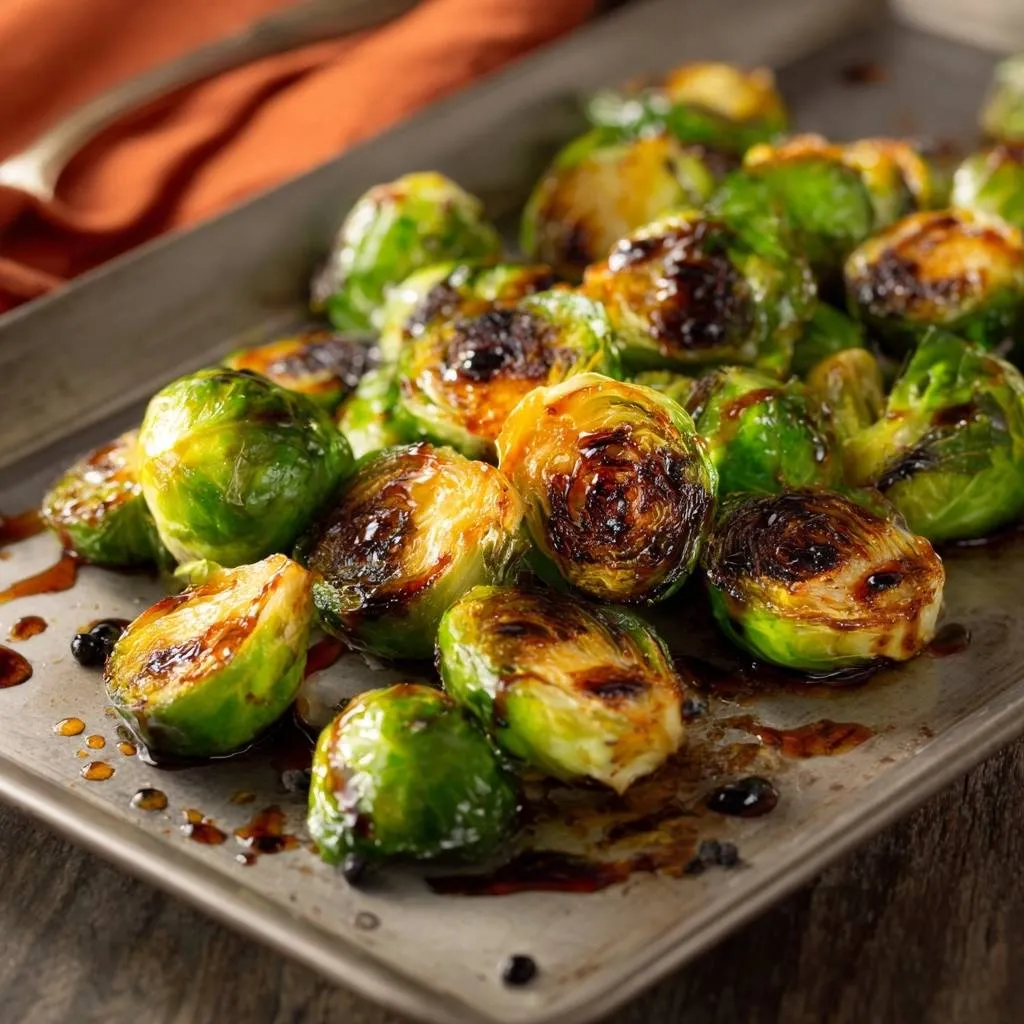
Why Brussels Sprouts Deserve Balsamic Roasting
Picture this: Brussels sprouts with crispy, charred edges that snap under your teeth, giving way to tender, caramelized centers. No more mushy disasters that make you push your plate away. This high-heat roast turns the humble sprout into a side dish you’ll crave.
So why does this method work wonders? Fresh sprouts hit the oven bone-dry, so they crisp instead of steam. In addition, balsamic vinegar reduces into a tangy-sweet glaze that clings perfectly. You’ll get that glossy finish without sogginess every time.
The real game-changer? Patting them completely dry before tossing. Therefore, moisture can’t sabotage the Maillard reaction for those irresistible browned bits. This recipe serves 4-6, preps in 10 minutes, cooks in 25, and clocks in at 120 calories per serving.
Key Ingredients for Crispy Balsamic Glazed Roasted Brussels Sprouts
Fresh Brussels sprouts form the star of this dish. You need 1 1/2 pounds, trimmed tight. Firm, vibrant green ones roast best because they hold their shape and neutralize bitterness through high heat.
Next, 3 tablespoons of olive oil conducts heat evenly for charring. It creates a barrier that crisps the exteriors while keeping insides juicy. Choose a good extra-virgin for the best flavor transfer.
Two tablespoons balsamic vinegar brings tangy sweetness. Aged varieties reduce thicker, forming a glossy glaze as sugars caramelize. However, even basic ones work if you roast hot enough to concentrate them.
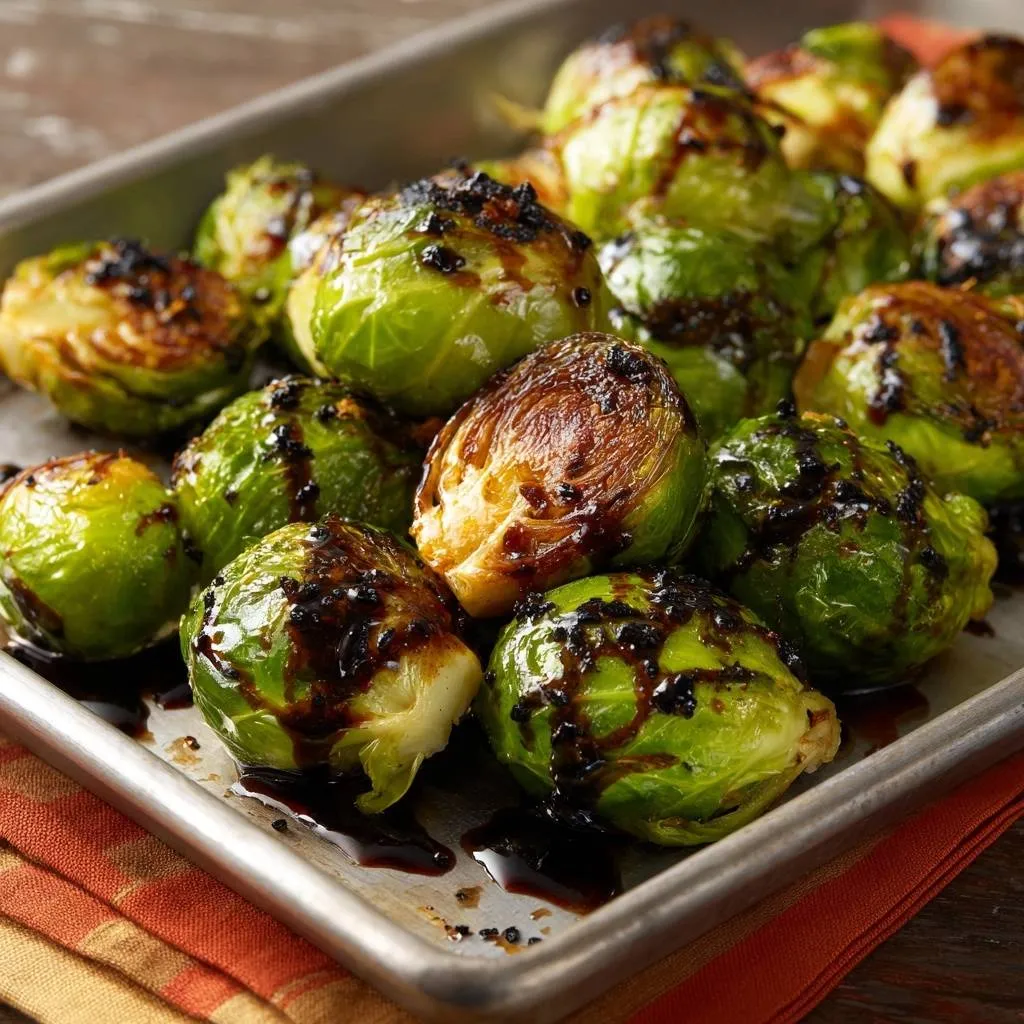
One teaspoon salt draws out moisture during roasting, and 1/2 teaspoon black pepper adds a sharp bite. Use kosher salt for even distribution. Freshness in all ingredients prevents any bitter aftertaste.
Selecting Perfect Brussels Sprouts
Pick bite-sized sprouts, about 1-1.5 inches across, for even cooking. Vibrant green color signals freshness, while yellowed or soft ones harbor excess sulfur compounds that taste bitter. Roasting at high heat breaks those down into nutty sweetness. Therefore, always inspect at the store and avoid anything larger than a golf ball.
Balsamic Vinegar Grades Explained
Traditional DOP balsamic flows thick and syrupy, perfect for a clingy glaze that doesn’t sog. Supermarket versions are thinner but still shine when reduced in the oven. Thicker viscosity means better coverage and less pooling. Taste a drop straight; authentic ones balance sweet and sharp without harsh acidity.
Equipment Essentials for Roasted Brussels Sprouts Success
A rimmed metal baking sheet is non-negotiable for direct charring. It handles high heat without warping. Skip parchment; it traps steam and softens your sprouts.
Preheat your oven to exactly 425°F with a thermometer for accuracy. In addition, grab paper towels for drying, a large bowl for tossing, and tongs for flipping. Avoid dark or non-stick pans; they absorb heat unevenly and burn edges too fast.
Budget tip: A $15 half-sheet pan from any big box store works great. Clean it promptly after use to prevent balsamic stains. These tools ensure pro-level results every time.
Science of Crispy Balsamic Glazed Roasted Brussels Sprouts
High heat at 425°F triggers the Maillard reaction, where amino acids and sugars brown for nutty, charred edges. Dry-patting removes surface water first, so sprouts hit 300°F+ quickly instead of boiling at 212°F.
Balsamic’s acidity tenderizes tough fibers while its sugars caramelize into glaze. Therefore, single-layer spacing allows hot air to circulate evenly. No overcrowding means consistent crispiness across the pan.
For another easy way to use that sweet and tangy glaze, try this balsamic glazed chicken.
Heat transfers fast through metal to the sprouts’ cut sides. In addition, flipping redistributes glaze. This combo transforms watery veggies into crispy gems in under 30 minutes.
Moisture Removal for Maximum Crisp
Pat dry after washing; paper towels absorb 20-30% excess water. Wet sprouts steam and stay pale, but dry ones crisp with golden edges. You’ll smell the difference as they sizzle right away.
High-Heat Roasting Chemistry
425°F is the sweet spot: lower temps steam, higher risks burning. Balsamic evaporates and thickens, concentrating flavors. Watch closely in the last minutes for perfect char without overdoing it.
Step-by-Step: Roasting Balsamic Glazed Roasted Brussels Sprouts
Start with preheating to 425°F on a rimmed metal sheet. Trim tough ends from 1 1/2 pounds sprouts, then pat bone-dry. This step prevents steaming for crispy results.
Prep and Dry: Foundation for Crispiness
Preheat your oven first so it’s screaming hot. Slice off just the stem ends and peel any loose leaves. Pat vigorously with paper towels until no moisture remains; this takes 2 minutes but guarantees crunch.
Toss in Balsamic Glaze Coating
In a large bowl, combine sprouts with 3 tablespoons olive oil, 2 tablespoons balsamic, 1 teaspoon salt, and 1/2 teaspoon pepper. Toss until evenly coated but not dripping. The vinegar starts tenderizing right away.
Single-Layer Sheet Pan Arrangement
Spread in a single layer with space between each sprout. Airflow ensures even browning. If they touch, they’ll steam instead of crisp.
Roast, Flip, and Char Perfectly
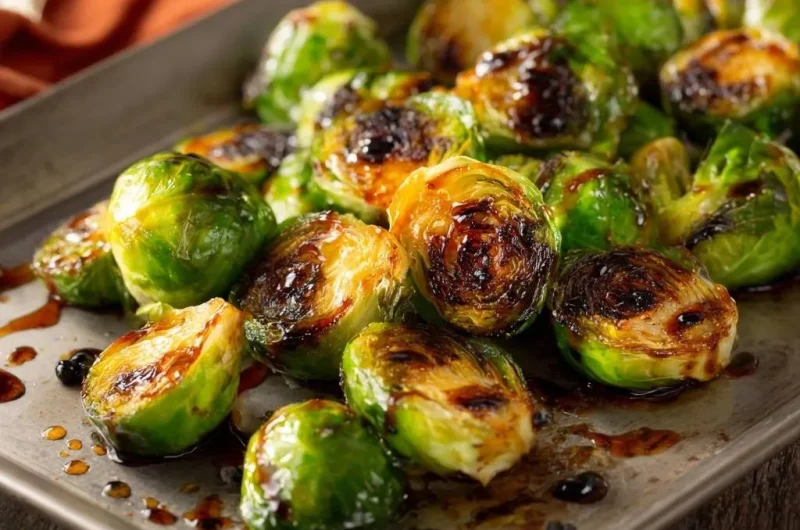
Roast 20-25 minutes, shaking and flipping at 12 minutes with tongs. Look for charred edges and shiny glaze. Pull them early if browning fast in the last 5 minutes.
Avoiding Mushy Roasted Brussels Sprouts Pitfalls
Overcrowding drops pan temperature, trapping steam. Use two sheets if needed. Always pat dry; wet sprouts turn mushy no matter the heat.
Low oven temps soften instead of crisp, so calibrate your thermometer. Over-tossing breaks down glaze. For burning, keep the rack in the middle and rotate the pan halfway.
Soggy balsamic? It means too much liquid; next time use less vinegar. Pro fix: thicken leftovers on the stovetop over medium heat for 2 minutes.
Overcrowding and Steaming Trap
Crowded pans release moisture that steams everything soft. Space them out or use multiple pans. You’ll see the difference: spaced sprouts char beautifully while crowded ones pale out.
Glaze Balance for Non-Soggy Finish
Stick to 2 tablespoons vinegar; more dilutes crispiness. If it’s pooling post-roast, stir in a pinch of cornstarch slurry on the stove. This thickens it fast without altering flavor.
Flavor Twists on Balsamic Glazed Roasted Brussels Sprouts
Sprinkle garlic powder and parmesan before roasting for savory umami that melts into the char. Post-roast, toss with pomegranate seeds for juicy tart pops.
Add toasted pecans for buttery crunch that complements the glaze. Lemon zest brightens with citrus zing; grate it fresh right after roasting.
Drizzle maple syrup in the toss for extra caramel notes. Spice lovers, add chili flakes for heat. All keep it vegan and low-carb friendly.
Perfect Pairings for Balsamic Roasted Brussels Sprouts
Grilled salmon loves the tangy contrast against its richness. Herb-roasted chicken gets an umami boost from the charred edges.
Pair with steak for earthy depth. Quinoa bowls gain texture, and it shines beside holiday turkey. Serve 1 cup per person as a 4-portion side.
Storage and Reheating Roasted Brussels Sprouts
Store leftovers in an airtight container in the fridge for up to 4 days. Don’t stack; spread them out to stay crisp. For freezing, flash-freeze on a sheet first, then bag for 2 months.
Reheat at 400°F for 10 minutes to revive crispiness. Skip the microwave; it steams them soggy. Meal prep tip: Roast on Sunday and portion for lunches all week.
Frequently Asked Questions on Balsamic Glazed Roasted Brussels Sprouts
Can I Use Frozen Brussels Sprouts?
No, frozen ones release too much water and steam instead of crisping. Thaw completely, pat extra dry, and roast fresh for best char. Fresh firm sprouts deliver superior texture and flavor every time.
How to Make Extra Crispy Edges?
Pat bone-dry, use high 425°F heat, and broil for 1-2 minutes at the end. Ensure single layer with no overlap. This maximizes Maillard browning for shatteringly crisp results.
Vegan and Gluten-Free Confirmed?
Yes, all five ingredients are naturally vegan and gluten-free. No animal products or wheat involved. It’s perfect for dietary needs without any swaps required.
Scaling for Larger Crowds?
Double ingredients for 8-12 servings, but use two sheet pans to avoid overcrowding. Roast time stays the same at 20-25 minutes. Toss separately for even coating.
Why Metal Sheet, No Parchment?
Metal conducts heat directly for charring cut sides. Parchment insulates and steams, leading to mush. Rimmed edges catch balsamic drips, keeping your oven clean.
Roasted Brussels Sprouts
Course: Side DishCuisine: AmericanDifficulty: easy4
servings10
minutes25
minutes150
kcal35
MinutesTired of soggy Brussels sprouts? Pat them bone-dry, toss with olive oil and balsamic, and roast at high heat in a single layer for crispy edges and tender centers.
Ingredients
1 1/2 pounds fresh Brussels sprouts, trimmed
3 tablespoons olive oil
2 tablespoons balsamic vinegar
1 teaspoon salt
1/2 teaspoon black pepper
Directions
- Preheat oven to 425 degrees F. Use a rimmed metal baking sheet (no parchment for direct charring).
- Trim tough ends from Brussels sprouts. Pat them completely dry with paper towels. This crucial step removes surface moisture so they crisp up instead of steam and turn mushy.
- In a large bowl, toss dried Brussels sprouts with olive oil, balsamic vinegar, salt, and pepper until evenly coated but not drenched.
- Spread in a single layer on the baking sheet. Avoid overcrowding for maximum crispiness.
- Roast for 20 to 25 minutes, shaking the pan and flipping halfway through. Edges will char beautifully while centers stay tender. Watch the last 5 minutes to prevent burning.
- Remove from oven and serve hot directly from the tray. The balsamic reduces into a glossy glaze that locks in flavor without sogginess. Enjoy your foolproof side!
Notes
- Use a rimmed metal baking sheet without parchment for direct charring. Pat sprouts completely dry to avoid steaming. Shake and flip halfway for even crispiness.