You know the moment: biting into a homemade stir-fry only to find the chicken tough, dry, and lacking that signature silky texture of takeout. That disappointment ends today.
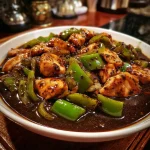
This exceptional Black Pepper Chicken Stir-Fry recipe is centered on the secret Chinese restaurant technique of velveting, ensuring impossibly tender chicken every single time, perfectly coated in a bold, glossy pepper sauce.
For more tender bites, explore how spicy garlic chicken from another recipe achieves a similar texture.
Stop the Dry Chicken Disappointment: The Velveting Difference
Velveting is the non-negotiable technique that separates good stir-fries from great ones. It involves coating the meat in a mixture of cornstarch, egg white, and a little oil before cooking.
For more tender poultry, explore how garlic ginger chicken and broccoli uses velveting.
This coating creates a protective, insulating layer that locks in the chicken’s natural moisture when exposed to high heat. The result is a texture that is dramatically soft, silken, and never tough or dry-the hallmark of authentic Cantonese-style cooking.
The Flavor Foundation: Ingredients Breakdown
Mastering the Chicken Velveting Marinade
The velveting marinade is a critical component for achieving that signature tender texture.
- Cornstarch: This forms the essential protective barrier and contributes to the silky mouthfeel. It keeps the surface hydrated during the flash-fry.
- Egg White: Acts as a tenderizer and binder, helping the starch adhere tightly to the meat. It slightly firms the exterior while keeping the interior moist.
- Oil: A touch of cooking oil seals the moisture, creating a final barrier before the chicken hits the wok.
Building a Bold, Complex Black Pepper Sauce
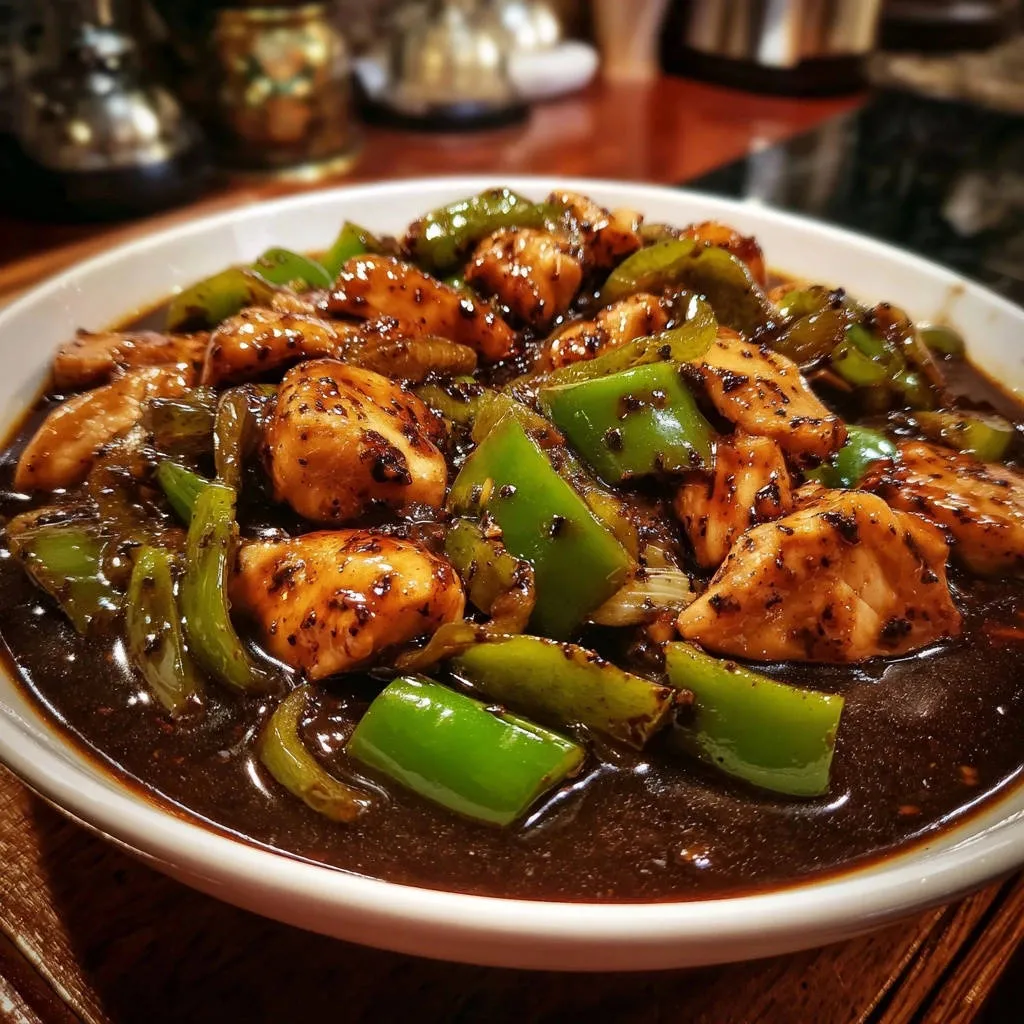
The success of this Black Pepper Chicken Stir-Fry lies in a balanced sauce that holds up to the massive amount of pepper.
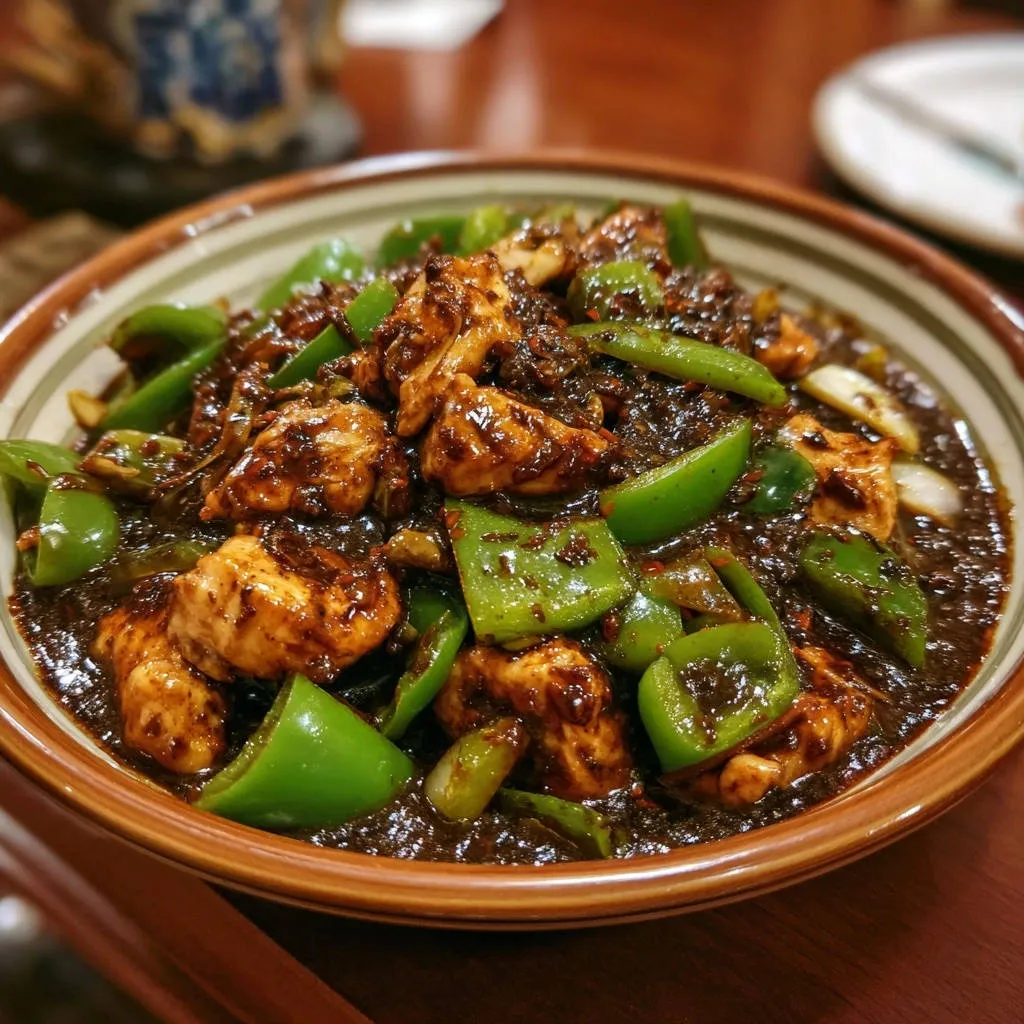
- Dark Soy Sauce: Used primarily for deep color and rich, savory notes, not just salt. It gives the dish its beautiful mahogany hue.
- Oyster Sauce Substitute: This provides necessary umami depth and a savory sweetness. A good vegetarian stir-fry sauce works perfectly for those avoiding shellfish.
- Coarse Ground Black Pepper: We use a full 1/4 cup. Coarse pepper is crucial-it provides texture and a robust, sustained heat that defines the dish, unlike the quick burn of fine pepper.
Selecting and Prepping the Aromatics and Vegetables
Quality ingredients and precision prep ensure every bite is perfect.
Freshly minced garlic and grated ginger are indispensable for building an aromatic base quickly in the wok. Pre-minced jars simply do not offer the same intensity.
We use green bell peppers for their slight bitterness and vibrant color. They must be chopped into uniform 1-inch pieces to ensure they reach the desired crisp-tender texture simultaneously with the onion.
Essential Equipment for High-Heat Stir-Frying
Wok vs. Skillet: Achieving Maximum Heat
High heat is the foundational requirement for an authentic stir-fry; it ensures the ingredients steam less and caramelize more.
A carbon steel wok is the professional choice, designed to distribute heat rapidly and maintain extremely high temperatures, which helps achieve the smoky “Wok Hei.”
If a wok isn’t available, a large, heavy-bottomed cast iron skillet is the best substitute. Its ability to retain high heat is superior to thin stainless steel pans.
Why Precision Cutting Matters
Uniformity in cutting is critical for even cooking and presentation.
Ensure the chicken and all vegetables are cut into roughly 1-inch pieces. This allows the chicken to cook consistently in Step 3 and guarantees the peppers and onions achieve the perfect crisp-tender bite together in Step 4.
Crafting Perfection: A Detailed Guide to Black Pepper Chicken Stir-Fry
These detailed steps transform the raw ingredients into a restaurant-quality meal.
Step 1: The Critical Velveting Rest and Coating
Step 2: Preparing the Sauce Base and Slurry
Step 3: Quick-Frying the Velveted Chicken (The 80% Rule)
Step 4: Achieving Crisp-Tender Vegetables
Step 5: Combining, Boiling, and The Perfect Thickening
Step 6: The Final Toss and Completion
Combine the cubed chicken with soy sauce, oil, egg white, and cornstarch. Use your hands to work the marinade thoroughly into the chicken pieces.
You must continue mixing until a visibly tacky, slightly sticky coating forms around the meat. Allow the chicken to rest for a full 15 minutes; this sets the coating, maximizing its protective ability.
Whisk together all main sauce ingredients-the soy sauces, oyster sauce substitute, sugar, broth, and the coarse black pepper-in a small bowl. The pepper will not fully dissolve; this is intended.
Separately, prepare the cornstarch slurry by thoroughly mixing the remaining cornstarch and water. Keep these two mixtures distinct, as the slurry is only added at the very end for thickening.
Heat 1 tablespoon of oil over maximum heat until it is shimmering and just starting to smoke. Add the chicken in a single, non-crowded layer (cook in batches if necessary).
Flash-fry the pieces for just 2 to 3 minutes, flipping once, until they are opaque white and slightly golden on the edges. Crucially, remove them immediately; they should be only about 80% cooked, preventing them from drying out later.
Add the remaining oil to the hot wok. Immediately add the chopped onion and green bell peppers, stir-frying constantly for exactly 2 minutes over high heat.
The peppers should still be bright green and have a crisp bite. Next, quickly add the minced garlic and grated ginger, cooking for only 30 seconds until intensely fragrant. This brief cooking time avoids burning the aromatics.
Pour the entire prepared black pepper sauce mixture (from Step 2) into the wok with the vegetables. Bring the sauce to a rapid, rolling boil.
Stir the cornstarch slurry one last time to re-suspend the starch, then slowly pour it into the actively boiling sauce while stirring vigorously. The sauce will thicken instantly and become beautifully glossy.
Return the partially cooked, velveted chicken pieces to the wok. Toss vigorously to ensure every piece of chicken and every pepper is fully coated in the glossy sauce.
Cook for the final 1 to 2 minutes, allowing the chicken to finish cooking through while absorbing the flavor. Serve this incredible Black Pepper Chicken Stir-Fry immediately over hot rice.
Chef’s Secrets: Elevate Your Stir-Fry Game
The Quality of Your Black Pepper is Non-Negotiable
Do not substitute fine, powdery black pepper for coarse ground pepper in this recipe.
Coarse ground pepper provides a necessary textural component and releases its spicy, complex flavor slowly under high heat, giving the dish depth. Finely ground pepper burns easily and delivers only a shallow, immediate heat.
High Heat is Your Friend (But Don’t Burn It)
The goal is to cook fast and hot to achieve “Wok Hei,” or the smoky flavor imparted by a properly seasoned hot wok.
To maintain high heat without burning, ensure your oil is shimmering before adding ingredients, and never crowd the pan. If your wok temperature drops significantly after adding ingredients, you must cook in batches.
Customizing the Heat: Adjusting the Black Pepper Ratio
The 1/4 cup of coarse pepper provides a robust, medium-high heat level that is characteristic of this classic dish.
For a milder flavor, reduce the pepper to 3 tablespoons, but do not drop below 2 tablespoons, or the dish loses its core identity. If you crave intense heat, increase it to 1/3 cup, but ensure your pepper is freshly ground for the best aroma.
Troubleshooting Common Stir-Fry Mistakes
Why is my sauce pooling at the bottom and not clinging to the chicken?
This is usually due to an insufficient or improperly activated cornstarch slurry.
Ensure your slurry is mixed thoroughly just before adding, and that the sauce is at a rapid, rolling boil when the slurry goes in. If the sauce isn’t boiling, the starch won’t gelatinize fully, and it will thin out immediately.
My velveted chicken still turned out dry or rubbery.
The most common culprit is overcooking the chicken during Step 3.
Remember the 80% rule: the chicken must be removed when opaque but not fully cooked. Overcrowding the wok also causes the temperature to drop, forcing the chicken to steam instead of sear, which results in a rubbery texture.
The vegetables went soggy instead of crisp-tender.
Soggy vegetables result from insufficient heat or excess moisture in the pan.
Make sure your wok is screaming hot before adding vegetables. Also, ensure your peppers and onions are dry before cutting and that you are actively stir-frying for the entire 2 minutes.
Make Ahead, Storage, and Perfect Pairings
Best Ways to Store and Reheat Leftovers
Cool any leftover Black Pepper Chicken Stir-Fry quickly and store in an airtight container for up to three days.
The best way to reheat is in a skillet over medium-high heat for 3 to 5 minutes. This flash-reheating maintains the structure of the peppers and keeps the chicken tender, whereas a microwave can quickly dry it out.
Dietary Modifications: Making it Gluten-Free or Vegetarian
Achieving a gluten-free version is simple by substituting low-sodium soy sauce with tamari or coconut aminos.
Ensure you are using a certified gluten-free oyster sauce substitute or a vegetarian stir-fry sauce. Most commercial cornstarch is naturally gluten-free.
The Ultimate Side Dishes to Serve with Black Pepper Chicken
The intense, spicy-savory flavor of this stir-fry pairs wonderfully with simple sides.
More Ideas to Savor
To complement your Black Pepper Chicken Stir-Fry, consider these dishes that share similar comforting qualities.
- For a warm starter, try this Red Lentil Soup, offering a smooth texture that pairs well with the chicken.
- Round out your meal with Creamy Spiced Potatoes, a flavorful dish that echoes the savory notes in the stir-fry.
Steamed jasmine rice is the classic choice, soaking up the glossy black pepper sauce beautifully. For added complexity, serve with light and flaky scallion pancakes or a cooling cucumber and sesame salad to balance the heat.
Frequently Asked Questions About Black Pepper Stir-Fries
What is the best type of chicken cut to use for velveting?
While chicken breast (the classic choice) works perfectly when velveted, chicken thighs are naturally more forgiving.
Chicken thighs contain more fat, making them less likely to dry out if you accidentally overcook them slightly during the quick-fry process.
Can I substitute pre-ground black pepper for coarse pepper?
Substitution is not recommended for an authentic Black Pepper Chicken Stir-Fry experience.
Coarse pepper provides a crucial pop of heat and texture that finely ground pepper cannot replicate. If you must substitute, use 2-3 tablespoons of coarsely cracked peppercorns instead.
Do I have to use an egg white in the marinade?
The egg white significantly aids in achieving the silky texture, but you can omit it if necessary.
If omitting the egg white, some chefs use a pinch of baking soda mixed into the marinade as a tenderizer, although this yields a slightly different result than the traditional egg white method.
Ready to Impress? Share Your Stir-Fry Success!
Once you implement the velveting secret and master the high-heat cooking principles outlined here, you will never return to dry, rubbery chicken.
This method transforms the simple Black Pepper Chicken Stir-Fry into a dish worthy of any high-end restaurant. Try this recipe tonight and experience the true joy of perfectly textured, flavor-packed takeout quality at home.
Black Pepper Chicken
Course: Main CourseCuisine: ChineseDifficulty: easy4
servings20
minutes12
minutes350
kcal32
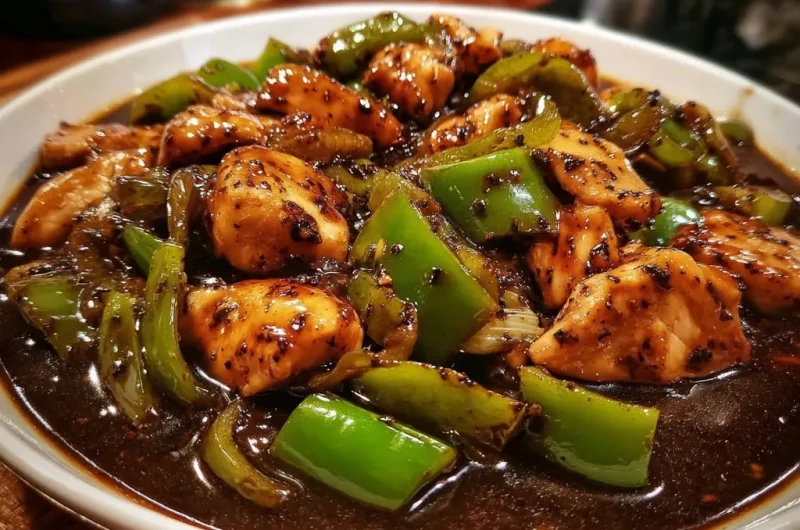
minutesStop serving tough stir-fry chicken! This recipe uses the restaurant secret—velveting—to ensure every bite is impossibly silky and tender. Tossed in a glossy, savory black pepper sauce with crisp bell peppers, this is better than takeout.
Ingredients
For the Chicken Velveting Marinade:
1 pound chicken breast or thighs, cut into 1-inch cubes
1 teaspoon low sodium soy sauce
1 teaspoon cooking oil (like canola or vegetable)
1 large egg white
1 tablespoon cornstarch
For the Sauce:
2 tablespoons dark soy sauce (or regular soy sauce plus 1 tsp brown sugar for color)
1 tablespoon regular low sodium soy sauce
1 tablespoon oyster sauce substitute (or vegetarian stir-fry sauce)
1 teaspoon white sugar
1 cup water or low sodium chicken broth
1/4 cup coarse ground black pepper
1 teaspoon cornstarch, mixed with 2 tablespoons water (for slurry)
For the Stir-fry:
2 tablespoons cooking oil, divided
3 cloves garlic, minced
1/2 yellow onion, coarsely chopped
2 large green bell peppers, chopped into 1-inch pieces
1 teaspoon grated ginger
Directions
- Prepare and Velvet the Chicken: In a medium bowl, combine the cubed chicken, 1 teaspoon soy sauce, 1 teaspoon oil, egg white, and 1 tablespoon cornstarch. Use your hands to thoroughly coat the chicken until a light, tacky coating forms. This coating protects the chicken during high heat cooking. Set aside for 15 minutes.
- Mix the Sauce: While the chicken marinates, whisk together all sauce ingredients (dark soy sauce, regular soy sauce, oyster sauce substitute, sugar, water/broth, and the 1/4 cup coarse black pepper) in a small bowl. Set the cornstarch slurry aside for thickening later.
- Cook the Chicken (The Silky Secret): Heat 1 tablespoon of cooking oil in a large wok or skillet over high heat until shimmering. Add the velveted chicken in a single layer, ensuring not to overcrowd the pan (cook in batches if necessary). Fry the chicken pieces for 2 to 3 minutes, flipping once, until they are opaque white and slightly browned on the edges. Do not fully cook them through; they should be about 80 percent done. Remove the chicken immediately and set aside.
- Stir-fry the Vegetables: Add the remaining 1 tablespoon of oil to the wok. Add the chopped onion and green bell peppers. Stir-fry over high heat for 2 minutes until the peppers are crisp tender (still bright green, not mushy). Add the minced garlic and grated ginger and stir-fry for 30 seconds until fragrant.
- Combine and Thicken: Pour the prepared Black Pepper Sauce mixture into the wok with the vegetables. Bring the sauce to a rapid boil. Stir the cornstarch slurry quickly and pour it slowly into the boiling sauce while stirring constantly. The sauce should immediately thicken and become glossy.
- Finish the Dish: Return the partially cooked, velveted chicken pieces to the wok. Toss vigorously to coat the chicken and peppers completely in the glossy black pepper sauce. Cook for 1 to 2 minutes until the chicken is fully heated through and cooked to a safe internal temperature. Serve immediately over rice.
Notes
- Do not overcrowd the wok when cooking the velveted chicken. Cook in batches for best texture.