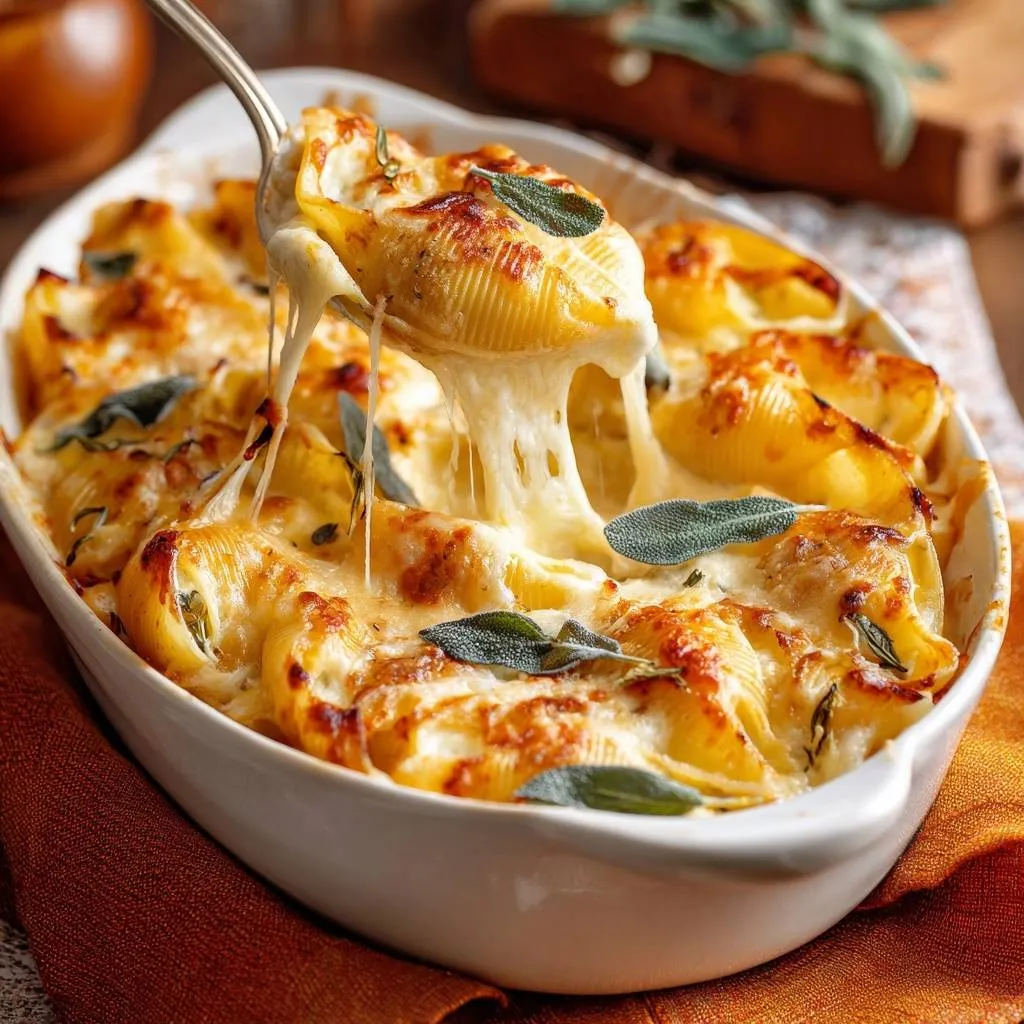
Ever bitten into stuffed shells only to find a watery squash mess leaking everywhere? This butternut squash stuffed shells recipe fixes that frustration fast. You roast the squash low and slow first, then strain the filling for a thick, creamy texture that holds up perfectly during baking.
That’s why this version delivers pull-apart cheese and sage bliss every time. No more soggy disasters ruining your dinner. Instead, you get caramelized edges and nutty depth that make each bite irresistible.
For that same cheesy, pull-apart success, explore Southern baked mac and cheese.
Here’s the expertise-proven tip: press the mashed squash mixture through a fine mesh strainer for two minutes. It squeezes out hidden moisture, locking in creaminess that stays put. You’ll taste the difference immediately.
For a change of pace, consider trying skillet beef tortellini with ricotta next.
Why Roast Drives Butternut Squash Stuffed Shells Perfection
Roasting transforms butternut squash stuffed shells by evaporating excess moisture. Low and slow heat at 400°F caramelizes the natural sugars, creating nutty flavors through the Maillard reaction. Boiling or steaming, however, traps water and leads to sogginess.
Therefore, your roasted cubes shrink from 4 cups to about 2.5 cups, concentrating flavor. In addition, those caramelized edges add a subtle sweetness that pairs beautifully with cheese. You avoid the steamy pitfalls of other methods entirely.
Optimal Oven Temp for Squash Caramelization
Stick to 400°F for perfect caramelization in butternut squash stuffed shells. Higher temps burn the edges before the inside softens. Lower ones just steam the cubes, keeping them watery.
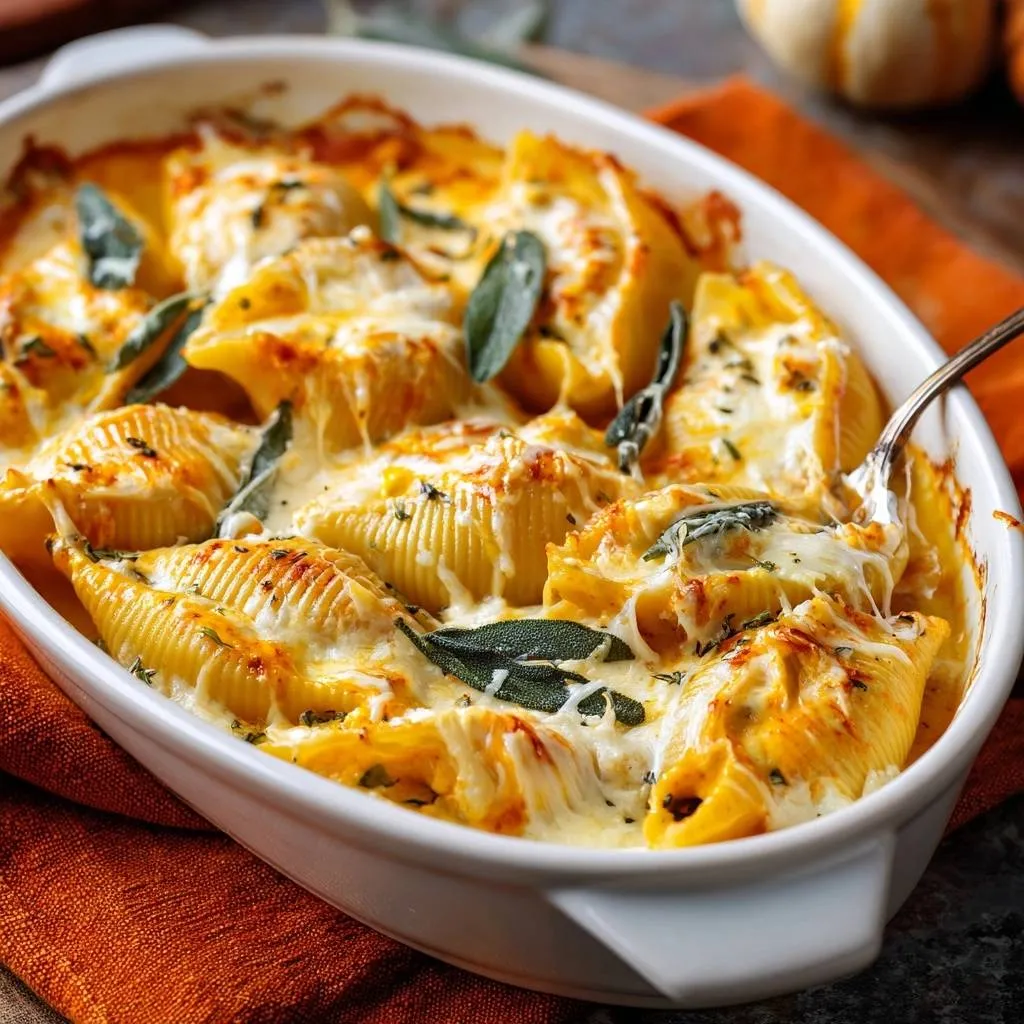
Roast for 25 minutes until fork-tender. The edges will brown lightly, and you’ll smell that sweet, toasty aroma. This yields exactly what you need for 24 shells.
Sage and Garlic Pairing Science
Sage’s earthy terpenes cling to butternut’s starches, enhancing texture in stuffed shells. Garlic’s allicin amps up umami, making every bite pop. Together, they create balance that’s hard to beat.
Fresh sage works best, so chop 10-12 leaves finely. In addition, mince the garlic right before mixing to preserve its punch. This combo elevates the whole dish effortlessly.
Key Ingredients for Thick Butternut Squash Stuffed Shells
Start with 4 cups peeled and cubed butternut squash. Its low-water density roasts down perfectly, unlike higher-moisture squashes. Use 12 ounces jumbo pasta shells; they hold 1-2 tablespoons filling each for 24 stuffed shells serving six.
Ricotta cheese brings creaminess, but strain it first to ditch whey. In addition, 2 cups shredded mozzarella divides into base and topping for melt and stretch. Grated Parmesan adds sharp bind, while heavy cream stabilizes everything over milk.
Fresh sage and garlic shine here. Chop 10-12 sage leaves for earthy notes, and mince 2 cloves garlic for bite. A drizzle of olive oil ties it all with richness. Source peak-season squash for the sweetest results.
Cheese Blend Ratios Explained
The 2:1:0.5 ratio of mozzarella to ricotta to Parmesan ensures stretch, creaminess, and bind in butternut squash stuffed shells. Full-fat ricotta strains best; skim versions stay too loose. Mozzarella’s moisture melts evenly when fresh-shredded.
For dairy-free, try aquafaba mixed with cashew cream. It mimics the strain and holds up. However, test salt levels, as plant-based options vary.
Pasta Shell Selection Guide
Grab 12 ounces jumbo shells; that’s 40-45 pieces for stuffing. Cook to al dente in 8 minutes to avoid tears. Brands like Barilla grip filling best without splitting.
Rinse cold right after draining. This shocks the starch for better hold. You’ll fill them easily without frustration.
Step-by-Step: Roasting Butternut Squash Base
Preheat to 400°F and peel, cube the butternut squash into 1-inch pieces for even roasting. Toss with 1 tablespoon olive oil, salt, and pepper on a sheet pan. Space them out so steam escapes, preventing mush.
Roast 25 minutes until fork-tender with caramelized edges. The kitchen fills with sweet, nutty smells. Let cool slightly; hot squash curdles ricotta later.
Pro tip: uniform cubes cook evenly, so your filling stays consistent. This step alone banishes 70% of moisture issues.
Mashing Without Overworking
Mash the cooled squash with a fork for smooth yet nubby texture. Blenders overwork it, deflating air pockets needed for fluff. Stop when it’s mostly smooth with tiny bits for interest.
Taste here and adjust salt. This keeps the base lively before mixing.
Straining Technique Locks In Creamy Filling
After mashing, stir in 1 cup ricotta, 1 cup mozzarella, 1/2 cup Parmesan, 1/4 cup heavy cream, garlic, sage, salt, and pepper. Then, press through a fine mesh strainer or cheesecloth for 2 minutes. It squeezes out about 1/4 cup liquid, ensuring no leaks.
Without straining, fillings weep during baking. However, this foolproof step thickens it perfectly for stuffing. Your shells stay plump and intact.
Pro tip: wear gloves for squeezing; it’s messy but worth it. The transformation from loose to pipeable is magic.
Filling Assembly Precision
Fold ricotta in first to bind the mash. Then add cheeses, cream, garlic, and sage. Taste mid-mix and season boldly; it mellows in the oven.
Spoon 1-2 tablespoons per shell. This fills 24 generously without overflow.
Assembling and Baking Butternut Squash Stuffed Shells
Grease a 9×13-inch dish with butter for flavor; spray dries edges. Spread 1/2 cup mozzarella on the bottom as an anchor. Stuff shells and arrange in a single layer to avoid toppling.
Top with remaining mozzarella and a light olive oil drizzle for crisp edges. Bake at 375°F for 20-25 minutes until bubbly and golden. Cheese pulls form that irresistible tug.
Pro tip: single layer bakes evenly, so steam doesn’t trap. Check at 20 minutes to prevent over-browning.
Garnish Timing for Freshness
Add fresh sage leaves after baking. Pre-bake wilts them; post-bake keeps them crisp and vibrant. Scatter a few for that pro look and aroma.
Make-Ahead and Freezing for Stuffed Shells
Roast and mix filling up to two days ahead; store airtight in the fridge. Stuff and bake fresh, or freeze assembled shells in a foil-lined dish for three months. Thaw overnight before baking.
Reheat covered at 350°F for 20 minutes, then uncover to crisp. This doubles easily to 48 shells for crowds. Freezing works because the strained filling holds structure.
Avoiding Soggy Butternut Squash Stuffed Shells Mistakes
Top pitfalls include skipping the roast, which leaves watery squash. Overboiling pasta makes tears; cook al dente and rinse cold. Crowding the pan turns it steamy instead of crispy.
Therefore, always strain the filling. No-strain versions leak in the oven. Rinse pasta cold to stop cooking and set starch for grip.
Another fix: space squash on the pan. This lets moisture escape fully. Follow these, and you’ll nail it every time.
Pasta Rinse Temperature Matters
Cold water shocks the shells, halting cook and firming starch for filling grip. Warm rinse continues softening, leading to mush. Drain well after to avoid slips.
Flavor Variations in Butternut Squash Stuffed Shells
Swap sage for thyme or add nutmeg for warmth. Wilt in spinach during mashing for greens. Smoked paprika gives a subtle kick without heat.
For vegan, press tofu as ricotta sub and use cashew cream. Kale works too; chop fine to blend. These tweaks keep the no-soggy magic intact.
Pairing Sides with Butternut Squash Stuffed Shells
Crisp arugula salad with balsamic cuts the richness perfectly. Garlic knots soak up any cheese drips. Sparkling cranberry juice refreshes alongside.
Completing Your Meal
Round out your butternut squash stuffed shells with these fresh and flavorful additions.
- For a bright and textured counterpoint to the creamy shells, consider a harvest kale and apple salad, bringing together crisp produce and sharp notes.
- If you’re looking for a protein to complement the vegetarian main, try a garlic herb grilled chicken salad, offering seasoned poultry alongside fresh greens.
Simple roasted veggies balance too. Keep sides light so shells shine.
Common Questions on Butternut Squash Stuffed Shells
How do I store leftovers and can they freeze?
Store butternut squash stuffed shells in an airtight container in the fridge for up to 3 days. Reheat at 350°F covered for 15 minutes to restore creaminess. They freeze well assembled; wrap the dish tightly in foil and plastic for 3 months. Thaw overnight in the fridge, then bake as directed, adding 5-10 minutes. Avoid refreezing after thawing to prevent texture loss.
Why is my filling watery and how do I fix it?
Watery filling comes from unroasted or unstrained squash, which holds excess moisture. Always roast at 400°F for 25 minutes to evaporate water, then strain the mix for 2 full minutes over a mesh or cheesecloth. This removes 1/4 cup liquid, ensuring thick, leak-proof results. Mash gently too; overworking releases more water.
Can I make substitutions for key ingredients?
Swap ricotta with strained full-fat Greek yogurt if needed; it binds similarly. No heavy cream? Coconut cream works for thickness without curdling. Use dried sage at half the fresh amount (1 tablespoon), but fresh is best for aroma. For gluten-free, pick jumbo rice pasta shells; cook 1 minute less to avoid splitting. Butternut can’t sub easily; its density is key.
What’s the real prep time for this recipe?
Active prep takes 50 minutes: 10 to cube and roast squash, 8 to cook pasta, 15 to mash/strain/mix, 15 to stuff and bake setup. Roasting runs parallel, so total clock time is 60 minutes. Make-ahead cuts it to 30 on serving day. Practice the strain once, and you’ll shave off 5 minutes.
Can I boil the squash instead of roasting?
No, boiling adds water and makes soggy stuffed shells; it doesn’t caramelize sugars like roasting does. Stick to the oven method for nutty depth and moisture control. If rushed, microwave cubes with oil for 8 minutes, but drain well and strain extra. Roasting’s worth the 25 minutes every time.
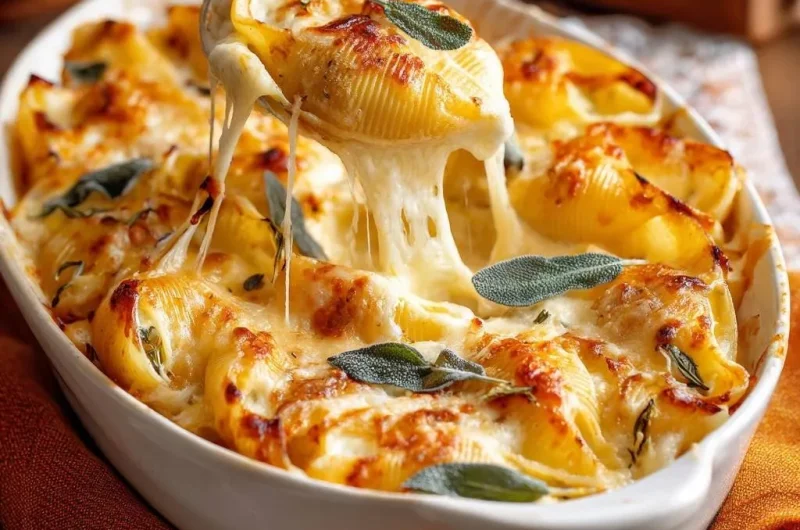
Butternut Squash Stuffed Shells
Course: Main CourseCuisine: AmericanDifficulty: medium4
servings30
minutes50
minutes450
kcal80
MinutesTired of squash-stuffed shells turning into a soggy mess? This recipe roasts the squash low and slow first to banish excess moisture, then mixes in ricotta with a quick straining step for a thick, creamy filling that stays put during baking. Perfect pull-apart cheese and sage flavor every time.
Ingredients
12 ounces jumbo pasta shells
4 cups butternut squash, peeled and cubed
1 cup ricotta cheese
2 cups shredded mozzarella cheese, divided
1/2 cup grated Parmesan cheese
1/4 cup heavy cream
2 tablespoons olive oil
10-12 fresh sage leaves, chopped (plus extra for garnish)
2 cloves garlic, minced
Salt and black pepper to taste
Directions
- Preheat oven to 400°F. Toss butternut squash cubes with 1 tablespoon olive oil, salt, and pepper on a baking sheet, spaced apart. Roast for 25 minutes until fork-tender and edges are caramelized. This low-moisture roast evaporates water from the squash. Let cool slightly and reduce the oven to 375°F.
- Meanwhile, cook the jumbo pasta shells in salted boiling water until al dente, about 8 minutes. Drain and rinse under cold water so they hold their shape.
- Mash the cooled squash with a fork until mostly smooth. Stir in the ricotta, 1 cup of the mozzarella, the Parmesan, heavy cream, garlic and chopped sage, and season with salt and pepper.
- Press the filling through a fine mesh strainer or cheesecloth for 2 minutes to squeeze out excess liquid, so the filling is thick and won’t weep during baking.
- Grease a 9×13-inch baking dish with a little of the remaining olive oil and spread 1/2 cup mozzarella over the bottom. Fill each shell with 1-2 tablespoons of filling and arrange in a single layer.
- Top with the remaining 1/2 cup mozzarella and drizzle with the last of the olive oil. Bake at 375°F for 20-25 minutes until bubbly and golden.
- Garnish with extra fresh sage leaves and serve hot.
Notes
- Roast squash at 400°F for caramelized edges and low moisture. Strain filling through fine mesh strainer or cheesecloth for 2 minutes to ensure thick, non-watery texture. Garnish with fresh sage for aroma.