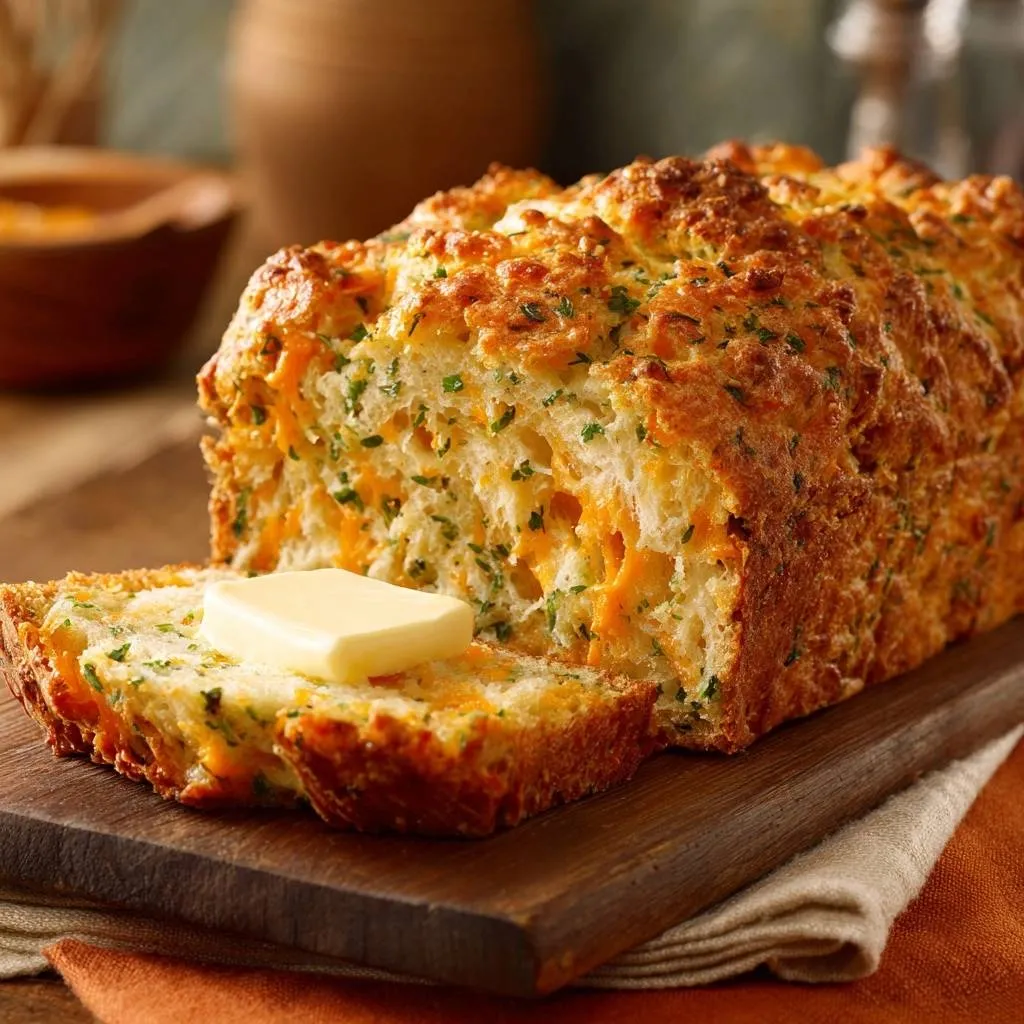
Ever pull apart a slice of cheddar herb bread only to find all the cheese sank to the bottom, leaving a dense, disappointing loaf? You don’t have to deal with that anymore. This recipe fixes it with a simple flour-coating trick on the cheese cubes that keeps them suspended perfectly throughout every fluffy, pull-apart bite.
That’s why this cheddar herb bread stands out. It delivers that craveable cheesy stretch and herbaceous pop in every mouthful, without the common baking fails. You’ll get a golden crust that cracks satisfyingly, with warm milk and butter making the crumb tender and rich.
The secret lies in tossing those sharp cheddar cubes with just 2 tablespoons of flour before folding them in. This creates a barrier that stops the melting cheese from dropping during the rise and bake. Trust me, one bite and you’ll taste the difference, all gooey and evenly distributed.
Core Building Blocks for Cheddar Herb Bread
Flour and Yeast Foundation
Start with 3 cups all-purpose flour because it builds the perfect structure for a light crumb. In addition, the packet of active dry yeast, that’s 2 1/4 teaspoons, wakes up beautifully with warm milk. You get gentle gluten development from just 2-3 minutes of kneading, keeping things airy.
However, don’t swap in bread flour here. It absorbs more water and makes a chewier loaf, which fights the tender pull-apart texture you want. Stick to all-purpose for foolproof results every time.
Warm Milk and Butter Activation
One cup of warm milk at exactly 110F blooms the yeast without killing it, so your dough rises strong. Meanwhile, 1/4 cup melted unsalted butter adds richness and keeps the crumb soft. The 2 tablespoons of sugar feed the yeast, and 1 teaspoon salt balances it all out.
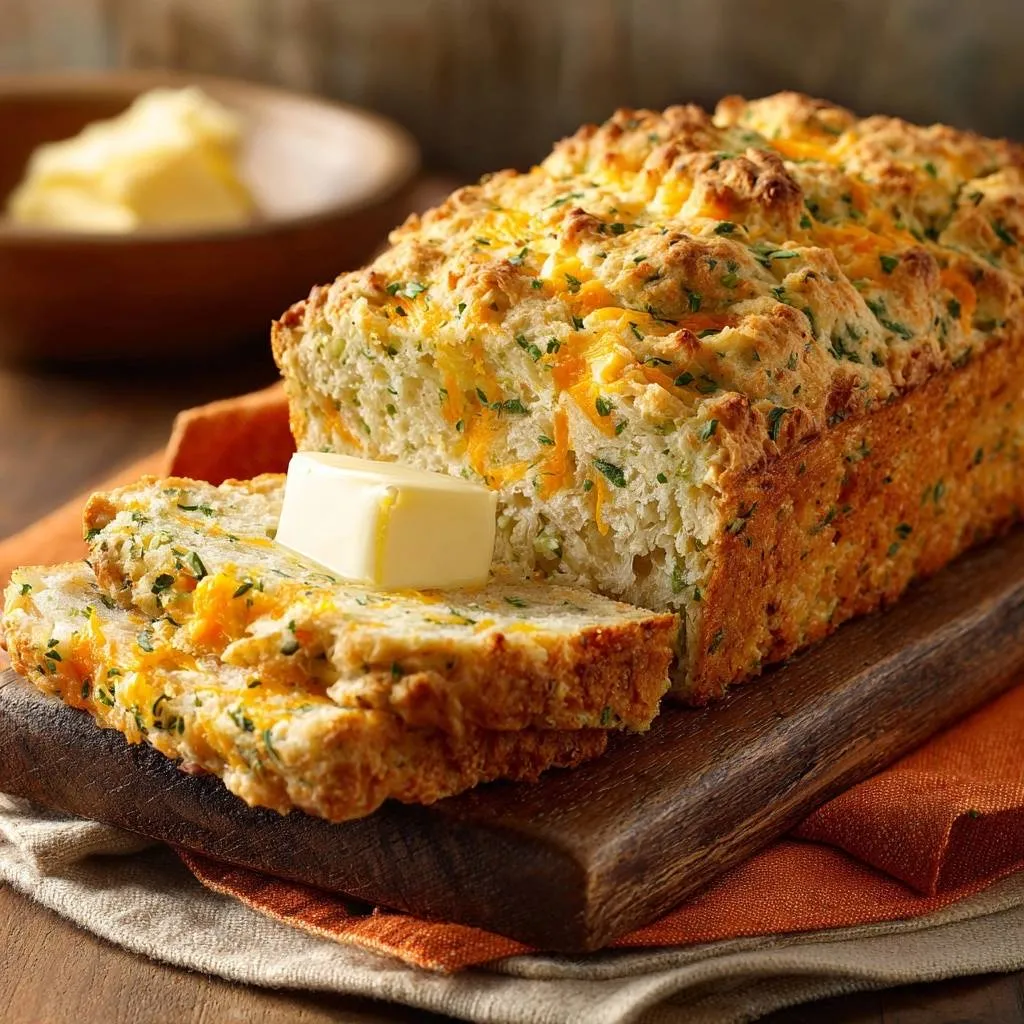
Therefore, grab a thermometer for the milk. Too hot above 120F murders the yeast, but this temp ensures steady fermentation. You’ll smell that yeasty goodness starting right away.
Sharp Cheddar Cubes Preparation
Cut 1 1/2 cups sharp cheddar into 1/2-inch cubes for even melting that cuts through the dough’s richness. Sharpness stands up best, giving bold flavor without overpowering the herbs. Plus, cubes hold shape better than shreds during mixing.
Shredded cheese releases fat too early and sinks fast. Therefore, the 2 tablespoons flour coating on these cubes acts as your anti-sinking shield. It locks them in place for perfect suspension.
Fresh Parsley and Finishing Touches
Chop 1/2 cup fresh parsley for bright, herbaceous zing that pairs perfectly with cheddar. Fresh beats dried because it keeps vibrant color and flavor, no musty aftertaste. Snip it fine so it distributes evenly.
In addition, brush the top with extra melted butter post-bake. It seals in moisture and gives that glossy, golden shine. Source parsley from a farmers market if you can for peak freshness.
Science of Suspending Cheese in Cheddar Herb Bread
Why Cheese Sinks in Herb Bread Loaves
Cheese sinks because its density drops when it melts, lower than the surrounding dough. During proofing and oven spring, that liquid fat migrates down, weighing the bottom into a dense mess. High hydration in yeasted breads makes it worse, as dough can’t hold the weight.
Therefore, home bakers end up with greasy bottoms and bland tops. I’ve seen loaves collapse completely from this. But understanding the physics lets you fix it every time.
Flour Coating Barrier Mechanics
The flour coating sticks starch to the cheddar cubes, forming a dry barrier that repels dough moisture. As the cheese melts, this layer absorbs fat and holds the pieces suspended in the crumb matrix. No migration means even cheesy bliss throughout.
In addition, during bake, oven spring expands the dough around the coated cubes perfectly. It’s like a hydrophobic shield at the molecular level. You’ll see the cheese peeking out golden, not pooled at the base.
Oven Dynamics for Even Bake
Preheat to 375F for the Maillard reaction that browns the crust while the interior hits 200F. Bake 35-40 minutes, and tap for a hollow sound, proving steam from the milk fueled the rise. This temp suspends cheese without overbaking.
For a similar satisfying crunch, discover the crispy garlic bread technique.
However, place the pan in the middle rack. It ensures even heat, preventing pale sides or burnt tops. Pro tip: tent with foil if browning too fast.
Step-by-Step: Crafting Fluffy Cheddar Herb Bread
Forming the Shaggy Dough Base
Whisk the 3 cups flour, yeast, sugar, and salt in a large bowl. Stir in warm milk and melted butter until shaggy. Knead gently 2-3 minutes till smooth, then cover in a warm 80-85F spot for 1 hour until doubled.
You’ll notice the dough smell sweet and yeasty as it rises. Don’t rush; that first proof builds flavor and air pockets for fluffiness.
Coating Cheese and Herbs Precisely
Punch down the dough, then toss cheddar cubes and parsley with 2 tablespoons flour until coated. Gently fold into dough with a spatula, max 5 strokes for even spread. This keeps air in, avoiding deflation.
Therefore, stop mixing when you see cheese dots everywhere. Overdoing it bursts bubbles and sinks your reward.
Shaping and Second Proof
Grease a 9×5-inch pan, shape the dough gently seam-side down. Cover and proof 20 minutes while oven preheats. It should puff slightly, not double, to prevent collapse.
Pro tip: if your kitchen’s cool, place near the oven vent for steady warmth. Smooth the top lightly for even baking.
Baking and Butter Brushing Finish
Bake 35-40 minutes till golden and 200F inside. Brush with extra melted butter right away for shine and flavor lock. Cool 10 minutes so slices hold shape without crumbling.
The butter soak makes the crust irresistible. Oh man, that first warm slice pulls apart like a dream.
For a taste of similar cheesy goodness, check out these ham and cheddar biscuits.
Avoiding Pitfalls in Cheddar Herb Bread
Overkneading and Dense Crumb Fixes
Overknead past 3 minutes, and gluten tightens, making tough crumb. Watch for dough pulling away clean from the bowl; that’s your stop. If underkneaded and sticky, add a sprinkle of flour and go 30 seconds more.
Therefore, use a timer. Gentle handling keeps it light and chewy where it counts.
Yeast Proofing Temperature Errors
Milk over 120F kills yeast, no rise at all. Too cold below 100F slows it forever. Microwave milk in 15-second bursts or warm gently on stovetop, checking with your finger, pleasantly warm not hot.
In addition, drafty spots stall proofing. Find a cozy corner for success.
Uneven Cheese Distribution Traps
Skip the flour coat, and cheese sinks or creates greasy pockets. Overfold more than 5 strokes deflates air, clumping everything. Check mid-mix for even cheese specks, adjust gently.
Visual cue: dough should look marbled, not streaked. Nail this for perfection.
Flavor Twists on Cheddar Herb Bread
Herb Swaps for Bold Profiles
Swap parsley for dill for tangy brightness or chives for oniony punch with cheddar. Rosemary, use half amount, adds piney depth but pairs sharp cheese best. Coat them with the flour too for suspension.
Therefore, taste your herbs first. Fresh ones elevate the loaf without overpowering.
Cheese Variations Without Sinking
Try gouda for creamy melt or pepper jack for spicy kick; always cube and flour-coat. Havarti softens smoothly but holds less spice. Sharp cheddar wins for bold cut-through.
However, softer cheeses need smaller cubes to avoid total melt-down. Same technique keeps them suspended.
Spice and Add-In Enhancements
Mix 1 teaspoon garlic powder or onion flakes into the coating flour for savory boost. Sprinkle poppy or sesame seeds on top before baking. Keep add-ins under 2 tablespoons total for balance.
In addition, they toast up crunchy against the soft crumb. Experiment lightly for your twist.
More Delicious Creations
To complement your cheddar herb bread, consider these recipes that share a love for savory flavors and satisfying textures.
- For a delightful breakfast or brunch addition, try these Sausage Cheese Muffins, featuring similar cheesy goodness and a fluffy texture.
- If you’re planning a heartier meal, this Cheesy Chicken Pasta Casserole offers a comforting and flavorful experience that pairs well with the bread.
Perfect Pairings for Cheddar Herb Bread
Soup and Stew Complements
Tomato basil soup loves the cheddar pull-apart for dipping, creamy against bright acidity. Potato leek brings earthiness that herbs echo perfectly. Serve both warm for cozy synergy.
Minestrone’s veggies contrast the cheesy richness. Tear and dunk for ultimate comfort.
Salad and Charcuterie Matches
Arugula with vinaigrette cuts the bread’s warmth with peppery bite. Pair with cured turkey, fruits like apples for sweet crunch. Assemble platters warm bread center stage.
Therefore, cool elements balance the hot loaf beautifully. Guests grab seconds always.
Storage Strategies for Cheddar Herb Bread
Make-Ahead Dough Prep
After first rise, fridge the plain dough up to 24 hours for deeper flavor. Bring to room temp, then coat cheese and proceed. Don’t coat early; flour barrier weakens in cold.
This saves time for fresh bakes. Punch down well before chilling.
Freezing Sliced Loaf Guide
Cool fully, slice, and freeze airtight up to 3 months. Thaw overnight, reheat in 350F oven 10 minutes for crisp revival. Toaster works for single slices too.
Avoid microwave; it sogs the crumb. You’ll swear it’s fresh-baked.
Troubleshooting Cheddar Herb Bread Issues
Pale Crust or Gummy Interior
Check oven temp with thermometer; preheat fully. Extend bake 5 minutes or move pan lower rack. Gummy means underdone, so hit 200F internal always.
Steam helps rise but trap it with foil if needed later.
Raw Cheese Center Prevention
Larger cubes cause raw spots; stick to 1/2-inch. Bake longer at 350F if needed, up to 45 minutes. Test center with thermometer for melt.
Coating helps, but size matters most.
Flat Loaf Rise Failures
Test yeast by blooming in milk first; no foam means dead, toss it. Proof draft-free, use oven light for warmth. Double check milk temp too.
Flat loaves salvage by reshaping and re-proofing once.
Common Questions on Cheddar Herb Bread
Can I Use Bread Flour Instead?
Bread flour adds chew from higher protein, but cut milk to 3/4 cup for less gumminess. It works if you like heartier texture, though all-purpose stays tender. Adjust hydration carefully.
How to Tell If Dough Risen Enough?
Poke gently; if it springs back slowly, filling halfway, it’s ready. Visual double in size too. Don’t wait longer or it overproofs and collapses.
Gluten-Free Cheddar Herb Bread Possible?
Use 1:1 gluten-free blend with xanthan gum for structure. Coat cheese same way, add extra tablespoon psyllium for chew. Rise takes longer, but it suspends well.
Why Coat Cheese with Flour?
Flour creates a starch barrier absorbing melt fat, suspending cubes in crumb. Without it, density drop sinks them. You’ll get even cheesy bites every time.
Best Day-Old Revival Method?
Warm slices in 350F oven 5-7 minutes with a damp towel for steam. Crisp crust returns, cheese remelts gooey. Skip microwave for no sogginess.
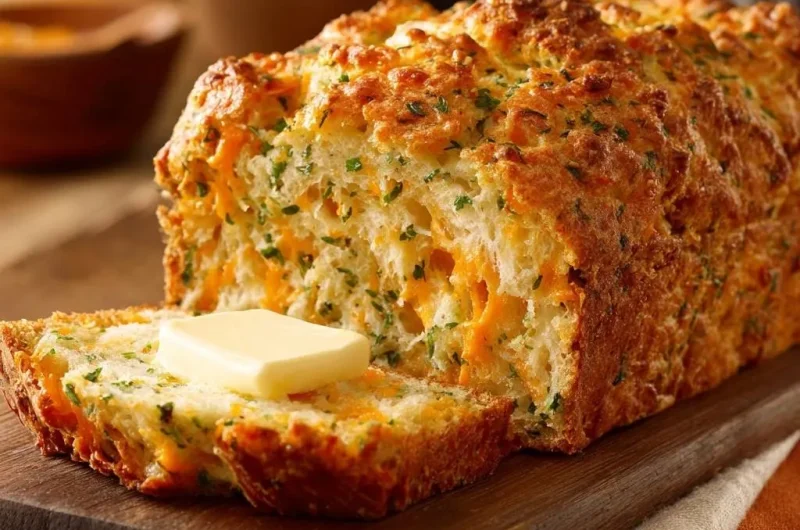
Cheddar Herb Bread
Course: BreadCuisine: AmericanDifficulty: medium1
loaf (9×5-inch)20
minutes40
minutes450
kcal120
MinutesTired of cheese pooling at the bottom of your herb bread? This recipe uses a simple flour-coating trick on cheddar chunks to lock them suspended in a fluffy loaf, delivering craveable pull-apart texture.
Ingredients
3 cups all-purpose flour
1 packet (2 1/4 tsp) active dry yeast
1 cup warm milk (110F)
1/4 cup unsalted butter, melted
2 tbsp sugar
1 tsp salt
1 1/2 cups sharp cheddar cheese, cut into 1/2-inch cubes
1/2 cup chopped fresh parsley
2 tbsp flour (for coating cheese)
Extra melted butter for brushing
Directions
- In a large bowl, whisk flour, yeast, sugar, and salt. Stir in warm milk and melted butter until a shaggy dough forms. Knead gently 2-3 minutes until smooth. Cover and let rise in a warm spot 1 hour until doubled.
- Punch down dough. Here’s the key to stopping cheese sinking: Toss cheddar cubes and chopped parsley with 2 tbsp flour in a separate bowl until evenly coated. This creates a barrier that suspends the cheese perfectly in the crumb during baking, preventing it from dropping and weighing down the loaf.
- Gently fold the coated cheese-herb mixture into the dough using a spatula, just until distributed, no more than 5 strokes to keep it light and airy.
- Shape into a greased 9×5-inch loaf pan. Cover and let rise 20 minutes. Preheat oven to 375F.
- Bake 35-40 minutes until golden and hollow-sounding when tapped. Brush top with extra melted butter. Cool 10 minutes before slicing. Serve warm with butter for ultimate pull-apart bliss.
Notes
- Coat cheese cubes with flour to prevent sinking and ensure even distribution. Best served warm with extra butter.