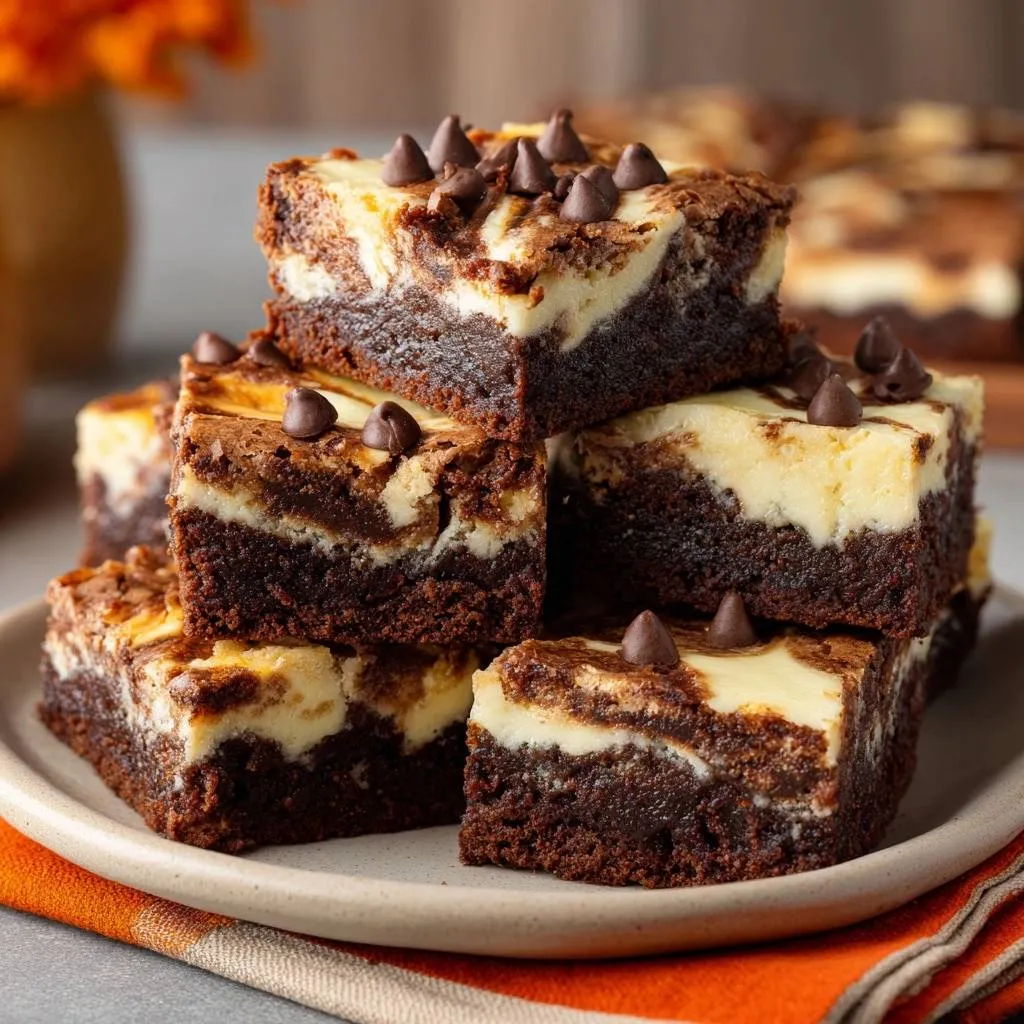
Why Cheesecake Swirl Brownies Transform Desserts
Ever pulled cheesecake swirl brownies from the oven only to see that creamy layer crack like dry earth? It happens to everyone at first. However, this recipe fixes it with room-temperature mixing and a low-slow bake at 325 degrees F. You’ll get those perfect, glossy swirls that make cheesecake swirl brownies look pro-level.
So why do most batches fail? Cold ingredients trap air bubbles during mixing, and high heat shocks the batter into cracking. In addition, overbeating whips in even more air. This method keeps everything smooth and stable for fudgy brownie bliss.
The secret lies in beating the cheesecake batter on low speed just until smooth. Room-temp cream cheese blends without excess air, so no cracks form. Oh man, the first bite hits with dense chocolate and silky tang, it’s pure heaven.
For more cheesecake inspiration, explore the no-leak method for red velvet cheesecake cookies.
Key Ingredients for Crack-Free Cheesecake Swirl Brownies
You’ll need 8 ounces cream cheese softened to room temperature, since it emulsifies smoothly and prevents cracks. Then grab 1/2 cup granulated sugar for the cheesecake, which dissolves evenly to stabilize the batter. Don’t skip the large egg at room temp; it binds without introducing air bubbles.
For the brownie base, melt 1/2 cup unsalted butter first, as it creates that chewy fudginess you crave. Whisk in 1 cup granulated sugar, 2 large eggs, and vanilla for structure. The 1/2 cup all-purpose flour, 1/2 cup unsweetened cocoa powder, and 1/4 teaspoon salt balance the richness perfectly.
Finally, fold in 1/2 cup semi-sweet chocolate chips for melty bursts, plus extra for topping. Semi-sweet cuts the sweetness better than milk chocolate. If you’re out of flour, a 1:1 gluten-free blend works fine without changing the texture.
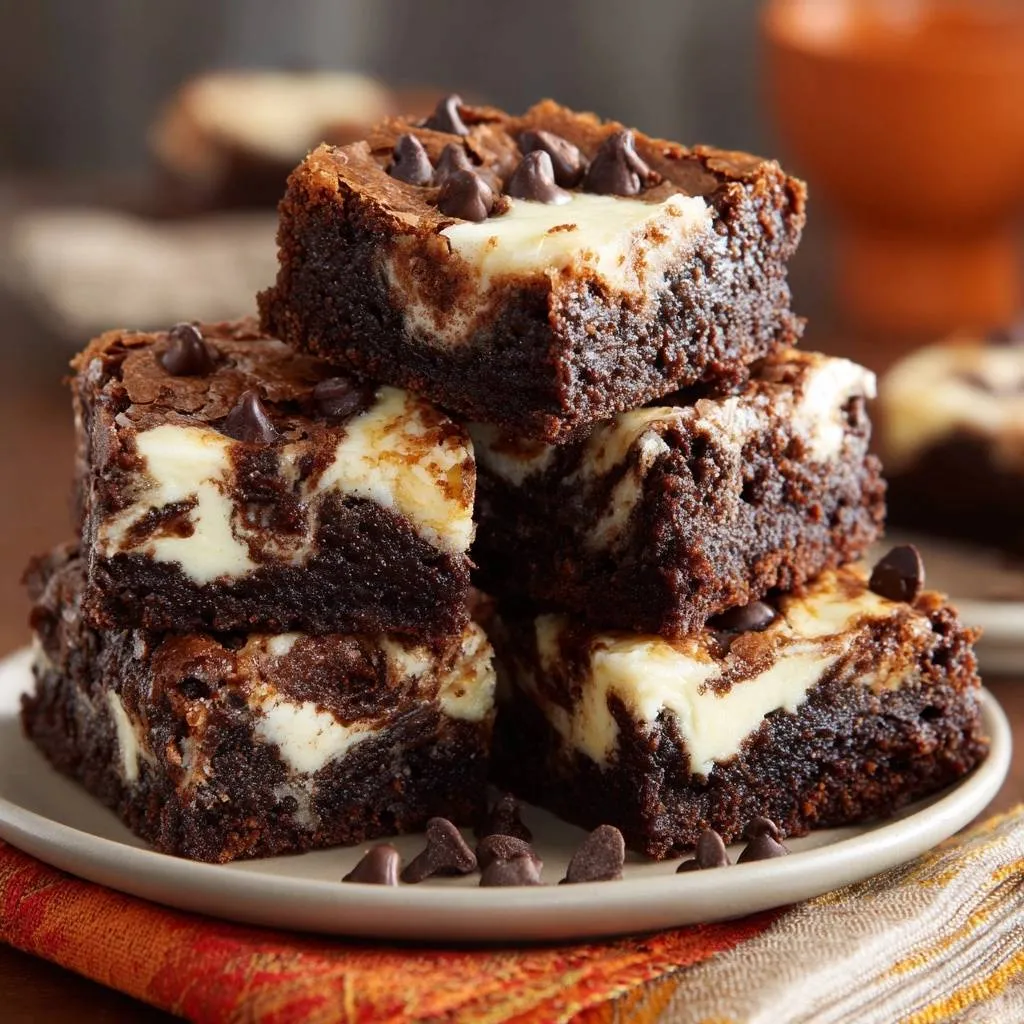
Cream Cheese and Sugar Base Explained
That 8 ounces of softened cream cheese brings high fat content for ultimate smoothness in your cheesecake swirl brownies. It spreads like velvet when room temp. Meanwhile, 1/2 cup granulated sugar dissolves fully on low speed, preventing graininess or cracks from uneven sweetening.
Beat them together for just 30 seconds. Therefore, you avoid incorporating air that expands and splits the top during baking.
Brownie Batter Components Breakdown
Melted butter gives the brownie its signature chew, while 1 cup sugar and 2 eggs build a sturdy yet tender crumb. Cocoa powder delivers deep chocolate flavor without greasiness from melted bars. Salt sharpens everything.
Fold in those chocolate chips last. They stay intact for gooey pockets that make every bite exciting.
Science of Smooth Cheesecake Swirl Brownies
Room-temperature ingredients mix into a stable emulsion, so air bubbles don’t form and cause cracks in cheesecake swirl brownies. Overmixing at high speed incorporates too much air, which expands in the oven. However, low-speed beating for short bursts keeps the batter dense and crack-free.
A 325 degrees F oven bakes low and slow, avoiding thermal shock that curdles the cheesecake layer. The edges undergo Maillard browning for crispness, while the center stays fudgy. Use the jiggle test: slight movement means it’s set without drying out.
During swirling, figure-8 motions blend fat from the brownie with the water-based cheesecake just enough for marbling. Therefore, you get visual appeal without muddied flavors. Skip the toothpick test here; it lies with the creamy center.
Preventing Cracks Through Temperature Control
Rapid heat spikes the proteins in cream cheese, causing cracks from contraction. At 325 degrees F for 35 to 38 minutes, moisture locks in evenly. Compare that to 350 degrees F, where batches often curdle and split.
Always cool gradually on a rack first. This prevents sudden cooling shocks too.
Swirling Technique and Batter Emulsion
The figure-8 swirl emulsifies batters lightly, balancing fats and water for stable marbling. Stirring too much develops gluten and muddies colors. Keep it gentle for those Instagram-worthy cheesecake swirl brownies.
Fresh batter at similar temps clings together perfectly. No sinking swirls that way.
Equipment Choices for Perfect Cheesecake Swirl Brownies
Stick to an 8×8-inch metal pan for even heat distribution; glass takes longer and risks underbaking the center. Line it with parchment overhang like handles for easy lifting. A hand mixer on low speed controls beating better than a stand mixer, which can overwhip easily.
After baking, use a wire rack for air circulation during cooling; it stops condensation sogginess. For cuts, warm a sharp knife in hot water and wipe between slices. No fancy tools needed, but these basics ensure flawless results every time.
Phase 1: Prepping Pans and Cheesecake Batter
Preheat your oven to 325 degrees F. Line the 8×8 pan with parchment, pressing into corners and leaving overhang. This makes removal a breeze later.
Beat softened cream cheese and 1/2 cup sugar on low for 30 seconds until combined. Add the egg and vanilla, then beat 20 seconds more till smooth. You’ll smell that sweet tang right away; set it aside. Room-temp stuff and minimal mixing trap zero air.
Phase 2: Building Fudgy Brownie Base
Whisk melted butter and 1 cup sugar until blended; it turns glossy fast. Add 2 eggs and vanilla, whisk smooth. The mixture thickens slightly here.
Stir in flour, cocoa, and salt just until no streaks show. Fold in chocolate chips gently. Spread 2/3 evenly in the pan; it should look like thick fudge. Dollop cheesecake batter over it, then drop remaining brownie dollops.
Phase 3: Swirling and Low-Slow Baking
Grab a knife or skewer and drag in figure-8 patterns through the dollops. Do 4-5 swirls max for pretty marbling; overdo it and colors blend into mush. Sprinkle extra chips on top for crunch.
Bake 35 to 38 minutes. Edges set firm while center jiggles lightly, like Jell-O. Pull it out; the aroma alone will have you drooling.
Phase 4: Cooling and Cutting Cheesecake Swirl Brownies
Cool in the pan on a wire rack for 1 hour. The brownies firm up as steam escapes. Then refrigerate 2 hours minimum for clean slices; rushing leads to smears.
Lift using parchment, warm your knife in hot water, and cut into 16 bars. Store airtight in the fridge up to 5 days. Pro tip: they taste even better chilled.
Avoiding Pitfalls in Cheesecake Swirl Brownies
Overmixing the cheesecake introduces air that puffs and cracks on top. Stick to timers: 30 seconds sugar, 20 with egg. High oven temps brown too fast and curdle the cream cheese.
Uneven batter spreading causes sunk swirls or raw spots. Use an offset spatula for smooth layers. Underbaking leaves sogginess, so trust the jiggle over time alone.
Always check batter temps with a finger test; cool cheesecake on warm brownie separates. These fixes turn common fails into cheesecake swirl brownie wins.
Overmixing and Air Bubble Fixes
Look for bubbly batter or light color as overmix signs. Prevent with low speed and timers. If bubbles appear, tap the bowl gently pre-bake to pop them.
Baking Time and Jiggle Diagnostics
A slight center jiggle means 190 degrees F internal if using a thermometer. Edges pull from pan sides. Over 40 minutes dries it out fast.
Flavor Twists on Cheesecake Swirl Brownies
Swap vanilla in cheesecake for pumpkin puree and spices; use 1/2 cup for fall vibes, keeping the no-crack method. Or mix 2 tablespoons peanut butter into brownie batter for nutty depth without changing ratios.
Dollop raspberry jam between swirls before baking; it bubbles into tangy pockets. For salted caramel, drizzle 1/4 cup on top pre-bake. Matcha powder in cocoa adds earthy green swirls.
For a similar tangy delight, explore creamy lemon crumble bars.
Vegan? Use plant-based cream cheese and egg replacer like flax eggs (2 tablespoons flax + 5 tablespoons water). Bake the same low-slow way for flawless texture.
Storage and Make-Ahead for Cheesecake Swirl Brownies
Keep cheesecake swirl brownies in an airtight container in the fridge up to 5 days. They stay fudgy; just let sit 10 minutes before eating for best chew. Freeze individual slices wrapped in plastic then foil for 3 months.
Thaw overnight in fridge; microwave 10 seconds revives if needed, but avoid sogginess. Batch bake for holidays: double in a 9×13 pan, add 5-7 minutes bake time. Perfect for gifting in tins.
Pairing Ideas with Cheesecake Swirl Brownies
Espresso cuts through the richness like a dream; its bitterness highlights chocolate. Black tea with lemon pairs clean too. Whole milk balances the tang perfectly.
Top with fresh strawberries or vanilla ice cream for picnics. During holidays, add to dessert trays with cookies. Sparkling cranberry juice refreshes alongside.
Complementary Flavors
To round out your dessert spread, consider these other sweet creations.
- For a hearty, savory experience that contrasts the sweetness, try the Loaded Sausage Gravy Tater Tot Bowl.
- If you’re in the mood for another breakfast-inspired treat with a delightful crisp, the Cinnamon French Toast Stacks offer a similar textural appeal.
Troubleshooting Cheesecake Swirl Brownies
How do I store cheesecake swirl brownies and can they freeze?
Store in an airtight container in the fridge up to 5 days; the cream cheese keeps them moist without weeping. They freeze beautifully for 3 months: wrap slices tightly in plastic wrap, then foil or a freezer bag. Thaw in the fridge overnight; texture stays fudgy, no ice crystals if packed well. Avoid room-temp thawing to prevent bacterial growth.
Why did my cheesecake layer crack in these brownies?
Cold cream cheese or overmixing traps air bubbles that expand and crack during baking. Always soften to room temp (leave out 1-2 hours) and beat on low just 50 seconds total. High oven heat shocks it too; stick to 325 degrees F low-slow. If cracks happen, cover with ganache; no one notices.
Can I make substitutions in cheesecake swirl brownies?
Yes, swap all-purpose flour 1:1 with gluten-free blend; it holds up fudgy. No semi-sweet chips? Use dark for less sweet or chopped baking chocolate. For dairy-free, vegan cream cheese and coconut oil instead of butter work, but chill longer to set. Keep egg sizes large for structure.
Why did my swirls sink or look muddy?
Over-swirling develops gluten and blends colors into gray mush. Limit to 4-5 gentle figure-8s. Uneven dollops cause sinking too; space them 1-inch apart. Next time, chill the assembled pan 10 minutes pre-bake for stability.
Can I double the recipe for a 9×13 pan?
Absolutely, double ingredients exactly and bake in 9×13 at 325 degrees F for 40-45 minutes. Watch for edge set and center jiggle; larger pans bake faster on edges. Cool fully to avoid crumbling cuts. Perfect for crowds.
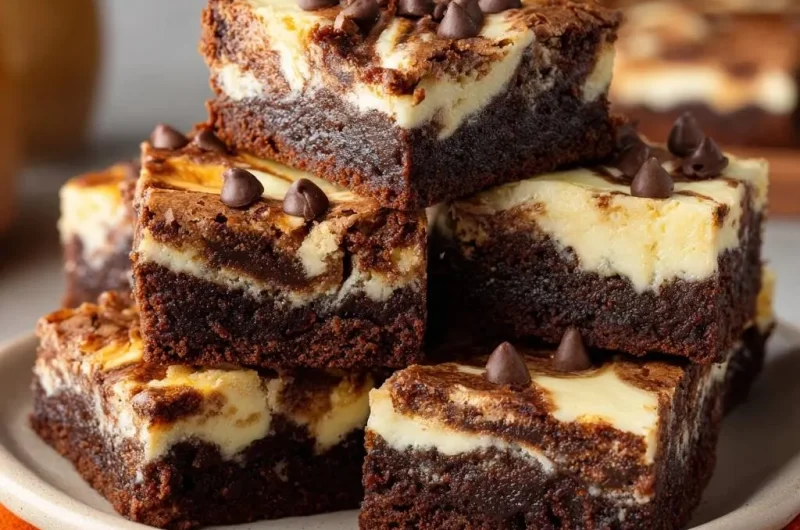
Cheesecake Swirl Brownies
Course: DessertCuisine: AmericanDifficulty: medium16
bars20
minutes38
minutes250
kcal180
MinutesTired of cheesecake brownies where the creamy layer cracks and ruins the look? This recipe delivers flawless, smooth swirls every time with one simple trick: mixing the cheesecake batter just until smooth at room temperature and baking low and slow to lock in perfection.
Ingredients
8 ounces cream cheese, softened to room temperature
1/2 cup granulated sugar
1 large egg, at room temperature
1 teaspoon vanilla extract
1/2 cup unsalted butter, melted
1 cup granulated sugar
2 large eggs
1 teaspoon vanilla extract
1/2 cup all-purpose flour
1/2 cup unsweetened cocoa powder
1/4 teaspoon salt
1/2 cup semi-sweet chocolate chips, plus extra for topping
Directions
- Preheat oven to 325 degrees F. Line an 8×8-inch baking pan with parchment paper, leaving overhang for easy removal.
- Make cheesecake layer first to prevent cracks: In a medium bowl, beat softened cream cheese and 1/2 cup sugar with a hand mixer on low speed for 30 seconds until just combined. Add 1 egg and 1 teaspoon vanilla; beat on low for 20 seconds more until smooth. Do not overmix. Set aside. Room temperature ingredients and minimal beating stop air bubbles that cause cracks.
- For brownie batter: In a large bowl, whisk melted butter and 1 cup sugar until blended. Add 2 eggs and 1 teaspoon vanilla; whisk until smooth. Stir in flour, cocoa powder, and salt until just combined. Fold in 1/2 cup chocolate chips.
- Spread 2/3 of brownie batter evenly in prepared pan. Dollop cheesecake batter over top, then spoon remaining brownie batter in dollops. Use a knife or skewer to gently swirl batters together in a figure-8 pattern for perfect marbling. Sprinkle extra chocolate chips on top.
- Bake at 325 degrees F for 35 to 38 minutes, until edges are set but center has a slight jiggle. Low temp and short bake prevent cheesecake from cracking by avoiding sudden temperature shocks.
- Cool in pan on a wire rack for 1 hour, then refrigerate 2 hours to set. Lift out using parchment, cut into bars. Store in fridge up to 5 days.
Notes
- Room temperature ingredients and minimal beating stop air bubbles that cause cracks. Low temp and short bake prevent cheesecake from cracking by avoiding sudden temperature shocks. Store in fridge up to 5 days.