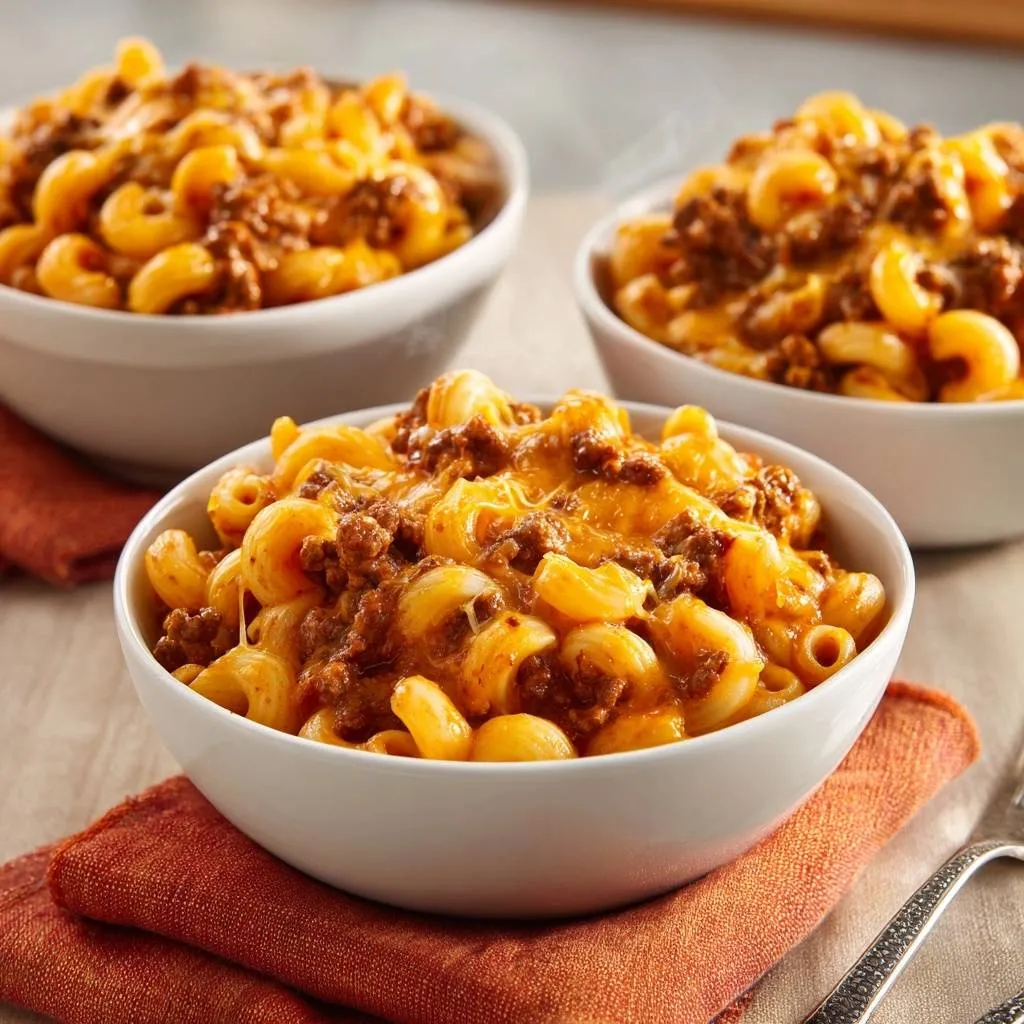
You know that greasy pool at the bottom of your bowl when you make cheesy beef mac? It ruins the whole thing, turning juicy bites into oily disappointments. But here’s the fix: a quick drain-and-deglaze step that keeps every forkful flavorful and grease-free. You’ll have dinner ready faster than delivery, with tender beef, al dente pasta, and gooey cheddar pulls that make your mouth water just thinking about it.
Most recipes skip this crucial move, so the fat from the beef overwhelms the sauce and makes everything slick. However, this method captures that fat and builds a rich base instead. In addition, it amps up the beefy taste without extra work on a busy weeknight.
The real secret lies in pressing the drained beef with a paper towel. It soaks up every last drop, leaving you with dry, crumbly meat ready to soak up tomato sauce. Trust me, one try and you’ll never go back to soggy versions.
Why Greasy Beef Ruins Cheesy Beef Mac
Common Pitfalls in Ground Beef Dishes
Excess fat from ground beef renders out during cooking and mixes into your cheesy beef mac sauce. This creates an oily texture that coats the pasta unevenly and leaves a heavy mouthfeel. Soggy noodles absorb it all, killing the al dente bite you crave.
Therefore, dishes end up greasy instead of juicy. The fat doesn’t emulsify well with tomato sauce, so it separates on top. In contrast, the ideal version stays glossy and clings perfectly to every elbow macaroni twist.
Science backs this: beef fat melts at around 100 degrees Fahrenheit, flooding your skillet if you don’t remove it. Skip that step, and your cheesy beef mac tastes more like diner slop than homemade comfort.
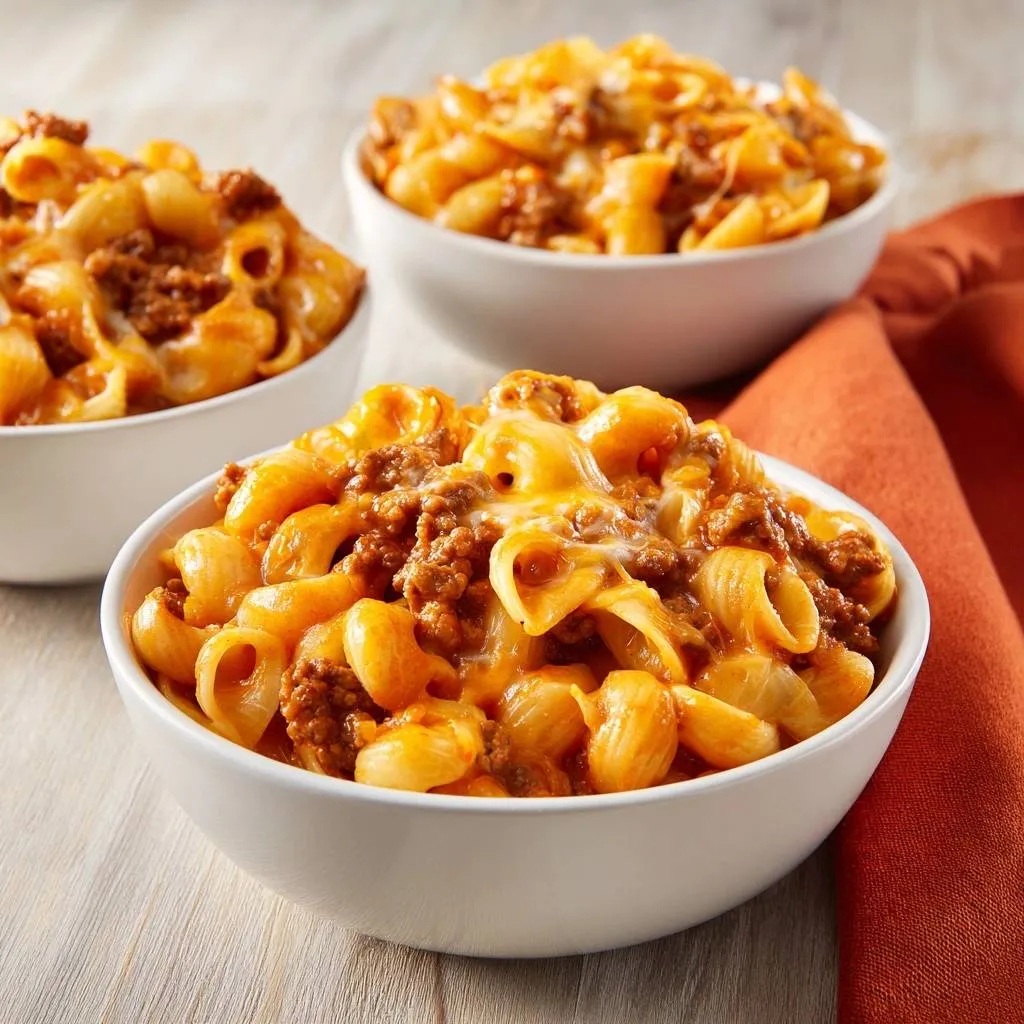
The Drain-and-Deglaze Fix Explained
After browning, pour the beef into a colander over a bowl to catch the fat drippings. Press firmly with paper towels; you’ll remove about a quarter cup of grease easily. This leaves the beef dry and full of browned bits.
Return it to the skillet, then add seasonings and tomato sauce. The sauce deglazes those stuck bits, creating flavor without oiliness. Before, your pan looks slick; after, it’s a thick, inviting red sauce.
However, skipping the press means residual fat sneaks back in. Always do both for that 90% grease reduction. Your cheesy beef mac will taste brighter and cleaner every time.
Key Ingredients for Grease-Free Cheesy Beef Mac
Selecting Lean Ground Beef
Grab 85/15 ground beef for cheesy beef mac; it has enough fat for flavor but renders less overall. Avoid 80/20, which drowns everything in oil. Leaner 90/10 works too, especially grass-fed for deeper, earthier taste.
Therefore, the sauce stays balanced. Fresh beef browns better, locking in juices during that quick cook.
Pasta and Sauce Building Blocks
Elbow macaroni rules for cheesy beef mac because its ridges trap sauce perfectly. Shells work okay, but penne slides right off. Cook two cups uncooked for hearty portions.
One 15-ounce can of tomato sauce gives thickness; choose no-salt-added to control seasoning. Swap water for beef broth if you want extra umami punch. It simmers into a glossy coat without watering down flavors.
Cheese and Seasoning Essentials
Shred two cups sharp cheddar from a block; it melts smoother than pre-shredded thanks to no anti-caking agents. Mild cheddar softens faster but lacks tang. Sprinkle at the end for stretchy bliss.
One teaspoon each of garlic powder, onion powder, and chili powder builds savory depth. Add them post-drain to avoid burning. Salt and pepper go in last, after tasting the simmered sauce.
Science of Rendering Fat in Cheesy Beef Mac
How Beef Fat Renders During Browning
Medium-high heat triggers the Maillard reaction in ground beef, browning proteins for nutty flavor in cheesy beef mac. Fat melts out simultaneously, pooling if not managed. That’s why you see clear oil after eight minutes.
However, high heat burns the meat edges. Stick to medium-high, and break it up constantly for even crumbs. This renders fat cleanly without drying the beef.
In addition, the reaction creates fond on the pan bottom. Ignore it, and flavors stay flat.
Deglazing Locks in Beefy Flavors
Tomato sauce’s acidity lifts that browned fond after draining, infusing cheesy beef mac with caramelized taste. The pH tenderizes beef fibers too, keeping bites juicy. Simmering emulsifies everything into a thick sauce.
Without deglazing, you lose those bits and end up bland. Always stir well for five minutes. Your pan transforms from greasy to glossy perfection.
If you’re building layers of flavor, check out this zesty cheeseburger pasta salad.
Equipment Choices for Perfect Cheesy Beef Mac
Skillet Size and Material Matters
Use a 12-inch nonstick or cast iron skillet for cheesy beef mac; it heats evenly and holds four servings without crowding. Small pans steam the beef, trapping moisture and fat. A lid helps melt cheese later.
Cast iron retains heat for better browning. Nonstick prevents sticking post-drain.
Tools for Draining and Mixing
Set a colander over a bowl to trap fat drippings. A wooden spoon breaks beef best without scratching. Paper towels press out hidden grease efficiently.
Spatulas work too, but spoons crumble finer for sauce coating.
Step-by-Step: Building Grease-Free Cheesy Beef Mac
Boiling Al Dente Elbow Macaroni
Boil two cups elbow macaroni in salted water; use a tablespoon salt per quart for flavor. Cook seven minutes until al dente, with a firm bite. Drain, but don’t rinse, to keep starch for sauce grip.
Test by biting one; it should have a white core. This prevents mushy cheesy beef mac later.
Browning and Draining the Beef
Heat a large skillet medium-high, add one pound ground beef. Break it with a spoon into small pieces; cook eight minutes until no pink shows. The aroma hits savory peaks right before draining.
Drain into a colander over a bowl, then press with paper towels. You’ll catch a quarter cup fat, leaving dry, browned beef. Return to skillet immediately.
Simmering Sauce with Seasonings
Sprinkle in garlic powder, onion powder, chili powder, salt, pepper, tomato sauce, and water. Stir thoroughly; simmer five minutes, stirring twice. The sauce thickens and smells rich, coating the back of your spoon.
Taste and adjust salt now. Pro tip: reserve pasta water to thin if needed.
Melting Cheese into the Mix
Stir in cooked macaroni until saucy. Sprinkle cheddar evenly on top, cover off heat for two minutes. Steam melts it stretchy without separating.
Serve right away for gooey pulls. Stirring cheese in works, but topping gives cheesy beef mac that craveable crust.
Avoiding Pitfalls in Cheesy Beef Mac
Overcooking Leads to Dry Beef
Watch for no pink and crumbly texture after eight minutes; pull it off heat fast. Resting post-drain keeps juices locked in for juicy cheesy beef mac. Overcooking toughens proteins.
Therefore, use a timer. Low heat after browning dries it out too.
Sauce Too Thin or Pasta Soggy
Simmer longer if thin; five minutes usually thickens perfectly. Reserve pasta water to loosen instead of adding more. Rinsing pasta removes starch, so sauce won’t cling.
Al dente start ensures firmness holds up.
Cheese That Won’t Melt Smoothly
Off-heat melt prevents clumping; low moisture cheddar flows best. Grate fresh for even melt. For ultra-creamy, stir in a pinch of sodium citrate if you have it.
High heat breaks emulsions, so cover and wait.
For a similar cheesy beef bake that stays perfectly tender, check out this cheesy beef and corn spaghetti bake method.
Flavor Twists on Cheesy Beef Mac
Spicy or Smoky Variations
Swap chili powder for chipotle powder in cheesy beef mac for smoky heat. Dice fresh jalapeños into the beef for crunch and fire. It builds during simmer without greasiness.
Smoked paprika adds BBQ depth. Taste as you go to balance.
Cheese Blends and Veggie Adds
Mix cheddar with mozzarella for stretchier cheesy beef mac. Gouda brings nutty warmth. Stir in diced bell peppers or spinach post-simmer; they wilt without adding moisture.
Fine chop hides them for picky eaters.
Make-Ahead Strategies for Cheesy Beef Mac
Prep and Storage Best Practices
Cook pasta al dente and store separately; assemble sauce day-of to avoid mush. Fridge leftovers in an airtight container up to three days. Reheat on stovetop with a splash of water, stirring for creaminess.
Microwave works, but cover loosely to steam.
Freezing and Batch Cooking Guide
Portion cooled cheesy beef mac into freezer bags, squeezing air out. Freeze up to two months; thaw overnight in fridge. Reheat gently on stove, adding broth if dry; cheese reflows smooth.
Avoid direct freeze of assembled dish to prevent separation.
Pairing Sides with Cheesy Beef Mac
Crisp Veggie and Salad Matches
A cucumber-tomato salad with vinegar dressing cuts the richness of cheesy beef mac perfectly. Steam broccoli lightly for tender crunch. Their brightness balances the hearty beef.
Complementary Dishes
Round out your meal with these fresh and flavorful options.
- For a crisp and refreshing contrast to the rich Cheesy Beef Mac, consider this Harvest Kale and Apple Salad, featuring bright fruits.
- If you enjoy the combination of savory and sweet, the Harvest Apple and Walnut Salad offers a delightful mix of textures and complementary tastes.
Bread and Quick Pickle Ideas
Bake garlic breadsticks to sop up sauce from cheesy beef mac. Quick-pickled onions add tang; slice thin, soak in vinegar five minutes. They lift the beefy flavors.
Troubleshooting Cheesy Beef Mac Questions
Why Is My Beef Mac Still Greasy?
You likely skipped the paper towel press or used fatty beef. Drain fully over a bowl, press hard, and simmer longer to evaporate residuals. Leaner cuts help too; always quantify fat removed for success.
Can I Use Ground Turkey Instead?
Yes, ground turkey works in cheesy beef mac but tastes milder. Boost with a teaspoon Worcestershire sauce for umami. Texture stays leaner, mimicking beef perfectly post-drain.
How to Scale for a Crowd?
Double everything in a Dutch oven for cheesy beef mac. Bake covered at 350°F for 15 minutes for melty top. Use a 12-quart pan to avoid overcrowding.
Gluten-Free Cheesy Beef Mac Options?
Swap elbow macaroni for gluten-free brands like Barilla; they hold sauce well. Add extra pasta water to sauce for binding, as GF lacks starch. Texture stays al dente with proper cook time.
Vegetarian Swap for Beef?
Use cooked lentils or plant-based crumbles for cheesy beef mac. Amp seasonings with extra garlic powder and smoked paprika for meaty illusion. Drain any moisture first to keep it grease-free.
FAQ
How do I store leftovers of Cheesy Beef Mac?
Store cooled Cheesy Beef Mac in an airtight container in the fridge for up to three days. For freezing, portion into freezer bags flat to save space; it keeps well for two months without freezer burn. Thaw overnight, then reheat on the stovetop with a splash of beef broth to restore creaminess and prevent drying.
Why is my Cheesy Beef Mac greasy even after draining?
The most common issue is incomplete fat removal or using 80/20 beef. Always press drained beef firmly with paper towels over a bowl to soak up hidden grease, which can be up to a quarter cup. Simmer the sauce longer post-drain to evaporate any residuals, and opt for 85/15 lean beef next time for juicy, oil-free results every batch.
Can I substitute ground turkey for beef in Cheesy Beef Mac?
Absolutely, ground turkey makes a leaner Cheesy Beef Mac. It renders almost no fat, so skip extra draining but add a teaspoon Worcestershire or extra onion powder for beefy depth. Cook the same way; the texture crumbles similarly and pairs perfectly with the cheddar melt.
What if I don’t have elbow macaroni for Cheesy Beef Mac?
Use small shells or rigatoni; they trap sauce like elbows do. Avoid long pasta like spaghetti, which slips off. Gluten-free versions work too, but cook to al dente and reserve starch water to thicken the sauce properly.
How do I make Cheesy Beef Mac spicier?
Increase chili powder to two teaspoons or add diced jalapeños when browning the beef. Chipotle powder swaps in for smoky heat without overpowering the cheddar. Taste the simmering sauce and adjust; it mellows slightly when cheese melts.
Why won’t the cheese melt smoothly in my Cheesy Beef Mac?
Pre-shredded cheese has starch coatings that clump; always shred from a block. Melt off-heat under a lid for two minutes to use steam gently. If needed, stir in a teaspoon cornstarch slurry beforehand for pro-level creamy sauce that stretches perfectly.
Cheesy Beef Mac
Course: Main CourseCuisine: AmericanDifficulty: easy4
servings10
minutes20
minutes550
kcal30
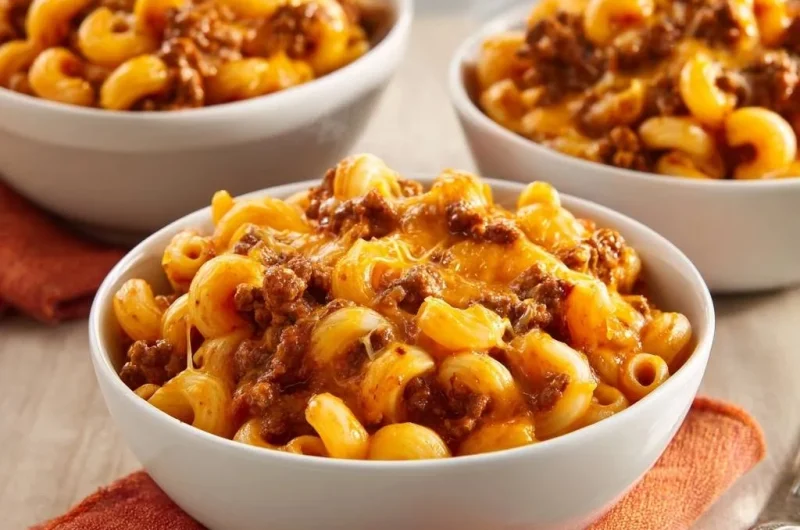
MinutesThis recipe fixes greasy ground beef mac with a simple drain-and-deglaze step, keeping every bite juicy and flavorful. A perfect weeknight win!
Ingredients
1 pound ground beef
2 cups elbow macaroni (uncooked)
1 (15-ounce) can tomato sauce
1 cup water or beef broth
2 cups shredded cheddar cheese
1 teaspoon garlic powder
1 teaspoon onion powder
1 teaspoon chili powder
Salt and pepper to taste
Directions
- Cook the elbow macaroni in salted boiling water according to package directions until al dente, about 7 minutes. Drain and set aside.
- In a large skillet over medium-high heat, add the ground beef. Break it up with a spoon and cook until fully browned and no pink remains, about 8 minutes.
- Here is the grease-free secret: Drain the beef in a colander over a bowl to remove every drop of excess fat (tip: press with a paper towel for total dryness). Return the drained beef to the skillet.
- Add garlic powder, onion powder, chili powder, salt, pepper, tomato sauce, and water. Stir well and simmer for 5 minutes to build flavor and thicken.
- Stir in the cooked macaroni until fully coated in sauce. Sprinkle cheddar on top, cover, and let melt for 2 minutes off heat. Serve hot in bowls.
Notes
- Press drained beef with a paper towel for extra dryness. Use beef broth instead of water for richer flavor.