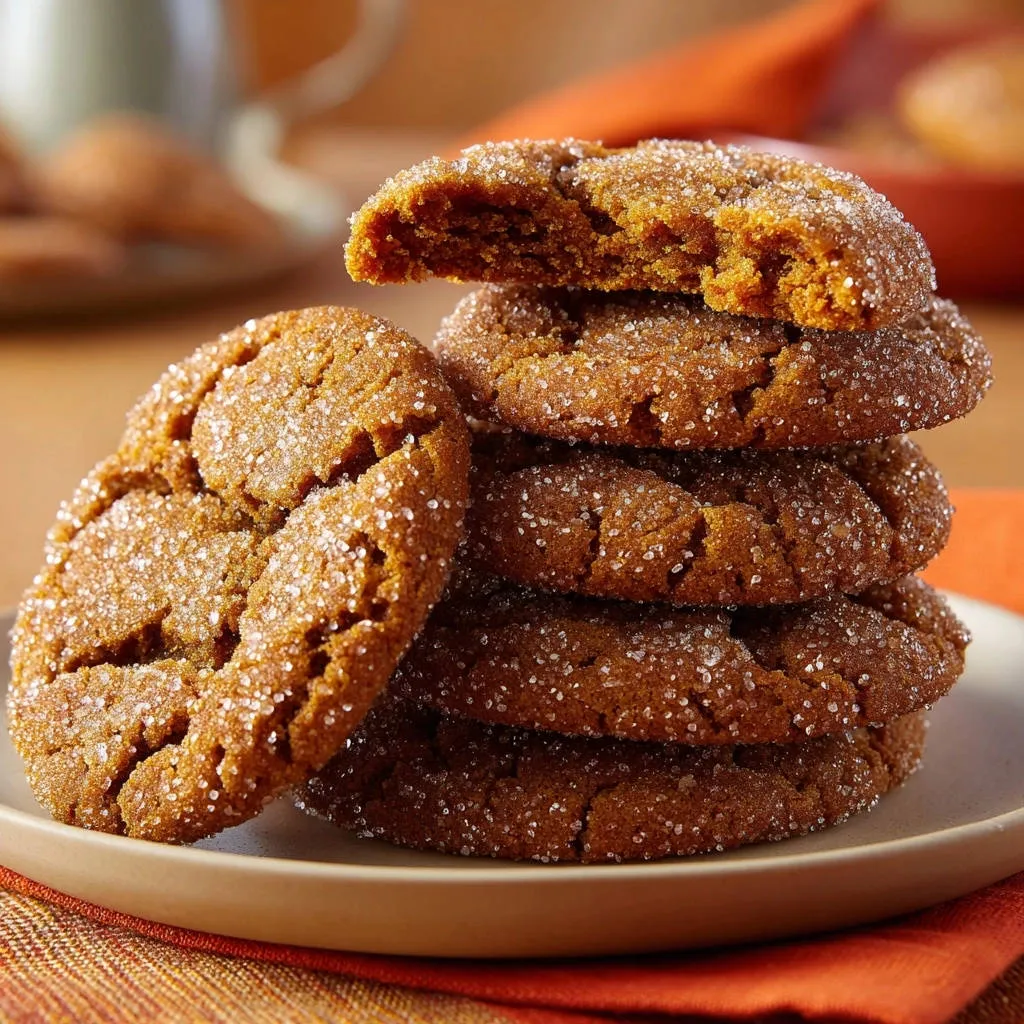
There is nothing more disappointing than biting into a spice cookie and finding it hard and brittle instead of perfectly soft and chewy. After years of perfecting this formula, I can guarantee that my recipe for Chewy Crinkle Molasses Cookies delivers centers that melt in your mouth every single time.
The secret lies in a critical dough rest and specific ingredient ratios that lock in moisture and control spread, ensuring you achieve that desired delicate crinkle texture without sacrificing a deeply satisfying chew.
The Secret to Never-Brittle Cookies: Unpacking the Science of Softness
The Magic of the Molasses Dough Rest (The ‘Chewy Center Technique’)
Chilling the dough is the single most important technique for achieving superior chewiness and the hallmark crinkle effect. When the dough is cold, the fat molecules solidify, which prevents the cookies from spreading too quickly in the hot oven.
For a different take on chewy cookies, explore salted dark chocolate chunk cookies.
This controlled spread forces the edges to set first while the center remains slightly underbaked and moist, resulting in that distinct, soft core. It also allows the molasses and spice flavors to fully hydrate and deepen throughout the flour.
Balancing Spice and Sweetness: Dark Brown Sugar vs. Granulated
This recipe uses a combination of sugars specifically to manage moisture and texture. Dark brown sugar is highly acidic and contains molasses, making it essential for a tender, moist crumb.
Granulated sugar, used primarily in creaming and as the exterior coating, provides structure and helps create the crisp, sugary shell needed to form the beautiful, defined crinkles.
The Crinkle Effect: Mastering the Bake Time and Residual Heat
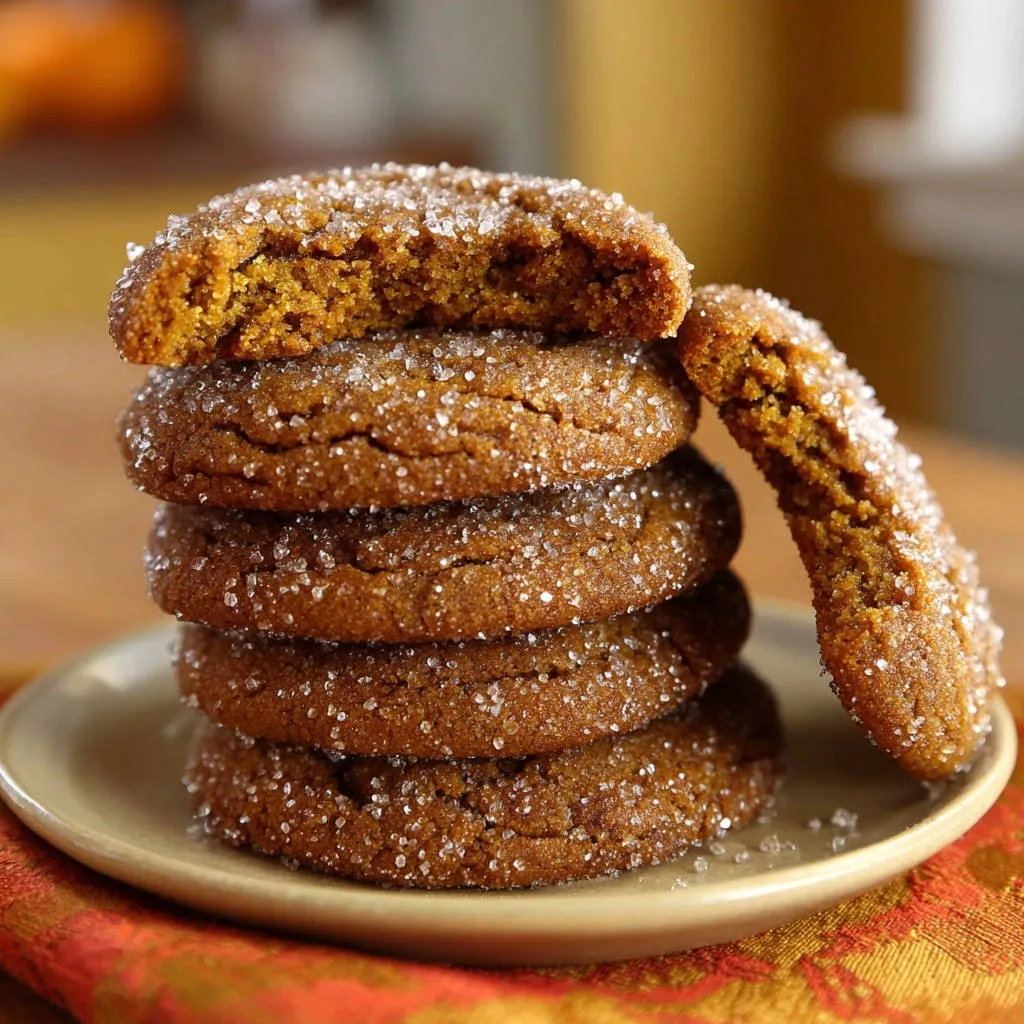
The key visual cue for perfect doneness is pulling the molasses cookies when they look puffy and the centers still appear slightly shiny or underbaked. This ensures the maximum moisture retention.
The subsequent five-minute rest on the hot baking sheet is crucial; the residual heat continues to set the cookie’s edges without drying out the interior, guaranteeing that coveted soft center remains intact.
The Spice Blend Foundation: Essential Ingredients and Substitutions
Selecting Robust Molasses for Deepest Flavor
For truly rich, complex flavor in these Chewy Crinkle Molasses Cookies, you must use robust (dark) molasses, often labeled ‘unsulfured.’ This type has a more concentrated, less sweet, and slightly bitter flavor compared to lighter varieties.
For a similar rich experience, explore our frosted dark chocolate toffee cookies.
Avoid blackstrap molasses, which is too bitter and intense for baking, and avoid light molasses, which will result in a flatter, less deeply flavored cookie.
Achieving Lightness: The Critical Role of Baking Soda and Sifting
Baking soda is essential here because it reacts chemically with the acid present in the molasses and the brown sugar, producing carbon dioxide and creating necessary lift and puffiness.
Always whisk or lightly sift your flour and dry spices together to ensure the baking soda is evenly dispersed. This prevents dense spots and promotes uniform rising.
Understanding the Spice Symphony: Ginger, Cinnamon, and Cloves
This traditional blend creates warmth and depth. Ginger provides a necessary pungent heat, cinnamon brings a warming sweetness, and cloves offer a potent, aromatic background note.
The ratio ensures a balanced, complex flavor profile that is spicy but not overwhelming. For a minor flavor boost, you can add a small pinch (1/4 teaspoon) of freshly ground nutmeg.
Setting Up Your Kitchen for Cookie Success: Essential Equipment Checklist
The Importance of a Stand Mixer for Creaming Butter
The creaming process requires sustained, high-power agitation to incorporate enough air into the butter and sugar mixture, which is very difficult to achieve manually.
Using a stand mixer for the full three minutes ensures the mixture becomes light, fluffy, and voluminous, minimizing the risk of a dense, grainy final cookie texture.
Why a Cookie Scoop Guarantees Uniform Crinkles
Uniformity in size is non-negotiable for even baking and for achieving consistently perfect crinkle patterns across the entire batch.
A medium cookie scoop (about 1.5 tablespoons) ensures every dough ball is the exact same size, meaning they will all set and crack at the same time in the oven.
Mastering the Method: A Step-by-Step Guide to Perfect Chewy Crinkles
-
Phase 1: Preparing the Wet and Dry Bases
Ensure your butter is truly softened-it should yield easily when lightly pressed, but not be greasy or melted. Whisk the flour, spices, salt, and baking soda together thoroughly.
Even distribution of leavening agents is crucial to prevent uneven rising or spreading during the bake.
-
Phase 2: Creaming to Fluffy Perfection
Combine the softened butter, granulated sugar, and dark brown sugar and beat on medium-high speed for a full three minutes. The mixture should lighten considerably in color and texture.
Stop and scrape down the bowl sides multiple times. This incorporates essential air for a soft, pillowy final cookie texture.
-
Phase 3: The Critical Dough Rest (Chilling the Dough)
Once the molasses, egg, and dry mix are combined, gather the dough into a cohesive ball and wrap it tightly in airtight plastic wrap.
This chilling process solidifies the fats and prevents rapid spreading. Chill for a minimum of 30 minutes, or up to two hours, ensuring the dough remains protected from drying out.
-
Phase 4: Rolling, Coating, and Strategic Baking
Use the recommended 1.5-tablespoon scoop size for consistency. Roll each portion into a smooth ball and immediately roll it completely in the reserved granulated sugar.
The thick sugar coating is what creates the dramatic crinkle effect as the dough expands. Place the coated dough balls two inches apart on parchment-lined sheets.
-
Phase 5: The Post-Bake Transition
Bake for 9 to 11 minutes until the edges are set and the centers look slightly underbaked and puffy. Immediately remove the sheet from the oven.
Do not skip the 5-minute rest on the hot pan. This allows the internal temperature to finish setting the cookie’s structure while preserving maximum chewiness, preventing a crunchy edge.
Troubleshooting and Pro Tips: Saving Your Batch and Elevating the Flavor
Why Are My Cookies Hard and Brittle After Cooling?
The most common cause of hard molasses cookies is overbaking. If you wait until the centers look fully set and golden brown in the oven, you have baked them too long.
Remember, they must look slightly doughy in the center when removed. Insufficient chilling time can also cause too much spread, leading to thin, brittle edges.
My Crinkle Cookies Spread Too Much!
Too much spread is usually caused by fats that are too warm. Ensure your butter was perfectly softened, not melted, and never skip the critical dough chilling step.
Additionally, always measure your flour precisely, preferably by weight; using too little flour is a frequent cause of excessive spreading in thin cookies.
Chef’s Tip: Adding Flavor Boosters to Your Dough
To enhance the ginger’s warmth, try adding 1/4 teaspoon of finely ground black pepper to the dry ingredients-it provides a subtle, noticeable heat without changing the spice blend dramatically.
For brightness, incorporate 1 teaspoon of finely grated orange zest along with the egg and vanilla; the citrus oil cuts through the richness of the molasses beautifully.
Prepping Ahead: Freezing Dough Balls for Later Use
These Chewy Crinkle Molasses Cookies freeze beautifully. Scoop and roll the dough balls, coat them in sugar, and then flash freeze them on a baking sheet until solid (about one hour).
Transfer the frozen dough balls to an airtight bag. When ready to bake, place them directly onto the baking sheet and add 2-3 minutes to the baking time; no need to thaw them first.
Storage, Serving Pairings, and FAQs for Your Molasses Cookies
How Long Do These Chewy Crinkle Molasses Cookies Stay Fresh?
When stored correctly in an airtight container at room temperature, these spice cookies will maintain their exceptional chewiness for 3 to 5 days.
For longer storage, they can be frozen (baked) for up to three months. Thaw them completely at room temperature before serving.
Can I Use Light Molasses Instead of Robust?
While you can technically use light molasses, I strongly advise against it for this recipe. Light molasses will yield a paler cookie with a much milder flavor profile.
More importantly, robust molasses is slightly more acidic, which plays a specific chemical role with the baking soda to achieve the desired texture and lift in these crinkle cookies.
What is the Best Beverage Pairing for Rich Spice Cookies?
The warming spices and deep molasses flavor pair wonderfully with creamy, contrasting beverages.
More Sweet Treats
Continue your baking adventure with these complementary confections.
- For a warm, comforting breakfast that echoes the spices of molasses, try these Cinnamon French Toast Stacks, perfect for a leisurely morning.
- If you enjoy the gooey, sweet nature of the cookies, you’ll appreciate the campfire-inspired fun of these S’mores Pancakes.
A tall glass of cold milk is a classic choice, but these treats are also excellent served alongside a strong, hot black coffee or a steaming mug of spiced apple cider.
Ready to Bake? Share Your Chewy Crinkle Molasses Cookies Success!
You now hold the definitive method for baking the softest, chewiest spice cookies imaginable, equipped with the critical knowledge of the dough rest technique.
Don’t settle for brittle, overbaked results ever again. Embrace the puffiness, trust the quick bake time, and enjoy your perfect batch of Chewy Crinkle Molasses Cookies!
I encourage you to try the chef’s tips and share your delicious success with your family and friends this season.
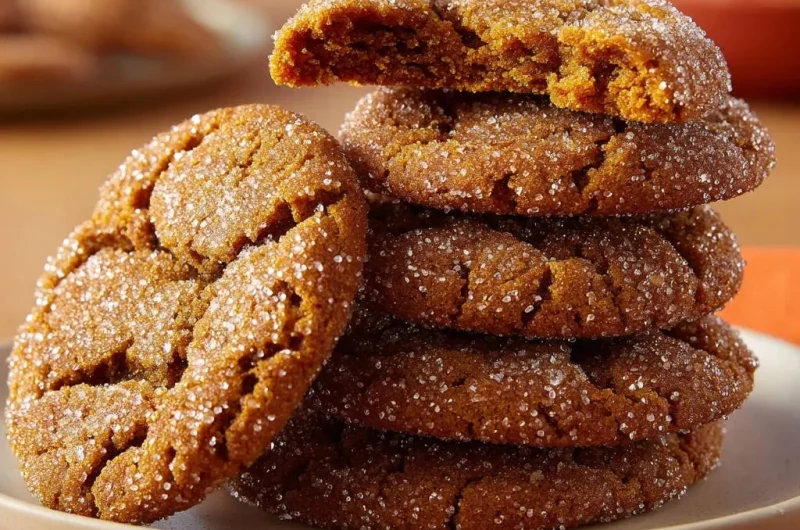
Molasses Cookies
Course: DessertCuisine: AmericanDifficulty: easy28
cookies15
minutes10
minutes30
kcal55
minutesSay goodbye to brittle spice cookies! This recipe uses a crucial dough rest technique to guarantee a perfect, soft, and chewy center every time. These warm, molasses-rich cookies are coated in sugar for a beautiful crinkled finish.
Ingredients
2 1/4 cups all-purpose flour
2 teaspoons ground ginger
1 teaspoon ground cinnamon
1/2 teaspoon ground cloves
1 teaspoon baking soda
1/4 teaspoon salt
1 cup (2 sticks) unsalted butter, softened
1/2 cup granulated sugar, plus extra for rolling
1/2 cup packed dark brown sugar
1/4 cup robust molasses
1 large egg
1 teaspoon vanilla extract
Directions
- Prepare the Dry Mix: In a medium bowl, whisk together the flour, ginger, cinnamon, cloves, baking soda, and salt. Set aside.
- Cream the Fats: In a large bowl or stand mixer, beat the softened butter, granulated sugar, and dark brown sugar together on medium speed until light and fluffy (about 3 minutes).
- Add Wet Ingredients: Beat in the molasses, egg, and vanilla extract until just combined. Scrape down the sides of the bowl as needed.
- Combine Dough: Gradually add the dry ingredient mix to the wet ingredients, mixing on low speed until the dough just comes together. Do not overmix.
- The Chewy Center Technique (Chill): This step is essential for controlling spread and guaranteeing chewiness. Wrap the dough tightly in plastic wrap and chill it in the refrigerator for a minimum of 30 minutes, or up to 2 hours.
- Preheat and Prep: Preheat your oven to 375 degrees F. Line two baking sheets with parchment paper. Pour extra granulated sugar into a small bowl for rolling.
- Roll and Coat: Scoop dough using a medium cookie scoop (about 1.5 tablespoons) and roll it into smooth balls. Roll each ball completely in the granulated sugar until thoroughly coated.
- Bake: Place the sugared dough balls onto the prepared baking sheets, leaving at least 2 inches between them. Bake for 9 to 11 minutes. The cookies will look puffy and appear slightly underbaked in the center when you pull them out.
- Finish the Cookies: Remove the sheets from the oven and let the cookies cool on the sheet for 5 minutes before transferring them to a wire rack to cool completely. The residual heat from the pan will finish setting the edges while keeping that crucial, soft, chewy center intact.
Notes
- Chilling the dough for a minimum of 30 minutes is critical for chewiness. Allow cookies to cool on the sheet for 5 minutes after baking.