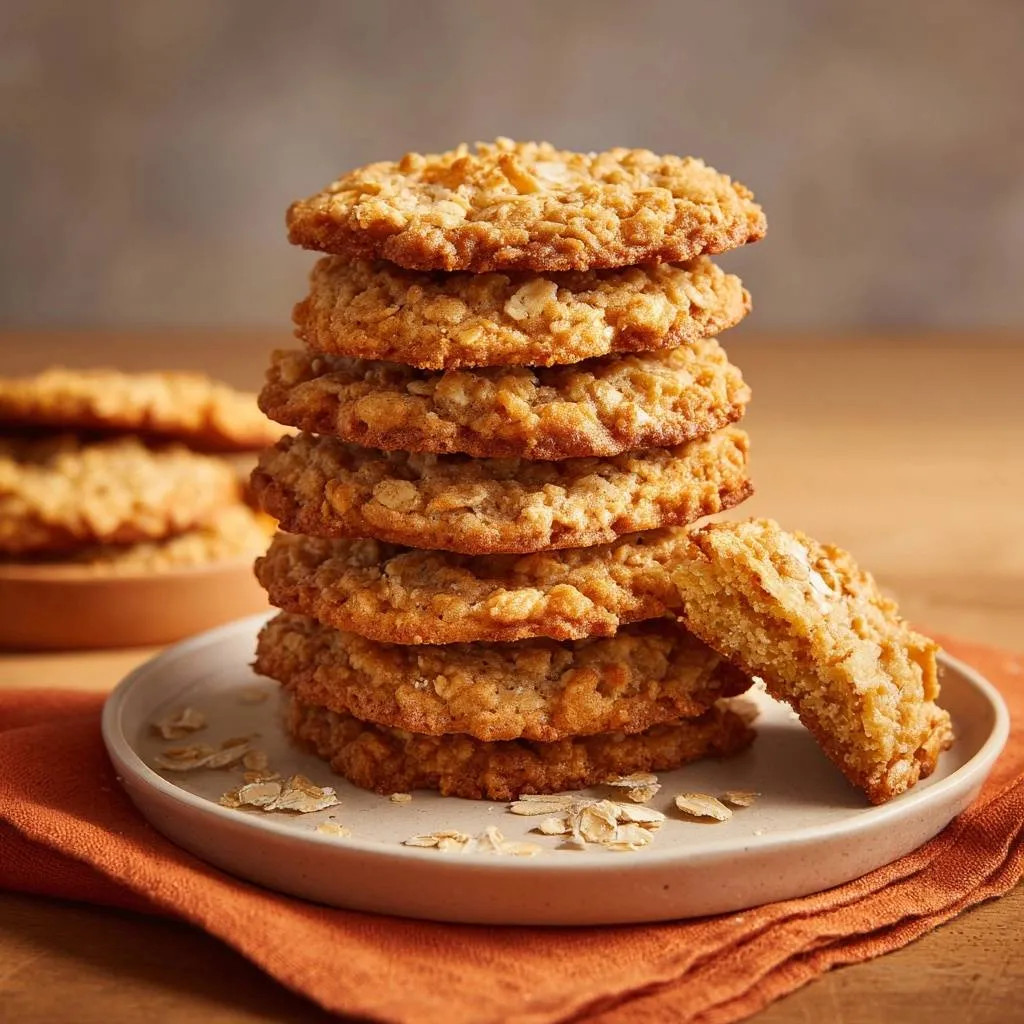
Why Chewy Oatmeal Cookies Always Fail
Picture this: you crave that perfect bite of chewy oatmeal cookie, but end up with dry, crumbly hockey pucks instead. It happens all the time because most folks skip the chill step or overmix the dough. However, this recipe fixes that with one simple trick.
Therefore, you get soft centers and crisp edges without the frustration. The oats soak up moisture properly, so they stay tender. In addition, brown sugar keeps everything hygroscopic and moist.
Here’s the expertise booster: chill the dough at least 30 minutes. This lets the oats hydrate fully from the butter and sugars. You’ll never bake dry cookies again.
For more cookie ideas that stay perfectly shaped, explore glazed raspberry thumbprint cookies.
Common Texture Pitfalls in Oatmeal Baking
Overmixing activates gluten in the flour, turning cookies tough. Skipping the chill means oats don’t absorb moisture, so they bake dry and crumbly. Quick oats spread too much since they lack the structure of rolled oats.
However, this recipe whisks dry ingredients first and chills thoroughly. Therefore, your cookies hold shape with chewy centers. Fresh baking soda ensures proper lift too.
Unlocking Moisture for Chewy Oatmeal Cookies
Brown sugar draws in and holds moisture way better than white sugar alone. It creates that signature chew through its molasses content. In addition, chilling hydrates the oats evenly.
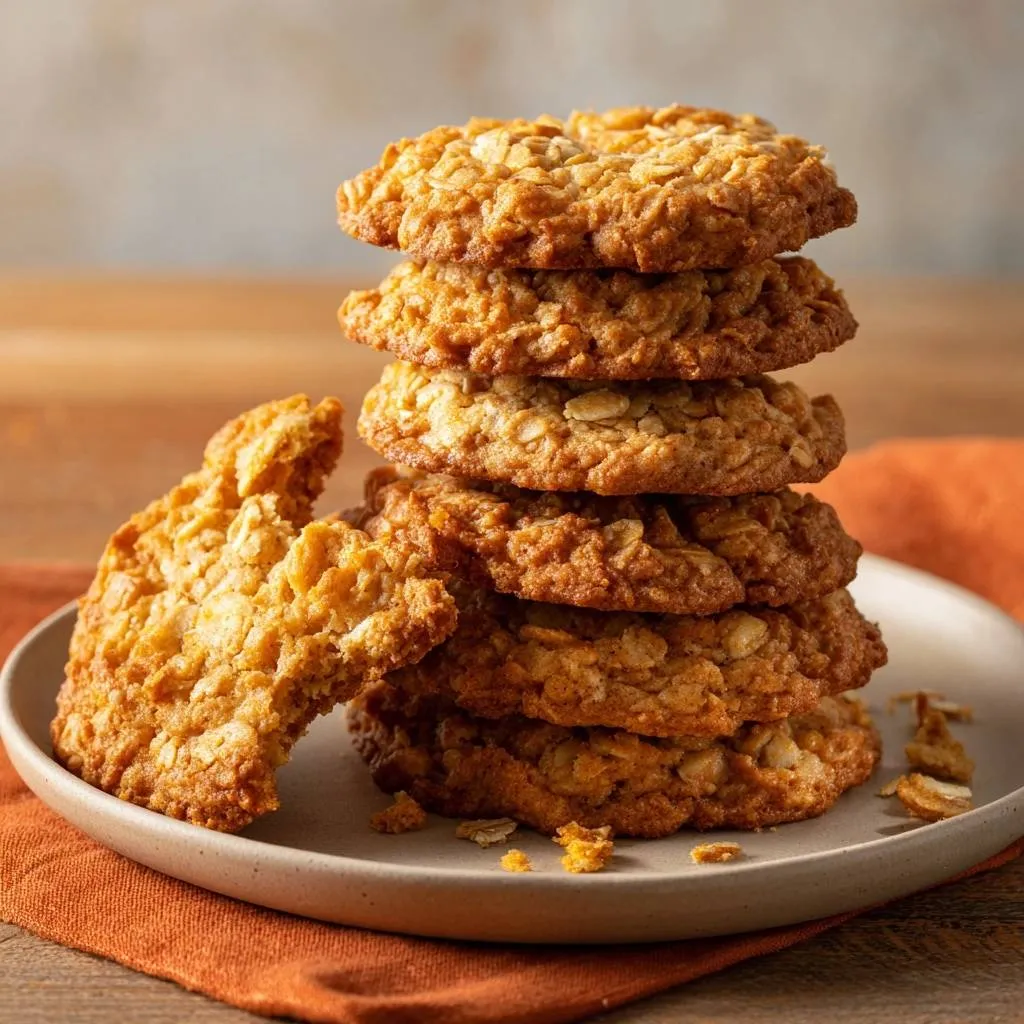
So, the dough firms up, preventing excessive spreading. You end up with crisp edges and pillowy insides every time.
Key Ingredients for Perfect Chewy Oatmeal Cookies
Butter and Sugars for Chewy Oatmeal Texture
Start with 1 cup softened unsalted butter. It creams smoothly, trapping air for tenderness. Packed brown sugar adds moisture and chew, while 1/2 cup granulated sugar crisps the edges.
Therefore, beat them 2 minutes until light and fluffy. This ratio prevents dryness. No butter? Use coconut oil, but expect a slight flavor shift.
In addition, room-temp butter incorporates evenly. Freshly opened brown sugar packs best for max moisture.
Dry Goods Blend for Chewy Oatmeal Structure
1 1/2 cups all-purpose flour provides structure without toughness. 1 teaspoon baking soda lifts gently, and cinnamon adds warmth. 1/2 teaspoon salt balances sweetness.
However, rolled oats are key, 3 cups total. They absorb moisture during chill for perfect chew. Avoid instant oats; they make cookies cakey.
More Oatmeal Goodness
If you love the texture and flavor of oats, here are a couple more recipes you might enjoy.
- For a portable, chewy treat, check out these chewy dried fruit oatmeal bars which use a similar base.
- If you’re looking for a breakfast option that uses oats, these zucchini oat breakfast bites offer a moist texture.
Pro tip: measure flour by spooning into the cup, not scooping. This keeps them chewy, not dense.
Eggs and Vanilla in Chewy Oatmeal Cookies
Two large eggs bind everything and add moisture. They create steam for lift during baking. Pure vanilla extract, 2 teaspoons, enhances oat flavor without overpowering.
Therefore, use room-temp eggs for smooth mixing. Large size matters; smaller ones dry out the dough. Vanilla’s subtle aroma blooms in the oven.
Science of Chilling Chewy Oatmeal Cookie Dough
Moisture Absorption by Oats Mechanism
During chill, oats’ starches gelatinize with butter fats and sugars. This locks in moisture, so cookies bake with soft centers. Without it, dough spreads thin and dries out.
In addition, fats solidify, holding shape for crisp edges. Baking science shows chilled dough yields 20% less spread. That’s your chewy secret.
Therefore, cover tightly to prevent drying. The result smells heavenly, like cozy mornings.
Temperature Control for Optimal Chew
Fridge chill at 30+ minutes hydrates oats evenly, unlike freezer which shocks them. Room-temp dough flattens fast. Chilled bakes taller with better texture.
However, don’t exceed overnight unless freezing. Ideal is 1-2 hours for max absorption.
Step-by-Step: Crafting Chewy Oatmeal Cookies
Creaming Wet Ingredients Base
Beat softened butter, brown sugar, and granulated sugar 2 minutes until creamy pale. Add eggs and vanilla; mix until smooth ribbons form. Stand mixer works best, but hand beaters do fine.
This traps air for lift. Overbeat and it turns greasy. Smells like caramel heaven already.
Combining Dry Ingredients Gently
Whisk flour, baking soda, cinnamon, and salt in another bowl. Gradually add to wet, mixing just until combined. Stir in oats last by hand.
Therefore, avoid overmixing to prevent tough gluten. Dough looks shaggy at first, but that’s perfect.
Chilling and Portioning Dough Balls
Cover dough and chill 30 minutes minimum. Scoop tablespoon-sized balls, place 2 inches apart on parchment-lined sheets. Press lightly if you like thinner edges.
In addition, uniform size ensures even baking. Chilled dough scoops easily without sticking.
Baking Precise Timing for Crisp Edges
Preheat to 350°F. Bake 10-12 minutes until edges golden, centers soft. Cool on sheet 5 minutes; they firm up chewy.
Pro tip: rotate sheets halfway for even color. Fresh-from-oven smell drives you nuts, but wait!
Avoiding Mistakes in Chewy Oatmeal Cookies
Overbaking Leads to Dry Results
Pull at 10-12 minutes when edges brown, centers pale. They continue cooking on the sheet. Calibrate oven with thermometer for accuracy.
Overbaked cookies harden as they cool. Underbaked centers set chewy later.
Skipping Chill Ruins Chew
No chill means thin, dry pucks from spreading. Always fridge 30 minutes. Rushed? Chill balls individually 15 minutes.
Oat Type Impacts Chewy Oatmeal Cookies
Rolled oats give chew; quick oats make cakey. Steel-cut stay too tough. Stick to old-fashioned rolled for best results.
Swap half with raisins if desired, but keep oats dominant.
Flavor Variations for Chewy Oatmeal Cookies
Adding Raisins or Nuts for Texture
Stir in 1 cup raisins or chopped walnuts after oats. Toast nuts first for nutty depth. Keeps core chew intact.
For a bright, citrusy treat, consider trying creamy lemon crumble bars next.
However, don’t overload; 1 cup max per batch. Plump raisins in hot water for extra juiciness.
Chocolate Chips in Chewy Oatmeal Dough
Add 1 cup semi-sweet chunks for melty pockets. Place some on top pre-bake for pretty look. Extra cinnamon pairs perfectly.
Chips hold shape better than chopped bar. Oh man, that gooey contrast rocks.
Health Swaps Maintaining Chew
Swap half flour for whole wheat, use coconut sugar for brown. Reduce total sugar 1/4 cup; chill longer. Still super chewy with fiber boost.
In addition, oats add heart-healthy beta-glucan. Tastes indulgent, feels better.
Storage Guide for Lasting Chewy Oatmeal Cookies
Air Tight Containers Preserve Moisture
Store room temp in airtight container up to 5 days. Fridge lasts 1 week; soften with paper towel slice. Freeze baked cookies 3 months in bags.
Revive chew by microwaving 5 seconds. Dough freezes great too.
Make-Ahead Strategies for Batches
Chill dough overnight for deeper flavor. Flash-freeze scoops on sheet, then bag. Bake from frozen, add 1-2 minutes.
Perfect for surprise cravings. Even baking every time.
Pairing Ideas with Chewy Oatmeal Cookies
Coffee cuts the sweetness perfectly, hot or iced. Creamy whole milk balances spice. Herbal tea like chamomile warms it up.
In addition, pair with fresh apple slices for fall vibes. Cheese board with sharp cheddar surprises delightfully. Keeps the oat flavor shining.
Troubleshooting Chewy Oatmeal Cookies Issues
Why Cookies Spread Too Much
Longer chill, accurate flour measure, or less sugar fixes it. Warm oven racks cause spread too. Chill dough balls if needed.
Flat vs. Puffy Texture Solutions
Fresh baking soda, large eggs, middle rack baking help. Old soda deflates them. Test soda in water for fizz.
Too Soft or Too Crisp Fixes
Adjust cooling time or airtight storage. Too crisp? Add bread slice to container. Re-crisp soft ones at 300°F 3 minutes.
Batter Consistency Problems
Sift flour in humid weather. Add 1 tablespoon more if sticky. Consistent scoop sizes help.
Chewy Oatmeal Cookies FAQ
Can I Use Quick Oats for Chewy Cookies?
Quick oats work but yield cakier texture; reduce to 2 1/2 cups and chill longer. Rolled oats absorb better for true chew. Adjust bake time down 1 minute to avoid dryness.
How Long to Chill Chewy Oatmeal Dough?
Minimum 30 minutes, ideal 2 hours for even hydration. Overnight deepens flavor and firms perfectly. Don’t skip; it prevents spreading and locks in moisture.
Freezing Chewy Oatmeal Cookies Properly?
Freeze dough balls or baked cookies in airtight bags up to 3 months. Thaw dough overnight in fridge, bake from frozen adding 2 minutes. Baked thaw at room temp; microwave briefly for chew revival.
Gluten-Free Chewy Oatmeal Cookies Possible?
Yes, use 1:1 gluten-free flour blend and certified GF oats. Add 1/4 teaspoon xanthan gum if blend lacks it. Chill extra 1 hour; texture stays chewy with no grit.
Scaling Up Chewy Oatmeal Cookie Recipe?
Double ingredients easily; bake in batches for even heat. Chill full amount 1 hour. Watch first sheet for timing tweaks, usually same 10-12 minutes per tray.
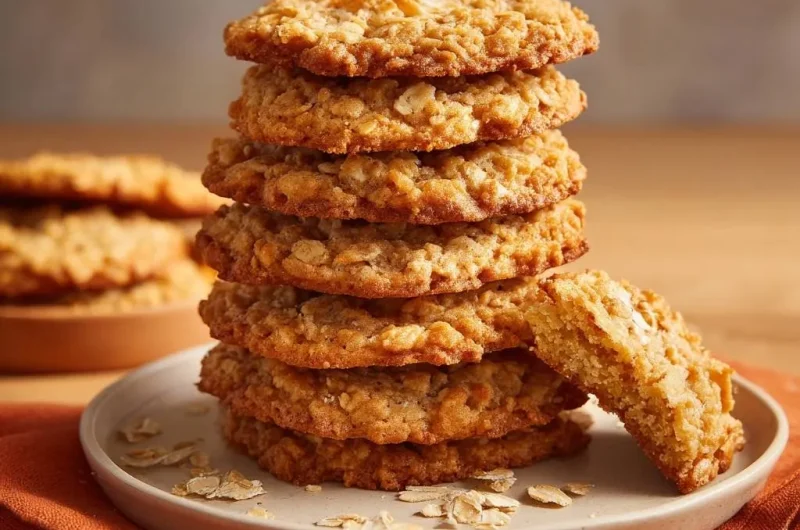
Oatmeal Cookies
Course: DessertCuisine: AmericanDifficulty: easy36
cookies15
minutes12
minutes150
kcal57
MinutesSay goodbye to crumbly, dry oatmeal cookies. This recipe delivers soft, chewy centers with crisp edges thanks to chilling the dough, allowing oats to soak up moisture from butter and brown sugar.
Ingredients
1 cup unsalted butter, softened
1 cup brown sugar, packed
1/2 cup granulated sugar
2 large eggs
2 teaspoons vanilla extract
1 1/2 cups all-purpose flour
1 teaspoon baking soda
1 teaspoon ground cinnamon
1/2 teaspoon salt
3 cups rolled oats
Directions
- In a large bowl, beat softened butter, brown sugar, and granulated sugar until creamy, about 2 minutes. Add eggs and vanilla; beat until smooth.
- In another bowl, whisk flour, baking soda, cinnamon, and salt. Gradually mix dry ingredients into wet until just combined. Stir in oats.
- Cover dough and chill in the fridge for at least 30 minutes. This crucial step lets the oats absorb moisture from the butter and sugars, preventing dry, tough cookies.
- Preheat oven to 350 degrees F. Line baking sheets with parchment paper. Scoop tablespoon-sized dough balls, place 2 inches apart.
- Bake 10 to 12 minutes until edges are golden but centers are still soft. Cool on sheet 5 minutes, then transfer to rack. Store in airtight container.
Notes
- Chilling the dough for at least 30 minutes is crucial to prevent dry, tough cookies. Store in an airtight container for freshness.