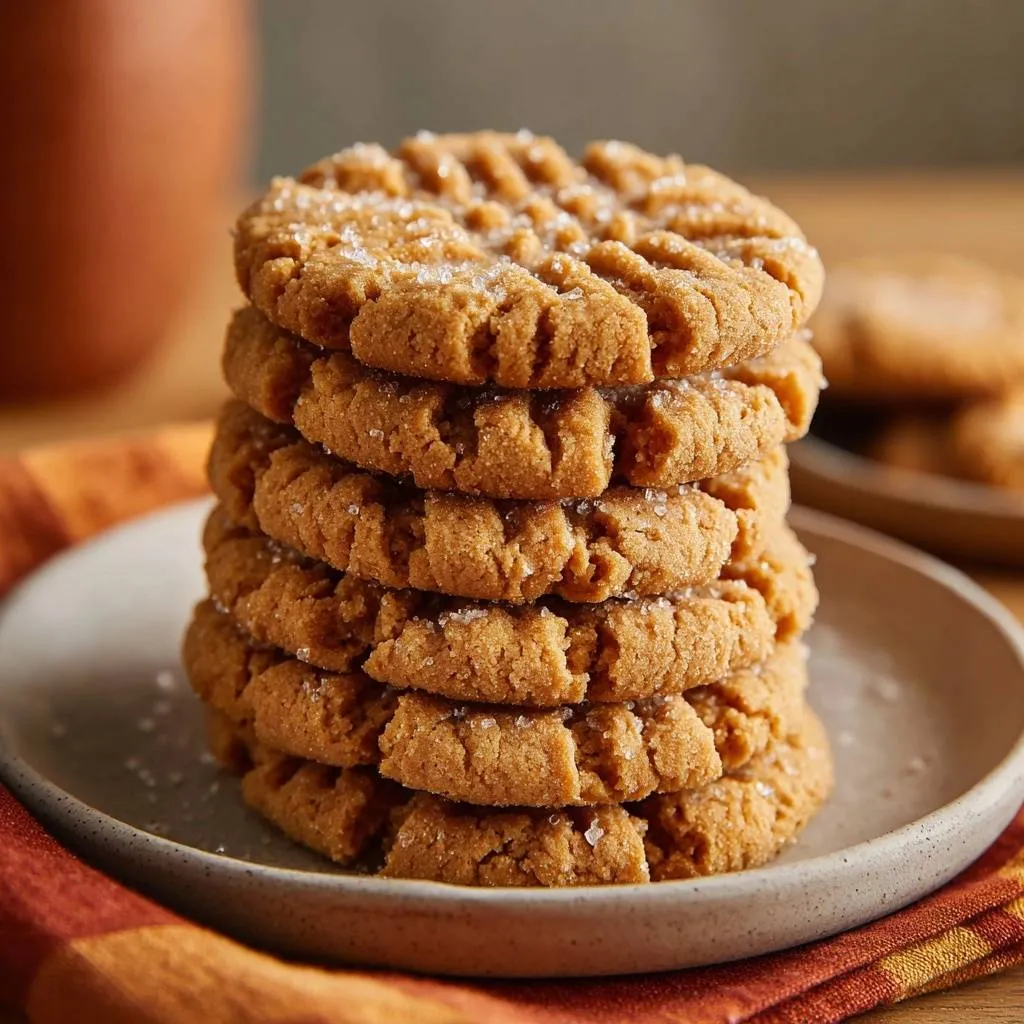
Ever pull chewy peanut butter cookies from the oven only to watch them slump into thin, sad discs? This recipe ends that heartbreak. You get thick, crinkly treats that stay pillowy in the center with just the right chew, thanks to a foolproof chill step. It yields 24-30 cookies, with 20 minutes prep plus 2 hours chilling and 12 minutes baking.
So why do most peanut butter cookies spread like crazy? Warm dough fats melt too fast in the oven, turning your bake into pancakes. However, chilling firms everything up first. Therefore, you control the spread and nail that perfect texture every time.
For similar no-spread results, explore glazed raspberry thumbprint cookies.
Here’s the expertise kicker: use softened butter at exactly room temperature, around 65-70°F. It creams smoothly with peanut butter for even aeration, but the chill locks it solid. No guesswork, just bakery-level results.
Core Ingredients for Chewy Peanut Butter Cookies
Peanut Butter and Butter Duo
Creamy peanut butter brings rich, nutty flavor and structure to your chewy peanut butter cookies. It holds the dough together without chunkiness distracting from that smooth bite. Meanwhile, softened unsalted butter adds tenderness; you control saltiness perfectly this way.
However, the duo balances fats just right. Too much butter leads to spread, but this combo creams into a stable base. Pick a no-stir creamy peanut butter for easiest mixing; natural ones work if you drain excess oil first.
Sugars Driving Chew and Crinkle
Brown sugar packs in molasses for moisture and chewiness in these cookies. It keeps them soft even days later. Granulated sugar, on the other hand, gives crisp edges and that signature roll for crinkles.
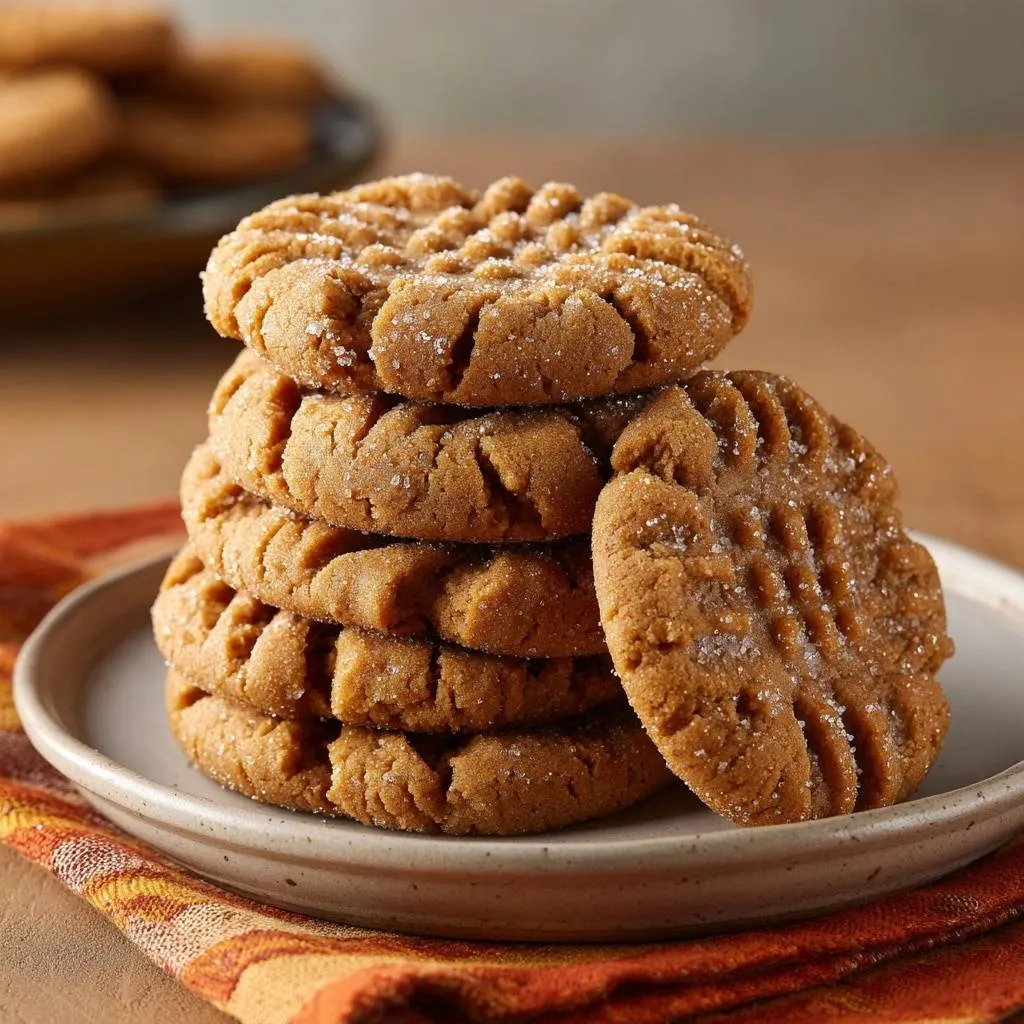
In addition, the dual sugars prevent a cakey texture. Brown keeps it tender while granulated creates surface tension. Therefore, you get both chew and snap without dryness.
Dry Mix: Flour, Soda, Salt Precision
All-purpose flour provides just enough structure at 1 1/4 cups; more makes them tough. Baking soda reacts for lift, ensuring thick centers. Salt sharpens the peanut butter’s flavor without overpowering.
For best results, whisk dry ingredients first. Spoon and level flour instead of packing cups. This precision stops dense cookies and promotes even rise.
Science of Thick Chewy Peanut Butter Cookies
Chilling’s Role in Fat Stability
Chilling for at least 2 hours recrystallizes the fats in your dough. Softened butter and peanut butter solidify, resisting the oven’s heat. Therefore, cookies hold their shape instead of spreading flat.
For a similar chilled approach to perfect texture, explore these glazed orange creamsicle cookies.
Overnight chilling works even better; it deepens flavors too. Skip this, and warm dough melts fast. Always cover tightly to prevent drying.
Sugar Crystallization for Crinkly Tops
The heavy granulated sugar roll creates a crisp shell. As the cookie expands in the oven, it cracks beautifully for those iconic crinkles. Humidity can soften them, so bake on dry days if possible.
More Sweet Treats
If you enjoyed these chewy peanut butter cookies, you might like these other baked goods.
- For a warm start to your day, consider making fluffy pumpkin spice pancakes, featuring a similar cozy spice blend.
- Another delightful breakfast option is cinnamon French toast stacks, offering a different way to enjoy classic breakfast flavors.
Roll generously; thin coats lead to smooth tops. This step drives the visual appeal and texture contrast everyone loves.
Step-by-Step: Crafting Chewy Peanut Butter Cookies
Creaming Wet Ingredients Smoothly
Start with a large bowl and beat peanut butter, softened butter, 1 cup granulated sugar, and brown sugar for 2 minutes. You’ll see a creamy, light mixture with a nutty aroma rising. Add the egg and vanilla next; beat just until combined to avoid curdling.
Use medium speed on your mixer. This aerates the batter for tenderness. Scrape sides often for evenness.
Combining Dry into Wet Dough
Whisk flour, baking soda, and salt in a separate bowl first. Gradually add to wet mix on low speed. Stop once a dough forms; overmixing develops gluten and toughens cookies.
It’ll look shaggy at first, then come together smoothly. Therefore, patience here pays off big.
Essential Chilling and Prepping Balls
Cover dough tightly and chill 2 hours minimum. Scoop 1-tablespoon balls, roll heavily in extra granulated sugar, and space 2 inches apart on parchment-lined sheets. Press lightly with a fork for the classic crosshatch if you want.
Cold dough smells faintly sweet from the sugar coat. This preps perfect expansion.
Baking for Set Edges, Soft Centers
Preheat to 350°F and bake 10-12 minutes. Edges set golden while centers stay soft and doughy. Cool on the sheet 5 minutes; they firm up chewy as they cool.
Avoiding Spread in Chewy Peanut Butter Cookies
Overmixing and Dough Warmth Fixes
Overmixing wakes up gluten, causing spread and toughness. Mix dry in gradually and chill immediately. If your kitchen’s warm, extend chill to 3 hours for safety.
Oven and Pan Temperature Control
Bake middle rack at 350°F; hotter temps melt fats too quick. Cool sheets between batches under cold water. Parchment prevents sticking better than grease.
Flavor Variations for Chewy Peanut Butter Cookies
Chocolate and Nut Add-Ins
Stir in 1/2 cup chocolate chips or chopped Reese’s pieces after chilling. They melt slightly for gooey pockets without ruining chew. Keep add-ins small to maintain shape.
Spice and Extract Twists
Add 1/2 teaspoon cinnamon or swap vanilla for almond extract. These boost without overpowering peanut butter. Sprinkle sea salt on top post-roll for contrast.
For nut-free, use sunflower seed butter. Gluten-free flour swaps 1:1, but chill longer.
Storage Guide for Lasting Chewy Peanut Butter Cookies
Freezing Dough vs. Baked Cookies
Store baked cookies airtight at room temp up to 5 days; they stay chewy. Fridge works 1 week, but warm gently to revive texture. Freeze baked up to 3 months in bags; thaw at room temp.
For dough, freeze scooped balls on a tray first, then bag. Bake from frozen, adding 1-2 minutes. Perfect for fresh cookies anytime.
Pairing Ideas with Chewy Peanut Butter Cookies
Cold milk cuts through the richness perfectly. Hot coffee or tea enhances the nutty warmth. Make ice cream sandwiches with vanilla for next-level treats.
Sparkling cranberry juice adds tart brightness. They shine on holiday platters with fruit salad too.
Troubleshooting Chewy Peanut Butter Cookies
Flat Cookies: Quick Fixes
Flat cookies mean insufficient chill or warm butter. Always chill 2 hours minimum and use room-temp butter. Extra fridge time fixes room warmth issues.
Cakey Texture Solutions
Cakey comes from too much flour or overbaking. Measure flour precisely and pull at 10 minutes for soft centers. Brown sugar ratio keeps moisture locked in.
No Crinkles or Pale Edges
Missing crinkles? Roll thicker in sugar. Pale edges signal oven calibration; use an oven thermometer and bake until just set.
Dough Too Dry or Sticky
Dry dough needs less flour; spoon it lightly. Sticky? Your peanut butter might be oily, so chill longer. Humidity affects this too.
FAQ
How do I store chewy peanut butter cookies and can they be frozen?
Keep baked cookies in an airtight container at room temperature for up to 5 days; they’ll stay chewy thanks to the brown sugar. Refrigerate up to 1 week in a sealed bag, but reheat in a 300°F oven for 2-3 minutes to restore softness. Freeze both dough balls and baked cookies for 3 months; flash-freeze scoops on a tray first, then transfer to a freezer bag. Bake frozen dough straight from the freezer, adding 1-2 minutes to time, no thawing needed. Avoid stacking soft cookies when freezing to prevent sticking.
Why did my chewy peanut butter cookies spread flat?
Spreading happens from warm dough, soft butter, or skipping the chill. Fats melt too quickly in the oven without that 2-hour fridge time to solidify them. Fix it by chilling longer (overnight’s ideal), ensuring butter’s at cool room temp before creaming, and not overmixing to limit gluten. If your kitchen’s hot, pop the baking sheet in the fridge 10 minutes pre-bake. This locks in thickness every time.
Can I substitute ingredients in chewy peanut butter cookies?
Swap creamy peanut butter for sunflower seed butter 1:1 for nut-free; it mimics the fat and flavor well. Use gluten-free 1:1 flour blend, but add 1/4 teaspoon xanthan gum if not included and chill extra for structure. No brown sugar? Mix white sugar with 1 tablespoon molasses. Skip eggs with a flax egg (1 tbsp ground flax + 3 tbsp water), but expect slightly less lift. These keep the chew intact without big changes.
Why are my chewy peanut butter cookies cakey instead of chewy?
Cakiness stems from overbaking, too much flour, or low brown sugar. Pull cookies at 10 minutes when edges set but centers look underdone; they firm chewy on cooling. Measure flour by spooning into the cup and leveling, not scooping, to avoid density. Brown sugar’s molasses is key for moisture, so don’t sub fully. Pro tip: underbake slightly for that signature pillowy middle.
How do I get perfect crinkles on chewy peanut butter cookies?
Heavy granulated sugar rolling creates the crisp shell that cracks as the cookie expands. Use coarse sugar if you have it for bigger cracks, and ensure dough’s ice-cold before baking. High humidity softens them, so pat dry if needed or bake in a dry environment. Don’t press too hard with the fork; gentle crosshatch lets natural tension shine. Bake consistently at 350°F middle rack for even heat.
Can I make chewy peanut butter cookies ahead for a party?
Yes, freeze dough balls up to 3 months for fresh-baked taste. Scoop, roll in sugar, freeze on a sheet, then bag. Bake from frozen at 350°F for 11-14 minutes. Baked cookies freeze well too; layer with parchment in bags. Thaw overnight in the fridge and crisp in a 325°F oven 3 minutes. This way, you pull warm, chewy cookies right when guests arrive without last-minute rush.
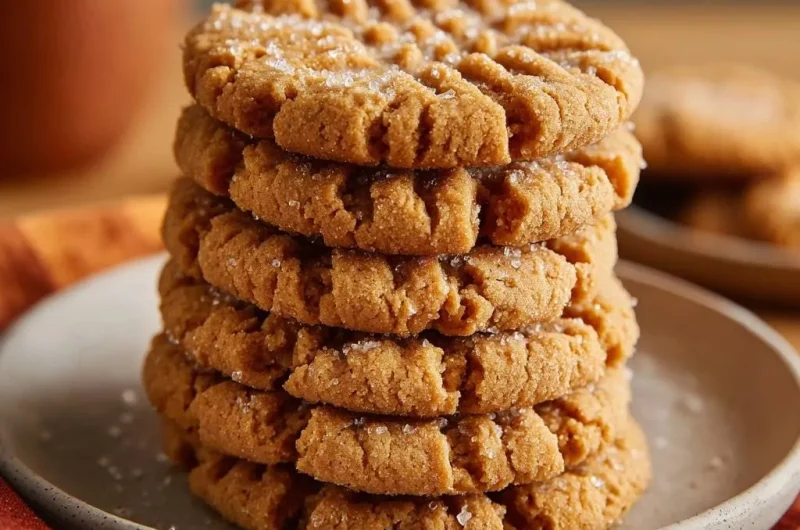
Peanut Butter Cookies
Course: DessertCuisine: AmericanDifficulty: easy24
cookies20
minutes12
minutes180
kcal120
MinutesTired of peanut butter cookies flattening into sad discs? This recipe fixes it with a simple chill that locks in thick, chewy texture every time. Perfect crinkles, no spread.
Ingredients
1 cup creamy peanut butter
1/2 cup unsalted butter, softened
1 cup granulated sugar (plus 1/2 cup extra for rolling)
1/2 cup packed brown sugar
1 large egg
1 teaspoon vanilla extract
1 1/4 cups all-purpose flour
1 teaspoon baking soda
1/2 teaspoon salt
Directions
- In a large bowl, beat peanut butter, softened butter, 1 cup granulated sugar, and brown sugar until smooth and creamy, about 2 minutes. Add egg and vanilla; beat until combined.
- In a separate bowl, whisk flour, baking soda, and salt. Gradually mix dry ingredients into wet until a dough forms. Do not overmix.
- Cover dough tightly and chill in the fridge for at least 2 hours (or overnight). This key step firms up the fat, preventing spread during baking for guaranteed thick, chewy cookies with perfect crinkles.
- Preheat oven to 350°F. Line baking sheets with parchment paper.
- Scoop 1-tablespoon balls of chilled dough. Roll each in the extra granulated sugar to coat heavily. Place 2 inches apart on sheets. Gently flatten slightly with a fork if desired for classic pattern.
- Bake 10-12 minutes until edges are set and centers are still soft. Cookies will firm as they cool, staying thick and chewy. Cool on sheet 5 minutes, then transfer to wire rack. Store in airtight container up to 5 days.
Notes
- Chilling the dough for at least 2 hours is crucial to prevent spreading and achieve thick, chewy cookies with perfect crinkles. Store in an airtight container for up to 5 days.