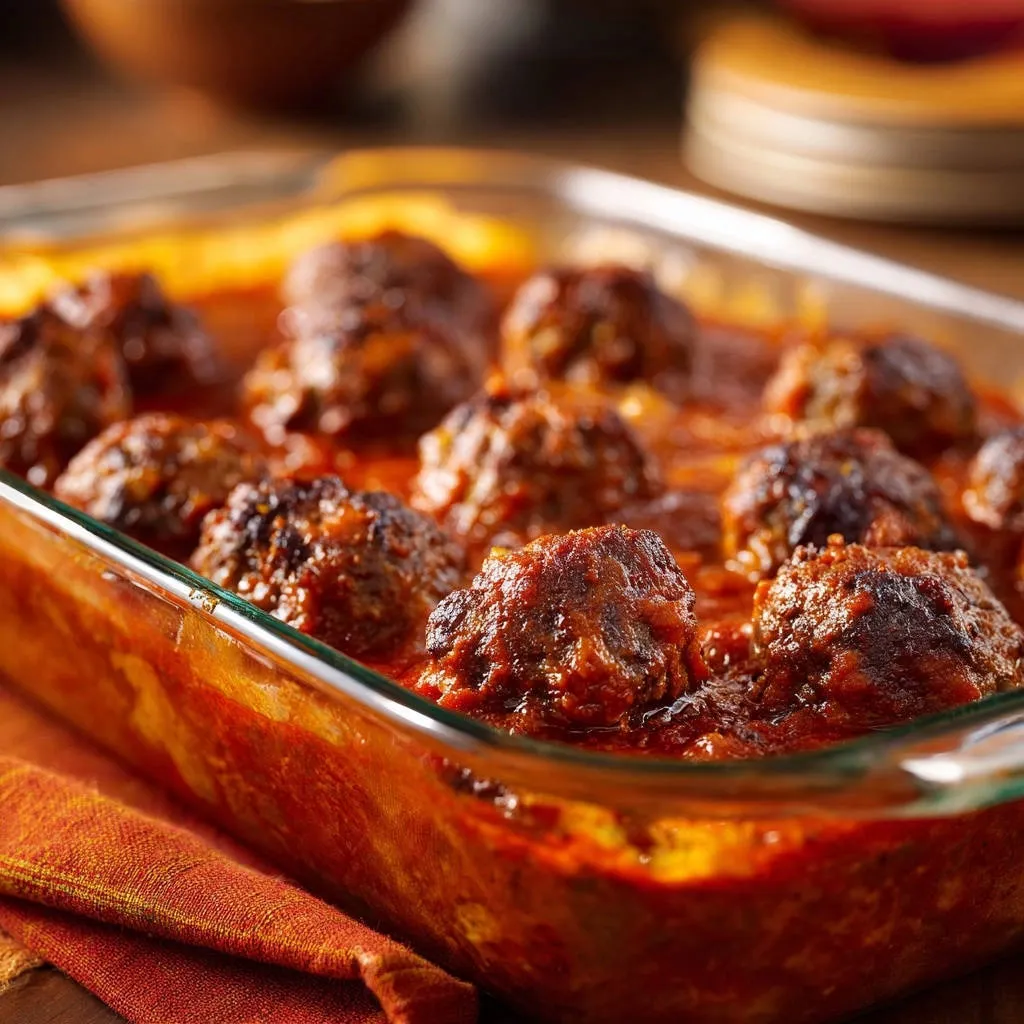
There is truly nothing sadder than biting into a meatball only to find it dry, tough, or dense. It took years to perfect a method that locks in moisture, resulting in the most unbelievably tender Classic Baked Meatballs you will ever make.
This recipe relies on one crucial addition-the panade-which guarantees they remain incredibly soft, whether served immediately or simmered for hours in your favorite sauce. This is the last meatball recipe you will ever need.
The Meatball Secret: Why These Bites Are Never Dry or Dense
The universal problem in meatball making is moisture loss. As the meat proteins cook and contract, they squeeze out internal liquids, leading to a tough and dry texture.
Our solution is the panade: a paste made from saturated stale bread and milk. This high-moisture binder acts like a tiny sponge within the meat, preventing the proteins from fully tightening and ensuring every bite is succulent.
Furthermore, the searing combined with slow baking creates unparalleled flavor depth. Searing develops a beautiful exterior crust, while the bake time in the sauce allows the meatballs to fully absorb the rich tomato flavor.
Building Blocks of Flavor: Essential Ingredients for Perfect Meatballs
The Meat Base: Selecting the Right Blend for Texture
We recommend using ground beef with an 85% lean ratio, or a similar blend like 80/20. The 15-20% fat content is essential for flavor and natural tenderness.
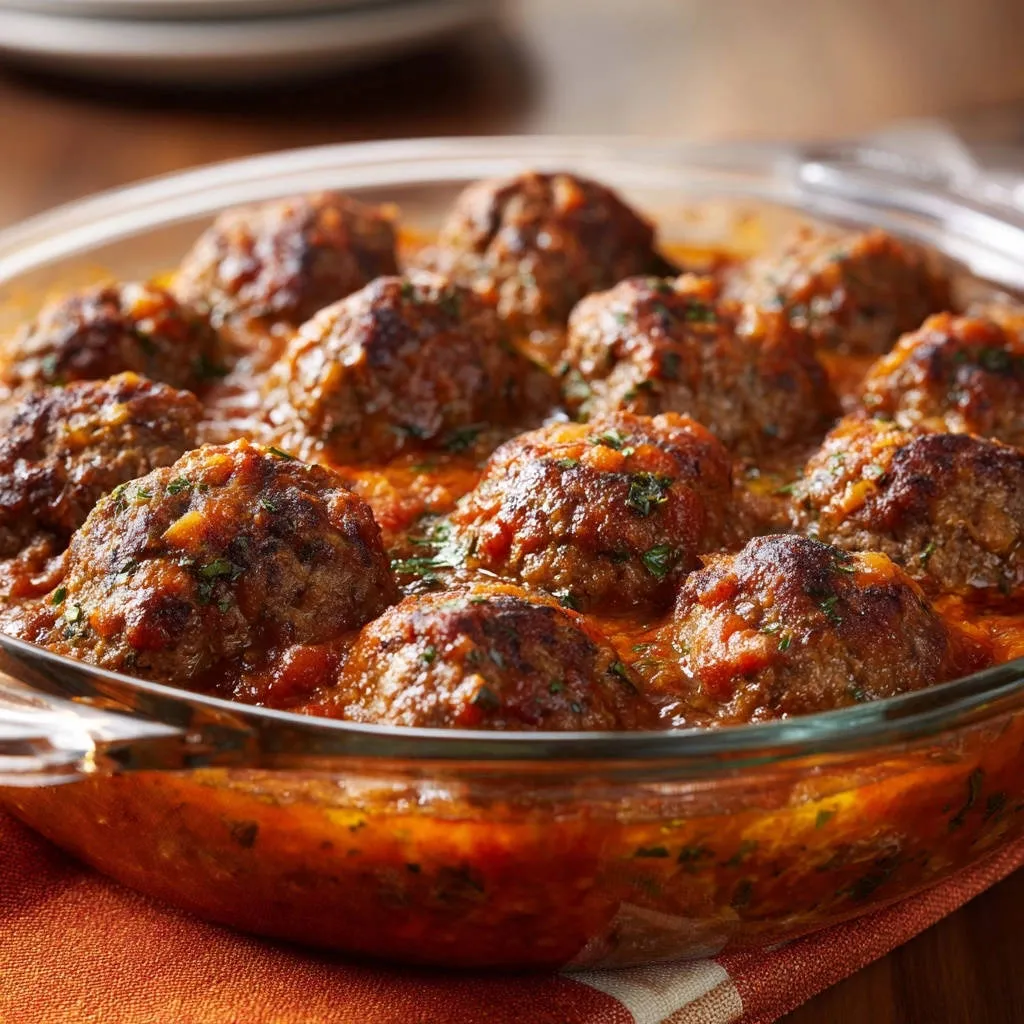
Using beef that is too lean (90%+) often results in a drier, tougher meatball, even with the panade. Conversely, meat that is too fatty can render excessively and lead to a greasy final product.
The Panade Trio: Unleashing the Power of Saturated Bread
Stale white bread, soaked in whole milk or water, is the secret weapon. The stale nature of the bread allows it to fully absorb the liquid without becoming gluey.
Once mashed into a paste, this mixture dramatically boosts the internal moisture level of the meat. It truly is the insurance policy against density.
Aromatics and Binding Agents: Cheese, Garlic, and Egg
Freshly grated Parmesan cheese provides a vital salty, savory umami depth that elevates the overall flavor profile of the meatballs.
Grated onion contributes essential moisture and a nuanced, sweet flavor, ensuring it melts seamlessly into the mixture without leaving raw chunks.
The lightly beaten egg acts as the primary binder, helping all the ingredients coalesce and preventing the meatballs from falling apart during the crucial searing step.
Mastering the Method: A Step-by-Step Guide to Baking Success
Phase 1: Preparing the Critical Panade
-
Soak the Bread: Pour the liquid over the torn bread and let it fully saturate (5 minutes).
This soaking time is crucial; the bread must be completely mushy to integrate properly into the meat mixture.
-
Create the Paste: Use a fork or hands to mash the soaked bread into a thick, uniform paste.
Ensure there are no dry spots. This high-moisture paste is the insurance policy against dry meatballs.
Phase 2: The Gentle Mix Rule (Avoiding Toughness!)
- Combine Ingredients: Add the ground beef, panade, egg, grated aromatics, and seasonings to a large bowl.
-
The Gentle Touch: Mix with clean hands only until everything is just combined.
Crucial Tip: Stop mixing immediately when the meat is uniform. Overmixing develops tough gluten strands and is the number one cause of dense, rubbery meatballs.
Phase 3: Shaping, Searing, and Flavor Depth
-
Roll Uniform Balls: Roll the mixture into 1.5-inch balls.
Keeping them uniform ensures consistent cooking. Use a small scoop if possible.
-
Heat the Oil and Sear: Heat olive oil over medium-high heat and sear the meatballs until a deep brown crust forms on all sides (5-7 minutes).
This searing step is non-negotiable. It builds a crucial layer of caramelized, deep flavor (the Maillard reaction) and helps the meatballs maintain their shape during the long bake.
- Prepare for Baking: Transfer the seared meatballs to your baking dish.
Phase 4: Low and Slow Baking in Sauce
-
Sauce It Up: Pour the crushed tomatoes or marinara evenly over the meatballs.
Ensure the sauce covers the meatballs well, as they will soak up flavor and moisture as they bake.
-
Bake to Perfection: Bake at 350°F (175°C) for 30 to 35 minutes, uncovered.
The internal temperature should reach 160°F (71°C) when done. Baking them in the sauce keeps them juicy and infused with tomato flavor.
Chef’s Secrets for Irresistible Classic Baked Meatballs
Grate the Onion: Grating the onion (rather than dicing) ensures it incorporates seamlessly without adding unwanted crunch, delivering maximum moisture and flavor.
Chill for Easier Shaping: If your mixture feels too sticky, cover it and chill it for 15 minutes before rolling. The fat will firm up, making the shaping process faster and cleaner.
Use a Cookie Scoop: Using a 1.5-inch cookie scoop ensures every meatball is identically sized. This is vital for uniform searing and cooking times.
Don’t Skimp on the Stale Bread: Only stale bread should be used for the panade. Fresh, soft bread absorbs the liquid too quickly and can make the mixture gluey, not tender.
Troubleshooting & FAQs: Ensuring Your Meatballs Are Always Perfect
Why Did My Meatballs Fall Apart During Searing?
The mixture likely contained too much moisture (check the panade ratio) or was handled too aggressively during mixing. Ensure you chill the mixture slightly before rolling.
Also, make sure the oil is hot before adding the meatballs. Cold oil prevents a quick crust from forming, which is necessary for structural integrity.
Can I Substitute Breadcrumbs for the Panade?
While you can, it’s strongly discouraged for this recipe. Traditional breadcrumbs absorb liquid but do not hold moisture nearly as effectively as a fully saturated bread paste, leading to a much higher risk of dry, dense meatballs.
What Are the Best Serving Suggestions for Classic Baked Meatballs?
These classic meatballs are perfect over spaghetti, nestled in a sturdy meatball sub with melted provolone, or served simply as an appetizer with crusty Italian bread to soak up the sauce.
For a similar satisfying meal, try this skillet baked rigatoni.
They also pair wonderfully with creamy polenta or mashed potatoes for a comforting dinner.
For a similar comforting beef dish, try making classic beef and herb lasagna.
Make-Ahead, Freezing, and Storage Tips
How to Prepare Classic Baked Meatballs Ahead of Time
The meatballs can be mixed, shaped, and seared (Phase 3) completely ahead of time. Allow them to cool, then refrigerate in an airtight container for up to 2 days before saucing and baking.
Round Out Your Meal
These pasta dishes offer a creamy, satisfying counterpoint to your meatballs.
- For a rich, tomato-forward pasta, consider this creamy sun-dried tomato and spinach penne, which shares a vibrant sauce base.
- If you prefer a quicker pasta preparation, this creamy tomato skillet gnocchi offers a similar flavor profile with tender gnocchi.
Freezing Meatballs: Cooked vs. Uncooked
Cooked: Bake them fully in the sauce, cool completely, and freeze the whole dish in a freezer-safe container. Thaw overnight and reheat in the oven (350°F) until bubbling hot.
Uncooked/Seared: After searing, place the cooled meatballs on a baking sheet to flash freeze. Once solid, transfer them to a freezer bag. They can be baked directly from frozen (add 15-20 minutes to the bake time) in the sauce.
Ready to Impress? Share Your Classic Baked Meatballs Masterpiece!
Armed with the crucial panade technique, you now have the ultimate blueprint for crafting perfectly tender and deeply flavorful Classic Baked Meatballs.
This simple addition transforms Sunday dinner, guaranteeing rave reviews and eliminating the fear of dry meat. Give this recipe a try and let us know how quickly these tender bites disappear!
Baked Meatballs
Course: Main CourseCuisine: Italian-AmericanDifficulty: easy16
Meatballs15
minutes45
minutes90
kcal60
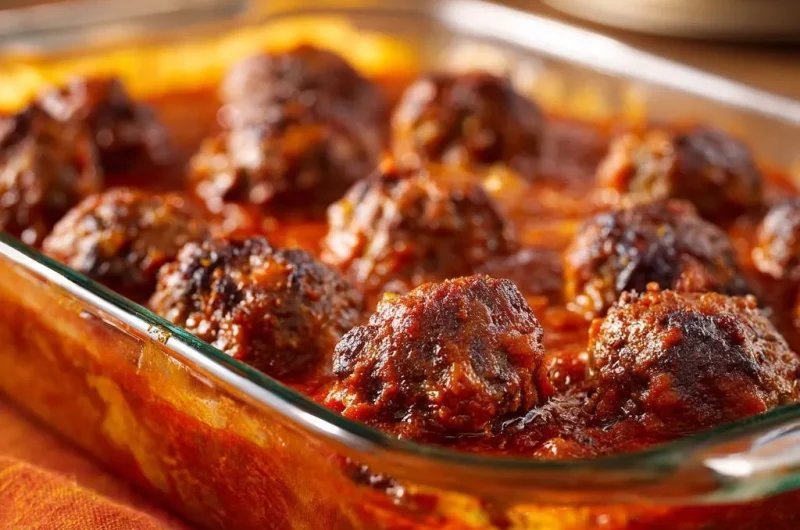
minutesThese meatballs are unbelievably tender thanks to the crucial panade technique, which locks in moisture. Sear them for deep flavor, then finish low and slow in marinara sauce for a perfect Sunday dinner staple.
Ingredients
1 cup whole milk or water
2 slices stale white bread crusts removed and roughly torn
1 pound ground beef 85 percent lean or similar blend
1 large egg lightly beaten
1/4 cup grated onion or very finely minced
2 cloves garlic minced
1/4 cup finely chopped fresh parsley
1 teaspoon salt
1/2 teaspoon black pepper
1/4 cup grated Parmesan cheese
2 tablespoons olive oil for searing
24 ounces crushed tomatoes or marinara sauce
Directions
- Prepare the Panade (The Tenderness Secret). In a medium bowl, pour the milk or water over the torn bread. Let the bread soak for about 5 minutes until it is completely mushy and saturated. Use your hands or a fork to completely mash the mixture into a loose paste. This highly moisture-rich paste is what prevents the meatballs from drying out and becoming dense.
- Mix Gently. In a separate large bowl, combine the ground beef, the panade mixture, egg, grated onion, minced garlic, parsley, salt, pepper, and Parmesan cheese. Using clean hands, mix the ingredients very gently. Stop mixing the moment everything is just combined. Overmixing compresses the proteins and is the main cause of tough, dense meatballs.
- Shape and Sear. Roll the mixture into 1.5 inch balls. Heat the olive oil in a large skillet over medium-high heat. Sear the meatballs until well-browned and crusted on all sides (about 5 to 7 minutes total). This searing step is key for flavor depth and structure, ensuring they do not fall apart during baking. Remove the meatballs and place them in a 9×13 inch glass baking dish.
- Sauce and Bake. Pour the crushed tomatoes or marinara sauce evenly over the browned meatballs. Preheat your oven to 350 degrees F.
- Finish Low and Slow. Bake the meatballs uncovered for 30 to 35 minutes, or until they are cooked through and have soaked up the rich flavor of the sauce. Since they started with the panade, they will remain incredibly tender as they finish cooking in the oven. Serve hot.
Notes
- The key to tenderness is avoiding overmixing the meat mixture when combining the ingredients. Use 85% lean ground beef.