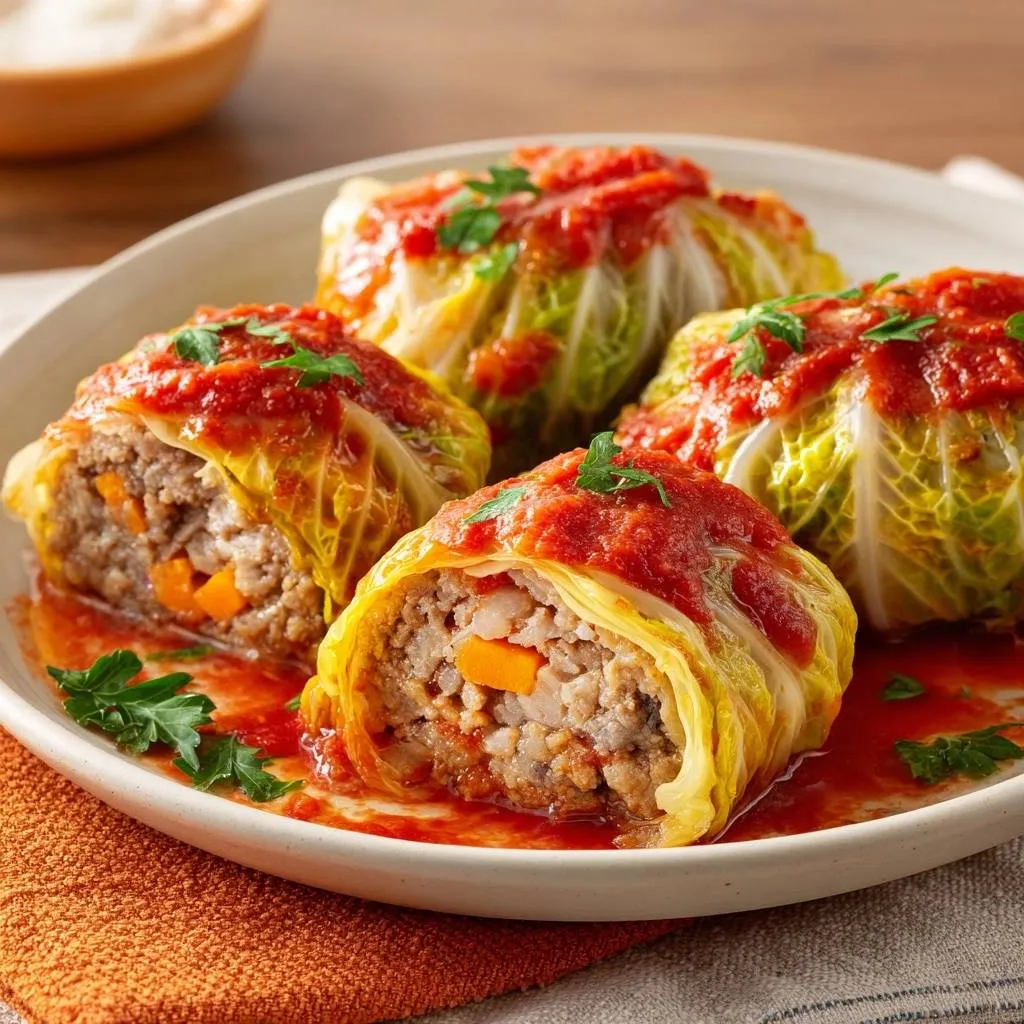
Ever wrestled with stubborn cabbage leaves that tear every time you try to roll them? You know the frustration, right? This freezer method changes everything. It softens those leaves perfectly without the boiling mess, so you get plump, intact rolls every single time.
Therefore, you end up with juicy beef, carrot, and rice filling tucked inside, all swimming in a rich tomato sauce. It’s that classic Eastern European comfort that warms you from the inside out. The tenderness hits just right, with savory beef balancing the sweet carrots and tangy sauce.
Here’s the expertise kicker: freeze the whole cored head overnight, then thaw. Ice crystals break down the cell walls gently, making leaves pliant without sogginess. No more rips, just easy peeling and wrapping.
Why Freezer Method Transforms Cabbage Leaves
Science of Freezing for Pliant Leaves
Cabbage leaves stay tough because of their high water content and rigid cells. When you freeze the whole head, ice crystals form and expand, rupturing those cells just enough. This wilts the leaves for flexibility, unlike boiling which makes them mushy and waterlogged.
In addition, traditional blanching often leads to splits from uneven heat. Freezing gives uniform pliancy. You’ll notice the leaves bend without cracking after thawing, ready for filling.
However, don’t skip patting them dry. Excess moisture leads to soggy rolls. This method delivers that perfect chew against the tender filling.
Step-by-Step: Core Removal and Freezing
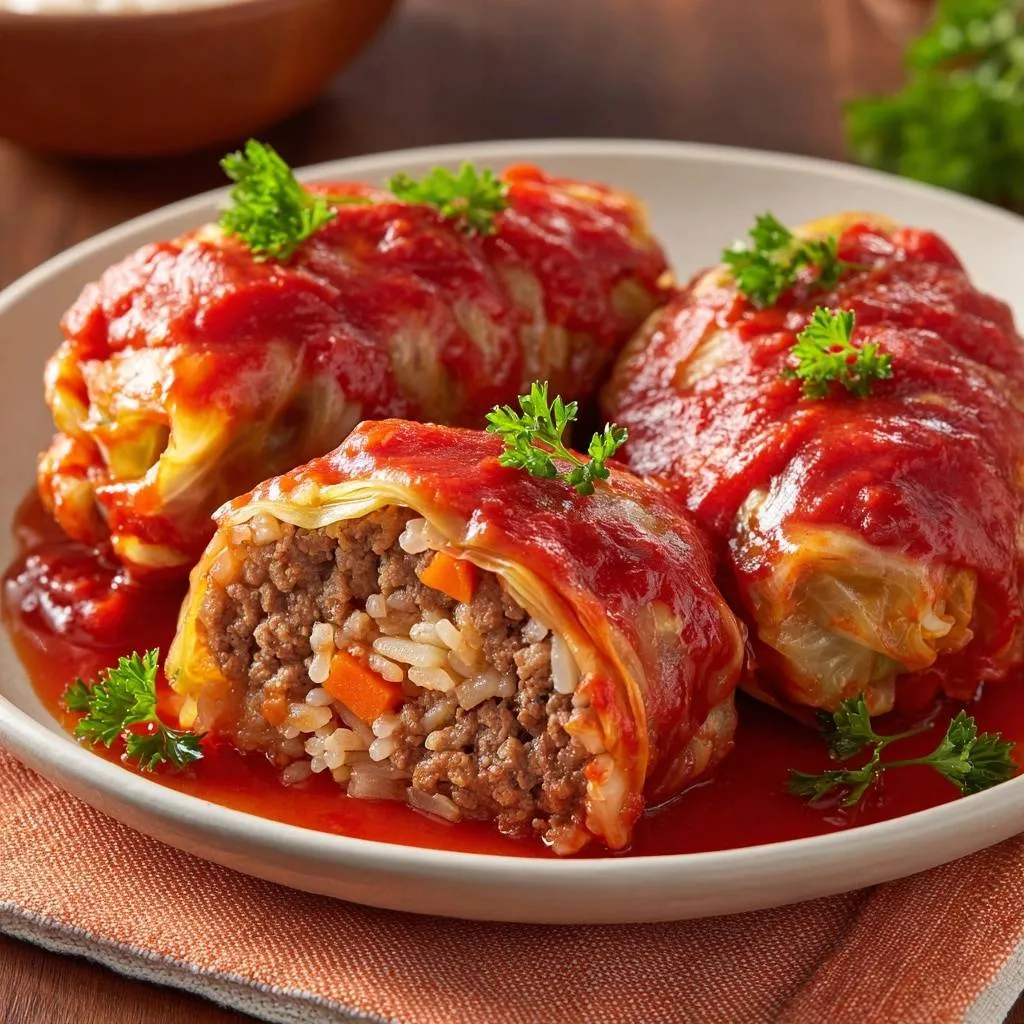
First, slice out the core deeply with a paring knife, about 3 inches into the head. This lets leaves separate easily post-thaw. Wrap the cabbage tightly in plastic cling film, no air pockets, to prevent freezer burn.
Freeze for 8 hours minimum. Then, thaw at room temp for 2-3 hours. Check flexibility by gently tugging a leaf; it should peel off whole. If mushy, you over-thawed, so use firmer ones next time.
Gently peel 12-15 large outer leaves. Pat dry thoroughly. Chop the inner core and scraps for the pot base. Pro tip: save smaller leaves for patching any minor tears.
Building the Hearty Beef Filling
Ground Beef and Rice Ratio Secrets
The 1 pound beef to 1 cup cooked rice ratio keeps everything juicy. Rice soaks up meat juices during cooking, preventing dryness. It also binds the filling so it holds shape without falling apart.
Therefore, use cooked, cooled white rice. Short-grain sticks better than long-grain, creating that cohesive texture. Mix gently to avoid compacting the beef, which toughens it.
Freshly cooked rice works best, but day-old absorbs flavors even more. This balance ensures each bite bursts with savory goodness.
Vegetable Dice Precision for Even Flavor
Finely dice carrots and onions small, about 1/4-inch pieces. This distributes sweetness evenly, so no big chunks overpower the beef. A food processor pulses them perfectly without mush.
In addition, carrots add moisture and cut the richness. Onions release aromatics that infuse the whole roll. Uniform size means even cooking, no raw bites.
Pro tip: grate carrots if dicing frustrates you. They melt in, boosting tenderness.
Classic Beef Cabbage Rolls Assembly Techniques
Filling Portion and Leaf Positioning
Scoop exactly 1/4 cup filling onto the base of each leaf, where the stem was. This spot stretches easiest for folding. Too much filling causes blowouts, so measure it.
For more comforting meals, consider this hearty beef and potato stew.
Therefore, spread it slightly oblong for a snug roll. Position seam-side down later to hold it shut. You’ll get 12-15 rolls from one head, perfect for a pot.
Visualize a burrito: filling centered, ready to tuck. This prevents gaps and ensures even cooking.
For a similar stuffed experience, try these beef and rice stuffed peppers for a crisp-tender meal.
Folding and Rolling Without Tears
Fold the sides in first, then roll from the base tightly. Pat-dry leaves beforehand so they grip. If ends loosen, secure with toothpicks, but freezer method usually prevents that.
However, handle gently; thawed leaves are delicate. Roll on a clean surface to avoid sticking. Pro grip: use both hands, one guiding the fold.
The result? Seam-secure rolls that stay intact through simmering. Pure satisfaction.
Round Out Your Meal
Consider these options to build a complete and satisfying meal.
- For a fresh counterpoint to your cabbage rolls, try the grilled chicken kale and cabbage power salad, featuring similar greens.
- If you’re looking for another satisfying main, the layered creamy salmon salad offers a different protein with crisp vegetables.
Layering and Simmering in Tomato Sauce
Chopped Cabbage Base Layer Benefits
Spread chopped cabbage scraps in the pot first. They prevent sticking and release flavor into the sauce as they soften. It creates a flavorful bed that steams rolls evenly.
In addition, a Dutch oven beats a stockpot for heat retention. Layer rolls seam-side down in snug rows, no stacking too high. This allows steam circulation for tenderness.
Fill gaps with more scraps. It infuses everything with cabbage essence.
Tomato Sauce Simmer Dynamics
Pour 2 cups tomato sauce and 1/4 cup water over top. The ratio thickens naturally without dilution. Bring to a simmer, then drop to low; bubbles should barely break the surface.
Cook covered for 1 hour 30 minutes. Beef tenderizes slowly, sauce reduces glossy. Check doneness by piercing a roll; it should yield softly, around 160°F internal.
Pro tip: if sauce splits, stir in a splash of water. Low heat keeps flavors melded.
Classic Beef Cabbage Rolls Make-Ahead Strategies
Freezing Assembled Rolls Guide
Flash-freeze rolls on a tray for 2 hours, then bag airtight. They store up to 3 months without texture loss. Thaw overnight in fridge, then simmer as directed.
Therefore, batch-prep for weeknights. Label bags with dates. This method preserves juiciness better than fridge storage.
Reheat from frozen by adding 30 minutes to simmer time. Perfect for busy days.
Refrigeration and Reheating Best Practices
Store leftovers airtight in fridge up to 4 days. Sauce keeps them moist. Reheat stovetop low with a lid or oven at 325°F for 20 minutes to revive gloss.
Avoid microwave; it sogs the cabbage. Stir sauce halfway. They’ll taste freshly made.
Flavor Variations for Beef Cabbage Rolls
Spice Twists and Herb Additions
Add dill for Polish golabki vibes or paprika for smokiness. Stir in chopped mushrooms or bell peppers for earthiness without drowning beef. For vegan, swap beef for lentils, cooked soft.
In addition, fresh thyme boosts aroma. Taste filling before rolling; adjust salt. These keep authenticity while personalizing.
Regional twist: Romanian sarmale loves caraway seeds. Experiment small batches first.
Sauce Upgrades Beyond Basic Tomato
Stir Worcestershire into sauce for umami punch. Smoked paprika adds depth. For creaminess, thin yogurt instead of sour cream serving.
However, maintain acidity for tenderizing beef. Balance prevents blandness. These elevate without complicating.
Perfect Pairings for Beef Cabbage Rolls
Crisp Sides and Breads
Rye bread soaks up sauce perfectly, its tang cutting richness. Fermented slaw adds crunch and acidity. Or roasted potatoes: cube Yukon Golds, toss in oil, salt, 425°F for 30 minutes till crisp.
Mashed potatoes work too: boil 2 pounds, mash with butter and milk. Acidity from slaw balances the hearty rolls. Simple, satisfying combos.
Refreshing Garnishes and Dairy
Chop parsley fine for bright flecks. Dollop sour cream cools any spice, its tang marrying tomato. Add pickle relish for pickle crunch.
Pro tip: swirl sour cream into sauce at end for pink creaminess. Elevates every bite.
Troubleshooting Beef Cabbage Rolls Issues
Fixing Tough Leaves or Loose Rolls
If leaves tear slightly, patch with scraps and roll on. Under-thaw causes toughness; freeze longer next time. For crumbly filling, add a beaten egg as binder.
Prevention: always core deeply, thaw precisely. Toothpicks secure loose ends. You’ll nail it consistently.
Sauce Too Thin or Rolls Undercooked
Thicken thin sauce with cornstarch slurry: 1 tsp cornstarch in 1 tbsp water, stir in last 10 minutes. Extend simmer 15-20 minutes if underdone, checking liquid levels.
Meat myths: color doesn’t mean done; use thermometer. Low heat fixes most issues.
Equipment Essentials for Success
Dutch Oven Advantages Over Pots
Dutch oven retains even heat for braising, lid seals steam perfectly. Use 5-7 quart for 12-15 rolls. Stockpot works but needs foil lid for retention.
Cast iron distributes heat best. Avoid thin pots; they scorch base.
Prep Tools for Efficiency
Food processor dices veggies fast. Rice cooker syncs perfectly. Box grater for carrots if no processor.
Paring knife for coring. These speed prep without mess.
Beef Cabbage Rolls Nutrition Breakdown
Per roll: about 250 calories, 15g protein from beef, 5g fiber from cabbage and carrots. Low-carb at 20g net, vitamin C from tomato sauce boosts immunity.
Potassium from veggies aids heart health. Customize: turkey lowers fat, cauliflower rice cuts carbs further. Track with apps for precision.
Origins of Classic Beef Cabbage Rolls
Eastern European Roots and Evolutions
Golabki in Poland, sarmale in Romania: peasant dishes wrapping meat in cabbage, simmered slow. Evolved from ancient stuffed leaves across regions.
Freezer method modernizes tradition, skipping boil. Family staples passed down, hearty winter fare. Timeless comfort.
Common Questions on Beef Cabbage Rolls
Can I Use Ground Turkey Instead?
Yes, ground turkey works great. Add 1 tbsp oil or extra rice for moisture since it’s leaner. Boost garlic powder to amp savoriness; cooks same time.
How Long Do Leftovers Last?
Fridge airtight up to 4 days at 40°F or below. Freezer bags up to 3 months; thaw fridge overnight. Reheat to 165°F for safety.
Gluten-Free Rice Options?
All white rice is naturally gluten-free. Sub cauliflower rice for keto/low-carb; pulse fresh in processor, cook first to avoid mush.
Scaling for Larger Batches?
Double ingredients for 24 rolls, use two pots or larger Dutch oven. Simmer time stays 1.5 hours; check sauce levels midway.
Instant Pot Adaptation?
Layer as directed, 60 minutes high pressure, natural release 10 minutes then quick. Sauce may need stovetop thickening after.
Beef Cabbage Rolls
Course: Main CourseCuisine: AmericanDifficulty: medium12
rolls30
minutes1
hour240
kcal120
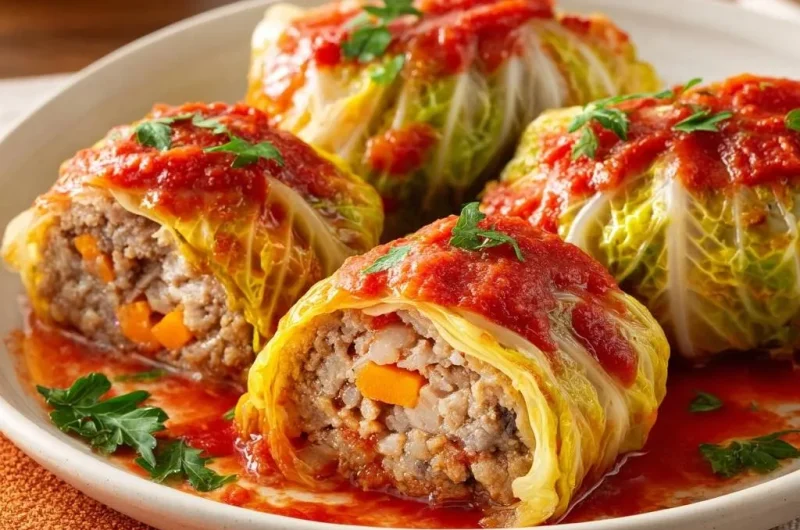
MinutesTired of wrestling tough cabbage leaves that rip every time you try to roll? This foolproof freezer method softens them perfectly for easy peeling and wrapping, no boiling mess required. Juicy beef, carrot, and rice filling in rich tomato sauce delivers comfort food done right.
Ingredients
1 large head green cabbage
1 pound ground beef
2 medium carrots, finely diced
1 cup cooked white rice
1 small onion, finely chopped
1 teaspoon salt
1/2 teaspoon black pepper
1 teaspoon garlic powder
2 cups tomato sauce
1/4 cup water
Fresh parsley, chopped for garnish
Sour cream for serving
Directions
- Start with the No More Torn Leaves trick: Remove core from cabbage. Wrap whole head tightly in plastic wrap and freeze overnight (or 8 hours). Thaw at room temp for 2-3 hours until leaves loosen. Gently peel off 12-15 large outer leaves, keeping them intact; pat dry. Core and chop any remaining cabbage for the pot base. This freezer method wilts leaves just enough for perfect pliability without sogginess or tears.
- In a bowl, mix ground beef, diced carrots, cooked rice, onion, salt, pepper, and garlic powder until combined.
- Place 1/4 cup filling on base of each cabbage leaf. Fold sides in, then roll tightly like a burrito. Repeat with all leaves.
- Spread chopped cabbage scraps in a large pot or Dutch oven. Arrange rolls seam-side down in layers. Pour tomato sauce and water over top.
- Bring to a simmer over medium heat, then cover and cook on low for 1 hour 30 minutes, until rolls are tender and sauce thickens. Cook until no pink remains and it reaches 160°F (71°C).
- Garnish with parsley. Serve with sour cream. Enjoy tear-free perfection!
Notes
- The freezer trick wilts leaves just enough for perfect pliability without sogginess or tears. Serve with sour cream for extra creaminess.