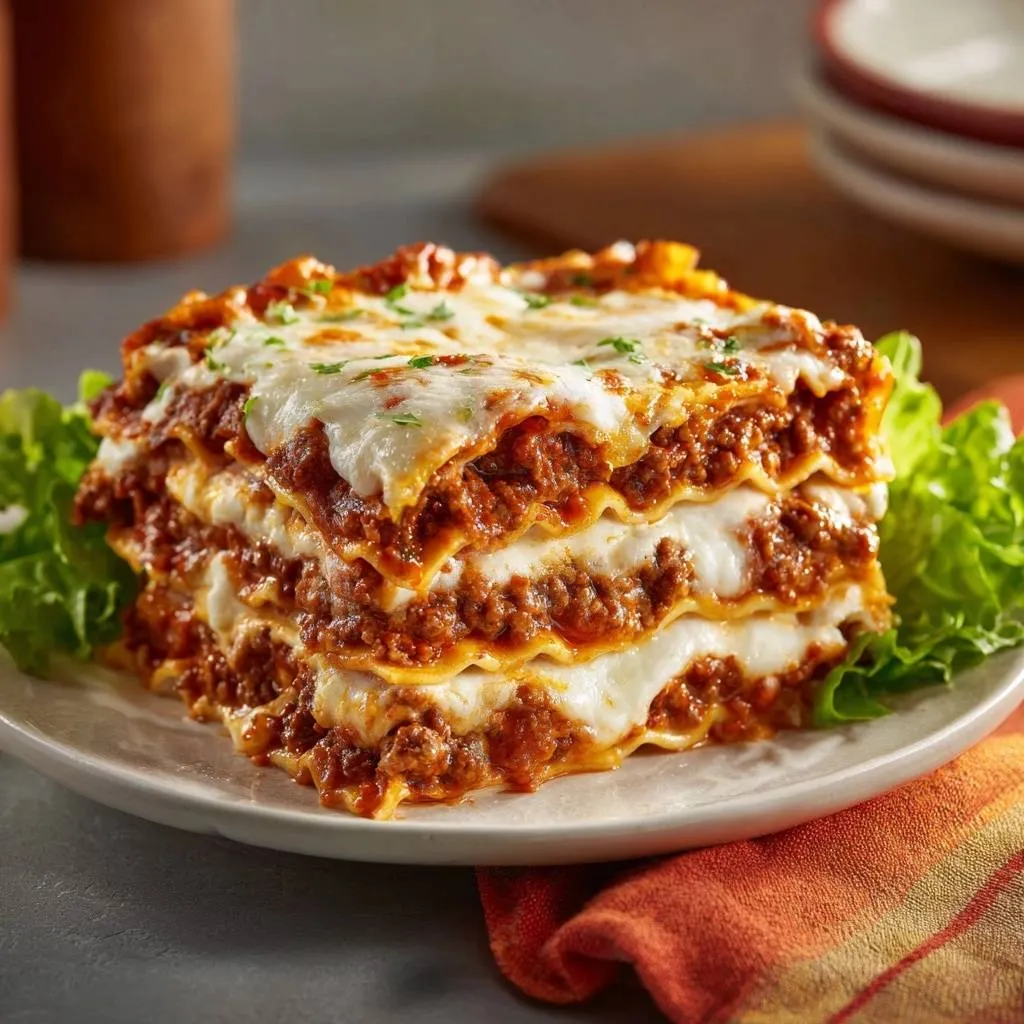
Tired of classic beef lasagna that slides into a watery puddle when you slice it? This recipe nails firm, perfect layers every time. You’ll get those clean cuts with gooey cheese pulls and robust beef flavor that stay intact. No more soggy disappointments from home kitchens.
However, most attempts fail because of excess moisture from undrained ricotta and thin sauces. In addition, skipping the rest period turns slices into a mess. This version fixes it all with three simple tricks: simmer the sauce thick, drain the ricotta dry, and rest before serving.
For a similar tender outcome, check out these Italian stuffed meat rolls.
Therefore, the secret lies in that 20-minute sauce simmer. It evaporates liquid so your classic beef lasagna holds together. One taste, and you’ll crave those structured layers forever.
Why Classic Beef Lasagna Demands Precision Layers
Classic beef lasagna delivers hearty Italian comfort in every bite. Yet, moisture buildup from ricotta whey and runny sauces often ruins the structure. This beef lasagna recipe overcomes that for sliceable perfection.
Common failures leave you with soupy layers that fall apart. However, precise techniques ensure stability. You’ll love the contrast between tender noodles and bold flavors.
Layer Balance in Traditional Beef Lasagna
Ideal ratios keep traditional beef lasagna stable: equal parts sauce, ricotta, and cheese per layer. No-boil noodles absorb just enough moisture from the sauce. Regular noodles need full hydration, so parboil if using them.
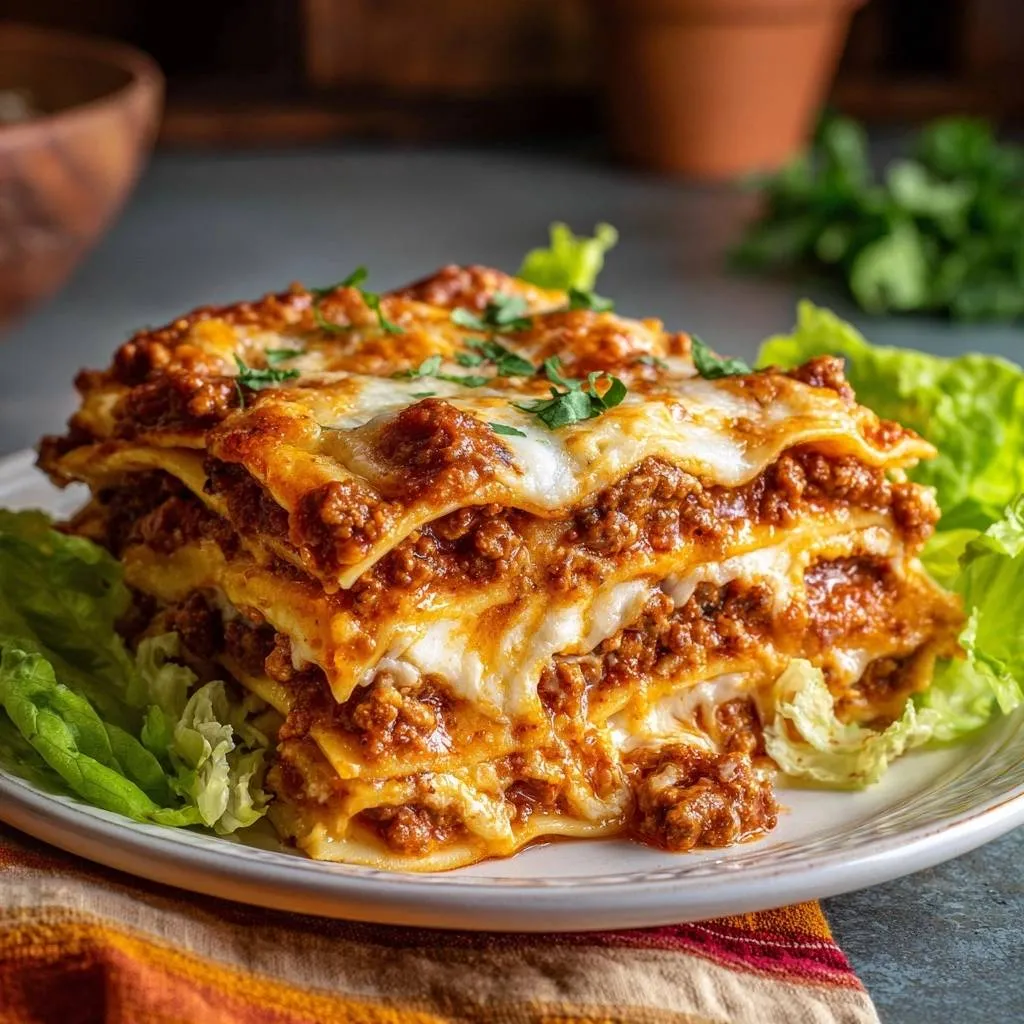
Therefore, balance prevents sogginess. Aim for even spreads every time.
Building Robust Meat Sauce for Beef Lasagna
Start with 1 pound ground beef, a 24-ounce jar marinara sauce, and a 15-ounce can crushed tomatoes. The jarred marinara adds quick depth, while crushed tomatoes bring fresh tang. Finely chopped onion and 3 minced garlic cloves build savory base notes.
In addition, 1 teaspoon each dried oregano and basil season perfectly. Salt and pepper tie it together. Simmering creates the thick classic beef lasagna sauce you need.
Ground beef browns best for Maillard flavor reactions. Freshly grated Parmesan later boosts umami. These choices make your sauce robust and clingy.
Browning Ground Beef with Onions and Garlic
Heat a large skillet over medium. Cook ground beef, onion, and garlic for 8 minutes until beef browns and onions soften. Drain fat well to avoid greasiness.
Then stir in seasonings. This timing locks in rich flavors.
Simmering Sauce to Thick Consistency
After adding marinara, tomatoes, and herbs, simmer on low for 20 minutes. Stir occasionally and watch liquid evaporate until sauce mounds on a spoon. No watery pools means firm lasagna.
Pro tip: if it’s still thin, cook 5 minutes more. Cool slightly before assembly.
Science of Draining Ricotta for Firm Lasagna Filling
Undrained ricotta releases whey during baking, wrecking your beef lasagna ricotta prep. Draining expels that liquid for a firm filling. Use two 15-ounce containers, strained over 15 minutes.
Press with a spoon or weight in a fine-mesh strainer or cheesecloth-lined colander. Mix drained ricotta with 1 egg and 1/4 cup grated Parmesan for binding. It transforms from watery to sturdy.
The egg emulsifies, holding layers tight. Skip this, and slices slip. Dry ricotta guarantees structure.
Straining Whey from Ricotta Cheese
A fine-mesh strainer works faster than a colander. Line with cheesecloth for better flow, then press firmly. After 15 minutes, ricotta firms up noticeably.
The egg adds cohesion when mixed in.
Layering Techniques for Stable Classic Beef Lasagna
Preheat oven to 375°F. Spread 1 cup meat sauce in a 9×13-inch dish for a crisp base. Add 5 lasagna noodles, 1 cup ricotta mixture spread evenly, 1 cup sauce, and 1 cup shredded mozzarella.
Repeat twice more, ending with sauce and 4 cups total mozzarella on top. Dollop sauce to avoid air pockets. This assemble beef lasagna layers order seals edges and prevents sogginess.
Pro tip: overlap noodles slightly for full coverage. Even mozzarella melts uniformly.
First Layer Foundation Setup
That initial 1-cup sauce anchors the bottom, promoting crispness. Lay 5 noodles snugly with slight overlaps. It sets a stable foundation.
Repeating Middle Layers Evenly
Keep ricotta, sauce, and mozzarella consistent per layer. Spread gently to fill gaps. Uniformity builds strength.
Topping with Mozzarella and Sauce Finish
Generous final mozzarella creates a golden crust. Top with remaining sauce for even bubbling.
Baking Schedule for Golden Beef Lasagna
Bake classic beef lasagna covered with foil at 375°F for 30 minutes. This steams noodles tender without drying. Uncover for 20 minutes more until bubbly and golden.
Middle rack ensures even heat. Rest 20 minutes post-bake; starches set for firm slices. Hot lasagna cuts like mud otherwise.
Pro tip: broil 2 minutes at end for extra char if desired.
Covered Baking Phase Details
Tent foil loosely to trap steam. Bake 30 minutes until edges bubble. It hydrates without sogginess.
Uncovered Browning and Resting
Uncover for browning; cheese turns golden in 20 minutes. Rest firms everything up perfectly.
Make-Ahead and Freezing Beef Lasagna Guide
This freezer-friendly beef lasagna shines for prep-ahead meals. Assemble fully, wrap unbaked in foil, and freeze up to 3 months. Or bake half and refrigerate.
Store leftovers in airtight containers up to 4 days. Reheat covered at 350°F for 25 minutes. Portion singles for quick meals.
Freezing Assembled Layers
Double-wrap in plastic then foil; label with date. Freeze flat for space-saving.
Reheating from Frozen State
Thaw overnight in fridge, then bake as directed. Oven beats microwave for crisp top; add 15 minutes if frozen.
Avoiding Pitfalls in Classic Beef Lasagna
Beef lasagna troubleshooting starts with skipping the simmer: sauce stays thin. Wet ricotta leaks whey. No rest means sloppy slices.
Over-saucing drowns noodles; wrong temp toughens cheese. Follow this recipe’s fixes for success every time.
Preventing Watery Sauce Issues
Simmer until it thickens; stir and check consistency. Add a teaspoon tomato paste if needed for quick body.
Fixing Loose Ricotta Layers
Drain 15 minutes minimum; press hard. Ricotta should hold shape when scooped.
Perfect Pairings for Classic Beef Lasagna
Serve beef lasagna with crisp green salads to cut richness. Roasted veggies add earthiness. Garlic bread soaks up sauce perfectly.
Sparkling cranberry juice refreshes the palate. Antipasti like olives balance the meal.
Crisp Side Salad Complements
Toss romaine, cucumbers, and tomatoes in vinaigrette. Lemon juice brightens flavors alongside lasagna.
Classic Beef Lasagna FAQ
Can I Use No-Boil Noodles in Beef Lasagna?
Yes, no-boil noodles work great in classic beef lasagna. The sauce’s moisture hydrates them perfectly during baking. Just ensure full sauce coverage per layer; if using regular, parboil briefly to match timing. Layers stay firm either way.
How Long to Drain Ricotta for Lasagna?
Drain ricotta for 15 minutes minimum in a strainer or cheesecloth. Press firmly until whey stops dripping and it holds shape. Longer, up to 30 minutes, works for extra dryness. This beef lasagna ricotta prep prevents watery layers completely.
Why Rest Beef Lasagna Before Slicing?
Resting 20 minutes lets starches absorb moisture and set the structure. Slicing hot causes layers to slide apart. You’ll get clean, firm cuts with perfect cheese pulls. Patience here makes your classic beef lasagna restaurant-worthy.
Can Classic Beef Lasagna Freeze Well?
Absolutely, freeze assembled unbaked lasagna up to 3 months. Double-wrap tightly in plastic and foil. Thaw overnight in fridge, then bake as directed, adding 10-15 minutes. Reheat leftovers at 350°F covered; it retains texture and flavor beautifully.
Substitute Ground Beef in Lasagna?
Swap for ground turkey; it browns similarly but drain fat well. Plant-based crumbles work too, seasoned the same. Simmer sauce longer for deeper flavor. Adjustments keep the classic beef lasagna structure intact without changing bake time.
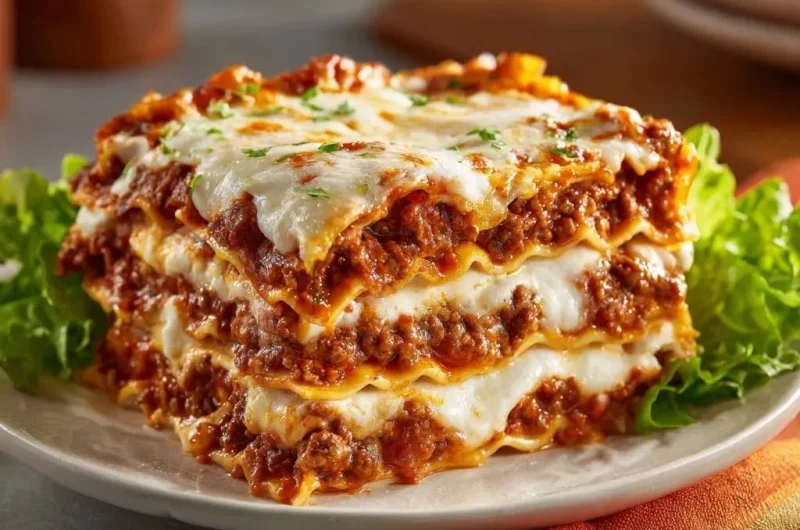
Beef Lasagna
Course: Main CourseCuisine: ItalianDifficulty: medium12
servings30
minutes1
hour450
kcal90
MinutesSick of lasagna that falls apart in a watery mess? This recipe fixes it with three dead-simple tricks: drain the ricotta super dry, simmer the sauce until thick, and rest before slicing. Perfect, firm slices guaranteed.
Ingredients
1 pound ground beef
1 jar (24 ounces) marinara sauce
1 can (15 ounces) crushed tomatoes
1 onion, finely chopped
3 cloves garlic, minced
1 teaspoon dried oregano
1 teaspoon dried basil
Salt and pepper to taste
15 lasagna noodles (no-boil or regular)
2 containers (15 ounces each) ricotta cheese
1 egg
1/4 cup grated Parmesan cheese
4 cups shredded mozzarella cheese
Fresh parsley, chopped for garnish
Directions
- Make the meat sauce: In a large skillet over medium heat, cook ground beef, onion, and garlic until beef is browned and onions are soft, about 8 minutes. Drain fat. Stir in marinara, crushed tomatoes, oregano, basil, salt, and pepper. Simmer on low for 20 minutes, stirring occasionally, until sauce thickens significantly and most liquid evaporates. This is key: no watery sauce means no watery lasagna. Set aside to cool slightly. Cook until no pink remains and it reaches 160°F (71°C).
- Prep the ricotta to banish moisture: Place ricotta in a fine-mesh strainer or cheesecloth-lined colander over a bowl. Press with a spoon or weight to drain excess whey for 15 minutes. Mix drained ricotta with egg and Parmesan. This ultra-dry filling locks in structure.
- Assemble: Preheat oven to 375 degrees F. Spread 1 cup meat sauce in a 9×13-inch baking dish. Layer 5 noodles, 1 cup ricotta mixture, 1 cup meat sauce, and 1 cup mozzarella. Repeat layers twice more, ending with remaining meat sauce and mozzarella on top.
- Bake covered with foil for 30 minutes. Uncover and bake 20 minutes more until bubbly and golden.
- The final fix: Let lasagna rest 20 minutes before cutting. This sets the layers firm, preventing any soupy slide. Slice, garnish with parsley, and serve. Store leftovers in fridge up to 4 days.
Notes
- Key tips for success: Simmer sauce until most liquid evaporates, drain ricotta thoroughly for 15 minutes, and let lasagna rest 20 minutes before slicing to ensure firm layers.