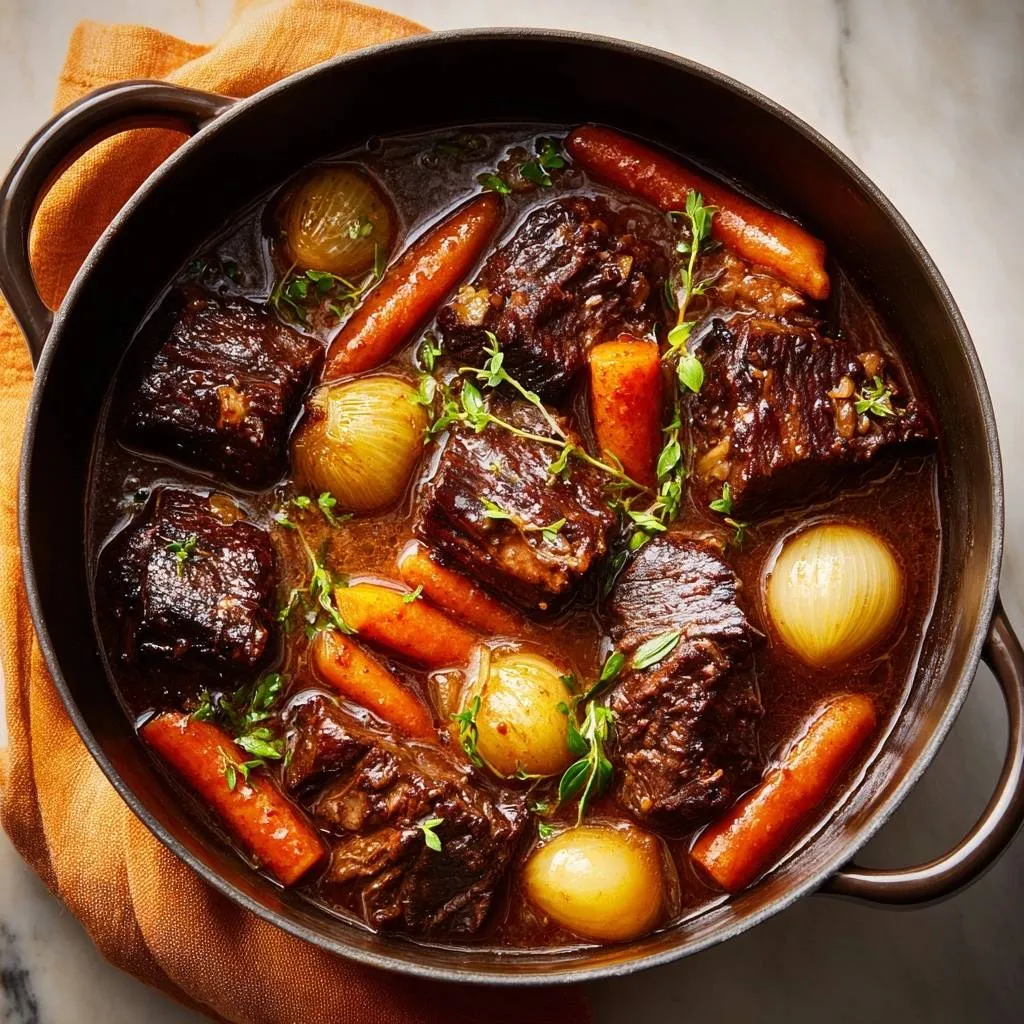
Ever simmer beef stew for hours only to bite into chewy chunks that ruin the whole pot? This classic beef stew with pearl onions fixes that frustration fast. You get fall-apart tender beef through a simple sear and low-slow braise, no guesswork involved. Dinner’s ready in about 2.5 hours total, with prep under 30 minutes.
Here’s why it works every time. The searing creates a crust that locks in juices, while the braise turns tough collagen into silky gelatin. Those pearl onions add a sweet, pop-in-your-mouth contrast that regular stews lack. Plus, you control the freshness and quality right in your kitchen.
The real secret? Pat the beef completely dry before seasoning. That moisture removal ensures a proper sear instead of steaming, setting up tenderness from the start. You’ll taste the difference in every spoonful.
Why Pearl Onions Elevate Classic Beef Stew
Pearl onions bring a mild sweetness and delicate texture to classic beef stew. They hold their shape during the long braise, offering little bursts of flavor against the rich beef broth. Unlike bigger onions that can turn mushy, these gems stay firm and add visual appeal too.
Historically, French-inspired stews like this one spotlight pearl onions for their elegance. In addition, they caramelize slightly in the broth, boosting umami without overpowering the beef. You’ll preview the peeling trick soon, but it’s worth it for that payoff.
Pearl Onions vs Standard Onions
Pearl onions measure just 1 inch across, with a sweeter, less pungent profile than standard yellow onions. Therefore, they won’t dominate the stew’s savory notes. Fresh ones hold shape best in braises; frozen work in a pinch but may soften more.
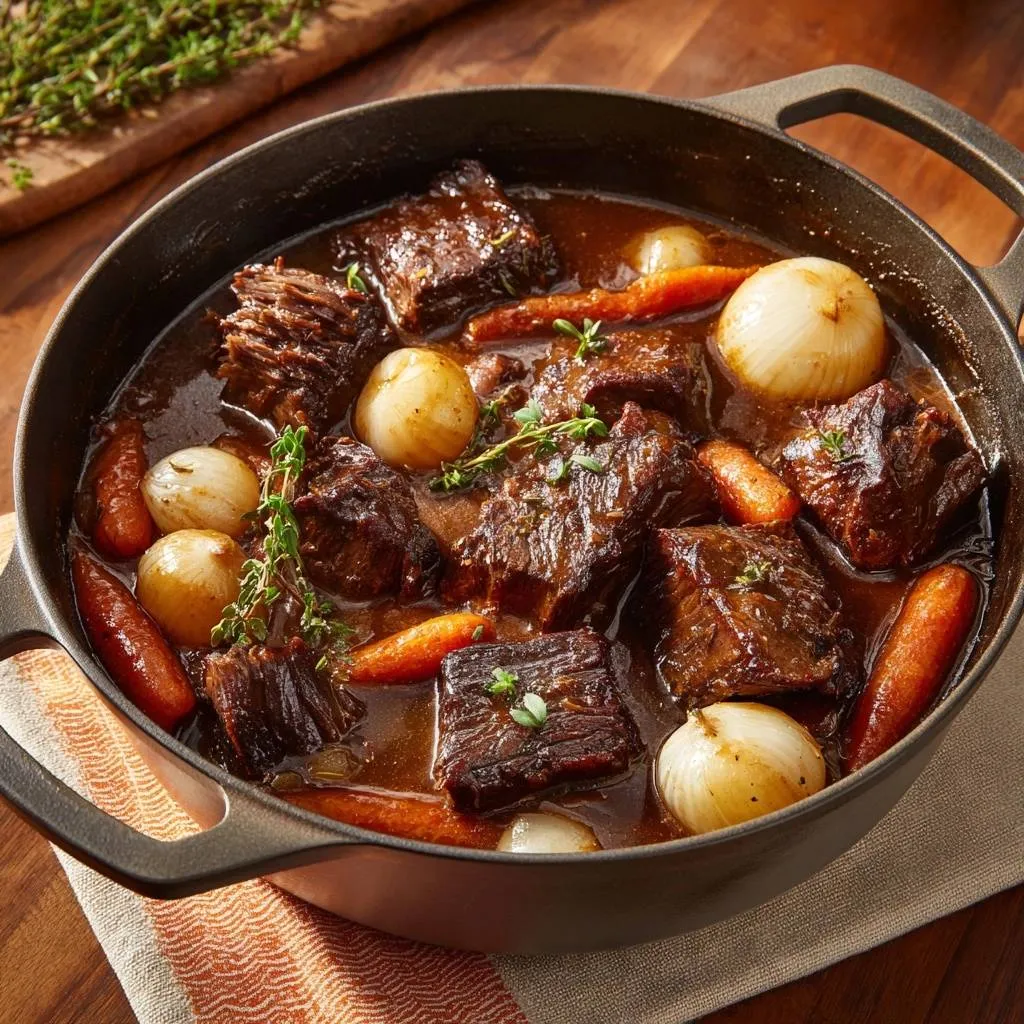
Source them at farmers markets or grocery freezer sections. However, avoid boiling water peels if using frozen, as they thaw quickly.
Key Ingredients for Tender Classic Beef Stew
Beef chuck shines here thanks to its collagen-rich marbling, which melts into tenderness during braising. Tomato paste delivers deep umami, while fresh thyme adds earthy notes that balance the richness. Carrots provide natural sweetness and structure.
Vegetable oil’s high smoke point prevents burning during searing. In addition, use low-sodium beef broth to control salt; homemade tastes best but store-bought saves time. These ingredients in beef stew with pearl onions create a cohesive, flavorful pot.
Quantities matter: 2 pounds chuck yields 4-6 servings. Skip chicken broth if possible; it dilutes beefy depth, though it works in emergencies.
Selecting Best Beef Chuck Cuts
Look for chuck with good marbling and fat cap for moisture. Cut into 2-inch cubes for even cooking; smaller pieces dry out faster. Ask your butcher for shoulder cuts, and avoid lean sirloin which stays tough.
For a similar tender result, explore slow-braised beef short ribs.
Prepping Pearl Onions Properly
Blanch pearl onions in boiling water for 2 minutes, then shock in ice water. Squeeze gently; skins slip right off. This effort pays off with perfect texture in your stew, and they store peeled in the fridge for 2 days.
Science of Searing Beef for Stew Tenderness
Searing triggers the Maillard reaction, browning proteins for flavor and a crust that traps juices. First, pat beef dry and heat oil until shimmering. Sear in batches over medium-high to avoid steaming from overcrowding.
This technique in classic beef stew prevents toughness by sealing the exterior. Therefore, the interior stays moist during braising. You’ll see deep color and smell nutty aromas when done right.
Collagen to Gelatin Transformation
At 300°F, low-slow braising converts collagen to gelatin over 2 hours 15 minutes. Moisture keeps it tender without drying. Oven beats stovetop for even heat; check at 2 hours with a fork for shredding ease.
For even more tender results, explore the art of slow braised beef short ribs.
Equipment Essentials for Beef Stew Success
A Dutch oven’s cast iron retains heat evenly for braising pearl onions beef stew. Its tight lid seals in steam, essential for tenderness. Oven-safe up to 500°F, it transitions seamlessly from stovetop to oven.
Alternatives like heavy lidded pots work, but skip thin pans. In addition, use an instant-read thermometer to hit 195°F internal beef temp for perfection.
Step-by-Step: Searing and Building Broth Base
Pat 2 pounds beef cubes dry, season with salt and pepper. Heat 2 tablespoons vegetable oil in your Dutch oven until shimmering. Sear beef in batches, 4-5 minutes per side, for deep brown crust. How to sear beef for stew starts here; juices on the plate add flavor later.
Reduce heat to medium, add 2 tablespoons tomato paste. Stir 1 minute to cook out raw taste and scrape browned bits. Pour in 4 cups beef broth, whisk smooth before returning beef.
Browning Beef in Batches
Each batch takes 4-5 minutes total; rotate for even crust. Overcrowding releases steam, causing gray, tough meat chemically. Save plate juices; they enrich the broth.
Braising Phase for Fall-Apart Beef Stew
Add seared beef, carrots, pearl onions, and 6 thyme sprigs to the pot. Bring to simmer, cover tightly, then braise at 300°F for 2 hours 15 minutes. Braising classic beef stew with pearl onions yields fork-tender results.
For stovetop, use lowest simmer with occasional checks. Test beef by shredding easily; remove thyme. Adjust salt and pepper, then serve hot.
Monitoring Braise Progress
Peek once at 1.5 hours; no stirring needed to keep shape. Beef shreds and sauce thickens signal doneness. At high altitude, add 15-30 minutes.
Avoiding Common Beef Stew Pitfalls
Tough meat comes from skipping the dry pat or crowding during sear; fix by following batches. Bland broth? Layer salt early and taste at end. Beef stew troubleshooting saves your pot every time.
Mushy pearl onions result from overhandling; add late. Thin sauce thickens with 10-minute post-braise reduction.
Fixing Overcooked Vegetables
Cut carrots and onions in 2-inch chunks; add after searing beef. If overdone, rescue by blending a portion into sauce for body without mush.
Make-Ahead and Freezing Beef Stew Guide
Cool stew fully before storing in airtight containers; fridge lasts 3-4 days. Flavors deepen overnight, so it’s even better day two. For freezing classic beef stew with pearl onions, portion into bags for 3 months.
Thaw overnight in fridge, reheat gently on stovetop with splash of broth to avoid toughness. Don’t microwave; it dries edges.
Flavor Variations for Pearl Onion Beef Stew
Add mushrooms with veggies for earthiness, or quartered potatoes for heartiness. Swap thyme for rosemary if you like piney notes. Keep the classic core, but boost spice with bay leaves.
For thicker sauce, stir in cornstarch slurry post-braise. Sparkling cranberry juice pairs nicely if desired.
Perfect Pairings for Classic Beef Stew
Serve beef stew with pearl onions over mashed potatoes to soak up sauce. Crusty bread scoops perfectly, and a green salad adds crisp contrast. In winter, roasted roots complement the warmth.
Sparkling cider cuts richness beautifully. Keep sides simple to let the stew shine.
Round Out Your Meal
To complete your beef stew experience, consider these complementary dishes that enhance the hearty flavors.
- For a comforting bread that soaks up every last drop of stew, try this golden cornbread, perfect for dipping.
- Add a delightful crunch alongside your tender beef with these crispy fried onion strings, offering a pleasing texture contrast.
Classic Beef Stew FAQ
Instant Pot Adaptation Time?
Instant Pot Adaptation Time? Sear on sauté mode first. Add remaining ingredients, pressure high for 60 minutes with natural release 15 minutes. Quick release rest, then check tenderness; add 5 minutes if needed.
Slow Cooker Conversion Steps
Slow Cooker Conversion Steps Sear beef on stovetop first for flavor. Transfer to slow cooker with other ingredients, low 6-8 hours. Stir once halfway; finish with salt adjustment.
How do I store leftovers of classic beef stew with pearl onions?
Cool completely, then store in airtight containers in the fridge for 3-4 days. Freezes well up to 3 months in portions; thaw overnight and reheat on stovetop with extra broth to restore texture. Pearl onions hold shape better than chunkier veggies.
Why is my beef stew meat still tough?
Tough beef usually means skipped dry pat, overcrowding during sear, or insufficient braise time. Always sear in batches for crust, and braise until 195°F internal or fork-shreds easily. Low heat prevents drying; 2+ hours minimum for chuck.
What can I substitute if pearl onions are unavailable?
Use cipollini onions or quartered shallots for similar sweetness and size. Frozen pearl onions skip peeling but thaw first. Avoid large onions; they overpower and mush more in braise.
Can I use chicken broth instead of beef broth?
Chicken broth works but yields milder flavor; beef broth amplifies richness. Mix half-and-half if needed, or add Worcestershire for depth. Season aggressively early to compensate.
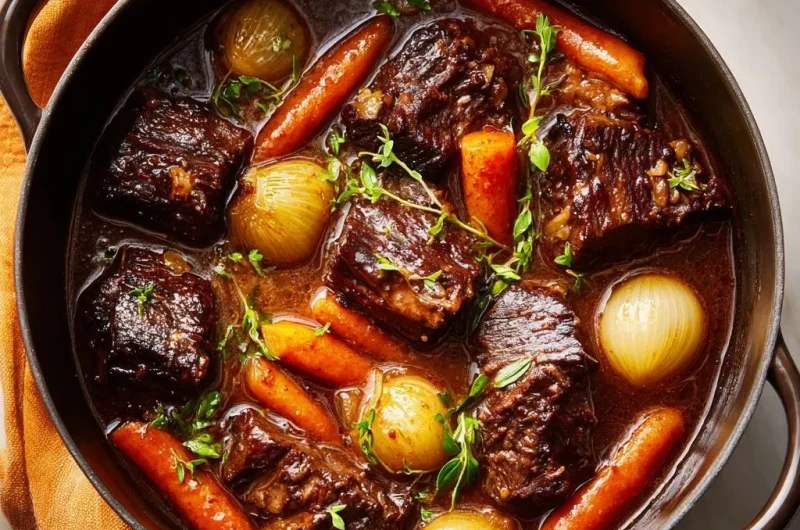
Beef Stew
Course: Main CourseCuisine: AmericanDifficulty: medium6
servings20
minutes2
hours450
kcal140
MinutesTired of chewy beef stew? This recipe uses searing and low-slow braising to lock in juices and break down tough fibers for tender beef every time.
Ingredients
2 pounds beef chuck, cut into 2-inch cubes
2 tablespoons vegetable oil
1 pound pearl onions, peeled
6 medium carrots, peeled and cut into 2-inch chunks
6 sprigs fresh thyme
4 cups beef broth
2 tablespoons tomato paste
Salt and black pepper to taste
Directions
- Pat beef cubes completely dry with paper towels. This removes surface moisture so the beef sears instead of steams, creating a crust that keeps it tender inside. Season generously with salt and pepper.
- Heat oil in a large Dutch oven over medium-high heat until shimmering hot. Sear beef in batches, 4-5 minutes per batch, until deeply browned on all sides. Do not crowd the pot; overcrowding steams the meat and leads to toughness. Transfer seared beef to a plate.
- Reduce heat to medium. Add tomato paste to the pot and cook 1 minute, stirring to scrape up browned bits. Pour in beef broth, stirring until smooth.
- Return beef and any juices to the pot. Add carrots, pearl onions, and thyme sprigs. Bring to a simmer, then cover tightly.
- Transfer to a 300°F oven (or keep on stovetop at lowest simmer). Braise 2 hours 15 minutes, until beef shreds easily with a fork. This low, steady heat collagen in the chuck into gelatin for unbeatable tenderness without drying out.
- Remove thyme sprigs. Taste and adjust salt and pepper. Serve hot. The result: beef so tender it melts in your mouth, surrounded by perfectly cooked veggies in a rich sauce.
Notes
- Pat beef dry before searing to avoid steaming. Braise at 300°F for collagen breakdown into gelatin, ensuring unbeatable tenderness.