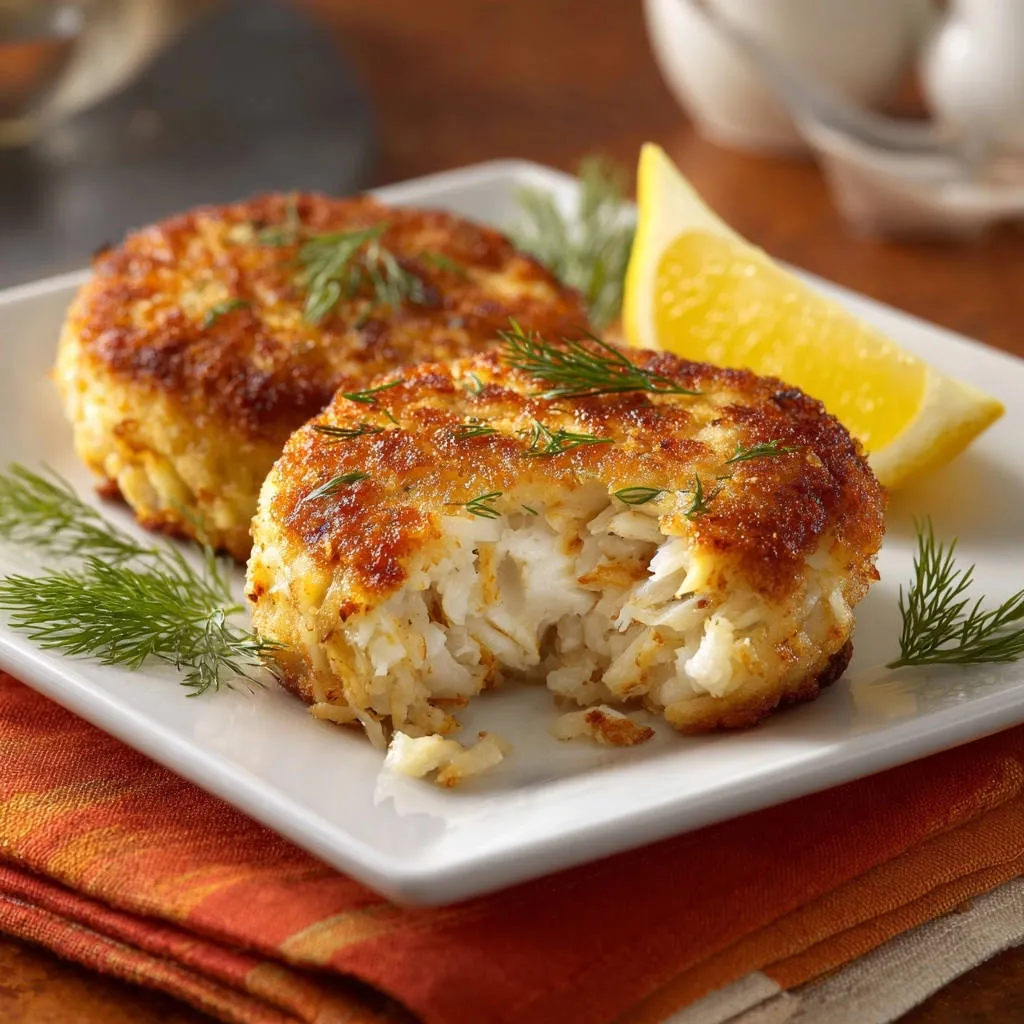
There’s nothing quite as disappointing as carefully preparing a batch of homemade crab cakes, only to have them crumble in the pan or on your plate. I’ve been there, and after years of perfecting my technique, I’ve finally unlocked the secret to truly magnificent, perfectly formed Classic Crab Cakes that hold their shape flawlessly every time.
This isn’t just another recipe; it’s a confident guide to achieving those golden, tender, and lump-filled delights without the frustration, ensuring a restaurant-quality experience right in your own kitchen.
Why This Classic Crab Cake Recipe is a Must-Try
The “Never Crumble” Promise: Our Secret Revealed
The hallmark of a truly great crab cake is its ability to stay together, and this recipe delivers on that promise. We’ll reveal simple, yet crucial, techniques like strategic chilling and precise binder management that guarantee your crab cakes remain intact from pan to plate.
You can finally enjoy the delicate texture and rich flavor of lump crab meat without the worry of them falling apart.
Simplicity Meets Gourmet Flavor
Achieving gourmet flavor doesn’t have to be complicated. This recipe focuses on enhancing the natural sweetness of the crab with a balanced blend of classic seasonings, creating a sophisticated taste without an overwhelming list of ingredients.
It’s about letting the star ingredient shine, complemented by just the right supporting cast.
A Taste of Coastal Elegance at Home
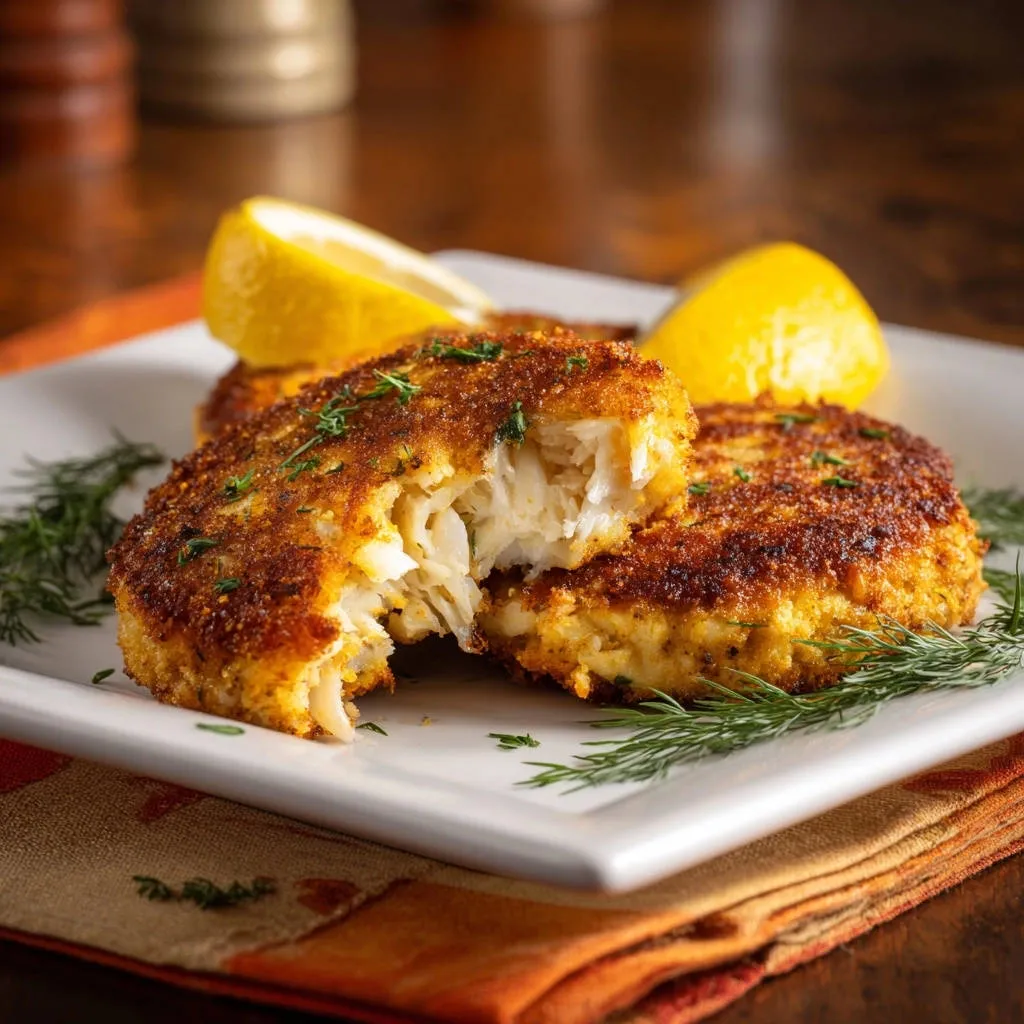
Imagine serving a dish that transports your guests to a seaside bistro, all from your dining room. These Classic Crab Cakes are versatile enough for a weeknight treat, a elegant appetizer, or the centerpiece of a special occasion meal.
They’re sure to impress with their golden crust and tender, flavorful interior, making any meal feel special.
The Essential Ingredients for Irresistible Crab Cakes
The Star: High-Quality Lump Crab Meat
The foundation of exceptional Classic Crab Cakes starts with the best crab meat you can find. Opt for fresh, high-quality lump crab meat, which provides substantial, succulent pieces and a superior texture.
Before mixing, gently pick through the crab meat to ensure no small shell fragments remain, as these can detract from the eating experience.
Building the Perfect Binder: Mayo, Egg, and Dijon
These key components work in harmony to create a cohesive mixture without overwhelming the delicate crab. Mayonnaise adds essential richness and moisture, while a lightly beaten egg acts as a crucial binding agent, giving the crab cakes structure.
Dijon mustard introduces a subtle tangy note that brightens the overall flavor profile, cutting through the richness beautifully.
Flavor Foundation: Old Bay, Dill, and Pepper
No Classic Crab Cakes recipe is complete without the iconic Old Bay seasoning, delivering that signature Maryland flavor. Fresh dill adds a vibrant, herbaceous freshness that perfectly complements seafood.
A touch of black pepper enhances these flavors, creating a well-rounded and irresistible taste that sings of the coast.
The Breadcrumb Balance: Structure and Crunch
Plain breadcrumbs serve a dual purpose in this recipe. Internally, they absorb excess moisture from the wet ingredients, helping to create a more stable binder that prevents crumbling.
Externally, an additional light coating of breadcrumbs creates a beautiful, golden, and satisfyingly crispy crust when pan-fried, providing a delightful textural contrast.
Gathering Your Gear: Essential Tools for Crab Cakes
Mixing Bowls and Spatulas
You’ll need at least one medium-sized mixing bowl for preparing the binder and gently folding in the crab meat. A silicone spatula is ideal for its flexibility and ability to gently combine ingredients without breaking up the delicate crab lumps.
Avoid using harsh utensils that might mash the crab meat, preserving its luxurious texture.
The Right Skillet for Golden Perfection
A large, heavy-bottomed non-stick skillet is crucial for successful pan-frying. Its non-stick surface ensures the crab cakes don’t stick and allows for easy flipping, maintaining their perfect shape.
The large size prevents overcrowding, which is essential for achieving an even, golden-brown crust on all sides.
Prep Essentials: Plates, Parchment, and Paper Towels
Several plates or a baking sheet lined with parchment paper will be invaluable for forming and chilling your crab cakes without sticking. Parchment paper also aids in easy transfer to the skillet.
Paper towels are essential for draining any excess oil after cooking, ensuring your crab cakes remain crisp and light, never greasy.
Crafting Your Classic Crab Cakes: Step-by-Step
- Prepare the Wet Binder Base:
In a medium bowl, gently combine the mayonnaise, beaten egg, Dijon mustard, 1 tablespoon chopped fresh dill, Old Bay seasoning, and black pepper.
Whisk until smooth to ensure all ingredients are evenly distributed, forming a consistent, flavorful base for your crab cakes. This creates the essential moisture for the breadcrumbs to absorb.
- Hydrate the Breadcrumbs:
Add the 1/2 cup breadcrumbs to the wet mixture and stir until just combined.
Let this mixture sit for 5 minutes. This crucial pause allows the breadcrumbs to fully absorb moisture, creating a more cohesive and stable binder that will prevent your crab cakes from falling apart.
- Gently Fold in the Crab Meat:
Carefully add the picked lump crab meat to the bowl.
Using a spatula or your hands, gently fold the crab meat into the mixture until just combined. The goal is to keep the delicate lump crab intact as much as possible, so avoid overmixing at all costs; a light touch is key.
- Form the Patties:
Divide the mixture into 4 or 6 equal portions (depending on desired size) and gently form them into patties, about 1 inch thick.
Do not press too firmly; just enough pressure to help them hold their shape without compacting the crab too much. This ensures a tender interior.
- Apply the Breadcrumb Coating:
Lightly coat each crab cake with additional plain breadcrumbs, gently patting them on both sides.
This extra layer will help protect the delicate crab cake during cooking and contribute to a beautiful, golden, and irresistibly crispy crust.
- The Crucial Chilling Step:
Place the formed, coated crab cakes on a plate or baking sheet lined with parchment paper.
Refrigerate for at least 30 minutes. This chilling step is absolutely crucial as it allows the binders to firm up, significantly reducing the likelihood of the crab cakes falling apart during cooking. Do not skip this!
- Heating the Oil and Skillet Prep:
Heat the vegetable oil (or other neutral oil) in a large non-stick skillet over medium heat.
Wait until the oil is shimmering before proceeding. Properly heated oil is essential for achieving a crisp, golden crust without making the crab cakes greasy or absorbing too much oil.
- Pan-Frying to Golden Perfection:
Carefully place the chilled crab cakes into the hot skillet, ensuring not to overcrowd the pan. Cook in batches if necessary, allowing enough space between each cake.
Cook for 4 to 6 minutes per side, or until deeply golden brown and heated through. Resist the urge to move them frequently; let them develop a solid crust before carefully flipping with a thin spatula.
- Drain and Prepare for Serving:
Remove the cooked crab cakes from the skillet and place them on a plate lined with a paper towel.
This allows any excess oil to drain off, ensuring your crab cakes remain perfectly crisp and light, ready for enjoyment.
- Garnish and Serve Immediately:
Garnish the freshly cooked crab cakes with a sprinkle of fresh dill.
Serve immediately with lemon wedges on the side for a bright, zesty finish that perfectly complements the rich crab flavor.
For that same tender texture in your next batch, explore these restaurant-style crab cakes.
Chef’s Secrets: Elevate Your Crab Cake Game
Choosing the Right Crab Meat: Always opt for fresh, high-quality lump crab meat. Jumbo lump offers the largest pieces and best presentation, while backfin is a great, more economical choice that still provides good texture. Quality crab is paramount.
For a similarly satisfying outcome, see how to make crispy crab-style cakes that hold their shape.
The Art of Gentle Mixing: Overmixing is the enemy of a tender crab cake. Use a light hand and a spatula to just combine the ingredients. This preserves the delicate texture of the crab and prevents toughness, ensuring that luscious mouthfeel.
The Chilling Advantage: Why It’s Non-Negotiable: Don’t skip the refrigeration step! Chilling allows the binding agents to firm up, making the crab cakes much easier to handle and significantly reducing the chance of them falling apart in the pan. This is your insurance for success.
Perfect Pan-Frying Techniques: Ensure your oil is hot enough (shimmering, not smoking) but not too hot, and avoid overcrowding the pan. These steps promote even cooking and a beautifully golden, crispy crust, essential for that satisfying bite.
Flavor Boosters and Variations: Consider adding a pinch of cayenne for a subtle kick, a dash of Worcestershire sauce for umami depth, or finely minced bell pepper for color and a touch of sweetness. Experiment to find your perfect flavor profile.
Round Out Your Meal
Looking for more dishes to complement your crab cakes? Consider these recipes.
- For a refreshing change of pace, try Cranberry Apple Chicken Salad Cups, which offer a sweet and savory combination that works well alongside seafood.
- Explore the delightful flavors of Creamy Green Bean and Egg Salad, a hearty salad that provides a different texture and taste profile.
Serving Suggestions & Perfect Pairings
Classic Sides That Complement
These Classic Crab Cakes pair wonderfully with light, fresh sides that won’t overpower their delicate flavor. A crisp green salad with a vinaigrette, homemade coleslaw, or a simple rice pilaf are excellent choices.
For a perfectly roasted vegetable side, try a vibrant dish like crispy roasted cauliflower, which adds fantastic texture and flavor without being heavy.
Dipping Sauces to Die For
While delicious on their own, a complementary dipping sauce can elevate your crab cakes further. A classic remoulade, a zesty tartar sauce, or a spicy aioli are always popular choices.
For something truly special, consider whipping up a batch of our perfect creamy garlic dip; its rich, savory notes are an exceptional match.
Elevating Your Meal: Grape juice and Cocktail Pairings
To truly enhance your crab cake experience, pair them with a crisp, white grape juice like sparkling grape juice. Their bright acidity beautifully cuts through the richness of the crab.
For cocktails, a light and refreshing gin and tonic or a sparkling elderflower spritzer would provide a delightful balance.
Make-Ahead & Storage Tips
Prepping Crab Cakes in Advance
You can prepare these crab cakes up to the chilling stage a day in advance. Form the patties, coat them, and arrange them on a parchment-lined baking sheet.
Cover tightly with plastic wrap and refrigerate for up to 24 hours. This makes entertaining a breeze!
Storing Leftover Delights
Cooked crab cakes can be stored in an airtight container in the refrigerator for up to 2-3 days. Ensure they are completely cooled before storing to prevent condensation.
For longer storage, uncooked crab cakes can be frozen on a parchment-lined tray until solid, then transferred to a freezer bag for up to one month.
Reheating for Optimal Flavor
To reheat cooked crab cakes, the best method is in a preheated oven at 300°F (150°C) for about 10-15 minutes, or until warmed through. This helps them retain their crispy exterior.
Alternatively, you can gently reheat them in a lightly oiled non-stick skillet over medium-low heat for a few minutes per side, being careful not to overcook.
Troubleshooting Common Crab Cake Challenges
“Why Are My Crab Cakes Falling Apart?”
This is often due to overmixing the crab meat, which breaks down its delicate structure, or insufficient chilling time. Make sure you are incredibly gentle when folding and allow ample time in the fridge for the binders to firm up.
Sometimes, too much moisture from the crab meat itself can also be a culprit, so always drain it well.
“My Crab Cakes Are Soggy!”
Sogginess can result from too much moisture in the mixture (ensure your crab meat is well-drained), overcrowding the pan, or cooking at too low a temperature. Overcrowding lowers the oil temperature, leading to steaming instead of frying.
Always ensure your oil is properly shimmering before adding the cakes, and cook in batches if necessary.
“Not Getting That Golden Crust”
A lack of a beautiful golden crust usually points to insufficient oil heat or not cooking them long enough on each side. Medium heat is key to allow the crust to develop a rich color and crispness without burning the exterior before the interior is heated through.
Resist the urge to flip them too early; let a solid crust form before turning.
Your Burning Questions Answered: FAQ
Can I Bake or Air Fry These Classic Crab Cakes?
Yes, for a lighter option, you can bake them at 400°F (200°C) for 15-20 minutes, or air fry at 375°F (190°C) for 12-15 minutes, flipping halfway. While the crust won’t be identical to pan-fried, they will still be delicious and hold their shape.
What’s the Best Type of Crab Meat to Use?
Lump crab meat is highly recommended for its texture and visual appeal in Classic Crab Cakes. Jumbo lump provides large, impressive pieces, while backfin is a more affordable option with good size and flavor. Always avoid canned crab meat packed in water if possible, as it can be too wet and less flavorful.
Can I Make These Gluten-Free?
Absolutely! Simply substitute the plain breadcrumbs with a high-quality gluten-free breadcrumb brand. Ensure all other ingredients, like Dijon mustard, are also certified gluten-free to accommodate dietary needs.
How Can I Adjust the Spice Level?
For more heat, increase the amount of Old Bay seasoning or add a small pinch of cayenne pepper to the mixture. If you prefer less spice, you can reduce the Old Bay slightly, but remember it’s integral to the classic flavor profile.
What’s the Difference Between Maryland and Other Crab Cakes?
True Maryland crab cakes emphasize the crab meat itself, using minimal filler and traditional Old Bay seasoning. They typically don’t include bell peppers or other strong flavors that might mask the natural sweetness of the crab. Other regional crab cakes might incorporate different seasonings or more binder ingredients.
Ready to Impress? Share Your Crab Cake Masterpiece!
Now that you’re armed with the secrets to perfectly formed, incredibly flavorful Classic Crab Cakes, it’s time to get cooking! We’re confident this recipe will become a cherished favorite in your culinary repertoire, impressing everyone who tastes them with your newfound expertise.
Don’t forget to share your creations with us! Tag us on social media or leave a comment below with your feedback and any personal twists you added. Happy cooking!
Crab Cakes
Course: Main CourseCuisine: AmericanDifficulty: medium4
crab cakes50
minutes10
minutes240
kcal60
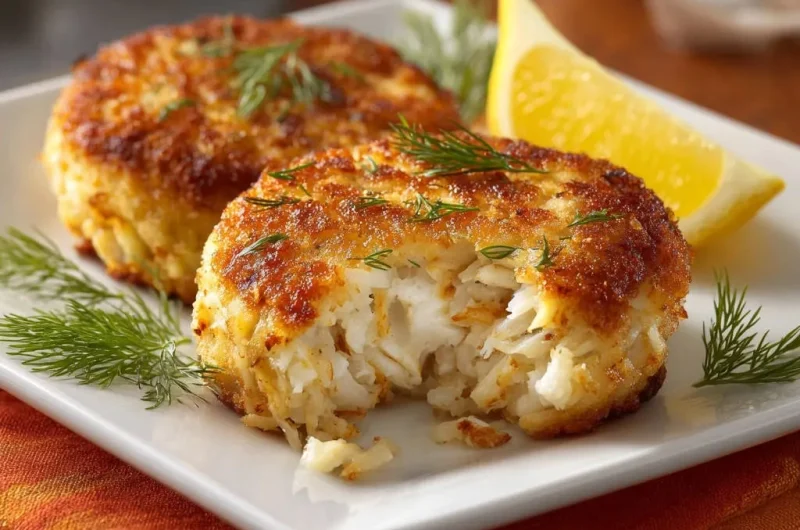
minutesDiscover the secret to perfectly formed, incredibly delicious crab cakes that hold their shape every single time. This recipe ensures a cohesive binder and a beautiful, golden crust without crumbling. Serve these classic crab cakes with fresh dill and lemon wedges.
Ingredients
1 pound lump crab meat, picked over for shells
1/4 cup mayonnaise
1 large egg, lightly beaten
1 tablespoon Dijon mustard
1 tablespoon chopped fresh dill, plus more for garnish
1 teaspoon Old Bay seasoning
1/4 teaspoon black pepper
1/2 cup plain breadcrumbs, plus more for coating
2 tablespoons vegetable oil (or other neutral oil)
1 lemon, cut into wedges, for serving
Directions
- In a medium bowl, gently combine the mayonnaise, beaten egg, Dijon mustard, 1 tablespoon chopped fresh dill, Old Bay seasoning, and black pepper. Whisk until smooth.
- Add the 1/2 cup breadcrumbs to the wet mixture and stir until just combined. Let this mixture sit for 5 minutes to allow the breadcrumbs to absorb some moisture. This helps create a more cohesive binder.
- Carefully add the picked crab meat to the bowl. Using a spatula or your hands, gently fold the crab meat into the mixture until just combined. The goal is to keep the lump crab intact as much as possible, so avoid overmixing.
- Divide the mixture into 4 or 6 equal portions and gently form them into patties, about 1 inch thick. Do not press too firmly; just enough to hold their shape.
- Lightly coat each crab cake with additional plain breadcrumbs, gently patting them on both sides. This extra layer will help protect the crab cake and ensure a beautiful, golden crust.
- Place the formed crab cakes on a plate or baking sheet lined with parchment paper. Refrigerate for at least 30 minutes. This chilling step is crucial as it allows the binders to firm up, significantly reducing the likelihood of the crab cakes falling apart during cooking.
- Heat the vegetable oil in a large non-stick skillet over medium heat. Once the oil is shimmering, carefully place the chilled crab cakes into the skillet, ensuring not to overcrowd the pan. Cook in batches if necessary.
- Cook for 4 to 6 minutes per side, or until deeply golden brown and heated through. Resist the urge to move them frequently; let them develop a solid crust before carefully flipping with a thin spatula.
- Remove the cooked crab cakes from the skillet and place them on a plate lined with a paper towel to drain any excess oil.
- Garnish with fresh dill and serve immediately with lemon wedges.
Notes
- Chilling for 30 minutes is crucial for firmness. Avoid overmixing to keep lump crab intact.