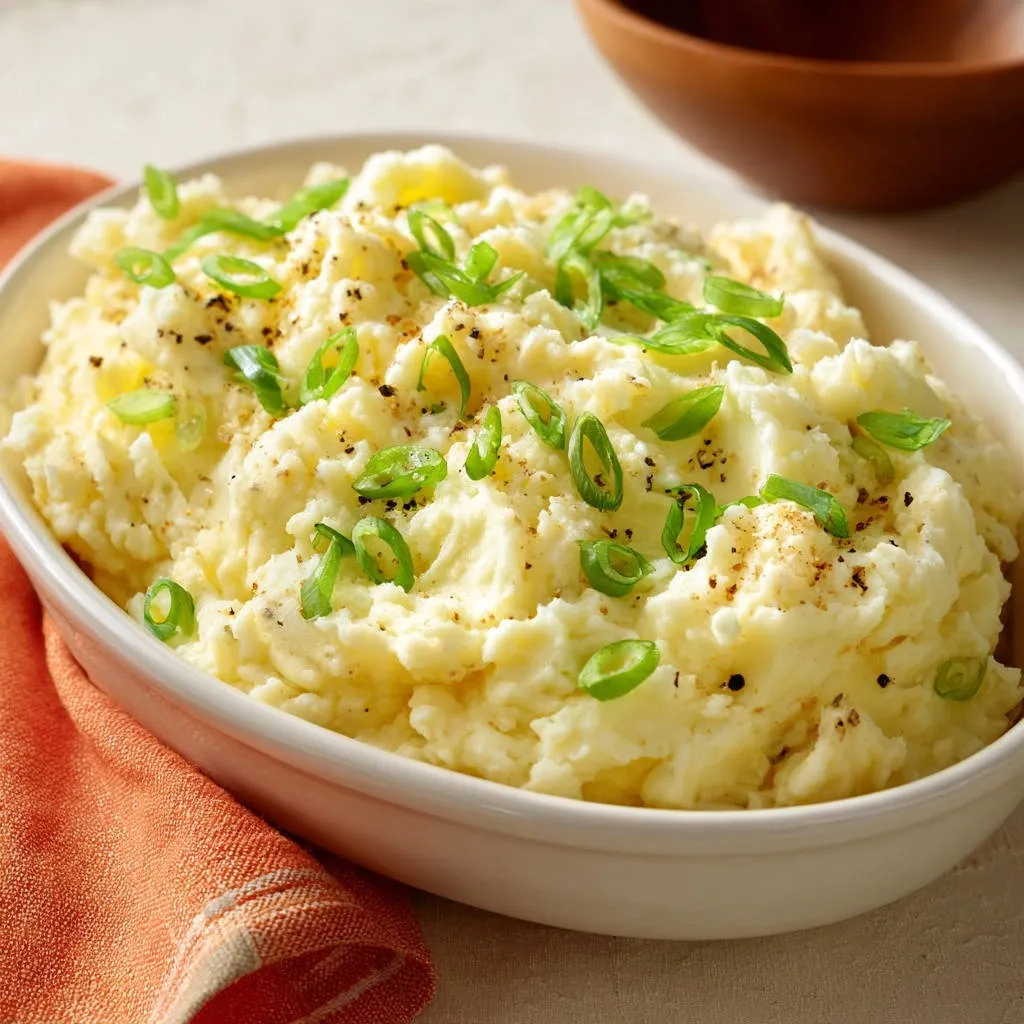
I spent years battling dense, gummy potatoes-a common texture failure that ruins the perfect holiday plate. I finally perfected the anti-gluey secret: a crucial drying step that guarantees light, fluffy texture for Classic Creamy Mashed Potatoes every single time.
This simple method focuses on careful starch management and high-quality ingredients, resulting in an incomparably velvety mash that absorbs flavor beautifully.
Beyond Basic: Why This Classic Creamy Mashed Potatoes Recipe Delivers Perfection
The secret to achieving that ethereal, smooth texture lies entirely in proactive starch management before any liquid is introduced.
Our method focuses on eliminating the most common failure points, specifically preventing the overworking of fragile starch cells.
By using simple ingredients selected for quality and incorporating them correctly, we ensure the final dish has profound, balanced depth of flavor, not just bland bulk.
Decoding the Ingredients for Truly Fluffy Classic Creamy Mashed Potatoes
The Ultimate Potato Showdown: Russet vs. Yukon Gold
Russets are incredibly high in starch and low in moisture, making them the superior choice for maximum fluffiness and absorption of fat.
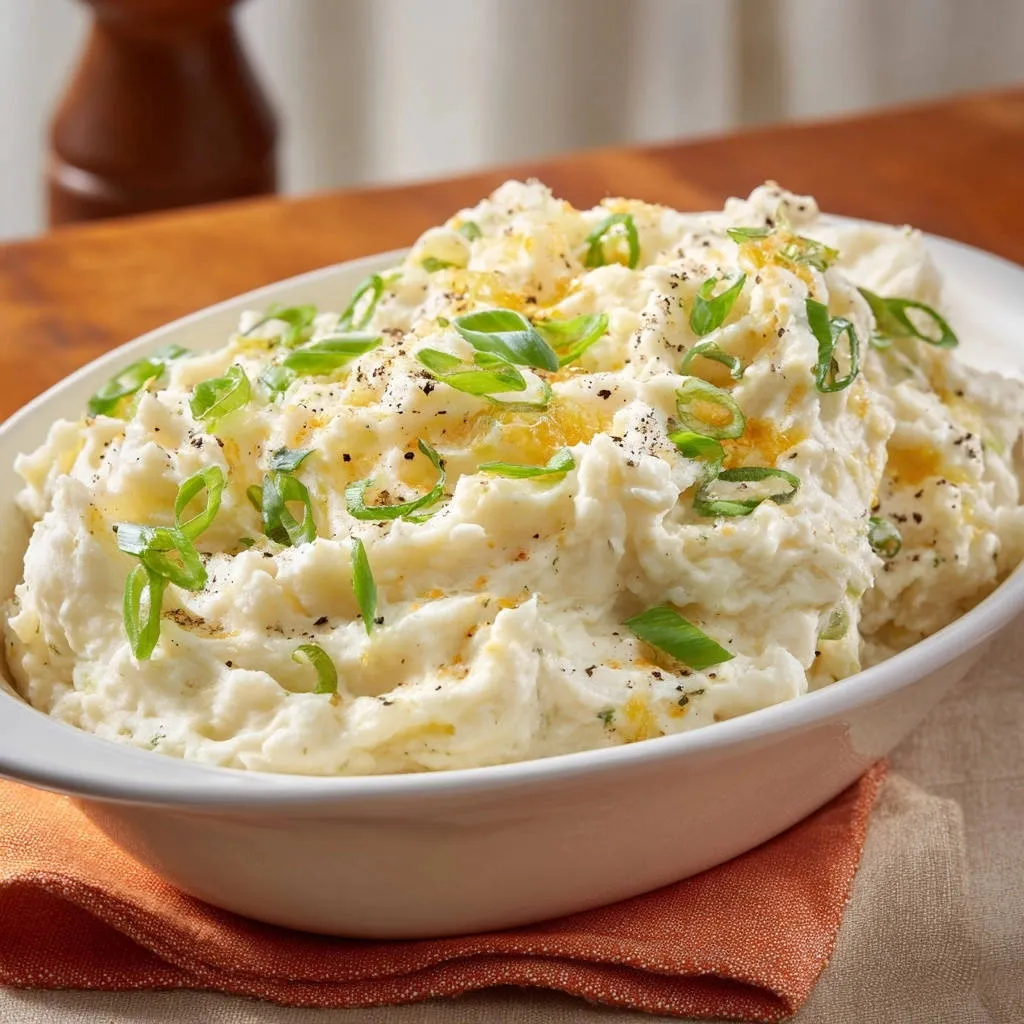
Yukon Golds, while slightly less starchy, offer a naturally buttery flavor and creamy texture, making them an excellent alternative for a richer, more yellow color.
Ensure all potato chunks are peeled and cut to a uniform 1.5-inch size so they cook evenly and reach the essential fork-tender stage simultaneously.
Choosing Your Dairy and Fat: The Role of Whole Milk, Cream, and Butter
Using warm, high-fat liquids is crucial because cold liquids immediately stiffen the potatoes and make them challenging to incorporate evenly.
High-quality unsalted butter allows you complete control over the salinity of the final dish while adding necessary richness and concentrated flavor.
Heavy cream delivers the richest mouthfeel, but whole milk works well if you prefer a slightly lighter, though still deeply satisfying, velvety mash.
Seasoning Beyond Salt and Pepper: Maximizing Flavor Impact
Salting the boiling water (as much as you would pasta water) is essential; it’s the only opportunity to season the potato mass from the inside out.
A generous use of freshly ground black pepper provides necessary heat and aromatic contrast.
Finishing the dish with freshly sliced green onions or chives provides a clean, necessary balance to cut through the richness of the butter and cream.
For an even creamier garlic experience, consider creamy garlic mashed potatoes.
Essential Equipment: Tools That Guarantee a Non-Gluey Texture
The Power of the Ricer: Why It’s Worth the Investment
A ricer or a food mill is the professional standard for mashed potatoes because it gently pushes the cooked potatoes through small holes.
This separation process minimizes the friction that releases sticky starch molecules, which is a major failure point caused by traditional mashers or electric mixers.
Handling the Heat: The Necessary Pot and Cold Water Start
Use a large, heavy-bottomed pot to accommodate the volume and ensure stable heat distribution during the cooking phase.
It is non-negotiable to start the potatoes in cold water; this technique ensures that the center and the exterior of the potato chunks cook at the exact same even rate.
Your Path to Classic Creamy Mashed Potatoes Perfection: The Step-by-Step Guide
Preparation and the Crucial Cold Water Start
Peel the potatoes entirely, rinse them well, and cut them into uniform 1.5-inch chunks to guarantee equal cooking time for every piece.
Place the chunks in the large pot, cover them with cold water by one inch, and add approximately 1 tablespoon of salt.
This generous amount of salt ensures the starches are seasoned internally as they hydrate and soften during the boiling process.
Mastering the Boil and Monitoring Doneness
Bring the water to a rolling boil over high heat, then immediately reduce the temperature to maintain a gentle simmer for controlled cooking.
Simmer the potatoes for 15 to 20 minutes until they are perfectly fork tender, meaning they offer absolutely no resistance when pierced with a fork.
If the potatoes are not fully tender, they will produce stubborn, hard lumps later and not absorb the liquids properly.
The Anti-Gummy Lock: Essential Drying Step (THE USP!)
Immediately and thoroughly drain the cooked potatoes, then return them quickly to the empty, hot pot off the heat source.
Cover the pot with a clean kitchen towel (to wick away moisture) and secure the lid on top. Let the potatoes steam undisturbed for exactly five minutes.
This vital steaming step removes excess surface moisture, preventing the released starch from reacting with the fat and turning the mash into sticky, unappetizing glue.
Heating the Dairy and Butter Mixture
While the potatoes dry, combine your butter, milk, or cream in a small saucepan and heat over medium-low heat until the butter is completely melted.
The liquid mixture must be very hot, near simmering but not boiling, when added to the potatoes to maximize absorption and retain the heat of the final dish.
The Gentle Art of Mashing and Combining
Pass the hot, dry potatoes through a ricer or food mill directly back into the cooking pot for the lightest texture and most uniform result.
Crucial Warning: Never use a stand mixer or electric hand mixer, as the aggressive whipping will instantly rupture the starch cells, causing stickiness.
Pour in half of the warm liquid, using a sturdy spatula to gently fold the mixture until mostly combined, then add the remaining liquid gradually until your desired creamy consistency is achieved.
Final Seasoning and Garnish
Season generously with the remaining 2 teaspoons of salt and pepper, tasting the mash frequently to ensure the richness is perfectly balanced by the salinity.
Transfer the fluffy mash to a serving dish and immediately garnish with freshly sliced green onions for a necessary bright, herbaceous contrast.
Chef’s Secrets: Elevate Your Classic Creamy Mashed Potatoes Game
Temperature Control is Key: Ensure both the potatoes and the liquids are steaming hot when combined; cold ingredients can seize the starches and result in a dense or grayish hue.
The Salt-Boiling Ratio: Use far more salt than you might instinctively feel is necessary in the boiling water, as this is your only effective chance to season the inner starch mass thoroughly.
Optional Flavor Boosters: For added complexity, incorporate mix-ins like slow-roasted garlic paste, finely grated parmesan cheese, or a small dollop of sour cream for tang.
For a different take on creamy potatoes, explore loaded garlic mashed potatoes with this approach.
Always Taste and Adjust: Due to the high fat content, flavors can mute slightly as the potatoes cool, so a final, assertive seasoning adjustment right before serving is always crucial for maximum impact.
Complementary Dishes to Consider
To round out your meal, explore these flavorful dishes that pair well with creamy potatoes.
- For a seafood focus, consider the Creamy Lobster Clam Chowder, a rich and satisfying option.
- If you enjoy hearty, savory flavors, the Swedish Meatballs in Creamy Sauce offers a delightful contrast.
Troubleshooting: Fixing the Most Common Mashed Potato Mistakes
Why Are My Mashed Potatoes Gluey or Sticky? (The Solution)
The primary culprit is overworking the starch molecules, often by using an electric mixer or vigorously stirring the mash.
Review the drying step (Step 3) and ensure you are strictly using a ricer or folding the liquids gently to minimize starch breakage.
While gluey potatoes are hard to rescue, you can sometimes slightly soften the texture by gently warming them on low heat with an extra splash of hot cream, then folding quickly.
My Potatoes Are Too Thin or Runny-Help!
If your potatoes are excessively wet, the most reliable fix is to return the mash to the stove over very low heat for 5 to 10 minutes.
Stir the potatoes gently while heating; this allows excess moisture to evaporate from the surface.
Alternatively, incorporate a highly absorbent thickener like a small amount of dried milk powder or a tablespoon of cream cheese or sour cream, which adds texture without risk.
Lumpy Potatoes: When Is It Okay and When Is It a Flaw?
If you aim for a rustic feel, small lumps from slightly undercooked pieces are generally acceptable and can add character to the dish.
If you desire a perfectly smooth texture, the failure lies in either not cooking the potatoes long enough to be fully tender or skipping the use of a ricer or food mill.
Storage, Reheating, and Make-Ahead Magic
Can You Make Classic Creamy Mashed Potatoes Ahead of Time?
Mashed potatoes are always superior served immediately, but you can prepare them up to the day before by separating the processing steps.
Boil, drain, and rice the potatoes, storing the dry mash and the warm liquid mixture separately.
Gently reheat the mash and the liquids, then fold them together right before the meal to achieve that fresh, creamy texture.
The Best Way to Reheat Leftovers (Avoiding Dryness)
For oven reheating, place the mash in a covered casserole dish with a splash of milk or cream added to the top.
Heat the dish at 325°F (160°C) until warmed through, ensuring the cover prevents moisture loss.
If using a microwave, avoid high power; use short, 30-second bursts, stirring frequently and adding a small amount of warm cream each time to prevent dry, hard spots.
Quick Classic Creamy Mashed Potatoes FAQs
Do I Need to Peel the Potatoes?
For the truly light and luxurious texture of Classic Creamy Mashed Potatoes, peeling is essential to eliminate any potentially tough texture introduced by the potato skins.
However, if you are using thin-skinned Yukon Golds and prioritize ease, you may leave the skins on, but expect a slightly less uniform texture.
What temperature should the dairy be when adding it to the mash?
The dairy and butter mixture must be steaming hot, right on the verge of simmering, to ensure the starches fully absorb the fat without cooling down the potato mass.
Adding cold liquid instantly drops the temperature, which can prematurely thicken the mash and create a pasty texture.
How long do leftovers last in the refrigerator?
When stored properly in an airtight container, leftover mashed potatoes maintain excellent flavor and are safe to consume for 3 to 4 days.
Ready to Impress? Share Your Classic Creamy Mashed Potatoes Masterpiece!
Mastering this simple anti-gummy technique ensures you will never fear making fluffy mashed potatoes for a large crowd again.
You now possess the expert knowledge to create a side dish that is truly deserving of the main stage at any meal.
Try this method tonight and let me know how beautifully light and velvety your Classic Creamy Mashed Potatoes turned out!
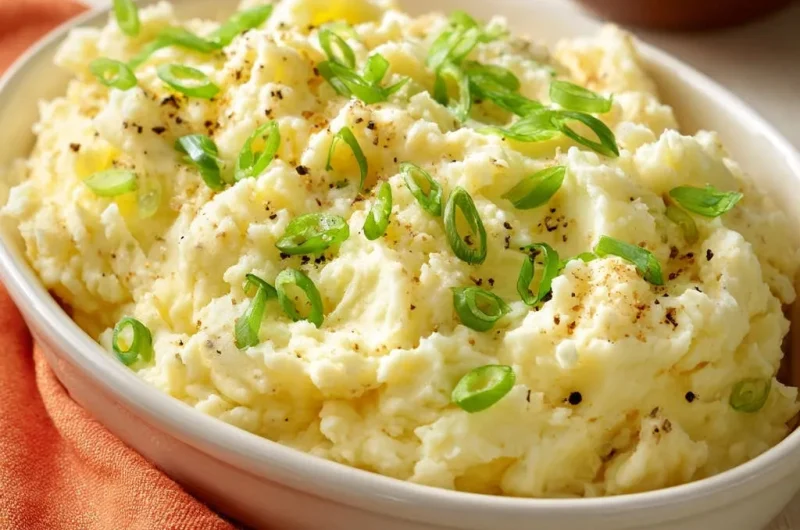
Mashed Potatoes
Course: Side DishCuisine: AmericanDifficulty: easy6
servings15
minutes30
minutes550
kcal45
minutesSay goodbye to gluey potatoes forever! This recipe employs a simple, essential drying step after boiling that ensures the starches remain separate, resulting in the creamiest, fluffiest mash every time.
Ingredients
3 pounds starchy potatoes (like Russet or Yukon Gold)
1 cup whole milk or heavy cream
1/2 cup unsalted butter (1 stick)
2 teaspoons salt, plus more for boiling
1/2 teaspoon black pepper
2 green onions, thinly sliced (for garnish)
Directions
- Prepare the Potatoes: Peel and rinse the potatoes thoroughly. Cut them into roughly equal 1.5 inch chunks. Place the potatoes in a large pot and cover with cold water by about one inch. Add 1 tablespoon of salt to the water.
- Boil and Cook: Bring the water to a boil over high heat, then reduce the heat to maintain a simmer. Cook the potatoes until they are fork tender, usually 15 to 20 minutes.
- The Essential Drying Step (Anti-Gummy Lock): This is the key to preventing gumminess. Thoroughly drain the cooked potatoes immediately. Return the hot drained potatoes to the empty pot (off the heat). Cover the pot with a clean kitchen towel and place the lid back on. Let the potatoes steam for 5 minutes. This steaming process removes excess surface moisture, ensuring the starches are dry and ready to absorb the fat without breaking down into glue.
- Heat the Liquids: While the potatoes are drying, combine the milk/cream and butter in a small saucepan over medium heat until the butter is completely melted and the mixture is very hot (do not boil). Keep this mixture warm.
- Mash Carefully: Pass the hot, dry potatoes through a ricer or a food mill directly back into the cooking pot. If you do not have a ricer, use a hand masher, but avoid using a hand mixer or stand mixer, which will overwork the starches.
- Combine and Finish: Pour half of the warm milk and butter mixture over the mashed potatoes. Gently fold the liquid into the potatoes using a sturdy spatula. Add the remaining liquid gradually until you reach your desired creamy consistency. Stir only until incorporated. Season generously with the 2 teaspoons of salt and 1/2 teaspoon of pepper.
- Serve: Transfer the mashed potatoes to a serving dish, sprinkle with additional black pepper and garnish with the freshly sliced green onions immediately.
Notes
- Use a ricer or food mill for the best, lightest texture. Do not use an electric mixer.