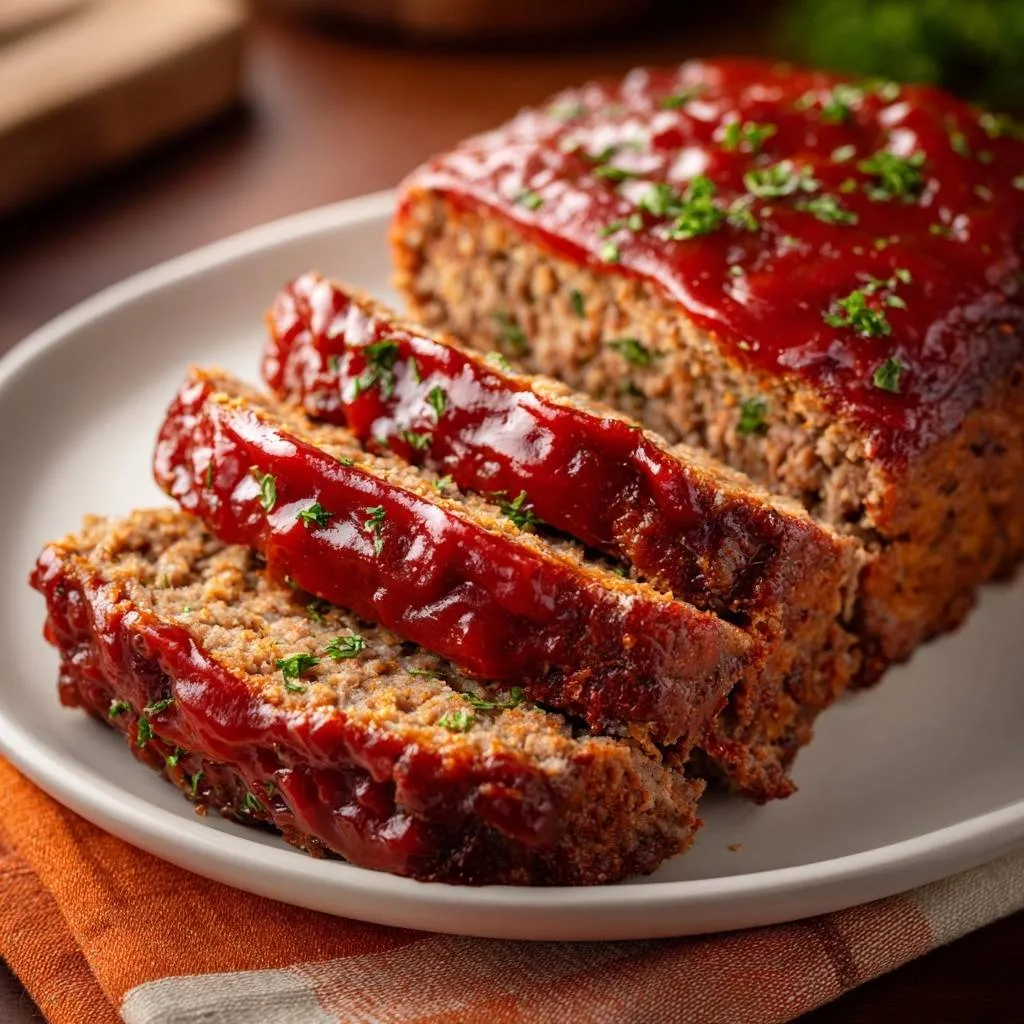
Why This Classic Glazed Meatloaf Stays Moist
Nothing ruins dinner faster than dry, crumbly meatloaf. You’ve probably bitten into one that falls apart and tastes like cardboard. This classic glazed meatloaf changes everything with a simple milk-soaked breadcrumb trick that keeps every slice juicy and tender.
Most recipes skip this step, so the meat squeezes out all its moisture during baking. However, the panade soaks it up and releases it back, locking in flavor for weeknight wins. You’ll get that homey comfort without the hassle.
For an even more tender result, learn how to make this classic homestyle meatloaf.
Here’s the pro tip: let those breadcrumbs soak fully for five minutes before adding anything else. That small wait transforms tough beef into melt-in-your-mouth goodness. Trust me, it’s the game-changer for perfect classic glazed meatloaf every time.
For a similar kick, check out this jalapeno feta meatloaf.
Panade Technique Unlocks Juicy Classic Glazed Meatloaf
The panade works magic in this classic glazed meatloaf. You pour milk over breadcrumbs, and they absorb it, swelling up. During mixing, they trap the beef’s juices; in the oven, they expand and release that moisture slowly.
Without it, plain breadcrumbs just suck everything dry, leaving you with dense, tough results. In addition, this method mimics old-school techniques but makes moist glazed meatloaf foolproof. Try it side-by-side sometime, and you’ll see the difference in texture right away.
Therefore, always use the full cup of breadcrumbs to one-half cup milk ratio. It ensures even distribution, so no dry spots sneak in.
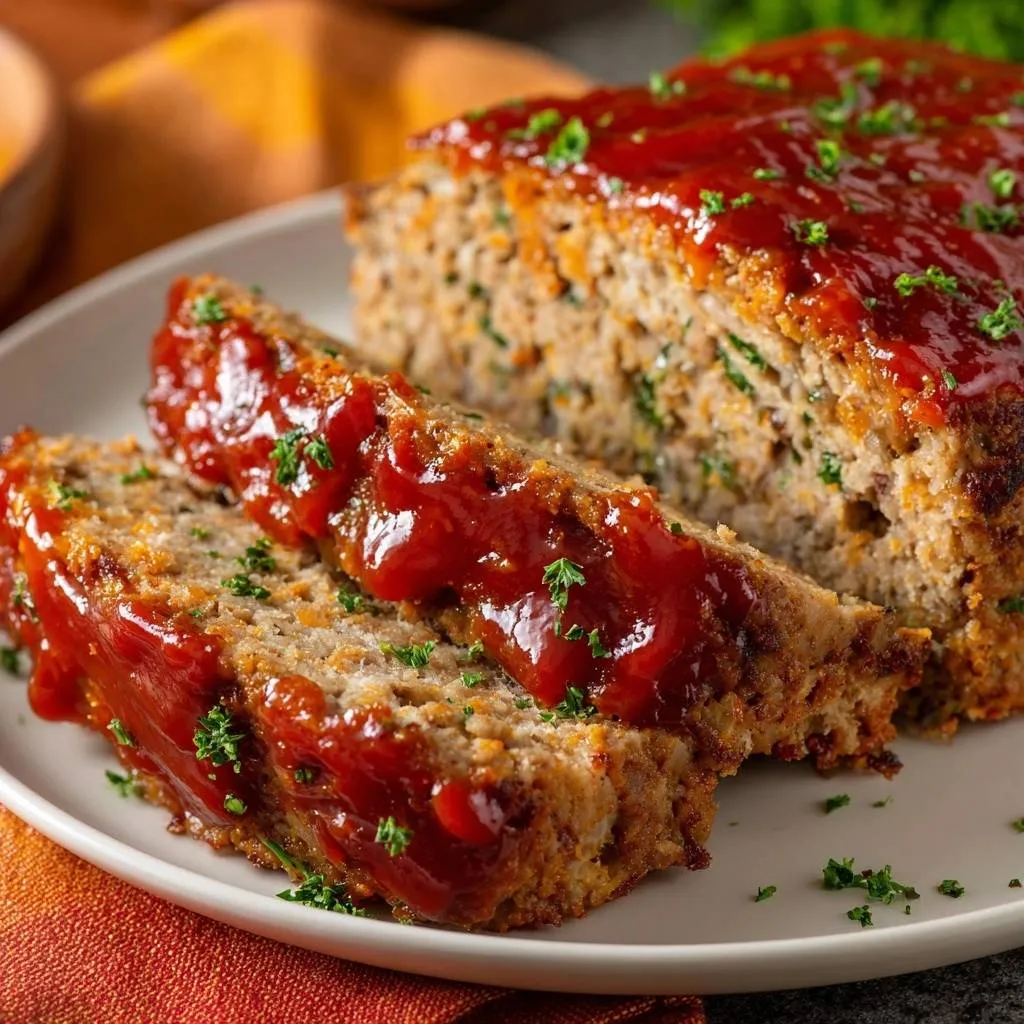
Breadcrumbs and Milk Ratio Breakdown
Stick to one cup breadcrumbs to one-half cup milk for classic glazed meatloaf. This 2:1 ratio creates the ideal binder without sogginess. Stale breadcrumbs absorb better, avoiding a mushy mix.
Whole milk adds richness, but 2% works fine for lighter texture. Therefore, if you’re out of dairy, coconut milk keeps it moist without curdling. Freshness matters here for that perfect tenderness.
Soaking Time Impact on Tenderness
Soak for exactly five minutes to kick off starch gelatinization in your classic glazed meatloaf. Under-soak, and it stays gritty; over-soak turns it to paste. That timing lets starches swell just right.
In addition, you’ll notice the mix soften and smell faintly sweet. It’s ready when it holds together easily. This step guarantees juicy results every time.
Essential Ingredients for Perfect Classic Glazed Meatloaf
Start with two pounds of ground beef for the base of this classic glazed meatloaf. Eggs and the panade bind it all, while onion adds subtle crunch and moisture. Worcestershire brings deep umami that elevates the whole loaf.
Salt, pepper, and garlic powder season evenly, so every bite pops. For the glaze, ketchup forms the sticky base, brown sugar caramelizes for shine, apple cider vinegar cuts sweetness, and mustard adds zing. In addition, fresh parsley at the end brightens it up.
No 80/20 beef? Mix in a tablespoon of olive oil with leaner cuts. These picks ensure flavor and juiciness without guesswork.
Ground Beef Choices for Optimal Texture
Go for 80/20 ground beef in classic glazed meatloaf. The fat renders out, basting the loaf for supreme juiciness. Leaner beef dries fast since it lacks that moisture boost.
For similar juicy results with beef, check out cheesy loaded beef meatballs.
Therefore, always thaw frozen beef fully and pat dry. Fresh feels springy and smells clean. Avoid extra-lean to prevent chalky slices.
Seasonings That Elevate Glazed Meatloaf Flavor
Worcestershire sauce delivers umami that makes classic glazed meatloaf sing. One teaspoon salt balances it perfectly; too little tastes flat. Garlic powder blends smoothly, unlike fresh which can overpower.
In addition, black pepper adds a gentle bite. Taste the mix before shaping, and adjust if needed. These keep flavors bold yet harmonious.
Step-by-Step: Building Classic Glazed Meatloaf Base
Preheat your oven to 350 degrees F and line a baking sheet with greased foil. It catches drips and makes cleanup easy. Then, pour milk over breadcrumbs in a big bowl and soak for five minutes until mushy.
Add eggs, finely chopped onion, Worcestershire, salt, pepper, and garlic powder. Mix until smooth; you’ll smell the savory aroma building. Crumble in the beef and gently combine with your hands.
Don’t overmix, or it toughens up. The mix should feel tacky and hold together. Pro tip: chill it five minutes if it’s too sticky to shape.
Shaping the Loaf for Even Cooking
Form a 9×5-inch loaf on the sheet for classic glazed meatloaf. This size allows airflow, so it bakes evenly without steaming. Press gently for a uniform shape.
Freeform beats loaf pans since edges crisp up nicely. In addition, smooth the top flat for even glaze coverage. It cooks through perfectly at 160 degrees F.
Crafting Tangy Glaze for Classic Glazed Meatloaf
Whisk ketchup, brown sugar, apple cider vinegar, and mustard in a bowl. Start with ketchup for a thick base, then stir in sugar until dissolved. Vinegar and mustard add tang that balances the sweet.
The sugar caramelizes in the oven for a glossy crust. Therefore, spread half now and save half for later. This layers flavor without burning.
Pro tip: taste and tweak vinegar if you like it sharper. It clings perfectly to the loaf.
Baking Timeline for Juicy Classic Glazed Meatloaf
Bake at 350 degrees F for 45 minutes with the first glaze layer. The low heat cooks gently, letting the panade work its moisture magic. Foil keeps juices contained for basting.
Add the remaining glaze and bake 15 more minutes until 160 degrees F inside. You’ll see it pull away from edges and glaze bubble. Resting redistributes juices for succulent slices.
Therefore, use a thermometer; looks can trick you. This timeline delivers perfect classic glazed meatloaf.
Resting Phase Moisture Lock
Rest 10 minutes after baking your classic glazed meatloaf. Carryover heat finishes cooking while juices settle. Slice too soon, and they run out, drying it fast.
In addition, tent with foil to keep warm. It stays hot and moist longer.
Science of Moist Classic Glazed Meatloaf Baking
At 350 degrees F, proteins in the beef denature, firming up the loaf. The panade releases moisture right at 160 degrees F, peaking juiciness. Maillard reaction on the glaze creates that caramelized, sticky crust you crave.
Convection ovens speed it up, so check early. However, conventional works best for even heat. Overbaking squeezes out fat; stick to the timer.
In addition, the vinegar in glaze tenderizes the surface. It’s why this classic glazed meatloaf stays sliceably tender.
Avoiding Dry Classic Glazed Meatloaf Pitfalls
Overmixing compacts muscle fibers, making classic glazed meatloaf tough. Skip the panade, and it dries out completely. Wrong beef fat leads to greasy or crumbly results.
Glaze overload burns the outside while inside stays raw. No rest means soggy slices. Fixes? Mix gently, always panade, use 80/20 beef, glaze in stages, and wait 10 minutes.
Therefore, follow these, and you’ll never face dry meatloaf again. Each tweak makes a huge difference.
Overmixing Leads to Tough Meatloaf
Overmixing in classic glazed meatloaf contracts proteins early, squeezing out moisture. Mix just until combined; hands feel the change from crumbly to cohesive. Stop there.
In addition, wet hands prevent sticking. It stays tender and flavorful.
Make-Ahead Guide for Classic Glazed Meatloaf
Assemble the base up to 24 hours ahead and refrigerate. Flavors meld beautifully. Freeze the shaped loaf for three months; wrap tightly in plastic then foil.
Thaw overnight, then bake as usual. Store glaze separately up to a week. For reheating, slice and warm in a 300 degrees F oven with a splash of broth to revive moisture.
Therefore, batch for families; it saves time on busy nights. Perfect for meal prep.
Pairing Sides with Classic Glazed Meatloaf
Mashed potatoes soak up the glaze like a dream in classic glazed meatloaf dinners. Green beans add crisp freshness to balance the richness. Roasted veggies bring earthy sweetness.
Complementary Dishes
To round out your meal with the Classic Glazed Meatloaf, consider these comforting additions.
- For a smooth, warming starter, try this creamy roasted butternut squash soup, which shares a similar focus on comforting, roasted flavors.
- To complete the classic meat-and-potatoes feel, pair your meatloaf with these creamy garlic mashed potatoes and gravy for a truly satisfying plate.
Therefore, a simple salad cuts through the savory depth. Starch plus veg makes every plate complete. Quick steam or roast keeps it easy.
Classic Glazed Meatloaf FAQ
Can I Use Ground Turkey in Glazed Meatloaf?
Yes, swap for ground turkey in classic glazed meatloaf, but add two tablespoons olive oil for fat. The panade stays key to lock in moisture. It bakes up lighter yet still juicy, reaching 165 degrees F.
How to Tell Classic Glazed Meatloaf Is Done?
Use a thermometer for 160 degrees F in the center of your classic glazed meatloaf. Clear juices and slight shrinkage confirm it. Ignore pink myths; temp rules for safety and tenderness.
Glaze Alternatives for Classic Meatloaf?
Try BBQ sauce with honey for smoky sweet in classic glazed meatloaf. Chili sauce adds heat, or honey-mustard for tang. Keep sweet-acid balance; one-quarter cup sugar per cup base prevents cloying.
Freezing Sliced Glazed Meatloaf Best Practices?
Slice classic glazed meatloaf, layer with parchment in airtight bags, and freeze up to three months. Thaw in fridge, then reheat covered at 325 degrees F with broth for steam. It stays moist and flavorful.
Why Is My Glazed Meatloaf Dry?
Dry classic glazed meatloaf comes from skipping panade, using lean beef, or overbaking past 160 degrees F. Fix next time with full soak, 80/20 meat, and thermometer. Resting helps too; quick tweaks save it.
How Long Does Classic Glazed Meatloaf Last in the Fridge?
Store leftovers in an airtight container for up to four days. It reheats well sliced in a skillet with a bit of water. Freezing works great for three months; avoid refreezing thawed portions to keep texture juicy.
Can I Make Classic Glazed Meatloaf Gluten-Free?
Yes, use gluten-free breadcrumbs or oats for the panade in classic glazed meatloaf. Soak same ratio; it binds perfectly. Check Worcestershire for gluten; most brands are safe now.
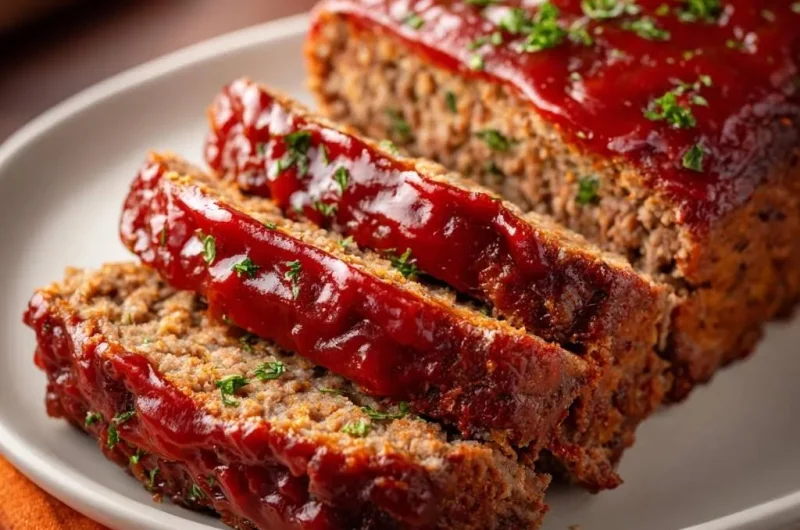
Meatloaf
Course: Main CourseCuisine: AmericanDifficulty: medium8
servings15
minutes1
hour450
kcal60
MinutesDry meatloaf is the worst. This foolproof recipe fixes it forever with one easy trick: a milk-soaked breadcrumb panade that locks in juices for tender, moist slices every time. Perfect for weeknight dinners.
Ingredients
2 pounds ground beef
1 cup breadcrumbs
1/2 cup milk
2 large eggs
1 small onion, finely chopped
2 tablespoons Worcestershire sauce
1 teaspoon salt
1/2 teaspoon black pepper
1/2 teaspoon garlic powder
1 cup ketchup
1/4 cup brown sugar
2 tablespoons apple cider vinegar
2 tablespoons mustard
Fresh parsley, chopped for garnish
Directions
- Preheat oven to 350 degrees F. Line a baking sheet with foil and lightly grease.
- In a large bowl, pour milk over breadcrumbs. Let soak 5 minutes until soft. This panade is your dryness fix: it absorbs and releases moisture during baking, keeping meat tender and juicy.
- Add eggs, onion, Worcestershire, salt, pepper, and garlic powder to soaked breadcrumbs. Mix well.
- Crumble in ground beef. Gently mix with hands until just combined, avoiding overmixing to prevent toughness.
- Shape into a 9×5-inch loaf on prepared baking sheet.
- In a small bowl, whisk ketchup, brown sugar, vinegar, and mustard for glaze. Spread half over loaf.
- Bake 45 minutes, then spread remaining glaze. Bake 15 more minutes until internal temperature reaches 160 degrees F.
- Rest 10 minutes before slicing. Garnish with parsley. Serve hot.
Notes
- Resting the meatloaf for 10 minutes after baking allows juices to redistribute for maximum tenderness. The panade is key to preventing dryness.