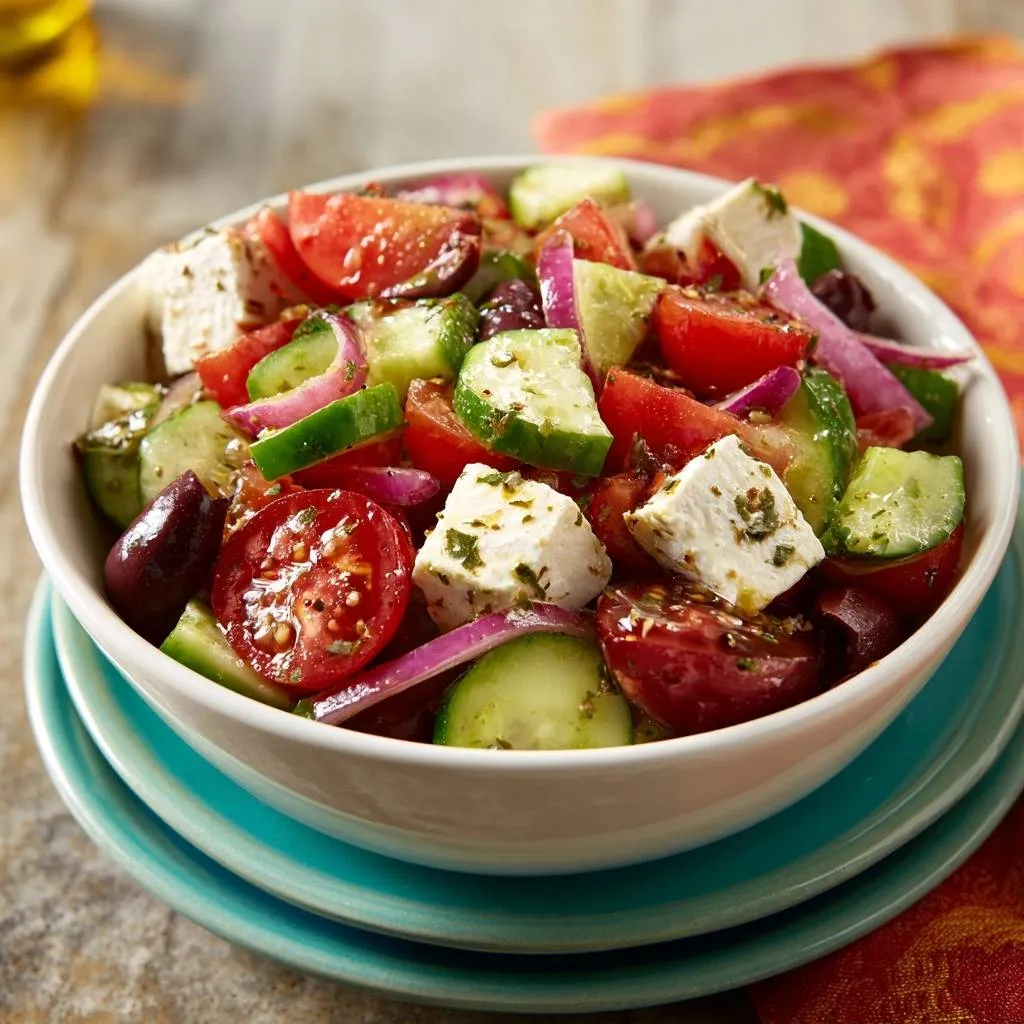
Ever bite into a classic Greek salad at a restaurant only to get a watery, soggy mess? You know the drill: cucumbers and tomatoes release their juices, turning everything mushy after a few minutes. But here’s the fix that keeps every forkful crisp and vibrant.
This method changes everything because it tackles the root problem head-on. Instead of fighting soggy veggies, you draw out the excess moisture first. You’ll end up with a classic Greek salad that tastes fresher than takeout and holds up for hours.
The secret lies in precise salting and draining times. Cucumbers need 15 minutes to shed their water, while tomatoes and onions take just 5. That simple tweak delivers restaurant-quality crunch every time.
For a similar vibrant color without the mess, check out the no-stain roasting method for beets.
Why Classic Greek Salad Demands Precision Draining
Watery veggies ruin most classic Greek salads. Cucumbers weep because they’re 96% water, tomatoes clock in at 94%, and even onions release moisture when sliced. Without draining, your bowl turns into a soupy puddle fast.
However, this authentic Greek salad technique uses salt to pull out that liquid through osmosis. The salt draws moisture to the surface without wilting the produce. Therefore, you get bright flavors and firm textures that last.
Vegetable Water Content Challenges
Cucumbers lead the pack at 96% water content, so they flood salads quickest. Tomatoes follow close at 94%, and onions add sharp juices when cut. In comparison, drier salads like coleslaw don’t face the same issues.
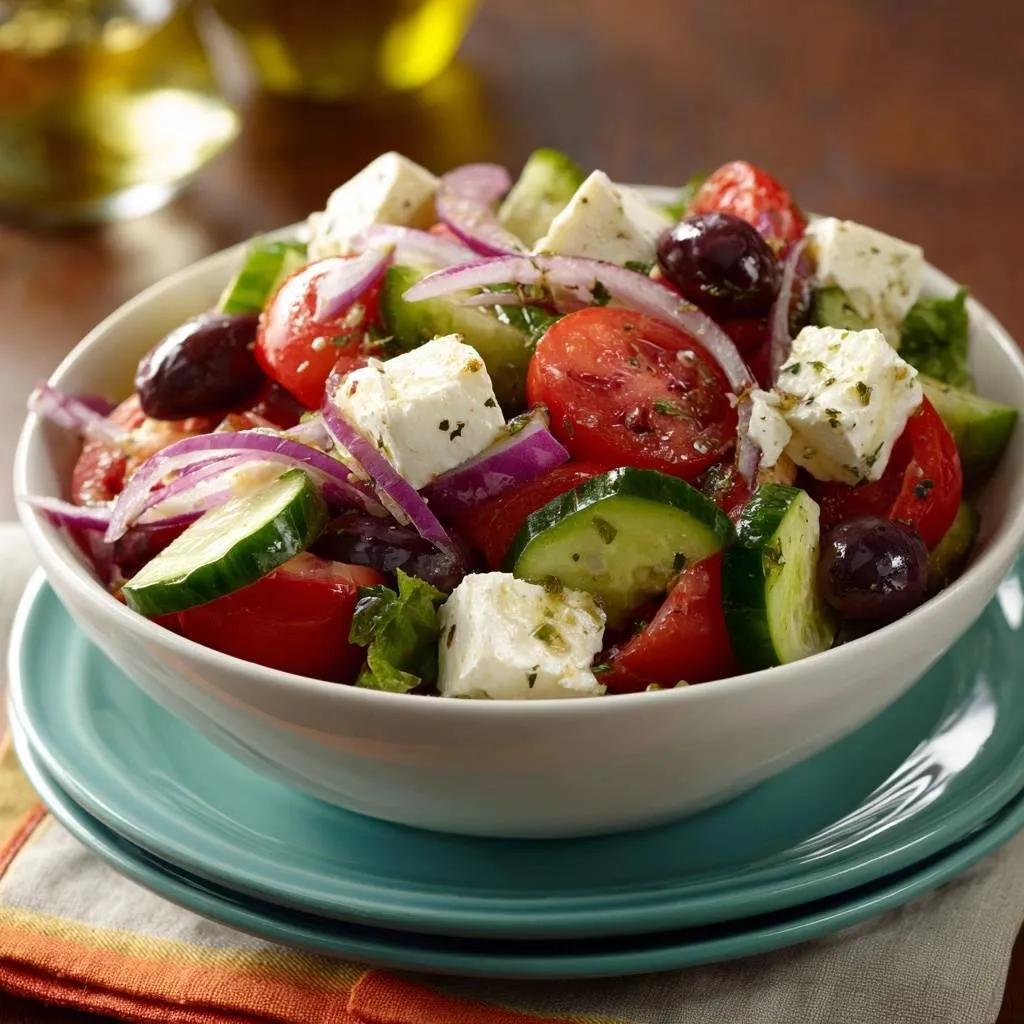
That’s why undrained classic Greek salad goes limp. But salting fixes it by concentrating flavors. You’ll notice the difference immediately.
Benefits of Salting for Crispness
Salt triggers osmosis, pulling water out gently. For cucumbers, drain 15 minutes; tomatoes and onions need only 5. In addition, this step lets the salad hold crispness up to 2 hours, even chilled.
No more wilted bites. Your classic Greek salad stays vibrant and restaurant-fresh.
Core Ingredients for Authentic Classic Greek Salad
Start with 4 medium cucumbers sliced into half-moons. They provide crunch, but only if drained right. Next, 4 ripe tomatoes cut into wedges deliver juicy sweetness without sogginess.
One large red onion, thinly sliced into rings, adds mild bite. Then, 8 ounces feta cheese cubed into 1/2-inch pieces brings creamy saltiness that melts in your mouth. Don’t forget 1 cup pitted kalamata olives for briny pop.
Finish with 1/4 cup extra-virgin olive oil, 1 teaspoon dried oregano, 1 teaspoon salt (divided), and 1/4 teaspoon black pepper. Fresh parsley or oregano for garnish ties it together. Quality EVOO shines here; it coats everything evenly.
Selecting Ripe Tomatoes and Cucumbers
Pick firm cucumbers that snap when bent; they’re best for half-moon slices that drain evenly. In-season tomatoes give a flavor burst, so choose heavy, fragrant ones. Avoid chunks; half-moons release water better.
For a similar delicious yet easy pasta dish, check out this easy Mediterranean pasta salad.
Feta and Kalamata Olives Breakdown
Cube feta to 1/2-inch for perfect bites; it won’t crumble during tossing. Pitted kalamata olives save hassle and pack authentic Greek brininess. Skip other varieties; they lack the punch.
Onion Slicing and Seasoning Staples
Slice red onion into thin rings for crunch without overpowering. Extra-virgin olive oil must be fresh; it carries the oregano’s earthy hit. Test oregano potency by rubbing it; strong scent means better flavor.
Mastering the Draining Technique First
Grab a colander over a bowl. For classic Greek salad draining, sprinkle 1/2 teaspoon salt on cucumber half-moons and toss gently. Let sit 15 minutes; juices will drip out, leaving crisp slices.
Press lightly to speed it up, then pat dry with paper towels. You’ll see clear liquid in the bowl, a sign it’s working. Repeat separately for tomatoes and onions with the remaining salt for 5 minutes each.
This prevents cross-flavor dilution. Dry everything thoroughly; damp veggies mean soggy salad later.
Cucumber Draining Specifics
Place sliced cucumbers in the colander with a bowl underneath to catch juices. Toss with 1/2 teaspoon salt and wait 15 minutes max. Press gently; half-moons stay crisp and ready.
Tomato and Onion Quick Drain
Drain tomatoes and onions separately to avoid flavor bleed. Use 5 minutes each, then press minimally. Pat dry well; shapes hold firm for assembly.
Assembling Vibrant Classic Greek Salad Layers
In a large bowl, layer drained cucumbers first. Add tomatoes, onions, feta cubes, and olives next. Feta goes last to stay intact.
Drizzle with 1/4 cup olive oil, then sprinkle 1 teaspoon oregano and 1/4 teaspoon pepper. Toss gently with your hands or a wide spoon for even coating. Garnish with fresh herbs if you like.
Serve right away or chill up to 2 hours. The draining keeps it crisp, no watery pool in sight. Pro tip: Room temperature serving maximizes flavors.
Bowl Combination Order Matters
Start with cucumbers as base; they cushion softer tomatoes. Add onions and olives, then feta last. This layering prevents crushing during toss.
Gentle Tossing Without Damage
Use clean hands or a wide spoon to lift and fold. Look for glossy, even oil coating without smashed feta. Toss just until combined.
Origins of Classic Greek Salad Tradition
Horiatiki, the real classic Greek salad, hails from rural Greece. Shepherds tossed together garden tomatoes, cucumbers, feta, and olives. No lettuce ever; it’s all about pure, fresh produce.
Complementary Recipes
Explore these dishes to continue your Mediterranean dining experience.
- For a vibrant appetizer that builds on fresh flavors, try this loaded Mediterranean hummus platter, perfect for sharing.
- If you enjoy the bright tastes of Greek cuisine with added texture, consider making a crispy Greek fish rice bowl.
This peasant dish spread globally but often lost its crispness. In Crete, versions stay simple; Athens adds onion flair. Today’s draining method honors that original intent perfectly.
Rural Greek Village Beginnings
Villagers used what grew: tomatoes, cukes, sheep’s milk feta, and olives. Simplicity ruled; no fancy greens. It fueled hardworking days with bold, fresh taste.
Global Adaptations Over Time
US diners pile on lettuce, diluting authenticity. True horiatiki skips that. Draining fits the rustic roots, keeping it crisp like in the villages.
Flavor Variations for Classic Greek Salad
Swap in bell peppers for color, but drain them too. Try cherry tomatoes halved for even sweetness. Green olives work if kalamatas are out, though less briny.
For herbs, fresh oregano amps earthiness over dried. Vegan? Use tofu feta. Add pepper flakes for heat, but preserve the crisp texture always.
Vegetable and Olive Swaps
Persian cucumbers stay mini and firm. Cherry tomatoes drain faster. Compare olives: kalamata wins for tang over milder types.
Herb and Cheese Adjustments
Fresh parsley adds punch. Goat cheese gives tangier creaminess. Dairy-free tofu mimics feta; season it well.
Avoiding Classic Greek Salad Pitfalls
Over-tossing crushes feta into mush; go gentle. Skipping the pat-dry leads to watery residue. Salt only pre-drain, never after dressing, or it bitters.
Serve at room temp for best flavor pop. Pro tip: Double-dry with fresh towels if humid. These fixes keep your classic Greek salad perfect.
Over-Tossing Feta Fixes
Watch for crumbling cheese; stop tossing immediately. Use hands for control. Prevention beats mush every time.
Watery Residue Prevention
Elevate colander fully and pat-dry twice. Absorb all surface moisture. No pools means crisp bites.
Salt Timing Errors
Salt veggies only before draining. Post-dressing salt draws more water. Stick to the plan.
Perfect Pairings for Classic Greek Salad
Pair with grilled fish for light Mediterranean vibes. Souvlaki skewers add protein balance. Falafel bites bring earthy contrast to the crisp veggies.
For a salad that stays crisp and refreshing, check out this watermelon feta salad.
Warm pita scoops up every bit. Hummus dips amplify the olive-feta synergy. Iced tea refreshes alongside; it’s picnic-ready.
Main Dish Complements
Gyro meats or falafel provide hearty balance. Grilled fish highlights fresh acidity. Texture contrast shines.
Bread and Dip Sides
Tear warm pita for scooping. Hummus pairs with briny olives perfectly. Simple synergy rules.
Classic Greek Salad FAQ
Can I Prep Classic Greek Salad Ahead?
Yes, drain veggies fully and store undressed in the fridge up to 24 hours. Assemble and toss 2 hours before serving max. It stays crisp thanks to the salting method.
Best Feta for Classic Greek Salad?
Buy a block of authentic Greek feta; it’s firmer and fresher than pre-crumbled. Cube it yourself for better texture and flavor that doesn’t weep.
Why Salt Vegetables Separately?
Each has different water content: cucumbers need 15 minutes, tomatoes and onions just 5. Separate salting prevents dilution and ensures even crispness without sogginess.
Classic Greek Salad Vegan Options?
Skip feta or swap for seasoned firm tofu cubes. Drain it too for texture match. Flavors hold strong with olives and oregano leading.
How Long Does It Stay Crisp?
Up to 2 hours chilled or at room temp, thanks to draining. Beyond that, veggies soften slightly, but it’s still better than undrained versions.
Why Is My Classic Greek Salad Watery?
You likely skipped draining or pat-drying. Always salt, wait the full time, and dry thoroughly. Over-tossing post-assembly releases juices too.
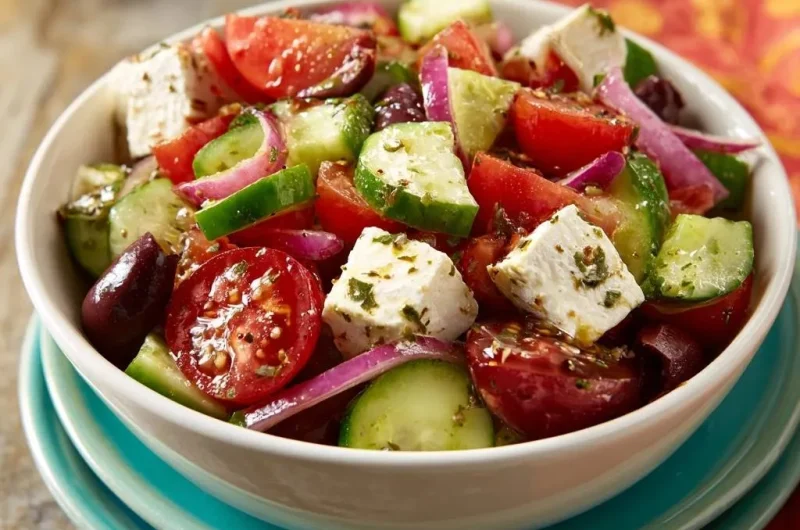
Greek Salad
Course: SaladCuisine: GreekDifficulty: easy4
servings25
minutes420
kcal25
MinutesTired of Greek salads drowning in cucumber and tomato juices? This foolproof method salts and drains the veggies first for crisp, vibrant texture that stays fresh for hours.
Ingredients
4 medium cucumbers, sliced into half-moons
4 ripe tomatoes, cut into wedges
1 large red onion, thinly sliced into rings
8 ounces feta cheese, cubed
1 cup kalamata olives, pitted
1/4 cup extra-virgin olive oil
1 teaspoon dried oregano
1 teaspoon salt (divided)
1/4 teaspoon black pepper
Fresh parsley or oregano leaves for garnish (optional)
Directions
- Solve the sogginess: Place sliced cucumbers in a colander over a bowl. Sprinkle with 1/2 teaspoon salt and toss gently. Let drain for 15 minutes, pressing lightly to release excess water. Pat dry with paper towels. Do the same with tomato wedges and onion slices separately for 5 minutes each using the remaining 1/2 teaspoon salt, then pat dry. This draws out moisture so your salad stays crisp, not watery.
- In a large bowl, combine drained cucumbers, tomatoes, onions, feta cubes, and olives.
- Drizzle with olive oil, sprinkle oregano and pepper. Toss gently to coat without crushing feta.
- Garnish with fresh herbs if desired. Serve immediately or chill up to 2 hours; it holds texture perfectly thanks to the drain trick. Enjoy restaurant-fresh crunch!
Notes
- Salting and draining the vegetables is key to preventing sogginess. Salad holds texture perfectly for up to 2 hours in the fridge.