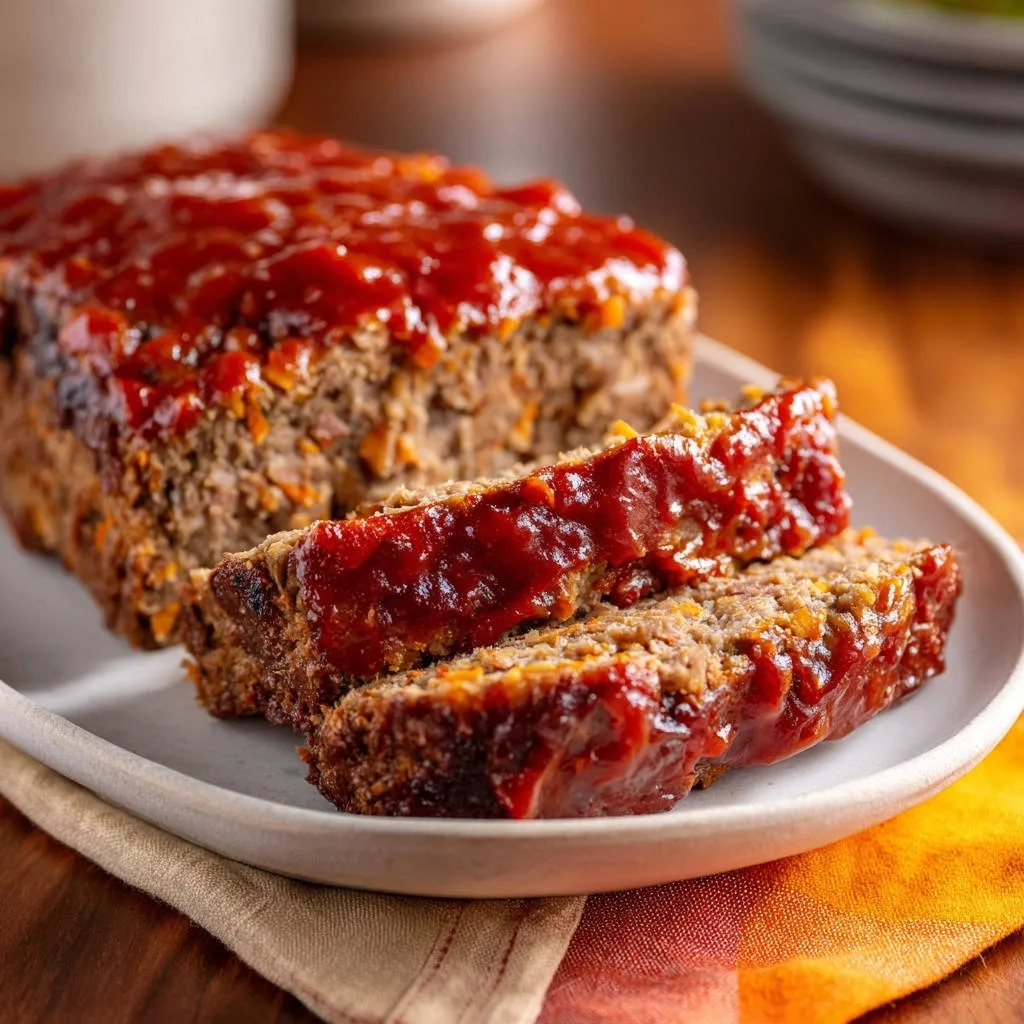
I spent years struggling with tough, dense meatloaf until I discovered the single secret to tenderness-the panade method-which changes everything about the texture. This recipe transforms the traditional method, ensuring your Classic Homestyle Meatloaf is perfectly moist, cohesive, and never dense.
By mastering the gentle touch and utilizing high-impact flavor builders, you guarantee a reliable, deeply savory family favorite every single time.
For a similar approach to achieving tenderness, discover this savory family meatloaf recipe.
Why This Classic Homestyle Meatloaf Belongs in Your Weekly Rotation
The Never-Dense Secret: Mastering the Breadcrumb Panade
A panade is simply a mixture of breadcrumbs or starch and liquid (milk or broth) that is allowed to fully hydrate before mixing with the meat.
The science is simple: the saturated breadcrumbs absorb the liquid, expanding and creating tiny pockets of tenderness within the meat matrix. This prevents the ground meat from compacting and relying solely on its own fat for moisture.
This critical first step ensures an airy, light, and incredibly moist texture that traditional dry breadcrumb mixtures simply cannot achieve.
The Single Most Critical Step: Gentle Mixing Technique
Overmixing is the number one mistake home cooks make, guaranteeing a tough, rubbery loaf.
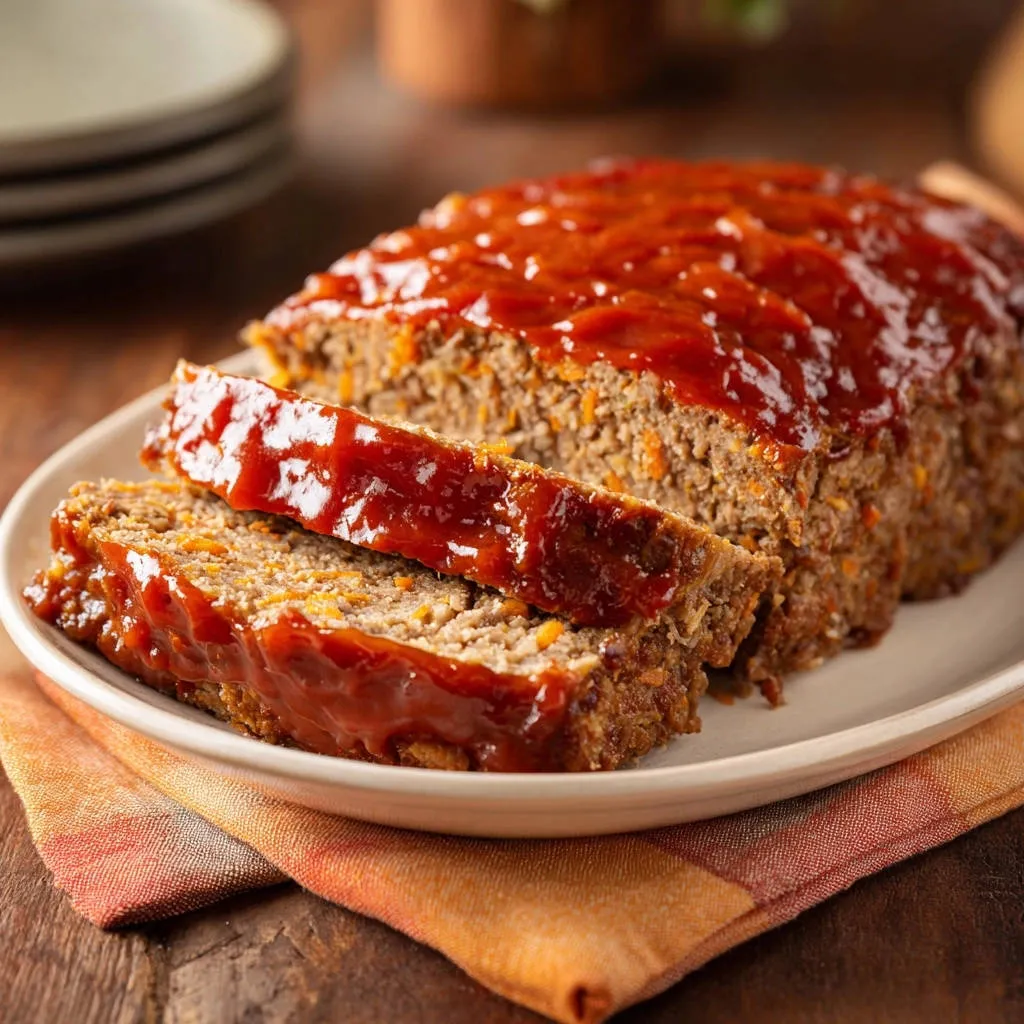
Vigorous mixing or kneading activates the proteins in the ground beef, causing them to link together tightly, which squeezes out moisture and creates density.
We use our hands only to gently fold the ingredients until they are just combined. Stop mixing the very second you no longer see streaks of separate ingredients-your loaf will thank you for the restraint.
The Glaze Advantage: A Flavorful Finish That Seals Moisture
Our signature glaze uses ketchup, brown sugar, and mustard, hitting the perfect balance of sweet, tangy, and savory notes.
Applying the glaze halfway through the baking process is crucial. If applied at the beginning, the high sugar content would burn before the internal temperature is reached.
Applying it at the 40-minute mark allows the loaf to set first, then creates a thick, caramelized crust that not only adds explosive flavor but also helps seal the remaining moisture inside.
The Building Blocks of Flavor: Quality Ingredients Matter
Choosing Your Ground Meat: Fat Content vs. Texture
We specify 1 1/2 pounds of lean ground beef, ideally 85/15 or 90/10 fat content.
Since we rely on the panade for moisture, using leaner meat minimizes the excess grease pool that often forms in the pan, which can otherwise make the bottom of the loaf soggy.
Pre-Cooking Aromatics: Sautéing for Depth (Onion & Carrot)
Sautéing the finely diced onion and carrot (if using) in olive oil until they are soft is essential for this Classic Homestyle Meatloaf.
This step ensures the vegetables fully integrate into the meat without adding an unpleasant raw crunch, and it mellows their flavor for better depth.
Crucially, pre-cooking ensures the vegetables release their moisture and the mixture is cooled before hitting the raw egg, preventing premature cooking.
The Essential Binder: Eggs, Worcestershire, Salt, and Pepper
The large egg serves as the vital structural binder, ensuring the loaf holds its shape and prevents it from crumbling when sliced.
Worcestershire sauce is non-negotiable for true homestyle flavor, delivering a powerful punch of concentrated umami that enhances the savory richness of the ground beef.
Essential Tools for Your Classic Homestyle Meatloaf Adventure
Standard 9×5 Loaf Pan
This standard size is crucial for ensuring the meatloaf bakes at a consistent depth and height, matching the required cooking times.
For the easiest removal, you can line the pan with parchment paper, leaving an overhang on the long sides to use as handles.
Large Mixing Bowl
A bowl that allows you to easily spread the ingredients out and fold them is necessary.
Ample space discourages the natural tendency to compress and squeeze the mixture when combining ingredients.
Instant-Read Thermometer
This is the only way to reliably ensure the loaf reaches the safe internal temperature of 160°F without pushing it toward a dry 170°F or higher.
Insert the thermometer horizontally into the center of the loaf during the final 10 minutes of baking.
Your Path to Perfect Meatloaf: Step-by-Step Baking Guide
-
Prepare the Panade (The Tenderness Base)
In your large mixing bowl, combine the milk or beef broth with the plain bread crumbs.
Allow this mixture to sit undisturbed for a full 5 minutes until the liquid is entirely absorbed, creating the soft, tenderizing panade base.
-
Sauté the Aromatics
Heat the olive oil in a small skillet and sauté the finely diced onion and carrot until soft and translucent, about 5 to 7 minutes.
Transfer the mixture immediately to a separate plate and let it cool slightly; adding hot aromatics directly to the raw meat and egg will partially cook them.
-
The Gentle Combination
Add the cooled aromatics, the lightly beaten egg, Worcestershire sauce, salt, and pepper directly into the breadcrumb panade mixture and stir thoroughly.
Now, add the ground beef. Using only your fingertips or a fork, gently fold the mixture together until the ingredients are just incorporated; mixing stops the moment no dry crumbs remain. Do not compress or knead the meat.
-
Shaping and Panning
Lightly grease your standard 9×5 inch loaf pan.
Gently form the mixture into a loaf shape outside of the pan, maintaining a relaxed structure, and place it into the prepared pan without pressing down.
-
The Initial Bake
Preheat your oven to 350 degrees F.
Bake the meatloaf initially for 40 minutes, allowing the structure to set before the glaze is applied.
-
Prepare and Apply the Signature Glaze
While the loaf bakes, whisk together the 1/2 cup ketchup, 2 tablespoons brown sugar, and 1 teaspoon of prepared mustard until completely smooth.
After the initial 40 minutes, remove the loaf and use a spoon or brush to generously and evenly spread the glaze over the entire surface.
-
Finish Baking and Check Temperature
Return the meatloaf to the oven and continue baking for another 20 to 25 minutes.
For an even sweeter finish, consider a classic glazed meatloaf.
The meatloaf is perfectly cooked when an instant-read thermometer inserted into the center reaches 160 degrees F.
-
Crucial Resting Period
Remove the Classic Homestyle Meatloaf from the oven and let it rest in the pan for 10 full minutes.
This mandatory resting period allows the muscle fibers to relax and reabsorb all the delicious juices, guaranteeing maximum moisture retention and making clean slicing easy.
Meatloaf SOS: Troubleshooting Common Problems and Questions
“My Meatloaf is Dry!” – How to Ensure Juiciness
Dryness is almost always caused by two factors: skipping the panade or overcooking the loaf.
Always verify the panade is fully saturated before adding the meat, and use your instant-read thermometer to ensure the internal temperature never exceeds 165°F.
Preventing Cracking and Collapse During Baking
Cracking occurs when the loaf’s surface dries out and shrinks faster than the interior.
Ensure you are not over-packing the mixture during shaping, and resist the urge to form a loaf that is too tall or narrow.
How to Handle Excess Grease in the Pan
If you notice a large pool of fat accumulating, carefully drain it out halfway through the initial bake before applying the glaze.
Alternatively, you can place a V-rack or small crumpled balls of foil inside the loaf pan before adding the meat, elevating the loaf slightly above the grease.
Can I Use Oatmeal Instead of Breadcrumbs for the Panade?
Yes, rolled oats are an excellent substitution, especially if you need a gluten-free option.
Just like breadcrumbs, you must allow the rolled oats to fully soak in the milk or broth for at least 5 minutes to create the necessary tenderizing agent.
Beyond the Plate: Perfect Pairings and Serving Suggestions
Classic Sides That Complement Classic Homestyle Meatloaf
Fluffy, creamy mashed potatoes are the quintessential pairing, perfect for soaking up the savory pan juices and glaze.
For vegetables, serve simple buttered green beans or roasted root vegetables like carrots and parsnips to complement the dish’s heartiness.
Complementary Dishes
Round out your meal with these dishes that pair well with hearty meatloaf.
- For a smooth start to your meal, try this creamy roasted butternut squash soup, offering a sweet and earthy contrast.
- Add a crisp element to your plate with crispy fried onion strings, providing a satisfying crunch alongside your tender meatloaf.
Creative Uses for Meatloaf Leftovers
Cold meatloaf makes a fantastic sandwich filler, especially when sliced thick and layered with mustard on toasted bread.
Crumble leftover meatloaf and integrate it into a quick chili, use it as a filling for stuffed bell peppers, or turn it into savory meatloaf sliders for lunch.
Storage, Freezing, and Make-Ahead FAQ
Can I Assemble the Meatloaf Ahead of Time?
Yes, you can assemble the mixture, shape the loaf, and place it in the pan up to 24 hours in advance.
Cover the pan tightly with plastic wrap and refrigerate. If baking straight from the fridge, allow an extra 5 to 10 minutes on the initial bake time.
What is the Best Way to Store and Reheat Leftovers?
Store leftover meatloaf slices in an airtight container in the refrigerator for 3 to 4 days.
To reheat slices while maintaining moisture, wrap them loosely in foil and reheat in a 300°F oven until warmed through, or microwave gently in short bursts.
Freezing Raw vs. Cooked Meatloaf
Both raw and cooked loaves freeze well.
To freeze raw: shape the loaf, wrap it extremely tightly in plastic wrap followed by foil, and freeze for up to 3 months (thaw overnight before baking).
To freeze cooked: slice the cooled loaf, wrap individual slices tightly, and freeze for quick meals.
Ready to Impress? Share Your Classic Homestyle Meatloaf Masterpiece!
Say goodbye to dry, dense meatloaf forever. By respecting the simple panade method and practicing gentle mixing, you now hold the keys to the perfectly moist and tender Classic Homestyle Meatloaf.
Whip up this foolproof family dinner tonight, pair it with your favorite comfort sides, and let us know what you thought of the texture in the comments!
Meatloaf
Course: Main CourseCuisine: AmericanDifficulty: medium6
servings20
minutes1
hour5
minutes350
kcal85
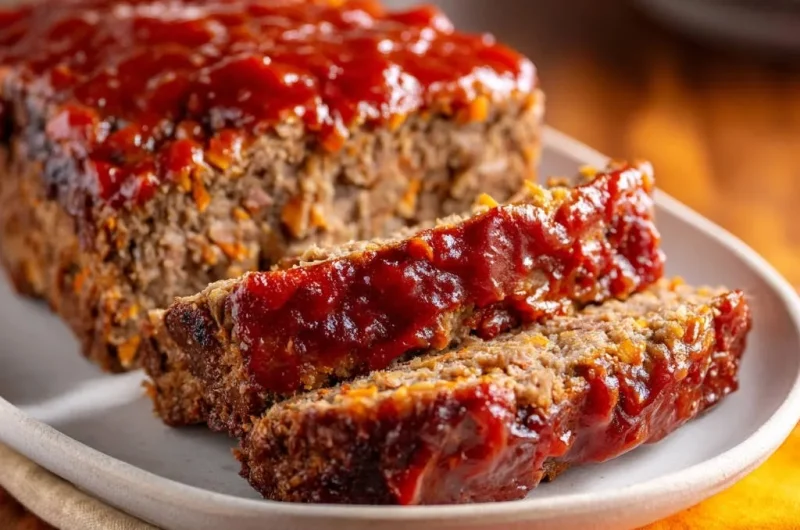
minutesThis recipe guarantees a tender and moist meatloaf every time, avoiding the common pitfalls of density and dryness. The key is incorporating a special bread crumb binder (panade) and using a gentle folding technique when mixing the ground beef. Finished with a classic tangy ketchup glaze, this is the ultimate comfort food main dish.
Ingredients
1 tablespoon olive oil
1/2 cup finely diced onion
1/4 cup finely diced carrot (optional, based on visible flecks)
2 tablespoons milk or beef broth
1/2 cup plain bread crumbs (or rolled oats)
1 1/2 pounds lean ground beef
1 large egg, lightly beaten
1 tablespoon Worcestershire sauce
1 teaspoon salt
1/2 teaspoon black pepper
For the Glaze:
1/2 cup ketchup
2 tablespoons brown sugar
1 teaspoon prepared mustard
Directions
- Prepare the Binder (The Non-Dense Secret Prep): Heat the olive oil in a small skillet over medium heat. Add the diced onion and carrot (if using) and cook until soft and translucent, about 5 to 7 minutes. Remove from heat and set aside to cool slightly. In a large mixing bowl, combine the milk or broth and the bread crumbs. Let this mixture sit for 5 minutes until the liquid is fully absorbed; this creates a tenderizing paste called a panade.
- Combine Ingredients Gently: Add the cooled onion/carrot mixture, the lightly beaten egg, Worcestershire sauce, salt, and pepper to the panade mixture. Mix these thoroughly. Now, add the ground beef. This is the most critical step for tenderness: use your hands to gently fold and combine the ingredients. DO NOT knead or compress the mixture. Stop mixing the very moment all the ingredients are just combined. Overmixing compresses the proteins and guarantees a dense, tough loaf.
- Form and Bake: Lightly grease a standard 9×5 inch loaf pan. Gently form the meat mixture into a loaf shape and place it in the prepared pan. Do not press it down into the pan. This relaxed shaping also helps prevent density.
- Prepare the Glaze: In a small bowl, whisk together the ketchup, brown sugar, and mustard until smooth.
- Bake: Preheat your oven to 350 degrees F. Bake the meatloaf for 40 minutes.
- Glaze and Finish: After 40 minutes, remove the loaf from the oven. Spread the entire surface generously with the prepared glaze. Return the meatloaf to the oven and continue baking for another 20 to 25 minutes, or until the internal temperature reaches 160 degrees F.
- Rest: Remove the meatloaf from the oven. Let it rest in the pan for 10 minutes before slicing and serving. This resting period allows the juices to redistribute, ensuring maximum moisture retention.
Notes
- The most critical step is the gentle mixing process. Do not overmix or compress the meat to ensure tenderness.