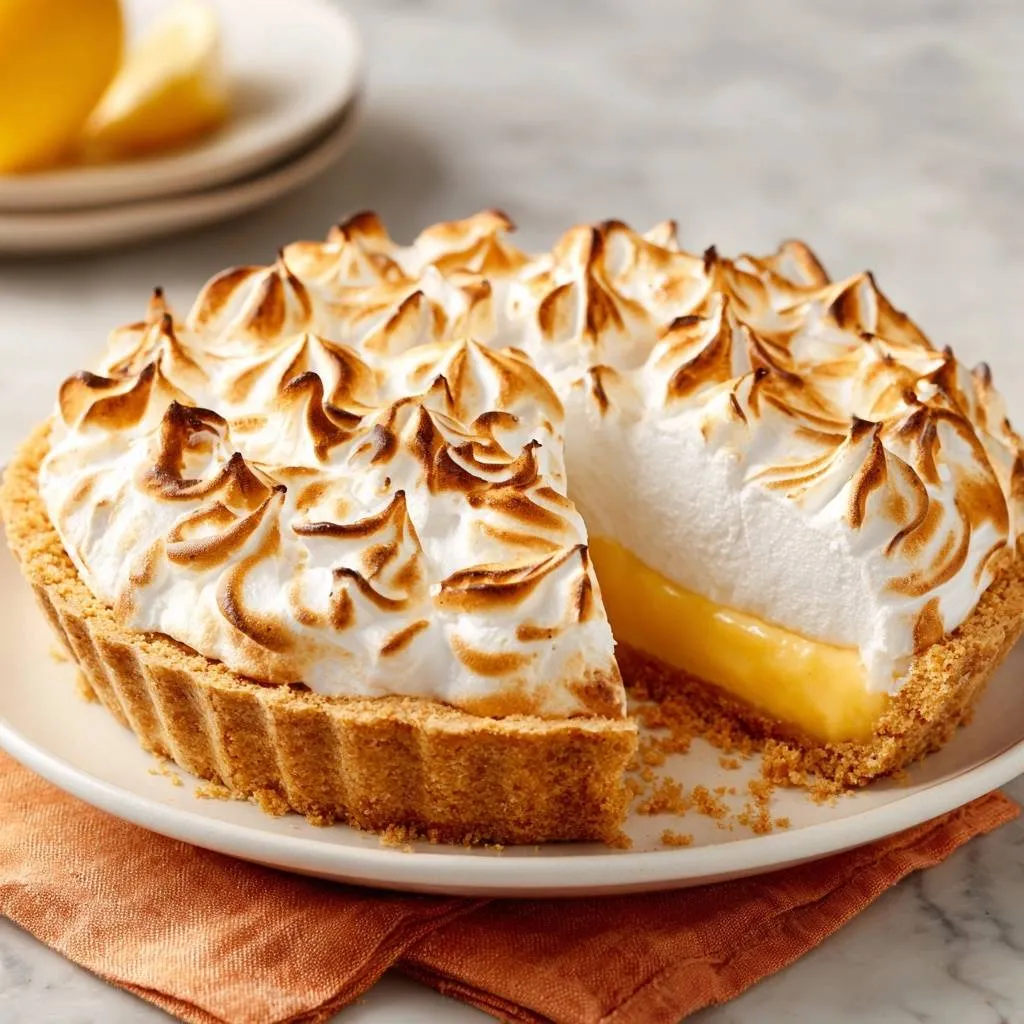
Nothing ruins a lemon meringue pie faster than weepy meringue that pools liquid right after slicing. You’ve dolloped those fluffy clouds on top, only to watch them sweat an hour later. This recipe fixes that forever with a hot filling technique and edge-to-edge spreading that cooks the meringue base instantly.
Therefore, you get perfect, lasting fluff without a single drop. Imagine the tart lemon burst cutting through sweet, golden meringue that holds its shape for days. Oh man, that first creamy bite with its zingy brightness always makes my taste buds dance.
Here’s the expertise kicker: pour the piping hot filling into the crust right away. In addition, spread the meringue while it’s steaming. That instant heat seals everything, trapping moisture so your pie stays pristine.
Assembling the Graham Cracker Crust Base
Graham cracker crumbs, melted unsalted butter, and granulated sugar form the ideal base for classic lemon meringue pie. Fresh crumbs give superior crunch that holds up under the moist filling. Therefore, they beat pastry crusts for stability and ease.
For a different take on a crisp foundation, consider this chocolate peanut butter pie.
You’ll need 1 1/2 cups crumbs, 1/3 cup butter, and 2 tablespoons sugar. Press firmly into a 9-inch pie plate for even density. Bake at 350°F to set it perfectly.
Choosing and Preparing Graham Cracker Crumbs
Grind whole graham crackers for the best texture; store-bought works too but pulse them briefly. Aim for fine, sandy crumbs that bind well without turning pasty. The sugar helps caramelize during baking, adding a subtle toasty sweetness.
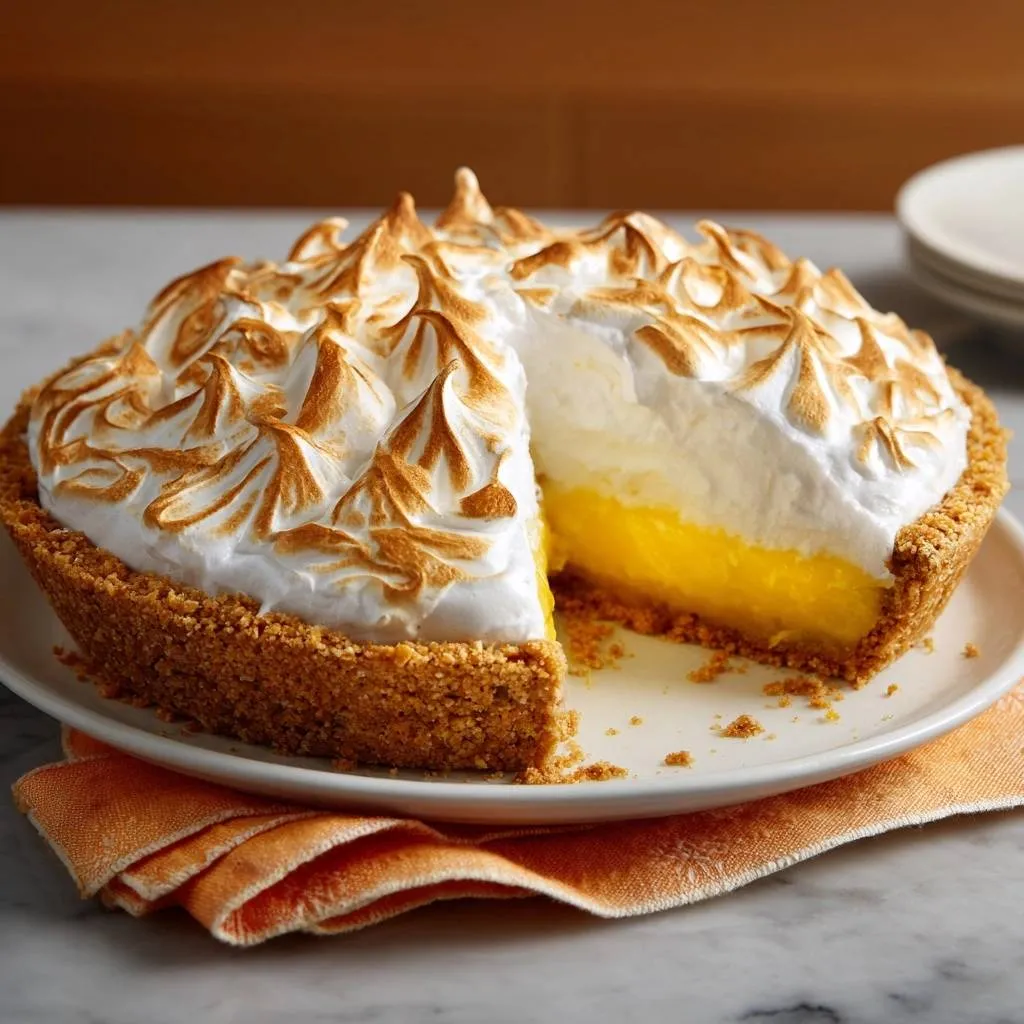
However, don’t over-process, or the crust gets dense and tough. Fresh crumbs absorb butter evenly, ensuring no soggy spots under the lemon layer.
Perfectly Melting and Mixing Butter
Unsalted butter lets you control the flavor precisely. Melt it gently on the stovetop or in short microwave bursts to avoid separation. Mix with crumbs and sugar until it resembles wet sand for perfect cohesion.
This ratio prevents sogginess from the juicy filling. Stir thoroughly so every crumb coats evenly.
Baking and Cooling the Crust
Preheat to 350°F exactly, then bake 10 minutes until edges turn golden. It sets without burning. Cool slightly, and poke holes with a fork for a flat base that won’t bubble up.
Science of Silky Lemon Filling Thickening
Cornstarch creates that glossy thickness, while egg yolks add custard-like stability. Temper them carefully to avoid curdling. The hot pour is key; it jump-starts the meringue seal.
Ingredients include 1 1/4 cups sugar, 1/3 cup cornstarch, 1/4 teaspoon salt, 1 1/2 cups water, 4 egg yolks, 1/2 cup fresh lemon juice, 2 tablespoons zest, and 2 tablespoons butter. Watch the mix bubble and thicken like magic.
Whisking Dry Ingredients for Smooth Base
Whisk sugar, cornstarch, and salt first to prevent lumps. Gradually add water while stirring. Cook over medium heat, stirring constantly, until it boils after about 8 minutes, then boil 1 minute more.
This activates the starch without scorching. The mixture turns from cloudy to clear and thick.
Tempering Egg Yolks Safely
Whisk egg yolks, then slowly add 1/3 cup of the hot mixture to temper. Pour back into the pan and cook 2 minutes. Proteins denature evenly, creating silkiness without scrambling.
Stir vigorously here. It thickens further into a lush curd.
For a similar creamy texture, explore chocolate toffee cream pie engineering.
Infusing Fresh Lemon Zest and Juice
Zest 4 lemons finely to release essential oils for bright flavor. Squeeze fresh juice; it’s more acidic than bottled. Stir in with butter off heat for a glossy emulsion.
Pour this steaming hot into the crust immediately. That heat is your no-weep insurance.
No-Weep Meringue: Egg White Physics Explained
Room-temperature egg whites whip higher, and cream of tartar stabilizes pH for volume. Add sugar gradually to build stiff, glossy peaks. The real science: hot filling cooks the meringue underside instantly, denaturing proteins to lock in moisture.
Spread edge-to-edge to seal out vapor. That’s why this classic lemon meringue pie stays fluffy for days, no sweating.
Beating to Soft Peaks First
Start with 4 egg whites and 1/4 teaspoon cream of tartar. Beat at medium speed in a clean bowl until soft peaks form; tips curl over. Clean bowls ensure maximum volume.
Adding Sugar for Stiff Glossy Peaks
Add 1/2 cup sugar 1 tablespoon at a time while beating to stiff, shiny peaks. It holds shape when you lift the beaters. This gradual method prevents deflation.
Sealing Hot Filling with Meringue
Dollop meringue on piping hot filling right away. Spread to crust edges all around with the spoon back, creating peaks. The heat cooks the bottom layer fast, trapping steam.
Equipment Essentials for Lemon Meringue Success
A heavy saucepan distributes heat evenly for filling. Use a glass 9-inch pie plate to see browning progress. A stand mixer whips meringue to superior volume.
Metal bowls chill whites if needed. These tools ensure your classic lemon meringue pie turns out pro-level every time. Handheld mixers work fine too.
Saucepans and Pie Plates Compared
Stainless steel saucepans prevent scorching better than nonstick. Deep glass pie plates brown meringue evenly and let you monitor doneness.
Mixers and Whisks for Peak Perfection
Stand mixers handle meringue effortlessly; handheld needs patience. Copper bowls stabilize whites best, but glass or metal suffices.
Layering and Final Baking Technique
Apply meringue immediately after hot filling. Bake at 350°F for 12-15 minutes until golden. Cool 1 hour at room temp, then chill 3 hours to set.
Pro tip: warm your knife in hot water for clean slices that preserve fluff.
Creating Meringue Peaks and Seals
Swirl the spoon for dramatic peaks while sealing fully to edges. Full contact prevents shrinkage or leaks.
Baking Until Golden and Cooling Protocol
Watch for even golden tips; rotate if needed. Cool slowly at room temp first to avoid cracks, then refrigerate.
Chilling and Serving Fresh Slices
Chill at least 3 hours for perfect slices. Dip knife in hot water, wipe dry between cuts.
Classic Lemon Meringue Pie History and Origins
This pie traces to 19th-century America, with Swiss immigrants popularizing meringue techniques. It evolved from lemon chess pies in the South, where tart fillings met fluffy tops.
Graham cracker crust modernized it in the 20th century for ease. Fun fact: the no-weep method builds on those early innovations, keeping it a timeless crowd favorite.
Troubleshooting Lemon Meringue Pie Pitfalls
Common issues hit every baker sometimes. Weepy meringue comes from cold filling; runny filling from undercooking cornstarch. Cracked tops mean overbeating, soggy crust from wet hands.
Fixes keep it simple. Boost cornstarch if needed, and always reheat tips work wonders.
Fixing Runny or Grainy Filling
Undercook and it runs; over-stir clumps cornstarch. Boil fully 1 minute after thickening, whisk smooth off heat.
Preventing Meringue Weeping Forever
Cold filling is the culprit; it shocks proteins. Hot seal and low humidity storage fix it permanently.
Crust and Browning Issues
Overbake crust darkens it; underbake leaves it soft. Even oven heat and foil edges prevent uneven browning.
Flavor Twists on Classic Lemon Meringue Pie
Swap lemon for lime or key limes for tropical zing. Brown sugar in the crust adds warmth. Mix coconut into meringue for chew.
Vegan? Aquafaba whips like whites. Stevia cuts sugar while keeping tart-sweet balance.
Perfect Pairings for Lemon Meringue Pie
Fresh berries cut the richness perfectly. Shortbread cookies echo the crust. Iced tea refreshes the palate.
Vanilla ice cream dollops add creaminess. Seasonal fruit salad or nut brittles contrast the tartness beautifully.
Classic Lemon Meringue Pie FAQ
Can You Freeze Lemon Meringue Pie?
Freeze the baked pie without meringue; it holds up best. Wrap tightly and freeze up to 2 months. Thaw overnight in fridge, then add fresh meringue. Whole pie with meringue doesn’t freeze well; it weeps upon thawing.
Why Does Meringue Weep on Pies?
Weeping happens when cold filling shocks the meringue, causing proteins to squeeze out moisture. Prevent it by pouring piping hot filling and spreading meringue immediately to seal edges. Low humidity storage helps too.
Best Substitutes for Fresh Lemons?
Bottled juice works in a pinch but lacks zest oils, so flavor dulls. Use 1/2 cup bottled plus extra zest from any citrus. Fresh is best for that bright pop; 4 lemons yield perfect acidity and aroma.
How Long Does It Stay Fluffy?
Properly made, it stays fluffy 3-4 days in the fridge, covered loosely. Avoid airtight containers that trap moisture. Room temp shortens it to hours; chill right after cooling for longest life.
Graham Cracker Crust Alternatives?
Crush digestive biscuits or vanilla wafers for similar crunch. Nuts like pecans add richness; pulse with butter. Gluten-free? Use GF graham crumbs or almond flour mix. Press firmly for stability.
More Sweet Ideas
After enjoying your lemon meringue pie, consider these other delightful baked treats.
- For a different breakfast or brunch option, try these fluffy diner-style pancakes, known for their pillowy texture.
- If you’re after more pancake perfection, explore the fluffy golden pancakes for another wonderfully light choice.
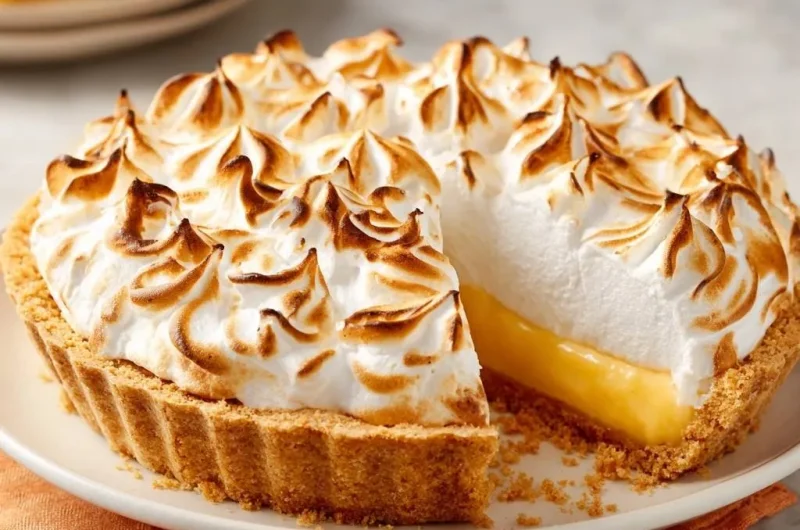
Lemon Meringue Pie
Course: DessertCuisine: AmericanDifficulty: medium8
servings30
minutes25
minutes450
kcal240
MinutesTired of meringue sweating and pooling liquid? This recipe uses a hot filling technique and edge-to-edge spreading to cook the meringue base instantly, ensuring perfect fluff without weep.
Ingredients
Crust:
1 1/2 cups graham cracker crumbs
1/3 cup unsalted butter, melted
2 tablespoons granulated sugar
Lemon Filling:
1 1/4 cups granulated sugar
1/3 cup cornstarch
1/4 teaspoon salt
1 1/2 cups water
4 large egg yolks
1/2 cup fresh lemon juice (about 4 lemons)
2 tablespoons lemon zest
2 tablespoons unsalted butter
Meringue:
4 large egg whites, room temperature
1/4 teaspoon cream of tartar
1/2 cup granulated sugar
Directions
- Preheat oven to 350 degrees F. Mix graham cracker crumbs, melted butter, and 2 tablespoons sugar. Press firmly into a 9-inch pie plate. Bake 10 minutes until set. Cool slightly.
- For filling, whisk sugar, cornstarch, and salt in saucepan. Gradually stir in water. Cook over medium heat, stirring constantly, until thickened and boiling (about 8 minutes). Boil 1 minute. Temper egg yolks with 1/3 cup hot mixture, then return to pan. Cook 2 minutes. Remove from heat. Stir in lemon juice, zest, and butter until smooth. Pour hot filling into crust immediately.
- For meringue (the no-weep secret): Beat egg whites and cream of tartar to soft peaks. Gradually add 1/2 cup sugar, beating to stiff, glossy peaks. While filling is still piping hot, dollop meringue over it. Spread to seal completely to crust edges all around, creating peaks with spoon. This hot-fill contact cooks the meringue bottom layer fast, preventing weep.
- Bake 12-15 minutes until meringue is golden. Cool 1 hour at room temp, then chill 3 hours. Slice and serve. Keeps fluffy for days.
Notes
- Key to no-weep meringue: Spread meringue while filling is piping hot and seal completely to crust edges. Cool 1 hour at room temp, then chill 3 hours. Keeps fluffy for days.