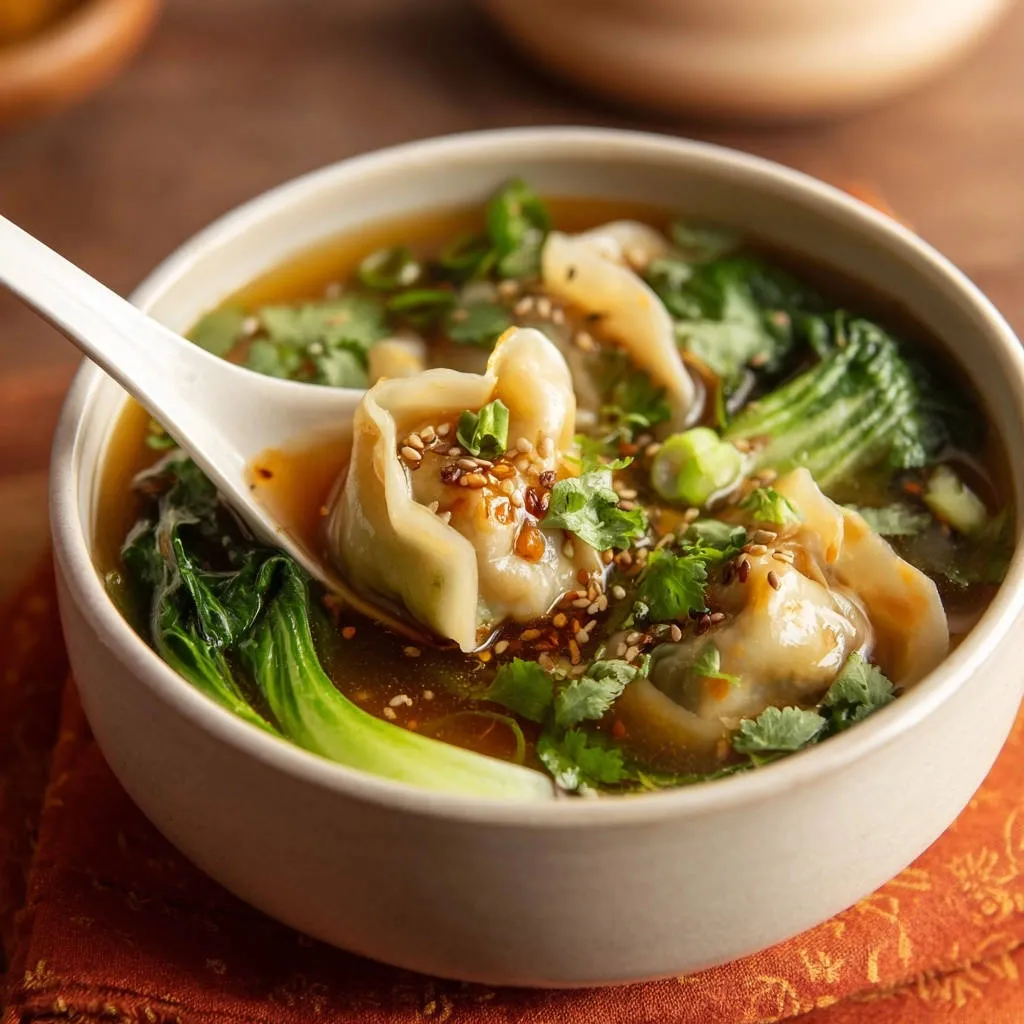
For years, I struggled with homemade wonton soup, often ending up with a sad, soggy mess where delicate wrappers should have been. It felt like a culinary mystery, but through countless bowls, I finally cracked the code to achieving perfectly tender and intact wontons every single time.
This Classic Wonton Soup recipe isn’t just easy; it’s a triumph of flavor and texture, delivering an authentic takeout-quality experience right in your kitchen, making those soggy wrapper woes a thing of the past.
Classic Wonton Soup: Why This Recipe Shines (No More Soggy Wontons!)
The Secret to Perfectly Tender Wrappers
The hallmark of a truly great wonton soup lies in the wontons themselves – plump, flavorful, and enveloped in a silky, resilient wrapper. Our method prioritizes a gentle simmer, a subtle but critical distinction that prevents the wrappers from becoming waterlogged or disintegrating.
This careful temperature control ensures the wontons cook through evenly while maintaining their delicate structure, resulting in that delightful chew you crave.
Effortless Takeout Quality, Right at Home
You might think achieving restaurant-level taste requires complex techniques and exotic ingredients. However, this Classic Wonton Soup proves that simple, fresh components and precise cooking can yield an incredibly satisfying, professional-tasting dish.
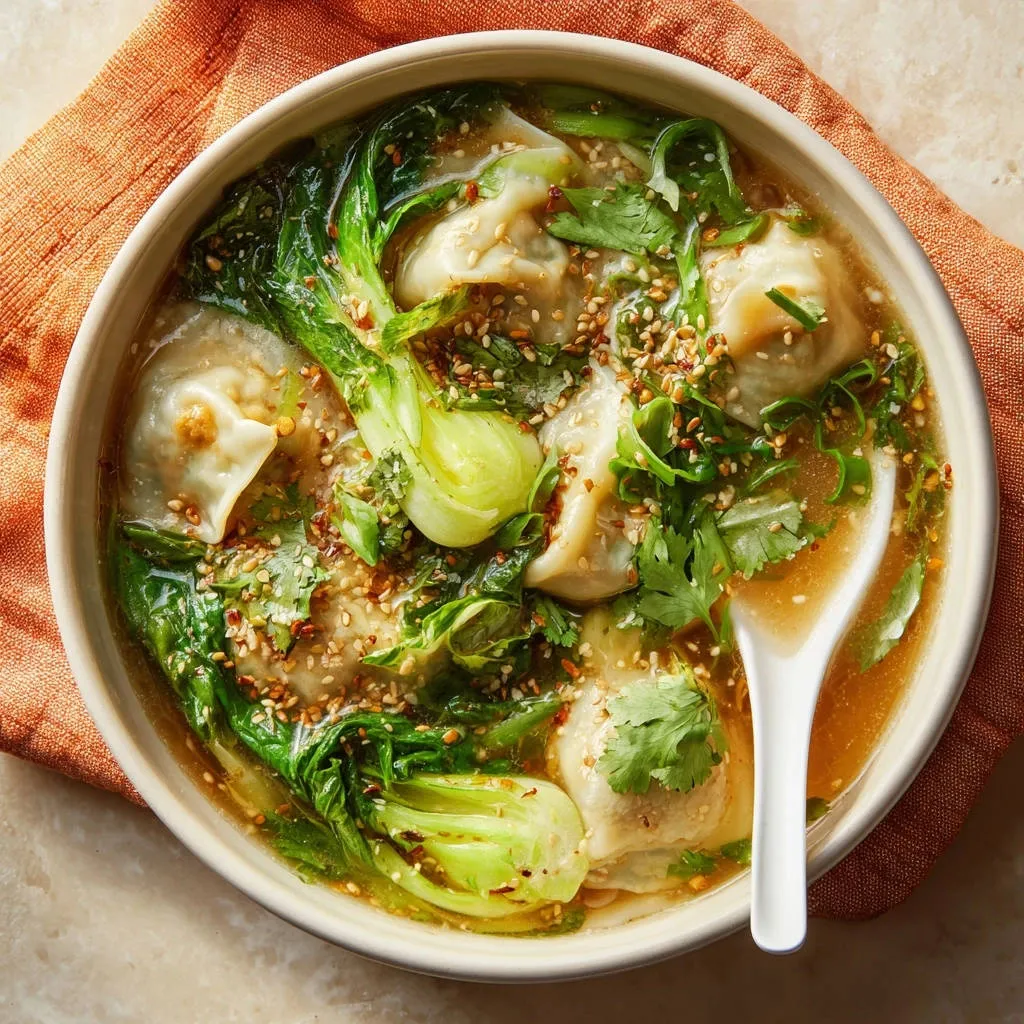
The combination of an aromatic broth base with fresh greens and savory wontons creates a harmonious balance that rivals your favorite takeout spot, without the fuss.
For a similar hearty broth experience, explore creamy spicy seafood soup.
A Comforting Bowl, Ready in Minutes
Life is busy, but that doesn’t mean sacrificing comfort and quality. This recipe is specifically designed for efficiency, transforming basic ingredients into a soulful meal in a surprisingly short amount of time.
It’s the ideal solution for a cozy weeknight dinner or when you need a quick, warming pick-me-up that genuinely nourishes both body and soul.
The Heart of the Bowl: Essential Ingredients for Your Wonton Soup
For a Rich & Aromatic Broth Base
Low-Sodium Chicken or Vegetable Broth: This forms the backbone of your soup. Opt for low-sodium to control the overall saltiness and allow other flavors to shine.
Soy Sauce: A foundational element for umami depth and savory notes, balancing the broth beautifully.
Sesame Oil: Just a touch adds an unmistakable nutty, aromatic complexity, essential for authentic Asian flavors.
Fresh Ginger (thinly sliced) & Garlic (smashed): These aromatics are optional but highly recommended. They infuse the broth with a fresh, pungent warmth that elevates the entire dish.
Selecting Your Wontons & Fresh Greens
Frozen Chicken or Shrimp Wontons: The convenience of quality frozen wontons makes this recipe quick. Check the package for clear instructions and a good filling-to-wrapper ratio.
Baby Bok Choy: This leafy green adds a lovely tender-crisp texture and a touch of freshness. Look for firm, vibrant green leaves and crisp white stems.
The Finishing Touches: Garnishes That Pop
Green Onions: Sliced thinly, they provide a mild oniony bite and a beautiful splash of color. They are indispensable for freshness.
Fresh Cilantro: Chopped cilantro offers a bright, herbaceous counterpoint that enhances the savory broth. If you’re not a fan, you can omit it.
Toasted Sesame Seeds: These add a subtle crunch and another layer of nutty aroma, contributing to both taste and presentation.
Chili Oil (optional): For those who appreciate a kick, a drizzle of chili oil brings a fantastic warmth and spice, completing the takeout experience.
Recommended Kitchen Tools for Seamless Preparation
Pots and Utensils
A large pot or Dutch oven is essential for simmering the broth and cooking the wontons without overcrowding. Choose one with a heavy bottom for even heat distribution.
A sturdy ladle will be your best friend for serving, allowing you to scoop up wontons, bok choy, and broth efficiently.
Measuring & Prep Essentials
Accurate measuring spoons and cups ensure the perfect balance of flavors in your broth. A reliable cutting board and a sharp knife are key for preparing your aromatics and garnishes safely and precisely.
Crafting Your Classic Wonton Soup: A Simple Step-by-Step Guide
- Step 1: Build Your Flavorful Broth Base
In a large pot or Dutch oven, combine the chicken or vegetable broth, soy sauce, sesame oil, ginger slices, and smashed garlic cloves (if using).
Bring the mixture to a gentle simmer over medium heat and let it meld for 5-7 minutes. This foundational step is crucial for a deeply aromatic soup, allowing the flavors to marry beautifully.
- Step 2: Prepare and Add the Bok Choy
While the broth gently simmers, prepare your baby bok choy by trimming the ends and separating the leaves.
Add the bok choy to the broth and cook for 2-3 minutes, or until it reaches a tender-crisp, bright green stage. Avoid overcooking to maintain its vibrant color and texture.
At this point, you can carefully remove the ginger and garlic pieces from the broth if a smoother texture is preferred, or leave them for continued infusion.
- Step 3: The Wonton Perfection Method (Key Step!)
This is the pivotal step for achieving perfectly tender wontons! Carefully add the frozen wontons to the gently simmering broth, ensuring there’s enough space for them to cook without sticking.
It’s crucial that the broth maintains a gentle simmer and does not reach a rolling boil, as vigorous boiling can cause the delicate wrappers to break or become mushy.
Cook the wontons for 3-5 minutes, or according to package instructions for soup, until they are floating and thoroughly cooked through. Avoid overcooking to preserve their delicate, silky texture.
- Step 4: Ladle and Prepare for Garnish
Once the wontons are cooked, remove the pot from the heat immediately to prevent further cooking and maintain optimal texture.
Carefully ladle the hot soup, including the wontons and bok choy, into individual serving bowls, ensuring an even distribution of ingredients.
- Step 5: Garnish Generously and Serve Immediately
Garnish each bowl generously with freshly sliced green onions, chopped cilantro, and a sprinkle of toasted sesame seeds for added texture and aroma.
If you enjoy a touch of heat, drizzle with chili oil. Serve your Classic Wonton Soup immediately to savor the wontons at their absolute best texture and the broth at its peak warmth.
Chef’s Notes: Tips to Master Your Wonton Soup
Broth Wisdom for Maximum Flavor
Using a quality low-sodium broth is a great start, but you can enhance its depth further. Simmering the broth with aromatics like ginger and garlic for a bit longer than suggested can extract even more robust flavors.
For an extra layer of umami, consider adding a dried shiitake mushroom during the broth simmering stage, removing it before adding wontons.
Achieving Flawless Wonton Texture
The key to perfect wontons truly is the gentle simmer. A rolling boil can agitate the wrappers, causing them to tear. Also, avoid overcrowding the pot; cook wontons in batches if necessary to ensure even cooking.
Always err on the side of slightly undercooking rather than overcooking, as they will continue to cook a tiny bit in the hot broth after being removed from the heat.
Customizing Your Bowl to Perfection
Feel free to make this Classic Wonton Soup your own! Add thin slices of poached chicken, shrimp, or tofu for extra protein.
Other vegetables like sliced mushrooms, napa cabbage, or even a handful of spinach can be added with the bok choy for varied texture and nutrition.
The Importance of Immediate Serving
Wontons, especially their delicate wrappers, are best enjoyed immediately after cooking. The longer they sit in the hot broth, the more likely they are to absorb liquid and lose their ideal texture.
Serving promptly ensures every bite is a delightful combination of tender wrapper, savory filling, and aromatic broth.
Troubleshooting Common Wonton Soup Hiccups
Why Are My Wontons Breaking Apart?
This usually happens due to a broth that’s boiling too vigorously, which tears the delicate wrappers. Always maintain a gentle simmer.
Overcrowding the pot can also cause wontons to stick together and tear when separated. Cook them in smaller batches if your pot isn’t large enough.
My Broth Tastes Bland – What Went Wrong?
A bland broth often means it needs more time to develop. Let the aromatics (ginger, garlic) simmer longer.
You can always adjust seasonings at the end: add a splash more soy sauce for saltiness and umami, or a tiny dash of sesame oil for more aroma. A pinch of white pepper can also brighten flavors.
Overcooked Bok Choy: A Simple Fix
Rubbery or soggy bok choy typically results from cooking it for too long. Ensure you add it to the broth only for the last 2-3 minutes of simmering.
For maximum crispness, some chefs prefer to blanch the bok choy separately in boiling water for just a minute, then add it directly to the serving bowls before ladling in the hot soup.
Beyond the Bowl: Make-Ahead, Storage, and Serving Ideas
Prepping Ahead for Quick Dinners
To streamline dinner, prepare your broth base in advance. Simmer it with aromatics, then strain out the ginger and garlic, and store the cooled broth in the refrigerator for up to 3-4 days.
Chop your green onions and cilantro ahead of time and store them in airtight containers. This pre-prep ensures your Classic Wonton Soup comes together even faster when hunger strikes.
Storing Leftovers Safely
If you have leftover soup, it’s best to store the broth separately from any cooked wontons if possible. Wontons left in the broth will continue to absorb liquid and become mushy.
Store cooled broth and wontons in separate airtight containers in the refrigerator for up to 2-3 days. This preserves the texture of the wontons more effectively.
Reheating Without Sacrificing Quality
To reheat, gently warm the broth on the stovetop. If you stored wontons separately, add them to the simmering broth for just 1-2 minutes to warm through, or until they float again.
Avoid boiling the reheated soup vigorously, as this can degrade both broth flavor and wonton texture. Add fresh garnishes right before serving for the best experience.
Creative Ways to Serve Your Soup
While a standalone bowl of Classic Wonton Soup is delightful, it also pairs beautifully with other Asian-inspired dishes. Serve it alongside steamed dumplings, spring rolls, or a light cucumber salad.
More Noodle Bowls to Try
If you enjoyed the savory broth and noodles in your wonton soup, explore these other satisfying noodle dishes.
- For a hearty noodle experience, consider making Saucy Beef Ramen with Tender Slices, offering a different take on rich broth and satisfying noodles.
- If you like bold flavors, the Restaurant-Quality Spicy Beef Noodle Soup provides a flavorful and tender option that complements the comfort of soup.
You can also turn it into a more substantial meal by adding cooked noodles (like ramen or egg noodles) to the bowl before serving, transforming it into a complete wonton noodle soup.
Classic Wonton Soup FAQs: Quick Answers to Your Questions
What are the best wontons for this soup?
For convenience, high-quality frozen chicken or shrimp wontons are ideal. Look for brands with natural ingredients and a good meat-to-wrapper ratio.
Many Asian grocery stores offer excellent frozen options with flavorful fillings and thin, delicate wrappers that hold up well in soup.
Can I substitute the bok choy?
Absolutely! If bok choy isn’t available, or if you prefer something different, spinach, napa cabbage, or even thinly sliced Swiss chard make excellent substitutes.
Adjust cooking times slightly; spinach will wilt almost instantly, while napa cabbage might need a minute or two longer than bok choy.
Is it possible to make this recipe vegan?
Yes, easily! Simply use a high-quality vegetable broth instead of chicken broth. For the wontons, look for frozen vegan wontons, often filled with vegetables and tofu.
Ensure your soy sauce is vegan (most are, but check labels). The rest of the ingredients are already plant-based.
How can I make the broth richer?
To deepen the broth’s umami, consider adding a tablespoon of mushroom broth powder or a few rehydrated dried shiitake mushrooms (strained out before serving). A tiny splash of rice wine vinegar can also add a subtle brightness.
For a more complex savory profile, a dash of fish sauce (if not vegan) can provide incredible depth.
Ready to Savor? Your Classic Wonton Soup Adventure Awaits!
You now possess the secrets to a truly exceptional Classic Wonton Soup-a dish that’s both comforting and elegant, and surprisingly simple to master. Say goodbye to soggy wrappers and hello to perfectly tender, flavorful wontons every time.
If you enjoy the deep, satisfying broth achieved here, you’ll also appreciate the clever broth hack in savory chicken pozole.
Don’t wait! Gather your ingredients and create this warming, takeout-quality experience in your own kitchen tonight. We’d love to hear about your soup-making journey, so feel free to share your success or leave a comment with your favorite variations!
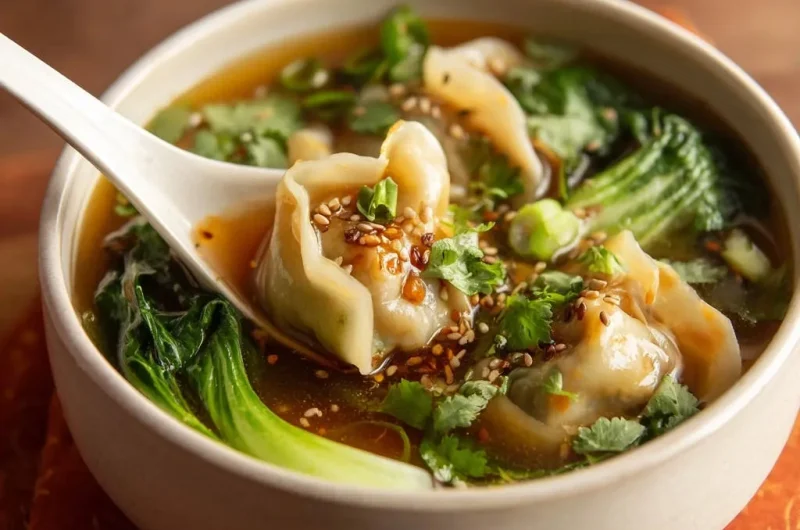
Wonton Soup
Course: Soups-StewsCuisine: ChineseDifficulty: easy4
servings15
minutes20
minutes240
kcal35
minutesEnjoy a comforting bowl of takeout-quality wonton soup at home. This recipe guides you to perfectly tender wontons in a savory broth, avoiding the common soggy mess. It’s incredibly easy to make and packed with flavor.
Ingredients
6 cups low-sodium chicken or vegetable broth
2 tablespoons soy sauce
1 teaspoon sesame oil
1 inch fresh ginger, thinly sliced (optional, but recommended for flavor)
2 cloves garlic, smashed (optional, but recommended for flavor)
8 ounces baby bok choy, ends trimmed and leaves separated
12-16 frozen chicken or shrimp wontons (check package for filling)
2 green onions, thinly sliced
1/4 cup fresh cilantro, chopped
1 tablespoon toasted sesame seeds (white and/or black)
Chili oil, for serving (optional)
Directions
- In a large pot or Dutch oven, combine the chicken or vegetable broth, soy sauce, sesame oil, ginger slices, and smashed garlic cloves (if using). Bring the mixture to a gentle simmer over medium heat. Let it simmer for 5-7 minutes to allow the flavors to meld.
- Remove the ginger and garlic pieces from the broth if you prefer.
- Carefully add the frozen wontons to the simmering broth. Keep it at a gentle simmer, not a rolling boil, which can break or soften the wrappers. Cook for 5-7 minutes, or as the package directs for soup, until the wontons float and the filling is cooked through (165°F (74°C) for chicken; opaque for shrimp). Add the bok choy for the last 2-3 minutes of the wontons’ cooking time, until the leaves are tender-crisp and bright green.
- Remove the pot from the heat immediately. Ladle the hot soup with wontons and bok choy into individual bowls.
- Garnish each bowl generously with fresh green onions, chopped cilantro, and toasted sesame seeds. Drizzle with chili oil if desired for a touch of heat. Serve immediately to enjoy the wontons at their best texture.
Notes
- The key to perfect wontons is cooking them at a gentle simmer, not a rolling boil, to keep wrappers tender and intact.