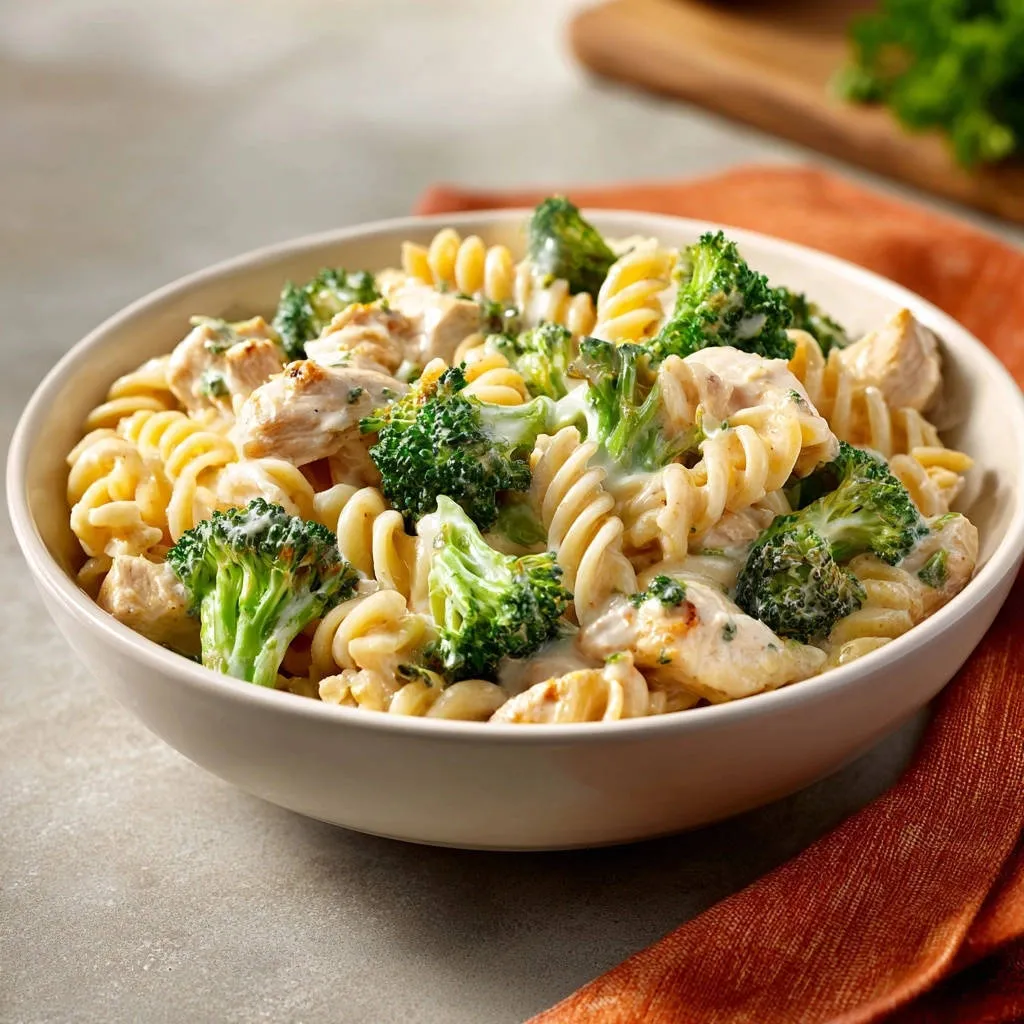
I know the frustration of a gorgeous, creamy pasta sauce that suddenly turns thin, pooling at the bottom of the plate and sliding right off the noodles. This recipe for Creamy Chicken and Broccoli Rotini solves that classic problem by focusing on a critical starch concentration technique that guarantees a perfect, clinging sauce every time.
My expertise in stable emulsions ensures you achieve restaurant-quality silkiness, transforming a simple dinner into a comforting, highly satisfying meal perfect for any weeknight.
For a different take on creamy sauce, consider this creamy garlic herb chicken pasta.
The Secret Weapon: Why Our Creamy Chicken and Broccoli Rotini Sauce Clings So Perfectly
The Crucial Role of Starch Concentration (The Critical Emulsion Step)
Boiling down the reserved starchy water concentrates the natural starches released by the rotini. This reduction creates a highly viscous, glue-like binding agent for the subsequent dairy additions.
For another delightful cheesy chicken bake, cheesy chicken veggie pasta bake offers similar creamy perfection.
This concentrated base is essential for achieving a reliable and stable emulsion, preventing the fat in the heavy cream and cheese from separating or splitting.
Rotini’s Advantage: Maximizing Sauce Retention with Spiral Shapes
Rotini’s tightly wound spirals are specifically designed to catch and hold thick, heavy sauces better than smooth varieties like spaghetti or linguine. The numerous pockets and grooves maximize the retention of this rich, clinging cream sauce.
By using rotini, we ensure that every bite delivers maximum coverage and flavor, resulting in a perfectly coated dish.
The Al Dente Imperative: Ensuring the Pasta Finishes Cooking in the Sauce
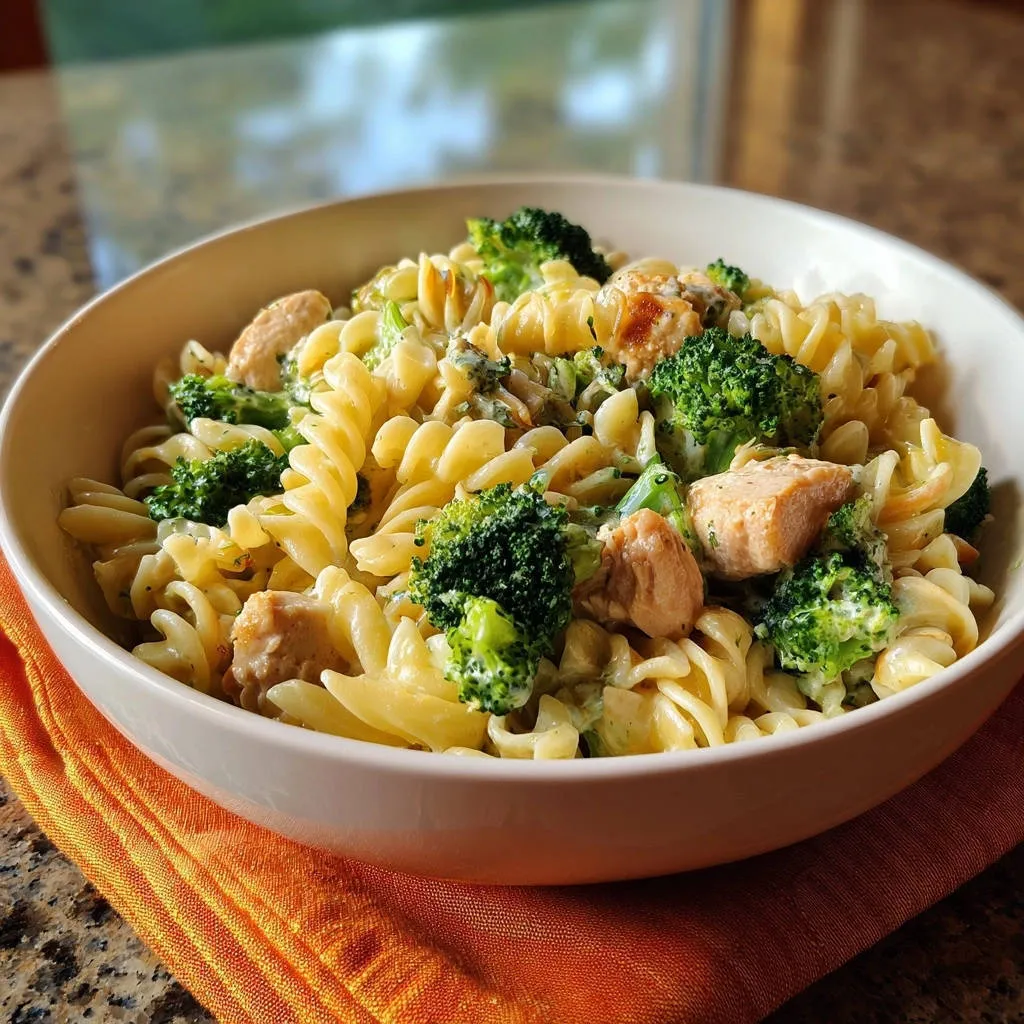
Cooking the pasta two minutes shy of the package directions is non-negotiable for true Italian style, referred to as al dente.
The slightly undercooked noodles will absorb the complex flavors and residual liquid directly within the hot sauce during the final toss. This prevents the pasta from becoming mushy while fully integrating it into the rich flavor of the dish.
Building the Best Creamy Chicken Rotini: Ingredients and Substitutions
Selecting the Perfect Protein: Chicken Prep and Flavor Alternatives
Cubing the chicken breast into even, bite-sized pieces ensures rapid and uniform cooking when searing. This preparation prevents some pieces from drying out while others finish cooking.
For speed, quality pre-cooked rotisserie chicken can be added at the very end of the process. Shrimp or thinly sliced turkey breast also make excellent, quick protein substitutions for this chicken rotini recipe.
The Dairy Foundation: Choosing Heavy Cream for Stability and Richness
Heavy cream, with its high fat content (typically 36% or more), is the only reliable dairy choice for a stable, luxurious sauce base.
Lower-fat alternatives contain higher water and protein ratios, making them extremely susceptible to splitting when exposed to heat and the acidity of other ingredients. Stick to heavy cream to guarantee a perfect and stable cream sauce emulsion.
Cheesy Excellence: Why Grated Parmesan is Essential (and Avoiding Pre-Shredded)
Always use high-quality Parmesan cheese freshly grated from the block for the best melt and silky texture.
Pre-shredded cheese is often coated in anti-caking agents like cellulose which prevent it from melting smoothly and can result in a grainy or lumpy sauce texture.
Adding Depth: Blooming Aromatics and Seasonings in Butter
The technique of sautéing the minced garlic and Italian seasoning in melted butter (known as blooming) is key to maximizing flavor release.
This short process releases fat-soluble flavor compounds into the sauce base, ensuring deep, fragrant notes without the risk of burning the delicate garlic.
The Right Gear: Essential Tools for Stress-Free Pasta Making
The Large, Wide Skillet or Dutch Oven
A wide cooking surface allows for quick, even searing of the chicken and provides ample space for effective sauce making and the final crucial tossing step.
Accurate Measuring: Securing the Starchy Liquid
A mug or glass measuring cup should be ready near the boiling pot to precisely scoop out the starchy pasta water before draining the noodles.
A Detailed Guide to Mastering Your Creamy Chicken and Broccoli Rotini
- Al Dente Cook and Securing the Reserved Water (Step 1)
Cook the rotini until very firm, about two minutes shy of the package directions. The starchy, cloudy cooking water is crucial-ensure you scoop out at least 1 cup of this liquid before draining the rest.
- Searing the Chicken and Building the Flavor Fond (Step 2)
Cook the cubed chicken over medium-high heat until it is cooked through and slightly golden on the exterior. Remove the chicken, but leave the delicious browned bits (the fond) adhering to the pan; this adds necessary depth and umami to the finished sauce.
- The Quick Sauté for Vibrant Broccoli (Step 3)
Briefly sautéing the broccoli florets tenderizes them just enough and locks in their vibrant green color. Immediately set them aside with the chicken to prevent them from becoming overcooked, gray, or mushy later in the hot sauce.
- Building the Fragrant Sauce Base (Step 4)
Reduce the heat to medium-low and melt the butter completely. Sauté the minced garlic and Italian seasoning very briefly, stirring constantly for about 30 seconds until the mixture is highly fragrant. Monitor closely, as burned garlic will impart a bitter, acrid flavor that ruins the dish.
- CRITICAL TECHNIQUE: Activating the Starch to Lock In the Cling (Step 5)
Pour 3/4 cup of the measured, starchy reserved pasta water into the skillet. Bring it to a simmer and let it bubble for 60 seconds, vigorously scraping up any fond stuck to the bottom of the pan.
This essential step concentrates the starch and incorporates the caramelized flavors, creating the stable base needed for the perfect pasta emulsion.
- Creating the Perfect, Stable Emulsion (Step 6)
Pour in the heavy cream and stir until well combined, then immediately reduce the heat to LOW. Now, slowly add the Parmesan cheese, stirring constantly as you incorporate it; the heat must remain low to prevent the dairy proteins from seizing or separating.
If the sauce looks too thick, use extra reserved pasta water to adjust the consistency, adding it one tablespoon at a time to maintain control over the final texture.
- The Final Toss and Immediate Serving (Step 7)
Return the cooked pasta, chicken, and broccoli to the skillet containing the warm sauce. Toss everything gently but thoroughly until every spiral of rotini, every piece of chicken, and every floret of broccoli is completely coated in the thick, clinging sauce.
Serve this creamy chicken and broccoli rotini immediately with extra grated Parmesan cheese on top for optimal enjoyment.
For a similar comforting bake, explore the fluffy texture secret in this cheesy skillet chicken gnocchi.
Chef’s Secrets: Elevating Your Creamy Chicken and Broccoli Rotini Game
The Salt Test: Tasting and Seasoning the Pasta Water. The pasta water should taste very salty, similar to the sea. This step seasons the pasta internally, meaning the final dish will have far more balanced flavor and require less external salt.
Round Out Your Meal
To complement your creamy chicken and broccoli pasta, consider adding another hearty dish to your table.
- For a satisfying addition with a similar commitment to texture, explore Crispy Pan-Seared Meatballs in Zesty Marinara, known for its no-mush technique.
- If you appreciate well-formed meatballs in a flavorful sauce, you might also enjoy Skillet Meatballs in Rich Tomato Sauce.
Resting the Chicken. After removing the chicken from the pan, let it rest for a few minutes before adding it back in during the final toss. This allows the meat fibers to reabsorb the juices, ensuring the chicken remains tender and moist.
Never Bring the Sauce to a Hard Boil. Once the heavy cream and cheese are added, the sauce should only be gently simmered or heated through over low heat. Boiling a finished cream sauce leads to splitting, resulting in an oily, separated mess.
The Pepper Upgrade. Always use freshly cracked black pepper instead of pre-ground pepper in this dish. The aroma, volatile oils, and sharp bite of fresh pepper are significantly superior, cutting through the richness of the creamy sauce perfectly.
Troubleshooting Your Creamy Pasta: Fixing Common Issues
Problem: My Sauce Is Too Thin or Separated and Oily
If the sauce separates, it means the emulsion broke, usually from high heat or adding the cheese too quickly. Remove the pan from the heat immediately.
Whisk in a tablespoon of cold, reserved starchy pasta water vigorously. The sudden cold shock can sometimes encourage the fat and water to rebind, restoring the creamy consistency.
Problem: The Broccoli Tastes Raw or Is Too Hard
If the 2-minute sauté (Step 3) did not soften the broccoli to your liking, try blanching it briefly in the boiling pasta water for 60 seconds before cooking the rotini itself.
Drain the broccoli, then proceed with the quick sauté; this double cooking method ensures ideal tenderness without making the florets mushy.
Problem: The Sauce Became Too Thick After Sitting
Cream sauces, especially those stabilized with starch and Parmesan, thicken quickly upon cooling. To fix this, place the pan over low heat.
Gradually whisk in small splashes of reserved pasta water (or plain milk) until the desired, glossy consistency is achieved. Do not try to stir in cold liquid quickly or over high heat.
Customizing and Enjoying Your Creamy Chicken Rotini Beyond the First Bite
Seasonal Swaps: Delicious Variations on the Classic Dish
Pesto Addition: Stir in 2 tablespoons of high-quality basil pesto along with the heavy cream for an herbaceous, bright flavor profile that complements the chicken and broccoli perfectly.
Mushroom and Spinach Delight: Sauté sliced mushrooms after the chicken is removed, and toss in fresh spinach leaves at the very end to wilt with the residual heat of the sauce.
Spicy Calabrian Kick: Add finely minced Calabrian chili paste or a generous pinch of cayenne pepper when blooming the garlic for a noticeable, warming heat and depth of color variation.
Reheating Secrets: Keeping Leftovers Delicious and Creamy
Store leftovers of this rich creamy chicken and broccoli rotini in an airtight container for best consumption within 3 to 4 days.
When reheating, always use the stovetop over very low heat or the microwave at 50% power. Add a small splash (1-2 teaspoons) of milk or water before heating to restore the luxurious, stable creaminess, whisking gently as it warms.
Frequently Asked Questions About Creamy Chicken and Broccoli Rotini
Why is Reserving Pasta Water So Important?
The cooking water is rich in dissolved starch and gluten, acting as a natural emulsifier. When concentrated, this starchy liquid allows the fat in the heavy cream and cheese to bind perfectly with the water in the sauce.
This binding creates the thick, glossy, restaurant-quality coating that truly “clings” to the rotini noodles.
Can I Use Milk Instead of Heavy Cream for a Lighter Sauce?
While technically possible, using milk significantly increases the risk of the sauce splitting due to its lower fat content. If you must use milk, you should first create a simple roux (equal parts melted butter and flour) before adding the milk.
Alternatively, incorporate a few tablespoons of cream cheese as a stabilizer alongside the milk to help achieve a minimum level of necessary thickness.
How Long Will This Creamy Chicken and Broccoli Rotini Keep in the Fridge?
Stored in an airtight container, leftovers of this creamy dish are best consumed within 3 to 4 days of preparation.
Remember that the sauce will be extremely thick and firm when cold; ensure you follow the low-heat reheating instructions and add a splash of liquid to rehydrate the creamy consistency.
Mastering the clinging sauce technique means you’ll never suffer through thin, watery pasta again. Make this creamy chicken and broccoli rotini tonight and experience the true joy of a perfect pasta emulsion!
Creamy Chicken Broccoli Rotini
Course: Main CourseCuisine: Italian-AmericanDifficulty: easy4
servings15
minutes20
minutes950
kcal35
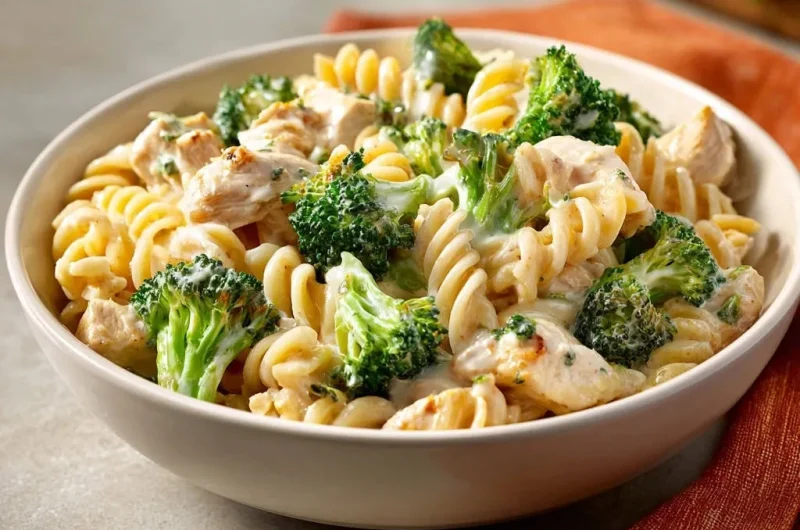
minutesTired of sauces that slide off your pasta? This recipe guarantees a gorgeous, restaurant-quality coating on every single noodle by using a key starchy water technique to lock in the emulsion. It combines tender chicken, fresh broccoli, and rotini in a rich Parmesan cream sauce.
Ingredients
1 pound rotini pasta
1 cup reserved pasta water (minimum)
2 tablespoons olive oil
1.5 pounds boneless, skinless chicken breast, cubed
1 teaspoon salt
1/2 teaspoon black pepper
3 cups fresh broccoli florets
4 tablespoons unsalted butter
4 cloves garlic, minced
1.5 cups heavy cream
1 cup grated Parmesan cheese, plus extra for serving
1/2 teaspoon Italian seasoning
Directions
- Cook the Pasta and Prep Ingredients: Bring a large pot of salted water to a boil. Add the rotini and cook until very firm, about 2 minutes shy of the package directions (al dente). Before draining the pasta, use a mug to scoop out and reserve at least 1 cup of the cloudy, starchy cooking water. Drain the pasta and set aside.
- Cook the Chicken: While the pasta cooks, heat the olive oil in a large skillet or Dutch oven over medium-high heat. Add the cubed chicken, seasoning it with salt and pepper. Cook for 5 to 7 minutes until the chicken is fully cooked through and slightly golden. Remove the chicken from the skillet and set aside, leaving any drippings in the pan.
- Blanch the Broccoli: Add the broccoli florets to the chicken skillet and sauté quickly for 2 minutes to brighten the color and soften slightly. Set the broccoli aside with the chicken.
- Build the Sauce Base: Reduce the heat to medium-low. Add the butter to the skillet and let it melt. Add the minced garlic and Italian seasoning, stirring constantly for about 30 seconds until fragrant (do not let the garlic burn).
- Lock In the Cling (The Key Step): Pour 3/4 cup of the reserved, starchy pasta water into the skillet. Bring the water to a simmer and let it bubble for 1 minute, scraping up any browned bits from the bottom. This concentration of starch is critical for the final texture.
- Create the Emulsion: Pour in the heavy cream and stir until well combined. Immediately reduce the heat to low. Now, slowly add the Parmesan cheese, stirring constantly as you incorporate it. The sauce should thicken immediately. If the sauce looks too thick, splash in an additional tablespoon of reserved pasta water until the desired consistency is achieved. If it looks thin, let it simmer gently for 1 minute more, stirring frequently.
- Combine and Finish: Return the cooked pasta, chicken, and broccoli to the skillet. Toss everything gently but thoroughly until the pasta and ingredients are completely coated in the thick, clinging sauce. Serve immediately with extra grated Parmesan cheese on top.
Notes
- The key to success is concentrating the starchy pasta water (Step 5) before adding the cream to ensure the sauce clings perfectly.